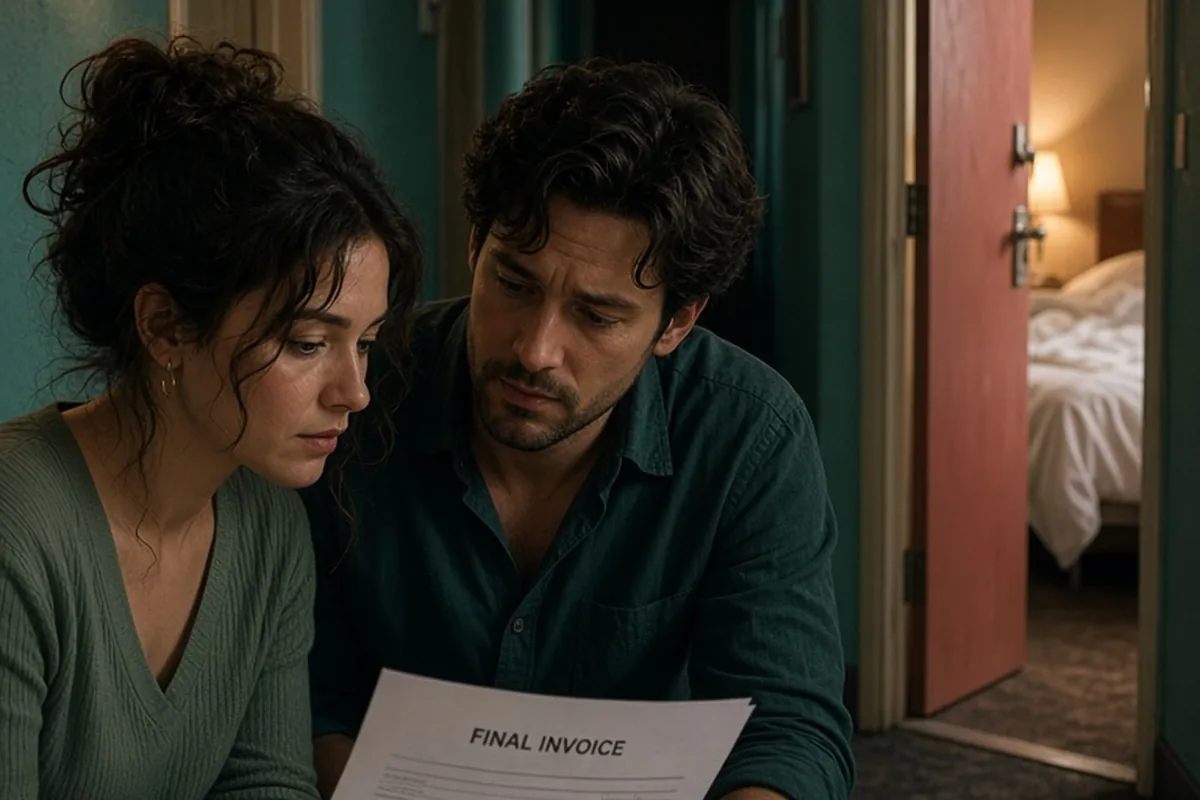
Responsibility for hidden wedding costs depends on how the overall budget is structured. When a couple funds their own celebration, they absorb all unexpected expenses directly. If family members sponsor specific categories, such as catering or attire, etiquette generally dictates that the sponsor covers associated fees like service charges, taxes, and alterations. However, when contributors provide a fixed lump sum, the couple is almost always responsible for paying any surprise overages or unbudgeted incidentals out of a designated contingency fund.
Navigating wedding finances becomes complicated when final invoices arrive with unexpected line items that were never discussed during initial planning conversations. From venue administrative charges and vendor meal requirements to garment alterations and overtime fees, surprise expenses can quickly add thousands of dollars to an event. Deciding who covers these unexpected obligations requires open communication, clear boundaries, and a detailed understanding of vendor contracts.
How Traditional and Modern Contribution Models Allocate Unexpected Overages
In traditional wedding finance models, the bride's family covered the bulk of the ceremony, reception, and floral expenses, while the groom's family handled the rehearsal dinner, marriage license, and officiant fees. Under this historical division, each family absorbed the hidden costs directly connected to their assigned events. If reception catering incurred high service percentages or additional setup labor fees, the party hosting the reception absorbed those charges. However, this model rarely reflects contemporary realities, where couples frequently self-fund or receive blended contributions from multiple sources.
Today, financial contributions typically arrive in one of two formats: categorical sponsorships or fixed financial gifts. When parents offer to pay for a specific component—such as the venue or floral package—they usually take on the full invoice, including taxes, delivery charges, and administrative fees. Conversely, when contributors give a flat dollar amount toward the wedding as a whole, that gift is fixed. In those circumstances, the couple is responsible for absorbing all surprise line items and managing the overall budget variance so contributors are not hit with unexpected demands for additional money.
Catering and Venue Service Charges, Gratuities, and Surcharges
Food, beverage, and venue contracts harbor some of the largest hidden expenses in event planning. Many couples mistake mandatory service charges for discretionary gratuities, only to realize later that service fees do not go directly to waitstaff and that separate tips are expected. In addition, venues frequently add separate line items for cake cutting, corkage, security guards, clean-up crews, and power drops. These fees can inflate the expected food and beverage total substantially beyond the base menu pricing.
When an invoice includes these structural surcharges, payment responsibility aligns with whoever signed the vendor agreement. If parents signed the venue contract directly, they are legally and financially obligated to settle all mandatory administrative fees. If the couple holds the contract but parents agreed to cover the meal costs, the couple must clarify in advance whether the family's promise covers only the base per-person food cost or the complete invoice total after taxes, mandatory surcharges, and gratuities are applied. Leaving this detail unresolved until final balance week often creates significant interpersonal friction.
Attire and Styling Alterations: Who Covers Wardrobe Additions
Wardrobe budgets are especially susceptible to secondary costs that rarely appear on the initial price tag. Formal wear typically requires tailoring, custom hemming, bustle additions, undergarments, and specialized steaming services before the wedding day. While a family member might generously offer to purchase a wedding gown or suit, they may not anticipate that structural alterations and fabric customizations can cost hundreds of dollars on top of the retail garment price.
Clear agreements prevent uncomfortable assumptions around styling expenses. If a contributor offers to pay for wedding attire, the couple should establish whether that gift includes professional tailoring and accessories or covers the primary garment purchase alone. Similarly, for attendants and wedding party members, standard etiquette dictates that attendants pay for their own base clothing and individual alterations, while the couple covers any mandatory uniform items they insist upon, such as professional hair, makeup, or specialized accessories that attendants might not otherwise choose.
Logistics, Delivery, and Overtime: The Operating Fees Behind Event Execution
Operational expenses often catch planners off guard because they relate to the mechanics of event production rather than tangible items. Rental companies frequently charge fees for difficult delivery environments, such as carrying heavy furniture up flights of stairs, delivering outside standard business hours, or completing late-night teardowns. Photographers, bands, and coordinators often require vendor meals as part of their contracts and charge premium hourly rates if the reception runs past the scheduled conclusion.
Because these logistical line items result from general event execution rather than a single gift category, the couple almost always assumes responsibility for paying them. If an event timeline falls behind and the venue or entertainment extends into overtime, the bill must be settled immediately or added to the final balance. Establishing an internal contingency fund ensures that these operational overages can be paid smoothly without scrambling to ask contributing family members to cover spontaneous logistical fees.
Navigating Boundary Conversations When Costs Exceed Initial Family Pledges
When unexpected wedding bills emerge, initiating honest conversations with contributing family members requires diplomacy and emotional maturity. The primary rule of managing family contributions is to treat every offer as a gracious gift rather than an unlimited financial guarantee. If unexpected administrative fees cause a sponsored category to exceed the contributor's expected budget, the couple should present the complete invoice transparently and give the contributor the option to maintain their original cap without judgment.
If a contributor chooses to hold to their original dollar limit, the couple must be prepared to cover the remaining balance themselves or adjust the scope of services to bring the total back within range. Approaching these moments collaboratively—by presenting options rather than demands—protects personal relationships. Communicating early when an invoice arrives higher than anticipated prevents last-minute financial panic and preserves goodwill between both families.
Reviewing Vendor Fine Print to Prevent Ambiguous Payment Obligations
The most reliable way to determine who pays for hidden costs is to eliminate ambiguity before signing any binding agreements. When gathering estimates, ask vendors directly for an itemized estimate that details every anticipated surcharge, including local sales taxes, processing fees, travel expenses, overtime rates, and mandatory staffing minimums. Requesting a comprehensive sample invoice allows the paying party to see the true bottom-line cost before committing funds.
Once all potential fees are identified, maintain a centralized budget document that records not only the vendor name and estimated balance, but also the specific person responsible for each line item. Distinguishing between base contract pricing, potential incidental costs, and assigned payers provides complete transparency. When every party understands their exact commitments in writing, unexpected fees cease to cause confusion or financial strain as the wedding day approaches.
Frequently asked questions
Are wedding party members expected to pay for their own hidden costs?
Wedding party members typically cover their travel, lodging, base attire, and routine tailoring. However, if the couple mandates specific hair, makeup, or specialized accessories, etiquette recommends that the couple covers those costs directly rather than adding unexpected burdens to their attendants.
What percentage of a wedding budget should be reserved for unexpected expenses?
Financial planners and event coordinators generally recommend setting aside a contingency buffer within your overall budget. This reserve covers taxes, mandatory service surcharges, delivery fees, and last-minute operational overages without requiring extra contributions.
Who is legally liable if a wedding vendor adds unexpected charges after the event?
Legal liability rests exclusively on the individual whose name and signature appear on the vendor contract. Even if a family member verbally agreed to pay for the service, the contracted signee is legally responsible for settling any outstanding balances, fees, or overtime penalties.
How can couples politely clarify what a family member's financial gift covers?
Couples can express genuine gratitude for the contribution and ask directly whether the gift is intended as a fixed monetary sum or as full coverage for a specific vendor category. Clarifying this early prevents assumptions and ensures hidden fees are factored into the main budget.
Your next step
Review all pending vendor agreements with your partner today to identify unlisted administrative, delivery, and service charges, then allocate a specific contingency fund to cover those items before finalizing contracts.