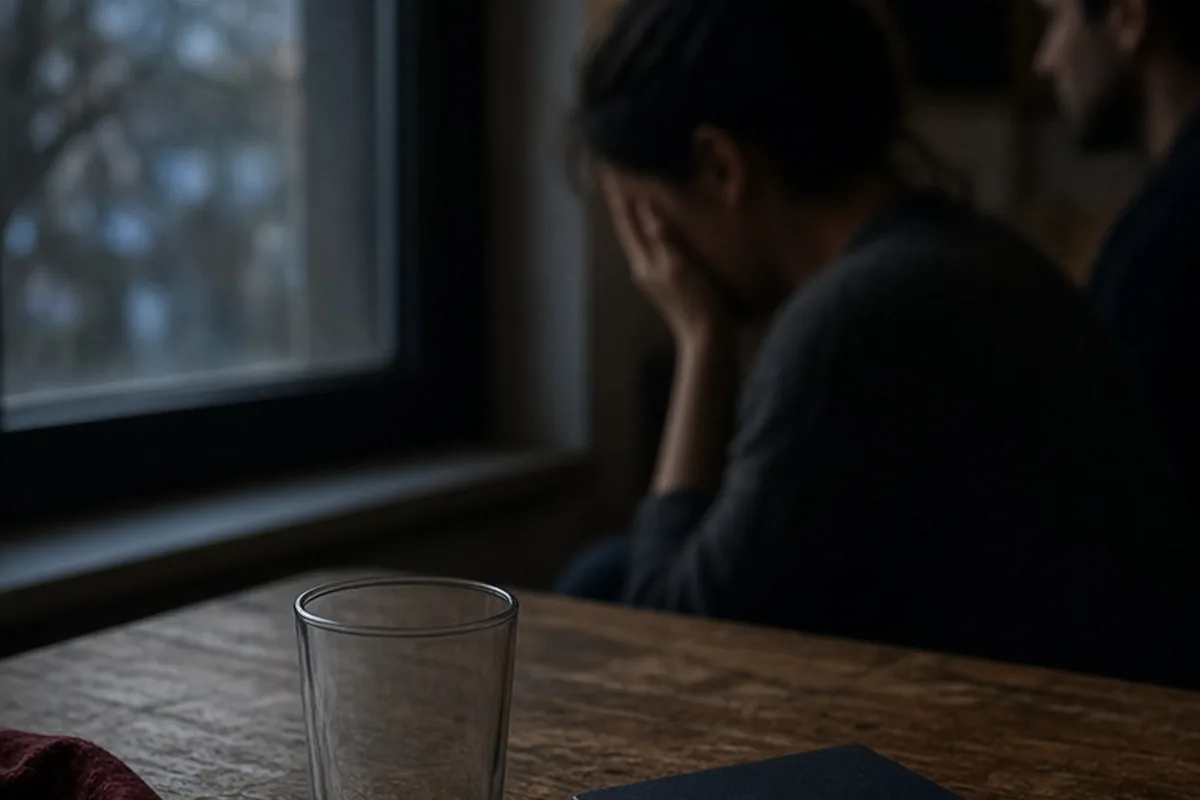
People stay in abusive relationships not out of weakness or choice, but because abuse systematically erodes independence, confidence, and resources. Complex factors—such as fear of escalation, trauma bonding, financial dependence, psychological manipulation like gaslighting, isolation from support systems, cultural stigma, and hope for change—make leaving extremely difficult and dangerous. Ending an abusive relationship is rarely a simple decision; it is often a delicate and high-risk process.
When observing an unhealthy dynamic from the outside, it is common for people to wonder why a partner remains in a harmful situation. In reality, staying is rarely a matter of personal preference or lack of awareness. Abuse is structured to diminish a person's autonomy gradually, creating an intricate web of emotional, financial, and physical constraints that complicate any attempt to walk away.
Trauma Bonding and the Impact of Intermittent Reinforcement
One of the most powerful psychological mechanisms keeping individuals in harmful dynamics is a trauma bond. A trauma bond forms when an abusive partner alternates between intense hostility and overwhelming affection, apologies, or kindness. This unpredictability creates a biological and psychological cycle known as intermittent reinforcement. When moments of tenderness or relief follow severe tension or mistreatment, the recipient experiences a profound sense of attachment and relief, which temporarily overshadows the harm that came before.
Consider a partner who endures days of cold detachment and verbal outbursts, only to receive lavish gifts, tearful apologies, and promises of renewed devotion immediately after. This swing in behavior fosters a powerful attachment where the survivor looks to the abuser for the very comfort needed to soothe the pain caused by that same abuser. Over time, breaking this attachment feels emotionally destabilizing, similar to breaking a severe psychological dependency, making separation feel terrifying even when mistreatment is recognized.
Genuine Fear of Retaliation and Physical Danger
A primary and very realistic reason people stay in abusive relationships is fear. Abusive individuals frequently use threats of physical violence, legal retaliation, self-harm, or harm to loved ones, pets, and children to maintain control. Leaving is not simply a matter of packing a bag; it is frequently the most dangerous phase of an abusive dynamic. When an abuser realizes they are losing control, their behavior often escalates rapidly.
For instance, a person might recognize that their partner is abusive but choose to stay because their partner has explicitly threatened to take full custody of their children, expose private secrets to their employer, or commit violence if they ever leave. In these situations, staying is not an act of submission; it is a calculated survival strategy designed to manage immediate risks and keep dependents safe from escalated retaliation.
Financial Control and Material Dependence
Financial abuse occurs in a vast majority of controlling relationships, effectively stripping the affected person of the material means needed to survive independently. An abuser may forbid their partner from working, sabotage job interviews, monitor every dollar spent, ruin their partner's credit history through coerced debt, or refuse access to joint bank accounts. Without money, the practical logistics of leaving become overwhelming.
For an individual living without personal savings, an independent credit history, or affordable housing options, the choice often feels like remaining in a known, painful situation versus facing immediate homelessness and destitution. Finding an apartment, paying legal fees, securing childcare, and buying food all require capital. When someone has been systematically cut off from financial independence, the barrier to departure is not psychological weakness, but a tangible lack of resources.
Gaslighting and the Erosion of Reality
Psychological manipulation, particularly gaslighting, slowly destroys a person's trust in their own memory, perception, and judgment. When an abuser constantly denies facts, shifts blame, and insists that their partner is overly sensitive, irrational, or unstable, the partner begins to doubt their own reality. This persistent distortion makes it difficult to assess the severity of the mistreatment accurately.
For example, when a partner raises concerns about aggressive behavior, the abuser might claim the event never happened or assert that the partner provoked the reaction entirely. Over months or years of this treatment, individuals often become convinced that they are the primary source of the relationship's dysfunction. This self-doubt paralyzes decision-making, leaving the person feeling incapable of navigating life outside the relationship.
Systematic Social Isolation and Loss of Support
Abusive behavior rarely begins with overt isolation; instead, it develops gradually. An abusive partner might express jealousy toward close friends, criticize family members, or create uncomfortable scenes during social gatherings until the other partner voluntarily stops seeing loved ones to prevent conflict. Over time, the individual finds themselves completely severed from their outside support network.
Once isolated, a person has no external sounding board to validate their feelings or offer practical assistance. Furthermore, many individuals feel profound shame or embarrassment about their situation, assuming friends and family will judge them for staying as long as they have. This perceived or actual isolation creates a vacuum where the abuser's perspective becomes the only voice they hear, reinforcing the belief that no one else cares or will offer help.
Hope, Empathy, and the Idealized Beginning
Most abusive relationships do not start with cruelty. They frequently begin with intense romance, attentive care, and deep connection. When mistreatment emerges later, it is often viewed as an anomaly caused by external stress, past trauma, mental health struggles, or substance use. The empathetic partner often clings to the memory of who the person was at the beginning, holding out hope that their kindness and patience can heal the partner and restore the healthy dynamic.
This deep investment in the relationship's potential makes letting go feel like abandoning someone who is hurting. Partners often pour significant emotional labor into resolving conflicts, believing that if they can just communicate better or manage their partner's triggers, the mistreatment will cease. Accepting that an abuser may never change requires grieving the future they envisioned, which is a painful emotional barrier to overcome.
Cultural, Religious, and Societal Pressures
Societal expectations and cultural background heavily influence how relationships are perceived and maintained. In many cultures and religious communities, marriage is treated as permanent, and divorce or separation carries severe social stigma, familial rejection, or spiritual condemnation. Individuals may be taught from an early age that self-sacrifice is a virtue and that preserving the family unit takes precedence over individual safety or happiness.
In addition, legal and institutional systems can present major hurdles. Immigrants whose legal residency depends on a spouse, or individuals who fear law enforcement and community bias, face heightened vulnerability. When family members urge a person to endure mistreatment for the sake of reputation or tradition, seeking a separation can mean risking total excommunication from their entire community.
Navigating Safety Planning and External Support
Recognizing the multiple layers that keep someone in an abusive situation helps shift the focus from judgment to structured support. Because leaving carries genuine risks, safety planning is critical. A safety plan involves practical steps designed to reduce danger while remaining in the relationship, preparing to leave, or after departure. This includes identifying safe contacts, securing essential documents, and establishing clear emergency exit routes.
Connecting with trained advocates or specialized domestic violence support organizations allows individuals to explore options confidentially without pressure. These professionals can provide assistance with safe housing, legal protective orders, and resource planning. Acknowledging that exiting a relationship may require multiple incremental steps rather than an immediate break helps individuals rebuild their safety and independence at a manageable, secure pace.
Frequently asked questions
How can friends and family help someone in an abusive relationship?
Supporters can help most by offering non-judgmental listening, validating the person's experiences, and avoiding ultimatums or pressure to leave immediately. Keeping communication channels open and offering practical, consistent support ensures the individual does not feel isolated when they are ready to make a change.
Why does an abusive partner often seem charming to outsiders?
Abusive behavior is typically a deliberate choice used in private to control an intimate partner, rather than an uncontrollable loss of temper. Abusers often understand social norms and can maintain a polite, engaging public persona to preserve their reputation and discredit any accusations made by their partner.
What is the most dangerous time in an abusive dynamic?
The period immediately leading up to and following a separation is statistically the highest-risk time for severe retaliation. When an abuser perceives that their control is permanently broken, they are more likely to escalate harmful actions, which is why discreet and careful safety planning is recommended.
Your next step
If you or someone you know is facing abuse, reach out to a trusted professional, confidential helpline, or local support organization to develop a discreet safety plan tailored to your specific circumstances.