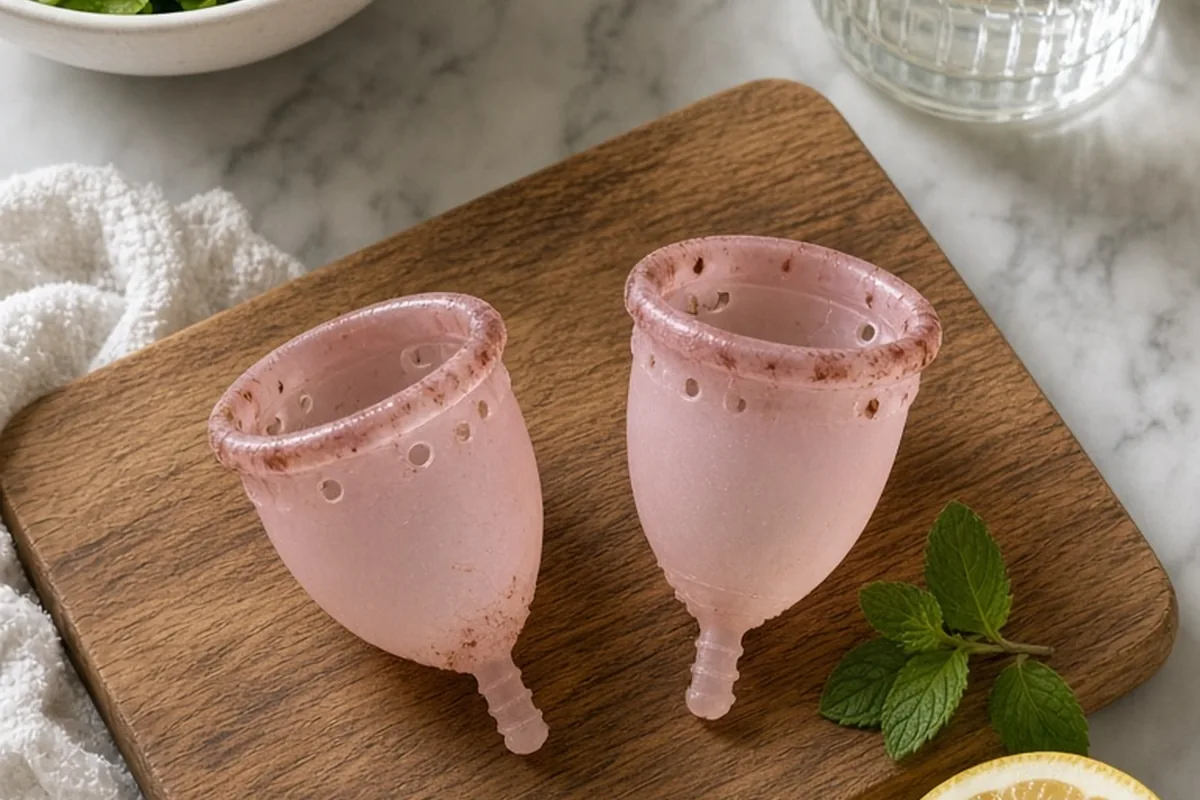
A menstrual cup usually smells bad because bacteria, natural body oils, and oxidized menstrual fluid have built up on the silicone surface, particularly around tiny suction holes or textured grips. Leaving the cup in for extended hours, washing with scented or residue-heavy soap, or air-drying in damp spaces also traps odors. In rare cases, a sudden foul or fishy odor may reflect an underlying vaginal infection rather than the cup itself.
Medical-grade silicone and thermoplastic elastomers are non-porous materials engineered to resist moisture and bacterial colonization, yet regular monthly use exposes them to a complex environment of blood proteins, vaginal secretions, and microscopic skin flora. When an unexpected sour, metallic, or musty odor develops on your cup, identifying the root cause allows you to eliminate the smell safely without damaging the material or disrupting your body's natural balance.
The Chemistry of Menstrual Fluid, Bacteria, and Silicone
Menstrual fluid is not just blood; it is an organic mixture of endometrial tissue, cervical mucus, lipids, and normal vaginal bacteria such as Lactobacillus species. When fluid sits inside the cup at body temperature, bacteria naturally metabolize these proteins and iron-rich compounds. As these organic elements break down and interact with ambient oxygen during removal, they release volatile sulfur and amine compounds, which create the characteristic metallic or sour smell associated with menstruation.
While medical-grade silicone does not absorb water, it is slightly lipophilic, meaning it can attract and hold tiny amounts of lipid-soluble aromatic compounds over extended wear cycles. For instance, if you regularly wear your cup during long shifts without a midday rinse, microscopic layers of cellular debris can adhere to the smooth walls. Over consecutive cycles, these surface-bound molecules concentrate and produce a persistent odor that plain cold or warm water rinses fail to remove completely.
Understanding this interaction prevents the common mistake of thinking the cup is permanently ruined. The material itself is structurally intact; the scent is merely concentrated organic residue resting on the outer microscopic boundary of the silicone matrix, which can be dissolved and lifted with targeted, safe cleaning techniques.
Extended Wear Time and Hidden Buildup in Suction Holes
Most manufacturers recommend emptying and washing a menstrual cup every eight to twelve hours. Exceeding this twelve-hour threshold gives anaerobic and aerobic bacteria significantly more time to break down trapped proteins, leading to a much sharper, more pungent odor upon removal. Even within the safe twelve-hour window, heavy flow days provide more concentrated biological fuel for bacterial metabolism, making thorough rinsing between insertions essential.
Odors also frequently hide in structural micro-crevices that are easy to miss during a quick bathroom wash. The tiny suction release holes angled beneath the rim, embossed measurement lines on the interior walls, and grip ridges on the base or stem are prime gathering spots for coagulated fluid. If dried fluid remains trapped inside a suction hole across several cycles, it creates a localized pocket of odor-producing biofilm that re-activates every time the cup is warmed by the body.
To address this, fill the cup with warm water, place your clean palm flat over the open rim, invert it, and squeeze firmly so water jets out through each suction hole. Alternatively, gently bend the rim outward under running water or use a soft, dedicated silicone brush to clear the openings without scratching the surrounding surface.
Common Soap Mistakes and Residue Trapping
One of the most frequent reasons a cup develops an off-putting smell is the soap chosen to wash it. Conventional body washes, fragranced bar soaps, dish detergents, and antibacterial hand cleansers often contain added moisturizers, essential oils, artificial fragrances, and thickeners. These additives coat the silicone with an invisible film that binds to organic matter and locks in unpleasant scents instead of rinsing clean.
Furthermore, when a cup coated in soap oils is boiled between cycles, the high heat can bake those residual oils into the surface, causing discoloration, stickiness, and a burnt or sour scent that becomes difficult to remove. Fragrance compounds and oil films can also alter the natural pH of the vaginal canal during subsequent wear, creating irritation or predisposing you to secondary odor-causing imbalances.
When selecting a daily wash for your cup, look for liquid formulations that are oil-free, fragrance-free, water-soluble, and pH-balanced. If a suitable soap is unavailable while you are away from home, thoroughly rinsing with clean, cool running water alone is significantly safer for the silicone than using a heavily perfumed hand soap from a public restroom.
Safe and Effective Methods to Eliminate Cup Odor
If routine washing no longer clears a persistent smell, several deep-cleaning methods can restore your cup without degrading the silicone integrity. Before trying intensive treatments, always start with a proper sanitizing boil, as sustained heat breaks down organic bonds and kills lingering bacterial populations.
To refresh a smelly cup safely, consider these tested techniques:
After using an oxidative soak like diluted peroxide, boil the cup in plain water for five minutes to evaporate any residual solution before placing it back in your body. Avoid combining multiple chemical agents simultaneously, and never use bleach, rubbing alcohol, acetone, or essential oils, as these substances break down silicone bonds, cause premature material cracking, and can cause severe chemical irritation to mucosal tissues.
Distinguishing Cup Odor from Vaginal Health Concerns
While most cup odors stem from hygiene and fluid breakdown, a sudden change in smell can occasionally reflect an internal vaginal infection rather than an issue with the product itself. Menstrual blood normally carries a faint metallic or earthy scent, and standard cup residue often smells slightly sour or stale. In contrast, a distinct fishy, rotten, or strong chemical ammonia odor usually points toward a microbial shift in the vaginal microbiome.
Bacterial vaginosis (BV) and trichomoniasis are two common conditions characterized by an elevated vaginal pH and the production of volatile amine compounds that create a noticeable fishy scent, which is often magnified during menstruation when blood alters the vaginal acid mantle. Yeast overgrowth can also produce a sweet, bready, or beer-like odor accompanied by thick white discharge and itching.
If you notice an aggressive, foul odor that persists on your skin after showering, or if the smell is accompanied by pelvic discomfort, abnormal burning during urination, or unusual discharge between cycles, stop using your cup immediately. Schedule an evaluation with a healthcare provider for proper diagnosis and treatment, and thoroughly sanitize your cup before resuming use once an infection has cleared.
Storage and Drying Practices Between Cycles
How you store your menstrual cup during the weeks between your periods plays a significant role in odor prevention. After boiling and washing your cup at the end of your cycle, you must allow it to dry completely on a clean paper towel or breathable cloth in a well-ventilated area before putting it into storage.
Storing a damp cup inside an airtight container, such as a sealed plastic baggie, plastic travel case, or glass jar, creates a humid microclimate where airborne mold spores and anaerobic bacteria thrive. This environment leads to a musty, mildew-like scent that clings stubbornly to the silicone.
The ideal storage container is a clean, breathable pouch made of natural cotton, linen, or satin. These breathable fabrics allow air circulation and ensure any residual ambient moisture evaporates naturally. Keep the pouch in a dry, temperature-regulated drawer or cabinet rather than in a steamy bathroom cabinet next to the shower.
When It Is Time to Replace Your Menstrual Cup
High-quality medical-grade silicone cups are designed to last anywhere from one to ten years depending on manufacturer guidelines and care routines. However, even with diligent maintenance, silicone eventually undergoes material fatigue from repeated boiling, body heat, and mechanical stretching during insertion and removal.
If your cup has developed an odor that resists multiple boiling sessions, sunlight exposure, and peroxide soaks, inspect the material closely. Signs of irreversible silicone breakdown include a sticky or tacky surface texture, visible micro-tears or splits near the rim, a chalky white film that rubs off as powder, or severe stiffness that makes folding difficult.
Using a cup that has begun to degrade physically increases the risk of bacterial adherence, as microscopic surface cracks trap debris beyond the reach of normal cleaning solutions. When these physical changes appear alongside an unyielding foul odor, retiring the cup and replacing it with a fresh model is the most hygienic choice.
Frequently asked questions
Can I use boiling water alone to get rid of strong menstrual cup smells?
Boiling for five to seven minutes kills odor-causing bacteria and sanitizes the cup, but it may not completely break down deeply bonded lipid compounds. If an odor remains after boiling, an overnight soak in equal parts water and 3 percent hydrogen peroxide will effectively neutralize the lingering scent.
Is it safe to clean a smelly menstrual cup with vinegar or baking soda?
A mild soak in highly diluted white vinegar or a paste made of water and baking soda can neutralize scents, but you must rinse the cup thoroughly afterward. If any acidic residue remains on the silicone when inserted, it can cause vaginal irritation, so follow any vinegar rinse with a five-minute boil in plain water.
Why does my menstrual cup smell like fish?
A distinct fishy odor is rarely caused by the cup material itself and is typically the result of bacterial vaginosis (BV) or a similar vaginal flora imbalance. If you notice a fishy scent on your cup or body, discontinue cup use temporarily and consult a healthcare provider for an accurate assessment.
How often should I deep-clean my cup to prevent odors from forming?
Sanitize your cup by boiling it once at the end of each menstrual cycle before putting it into storage. Routine washing with plain water or a gentle, fragrance-free cleanser during your period is sufficient unless you notice early signs of discoloration or scent buildup.
Your next step
Inspect your cup's suction holes for trapped residue today, wash the surface with a fragrance-free cleanser, and perform a seven-minute rolling boil inside a whisk before storing it in a breathable cotton pouch.