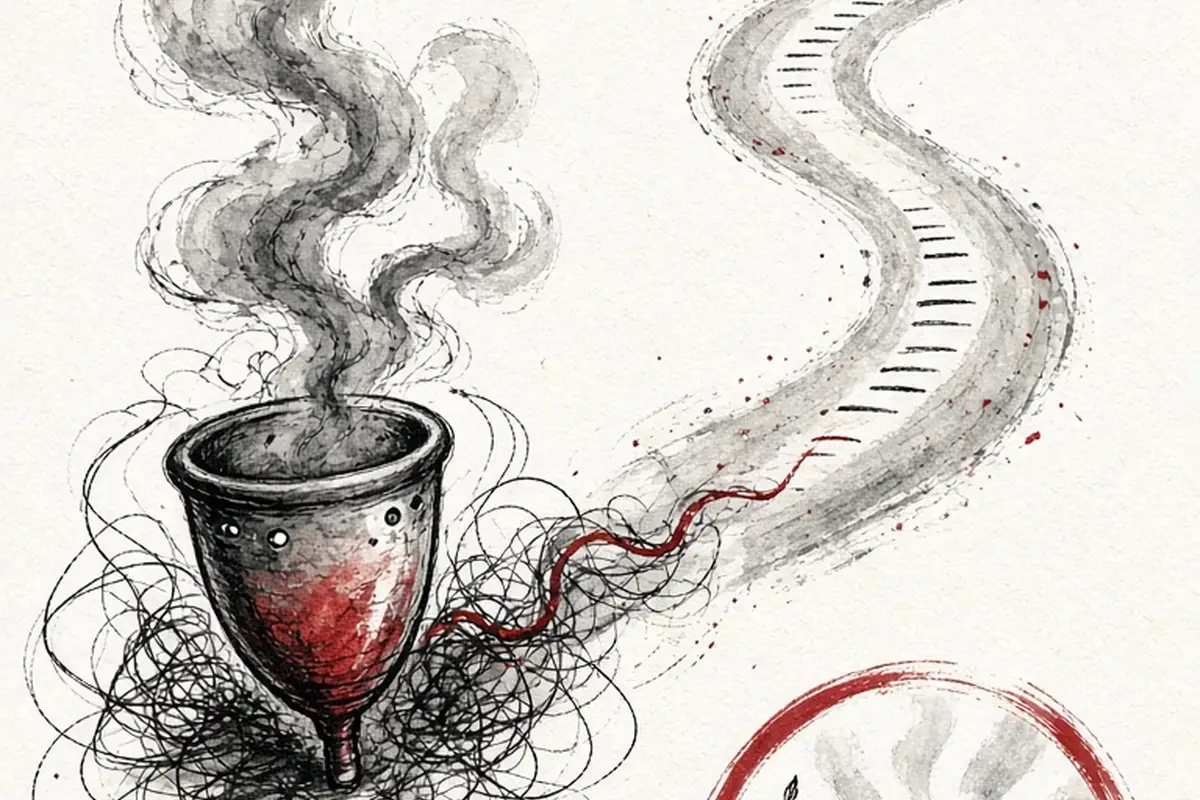
A foul or decaying odor on a menstrual cup usually happens when natural vaginal bacteria, menstrual fluid proteins, and microscopic debris bond to the surface of medical-grade silicone. This typically occurs after prolonged continuous wear, improper washing with hot water before rinsing off blood, or incomplete sanitization between cycles. Deep cleaning with gentle methods can usually remove the odor completely.
Discovering a sudden, intensely pungent smell on a menstrual cup can feel alarming and discouraging. Fortunately, this issue is common, rarely means your product is permanently ruined, and can usually be resolved with proper cleaning techniques and standard menstrual hygiene adjustments.
How Silicone Pores and Menstrual Fluid Create Strong Odors
Medical-grade silicone and thermoplastic elastomers are naturally non-porous and resistant to bacterial colonization, but their surfaces are not entirely impermeable to microscopic organic matter. Menstrual fluid is a complex biological mixture composed of blood cells, discarded endometrial tissue, cervical mucus, and resident vaginal microorganisms. When this fluid sits against a cup inside the warm, moist environment of the vaginal canal, anaerobic bacteria begin breaking down the proteins and lipids present in the fluid. This natural breakdown process produces volatile sulfur compounds and amines, which are the exact chemical compounds responsible for strong, decaying odors.
Over repeated cycles, trace amounts of these aromatic compounds can adhere to microscopic surface imperfections on the cup. If the cup is washed immediately with scalding hot water while blood is still present, the heat can denature those proteins and essentially bake the odor into the outer layer of the material. Rinsing thoroughly with plain cool water first is essential because cold water prevents blood proteins from binding to the silicone matrix. Once the proteins set, standard mild soap and water washes often fail to reach the bound molecules, leaving behind a persistent scent that reactivates each time the cup is warmed by your body.
The Role of Wear Time and Bacterial Buildup
Wear duration plays a significant role in how quickly a cup develops an intense odor. Most manufacturers suggest emptying and washing a menstrual cup every eight to twelve hours. Leaving a cup inserted near or beyond the upper limit gives anaerobic bacteria ample uninterrupted time to multiply and metabolize the pooled blood. As the hours tick past, the concentration of byproducts increases dramatically, turning what might have been a mild iron-like scent into an overpowering foul odor that lingers even after emptying the contents into the toilet.
Light flow days can inadvertently worsen this issue because users often forget the cup is in place. When a cup remains inserted for twelve to fourteen hours with only a tiny amount of fluid, that fluid slowly oxidizes in a low-oxygen environment, creating a concentrated residue that clings stubbornly to the silicone walls and air holes. Emptying the cup on a consistent schedule, even on very light days, significantly reduces the opportunity for bacteria to produce stubborn odor-causing compounds.
Proven Sanitizing Methods to Neutralize Stubborn Smells
Restoring a smelly menstrual cup requires techniques that break down set-in biological matter without compromising the material integrity of the device. The most reliable first step is a thorough rolling boil. Place the cup inside a deep pot of boiling water for five to ten minutes, ensuring it floats freely inside a metal whisk or stays elevated from the bottom of the pot to avoid direct heat damage. Boiling kills surface microbes and helps loosen embedded residues, though severe odors might still require an additional oxidation step.
For lingering smells that withstand boiling, a diluted hydrogen peroxide soak is widely regarded as one of the most effective solutions. Submerge the cup in a clean glass container filled with a fifty-fifty mixture of three percent household hydrogen peroxide and cold water, or use undiluted three percent peroxide for severe odors. Let it soak for four to eight hours or overnight. Hydrogen peroxide acts as a potent oxidizing agent that dismantles the aromatic organic molecules without degrading medical-grade silicone. After soaking, wash the cup with gentle soap, boil it in fresh water for five minutes to remove any chemical traces, and let it air-dry completely.
Sunlight and Ventilation for Natural Deodorizing
Ultraviolet light is a powerful natural deodorizer and disinfectant that can help lift stubborn scents from silicone. After washing your cup thoroughly, place it on a clean windowsill where it can receive direct sunlight for several hours. The ultraviolet rays help break down the chemical bonds of lingering organic pigments and odor molecules while gently bleaching away stains. Make sure to flip the cup halfway through the day so all sides and internal crevices receive equal exposure to the sunlight.
Proper airflow is equally crucial during storage between periods. Never store a clean menstrual cup in an airtight plastic container, sealed zip bag, or damp bathroom cabinet. Storing a cup in an unventilated space traps ambient moisture, encouraging mildew and amplifying any faint baseline odors into intense smells over weeks of storage. Instead, store the cup in a breathable cotton drawstring pouch in a cool, dry area with adequate air circulation.
Cleaning Mistakes That Worsen Odor or Damage the Cup
In an effort to eliminate a foul odor quickly, many people turn to aggressive household cleaners that actually worsen the problem or pose health risks. Household bleach, dishwashing detergent, antibacterial hand soaps, rubbing alcohol, vinegar solutions, and scented body washes should never be used on a menstrual cup. Harsh chemical agents can degrade silicone, causing it to become brittle, sticky, or micro-pitted, which creates deeper crevices where bacteria and odors can hide permanently.
Furthermore, using scented cleansers or essential oils introduces residues that silicone absorbs readily. When the cup is reinserted, these trapped fragrances and oils can leach directly into the sensitive vaginal mucosal tissue, disrupting the delicate vaginal microbiome and causing severe irritation, contact dermatitis, or chemical vaginitis. Stick strictly to plain water, unscented oil-free specialty cup washes, boiling water, and regulated hydrogen peroxide soaks.
Distinguishing Cup Odor from Vaginal Infections
While a smelly cup is usually just a sign of aged blood and normal bacterial breakdown on silicone, it is essential to distinguish between product odor and a potential vaginal infection. If your vagina itself produces an unusual, fishy, or foul-smelling discharge during or after your period, the odor on the cup may be a secondary symptom rather than a cleaning issue. Bacterial vaginosis, yeast overgrowth, or trichomoniasis can alter the vaginal flora and fluid characteristics, creating a noticeable smell that transfers onto the cup immediately upon insertion.
Pay close attention to your body for additional symptoms such as vaginal itching, burning during urination, redness, swelling, or unusual clumpy, gray, or greenish discharge. If you notice any of these signs alongside the odor, set the cup aside and consult a healthcare provider for an evaluation. Treating an underlying infection with appropriate medical therapy is necessary to restore your natural flora, and continuing to use a cup during an active infection can cause repeated irritation or reinfection if not sanitized meticulously.
Clearing the Tiny Air Holes and Ridges
The tiny suction release holes situated near the rim of most menstrual cups are frequent collection points for old menstrual blood, tissue, and odor. Because water surface tension often prevents standard rinsing from flushing these small perforations, biological material can dry inside them, quietly festering cycle after cycle. Even if the main basin of the cup appears spotless, clogged air holes can produce a pungent odor every time the cup is handled or boiled.
To clean these holes effectively, fill the cup completely with lukewarm water, place the palm of your hand flat over the opening to seal it, and squeeze the base firmly. The resulting water pressure will force jets of water through all the air holes, pushing out trapped debris. Alternatively, use a soft, clean interdental brush or a toothpick very gently to dislodge stuck particles without puncturing or tearing the silicone material surrounding the holes.
Recognizing When It Is Time to Replace Your Cup
Quality menstrual cups made of medical-grade silicone can last anywhere from two to ten years with conscientious care, but they do not last forever. If your cup continues to emit a strong, unpleasant odor despite multiple peroxide soaks, sun exposure, and boiling sessions, the silicone may have reached the end of its functional lifespan. Over years of cyclic heating and mechanical stress, silicone surfaces can undergo microscopic degradation that traps odors beyond reach.
You should also replace your cup immediately if you notice physical signs of deterioration. These signs include a persistent powdery white film, localized stickiness, visible cracking, tearing around the rim or stem, or a permanent change in material stiffness. Using a degraded cup can compromise the seal, increase the risk of leaks, and potentially harbor bacteria in surface cracks, making replacement the safest and most comfortable choice.
Frequently asked questions
Can I boil my menstrual cup in the microwave to get rid of odors?
Yes, you can use a dedicated microwave-safe sanitizing container designed for menstrual cups, provided the cup is completely submerged in water. Microwave on high for three to five minutes until the water boils steadily, making sure the container is vented to avoid pressure buildup.
Why did my cup start smelling like death after just one use?
A sudden, intense smell after a single use typically happens if the cup was left in place for longer than twelve hours or if you had an undiagnosed shift in vaginal flora, such as bacterial vaginosis. Rinsing with hot water first can also lock the smell into the silicone.
Will soaking my cup in hydrogen peroxide make it unsafe for insertion?
A diluted three percent hydrogen peroxide soak is safe for medical-grade silicone when done occasionally. You must thoroughly wash and boil the cup in plain water afterward to ensure all residual peroxide is removed before reinsertion.
Does a bad smell mean I have Toxic Shock Syndrome?
No, a bad smell on your cup is not a direct symptom of Toxic Shock Syndrome (TSS). TSS is a rare, life-threatening bacterial condition characterized by sudden high fever, vomiting, diarrhea, dizziness, fainting, and a sunburn-like rash, which require immediate emergency medical care.
Your next step
Soak your smelly menstrual cup in a fifty-fifty blend of cold water and three percent hydrogen peroxide overnight, follow with a thorough cold rinse and a five-minute boil in plain water, and allow it to dry in full sunlight.