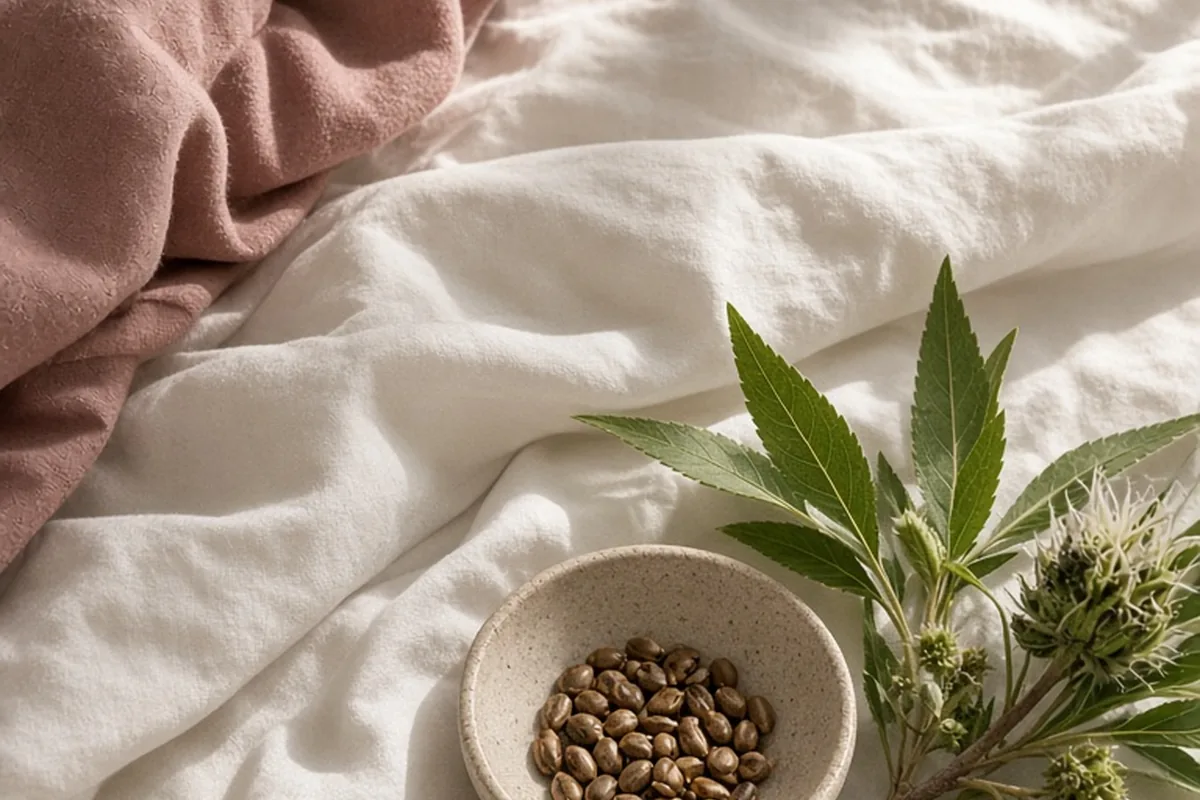
A female plant produces seeds only after receiving pollen, which happens either through cross-pollination from a nearby male plant or through self-pollination caused by stress-induced hermaphroditism. When female flowers encounter viable pollen from outdoor air currents, clothing transfers, or intersex structures triggered by heat, irregular lighting schedules, or over-maturity, the plant shifts its energy from floral expansion into developing seeds.
Discovering unexpected seeds forming inside your female plants can feel discouraging, especially when you intentionally cultivated a crop for seedless flowers. Knowing how pollination occurs and why female plants develop reproductive organs allows you to isolate the root cause and safeguard future yields.
Accidental Cross-Pollination from External Pollen Sources
The most straightforward reason a female plant develops seeds is direct exposure to viable male pollen carried in from an outside environment. Dioecious plant species rely on wind, insects, or manual contact to move microscopic pollen grains from male staminate flowers to female pistillate structures. In outdoor garden settings, airborne pollen from an unmanaged male plant can travel significant distances, sometimes up to several miles under dry, breezy conditions, settling directly onto your flowering females without your knowledge.
Even indoor growers operating sealed grow spaces are vulnerable to external contamination. Pollen clings easily to fabrics, pet hair, tools, skin, and unfiltered ventilation intakes. For instance, inspecting an outdoor garden bed before walking directly into an indoor cultivation tent can introduce enough airborne pollen to fertilize multiple female colas. Installing fine particulate intake filters and changing clothes or washing hands before entering your garden space drastically reduces the likelihood of unintentional transfer, though it requires consistent daily discipline.
Photoperiod Interruptions and Light Leaks
When female plants are grown under controlled photoperiods, even minute disruptions to their uninterrupted dark cycle can trigger hormonal imbalances. Plants interpret continuous, stable dark periods as a seasonal signal to focus entirely on flowering. If light penetrates the growing area during these dark hours, the plant experiences acute circadian stress, causing it to enter a survival state where it produces male pollen sacs, often called anthers or nanners, alongside female calyxes.
A common example of photoperiod stress is a faint pinhole leak near a zipper, an illuminated indicator light on a dehumidifier, or checking on plants during their dark phase with a standard flashlight. Once a plant produces these intersex structures, the pollen they release is immediately adjacent to the female stigmas, resulting in rapid, localized self-pollination. To prevent this, conduct a thorough inspection inside your dark space with the exterior room lights on to identify and seal every possible light leak before the flowering cycle begins.
Environmental Stress from Temperature, Moisture, and Nutrients
Severe environmental swings place immense physical strain on a plant's vascular and metabolic systems. When ambient temperatures routinely spike above recommended thresholds, or when root zones experience persistent drought followed by heavy over-watering, the plant responds by initiating emergency reproductive measures. Because the plant registers severe stress as an existential threat to its lifespan, it attempts to pass on its genetic material before dying, leading to stress-induced intersex characteristics.
Nutrient toxicity and severe chemical imbalances also provoke this defensive reaction. For example, applying excessive amounts of synthetic blooming nutrients can cause severe root burn, salt accumulation, and pH drift, damaging root hairs and disrupting mineral uptake. This systemic shock frequently leads to the emergence of isolated male flowers within female buds. Maintaining stable root zone moisture, testing runoff electrical conductivity, and keeping canopy temperatures within an optimal, consistent range prevents this defensive reaction from taking hold.
Genetic Instability and Natural Intersex Predisposition
Not all seed production stems from human error or environmental failure; certain cultivars possess an innate genetic tendency toward hermaphroditism. Selective breeding that prioritizes specific aromatic or aesthetic traits over genetic stability can inadvertently carry recessive intersex traits. Plants with unstable lineages may produce male pollen sacs even under pristine, fully automated growing conditions where no measurable stress exists.
Cultivating feminized seeds from unstable parent stock carries a higher risk of this behavior. While feminized seeds eliminate the presence of standard male plants, poorly stabilized breeding stock can trigger spontaneous pollen sac production during mid-to-late flower. When choosing genetics, sourcing seeds from reputable breeders with proven track records of rigorous filial testing minimizes this risk, though no seed line is completely immune to random genetic expression under specific microclimates.
Late-Stage Flowering and Natural Rodelization
When female plants reach full physiological maturity and remain unharvested past their prime window, they often undergo a natural process known as rodelization. In nature, the primary biological purpose of a female flower is reproduction. If a female plant reaches the end of its life cycle without encountering male pollen, its declining hormone levels trigger the growth of emergency staminate anthers in a final effort to self-pollinate and preserve the genetic line.
This late-flowering mechanism is not a failure of cultivation but rather a normal evolutionary survival adaptation. For instance, leaving a flowering plant in the ground two to three weeks past peak trichome or pistil maturity frequently results in small, late-forming seeds near the base of older calyxes. Harvesting your crop when the majority of floral structures indicate peak maturity prevents the plant from entering this post-ripe stage where self-pollination naturally accelerates.
How to Identify Seed Formation Early in the Canopy
Catching early signs of pollination allows you to make informed decisions before your entire crop devotes its metabolic energy to full seed production. The first visual indicator of pollination is the rapid browning and retraction of the white pistils or stigmas. Within twenty-four to forty-eight hours of receiving pollen, the vibrant white hairs that catch airborne particles wither, curl inward, and darken prematurely compared to unpollinated flowers.
Shortly after the pistils wither, the underlying calyxes begin to swell noticeably, feeling firm and solid to a gentle touch rather than soft and spongy. If you gently dissect a swollen calyx during early formation, you will find a tiny, soft green ovule that will eventually harden into a striped seed coat over several weeks. Regularly inspecting the main nodes and interior bud clusters with a jeweler's loupe or magnifying glass helps you detect yellow pollen anthers before they open and spread throughout the garden.
Managing a Seeded Crop and Cleaning the Environment
If your female plant is already producing seeds, assess how far along the flowering cycle has progressed before taking corrective action. If seed formation is detected very early and caused by a few visible male anthers, carefully plucking those structures with sterilized tweezers dipped in water can limit further spread, as water immediately neutralizes pollen viability. However, if pollination is widespread, the plant will permanently redirect sugars toward seed development, resulting in lighter, less dense flowers.
After harvesting a seeded crop, deep cleaning your growing environment is mandatory before starting a new cycle. Pollen remains viable for weeks in dry environments if left undisturbed. Wash every interior surface, reflective wall, fan blade, and light fixture with a mild detergent and warm water, or a dilute bleach solution. Thoroughly wet-wiping the area completely deactivates lingering pollen grains, ensuring your next generation of female plants starts in a fully sterile, uncontaminated environment.
Frequently asked questions
Are the seeds produced by a stressed female plant worth keeping and growing?
Seeds resulting from stress-induced hermaphroditism carry a very high genetic likelihood of repeating that same intersex behavior. While they are technically female seeds, growing them often results in plants that easily produce pollen sacs under mild environmental fluctuations.
Can a seeded female plant still be harvested and used?
Yes, a seeded plant can still be harvested, dried, and processed once the floral material is properly separated from the seeds. While the overall resin production, density, and yield will be lower than an unseeded crop, the harvest remains usable for standard applications.
Does removing male anthers by hand stop seed production entirely?
Removing anthers by hand can reduce the amount of new seed formation if you catch them before they open and release pollen. However, because microscopic grains may have already drifted into neighboring calyxes, it rarely prevents all seed growth once the process has started.
Your next step
Inspect your flowering space in total darkness today to find and seal every light leak, then verify that your temperature, watering, and feeding routines remain completely stable throughout the rest of the cycle.