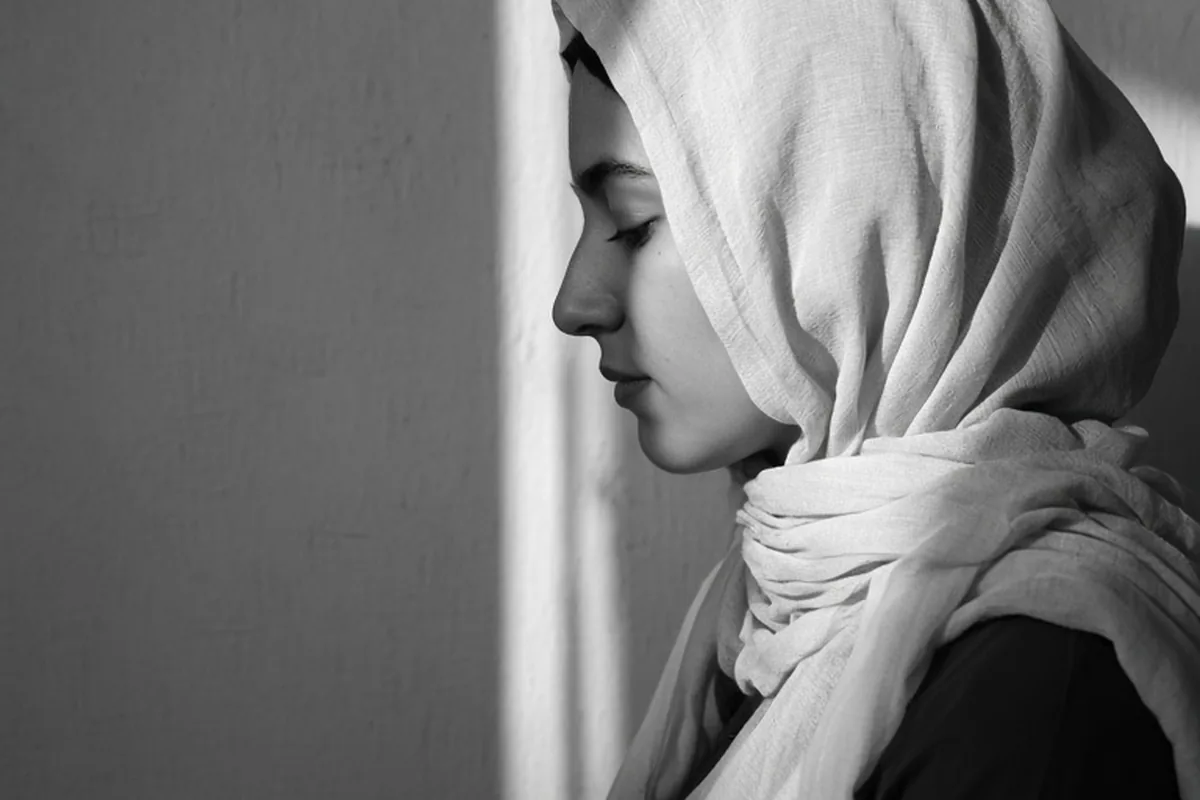
Women cover their heads to pray across diverse religious traditions as an act of humility, reverence, and spiritual devotion before God. In Christianity, Islam, and Judaism, the head covering serves as a physical symbol of modesty, scriptural obedience, and sacred focus. For many modern practitioners, covering the head creates an intentional boundary between the ordinary world and dedicated communion with the divine.
The practice of covering the head during prayer spans millennia, continents, and major world religions. While specific theological justifications and cultural expressions differ, the underlying motivation remains remarkably consistent: cultivating intentional reverence and honoring sacred connection.
Theological Roots in Abrahamic Faith Traditions
Head coverings during prayer are anchored in foundational religious texts and sacred commentaries across Christianity, Islam, and Judaism. In Christian tradition, the practice traces back to the New Testament, particularly the Apostle Paul's first letter to the Corinthians, where covering the head during prayer and prophecy is described as an outward sign of divine order, respect, and spiritual honor. For centuries, Christian women in Roman Catholic, Eastern Orthodox, Oriental Orthodox, and traditional Protestant communities wore chapel veils, mantillas, or simple headscarves whenever entering church sanctuaries or engaging in private devotion.
In Islam, covering the head and body during ritual prayer (Salah) is an established requirement grounded in the Quran and the Sunnah. When standing before Allah, both men and women observe specific codes of modest dress, with women wearing a hijab, khimar, or prayer garment that covers the hair, neck, and body. In traditional Judaism, hair covering (such as a tichel, snood, or sheitel) is worn by married women as an expression of tzniut (modesty) and covenantal commitment, frequently accompanied by specific head coverings during blessings and synagogue services. Across these distinct faiths, scriptural guidelines treat the head covering not as an arbitrary restriction, but as a deliberate posture of theological alignment.
Cultivating Humility and Sacred Focus
Beyond textual mandates, head covering serves a profound psychological and spiritual function: signaling a transition from the mundane concerns of daily life to sacred communion. The physical sensation of placing a scarf, lace veil, or fabric wrap over one's head serves as a tangible reminder to quiet the mind, release worldly pride, and adopt a posture of humility before the Creator. In many spiritual traditions, hair is associated with personal beauty, status, and worldly identity; voluntarily covering it during prayer redirects attention away from external appearance and inward toward the soul.
This intentional physical boundary also helps reduce visual and sensory distractions during prayer. For example, a draped fabric can gently soften peripheral vision, allowing a woman to concentrate entirely on liturgical readings, silent meditation, or spoken petitions. By covering the crown of the head, the worshiper physically embodies the understanding that she is standing in an elevated, holy presence where external accomplishments and social hierarchies no longer hold primary significance.
Preserving Cultural Heritage and Communal Identity
Covering the head during prayer often connects an individual to a living lineage of ancestors, mothers, and global communities of faith. For many women, wearing a head covering is an expression of solidarity with historical traditions that have survived across generations. In Eastern European Orthodox parishes, Mediterranean Catholic churches, Middle Eastern mosques, and traditional Anabaptist congregations like the Mennonites and Amish, the prayer covering is an enduring communal norm that reinforces shared spiritual values.
However, communal practices can also create social expectations that require thoughtful personal navigation. While donning a prayer veil or scarf can evoke a comforting sense of belonging and intergenerational continuity, women occasionally experience tension if their personal spiritual timeline differs from the prevailing norms of their immediate community. Embracing the practice as a positive expression of communal heritage works best when it stems from authentic individual understanding rather than purely social conformity.
Types of Prayer Coverings and Practical Selection
The garments used for prayer vary widely based on tradition, regional climate, and personal aesthetic preference. In traditional Christian settings, women often choose lace mantillas (available in triangular or infinity styles), classic silk scarves, or simple cotton wraps that drape easily over the shoulders. In Islamic practice, one-piece or two-piece prayer dresses (often called isdals or prayer abayas) and breathable jersey or chiffon hijabs provide full, comfortable coverage that remains secure throughout physical prostrations.
When choosing a prayer covering for regular use, comfort and practicality are essential factors to consider. A covering that slips easily, traps excessive heat, or requires frequent readjustment can disrupt prayerful concentration. Selecting lightweight, natural fabrics like cotton, linen, modal, or soft lace ensures ease of wear during both brief daily devotions and extended worship services.
- Lace mantillas and chapel veils: Common in traditional Catholic and Orthodox Christian devotion, lightweight and easy to fold into a purse.
- Fitted prayer garments and isdals: Designed for seamless coverage during Islamic Salah, accommodating standing, bowing, and prostration.
- Tichels, turbans, and fabric wraps: Worn in Jewish and broader faith traditions, offering secure coverage with versatile styling options.
- Simple linen or cotton shawls: Multipurpose wraps that can be quickly draped over the head during home prayer or spontaneous devotion.
Navigating Personal Discernment and Modern Perspectives
In contemporary religious life, the choice to cover one's head in prayer is increasingly approached through the lens of personal spiritual discernment and autonomy. While some denominations view head coverings as an unbroken universal expectation, other modern communities view it as an optional devotional discipline or a historical custom specific to ancient cultural contexts. Consequently, women today often reflect deeply on their own convictions before deciding whether to adopt the practice.
For women who choose to cover in environments where the custom is rare, the practice can prompt questions or misunderstandings from peers who associate coverings exclusively with patriarchal pressure. Communicating clearly that head covering is an intentional, empowered choice of worship helps dispel misconceptions. At the same time, respecting those who choose not to cover ensures that worship spaces remain unified around shared faith rather than divided over external dress.
Practical Steps for Exploring the Practice
If you feel a personal inclination to explore covering your head during prayer, starting gradually in private devotion can provide clarity without external pressure. Beginning at home during quiet morning or evening prayers allows you to experience how the practice influences your focus, posture, and internal sense of reverence before introducing it in a public congregation.
As you explore, take time to study the specific theological texts and historical commentaries within your faith tradition, and consider speaking with trusted spiritual mentors or clergy. Testing different scarf styles and breathable materials at home will help you identify what feels natural, reverent, and supportive of your personal prayer routine.
Frequently asked questions
Is covering the head during prayer mandatory in all Christian denominations?
No, head covering is not mandatory across all Christian denominations today. While it remains a regular practice in Eastern Orthodox, traditional Catholic, and Anabaptist churches, most modern Protestant and mainstream Catholic communities treat it as a voluntary personal devotion.
What is the primary difference between a daily hijab and a prayer covering?
A daily hijab is worn in public spaces as part of everyday modest attire, whereas a dedicated prayer garment or prayer scarf is used specifically during ritual worship. Prayer coverings are often designed as loose, all-in-one garments that easily slip over ordinary clothing to ensure full coverage during prayer movements.
Can a woman start covering her head only during private prayer at home?
Yes, many women begin covering their heads exclusively during private home prayer to cultivate deeper personal focus and intimacy with God. You can choose whether and when to expand the practice to communal services based on your personal conviction and tradition.
Your next step
Take a moment to reflect on your own spiritual goals, and consider trying a simple, comfortable head covering during your next private devotional time to observe how it impacts your focus and reverence.