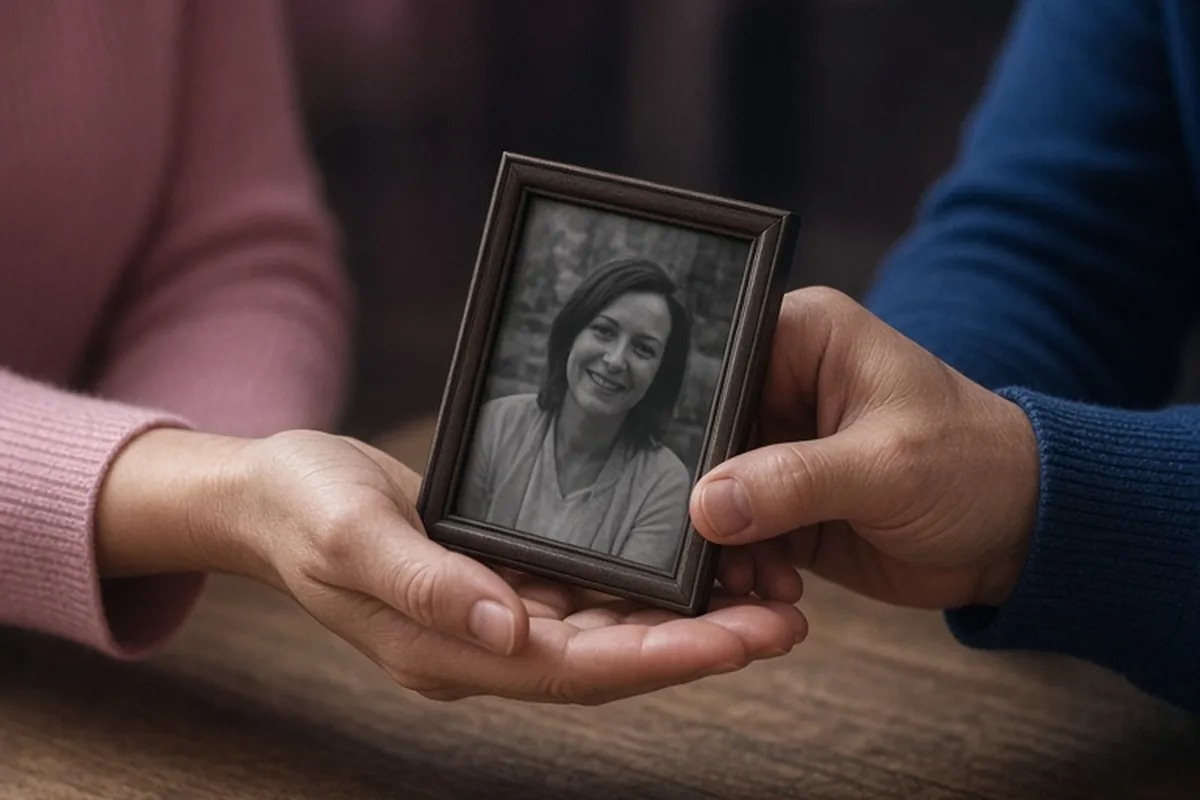
Widower dating requires balancing genuine compassion for past grief with healthy expectations for current availability. A widower ready for commitment speaks openly about his late partner without comparing her to you, introduces you to his community at a natural pace, and does not hide your presence. Successful midlife dating involves selecting platforms that emphasize verified profiles and maturity, maintaining separate living spaces until emotional readiness is certain, and discussing physical and financial boundaries early.
Dating someone who has experienced the death of a spouse is fundamentally different from dating someone recovering from divorce. Grief does not end on a tidy schedule, and entering a relationship with a surviving partner means understanding how love and remembrance coexist alongside new companionship.
Recognizing Emotional Availability in Widower Dating
A central challenge in widower dating is determining whether someone is truly seeking a new partner or simply looking for relief from acute loneliness. Men who lose long-term spouses often face sudden domestic and emotional voids. If a man enters the dating pool too quickly, he may unintentionally seek a caretaker to replicate his previous routine rather than an equal partner whose unique personality he wants to know.
Healthy emotional availability shows up in how he talks about his past and listens to your present. A ready partner can mention his deceased wife with affection and composure, but he is equally curious about your history, values, and daily experiences. Watch for balance: if conversations revolve exclusively around memories of his marriage, or conversely, if he refuses to mention his loss at all, he may still be processing the initial stages of bereavement. Readiness means he has created space in his life for an entirely new chapter.
Managing Memorials, Shared Spaces, and Family Hesitations
Entering the home of a widower often brings up immediate questions about physical boundaries and respect for the past. It is normal for a home to display family photos, sentimental keepsakes, and reminders of a decades-long life together. However, an environment that resembles a preserved memorial, where closets, vanity tables, and personal items remain untouched years after a loss, signals that the living space has not yet adapted to the present.
Family integration requires patience and firm self-respect. Adult children and extended in-laws may feel protective, confused, or resentful when their father begins dating again, viewing any new companion as an implicit replacement for their mother. A healthy widower validates his children's feelings while clearly establishing that his personal adult life is his own responsibility. You should never be asked to hide in another room, sneak out of the house, or keep your relationship secret to appease adult relatives.
Reviewing Mainstream Platforms for Midlife Singles: Match and eHarmony
When exploring widower dating online, mainstream services with extensive user bases offer the broadest reach. Match remains one of the most flexible options for singles in their fifties, sixties, and beyond because of its open search filters. Users can filter potential connections by lifestyle habits, religious background, relationship goals, and marital status, making it straightforward to find other widowed or mature singles. The primary trade-off is the self-directed nature of the app; members must actively filter out incompatible profiles, and pricing structures vary based on promotional timing and subscription length, requiring users to review renewal terms carefully.
eHarmony takes an alternative approach by relying on structured personality assessments and algorithmic matching. For widowers and women dating after major life transitions, this structure reduces the exhaustion of casual swiping by delivering a curated batch of candidates interested in committed partnerships. However, the guided communication model can feel restrictive for those who prefer browsing independently. Because subscription commitments on compatibility-driven sites often span multiple months with upfront billing, confirming account cancellation guidelines before purchase protects your budget.
Evaluating Senior-Focused Sites and Bereavement Social Networks
Singles seeking a peer group tailored specifically to mature relationships frequently consider age-focused services like SilverSingles or OurTime. SilverSingles uses a focused questionnaire designed for adults over fifty, narrowing matches down to individuals navigating similar life stages, retirement plans, and family circumstances. OurTime operates with a simpler interface that appeals to older daters who prefer low-tech navigation. While these platforms streamline age compatibility, their regional member pools can be significantly smaller in suburban and rural areas compared to general services.
Beyond commercial dating apps, many widowed individuals connect through structured grief support networks, community bereavement groups, and local social clubs. Organizations like Widowed Village or local community center meetups offer spaces where loss is mutually understood without explanation. It is crucial, however, to distinguish between a mutual grief support space and an intentional dating environment. Transitioning a relationship born out of shared sorrow into romantic dating requires evaluating whether the connection is anchored in common future aspirations or sustained solely by mutual grief processing.
Recognizing Online Romance Red Flags and Financial Protection
Widowers and midlife women seeking mature partners are frequent targets for predatory online scammers who exploit loneliness and vulnerability. Fraudsters often craft elaborate profiles posing as widowed professionals working abroad, such as engineers, military contractors, or aid workers. Common behavioral red flags include professing deep love within days, attempting to move conversations off the dating app onto encrypted messaging services immediately, and creating dramatic personal emergencies that require financial assistance.
Protecting your safety requires strict operational boundaries regardless of which platform you select. Never send money, wire transfers, cryptocurrency, or gift cards to someone you have not spent substantial time with in person. Schedule early dates in well-lit, public settings, arrange your own transportation, and verify basic biographical details through independent searches or video calls before deepening emotional involvement. A genuine partner respects reasonable precautions and never pressures you for personal financial disclosures.
Navigating Midlife Intimacy and Physical Changes After Loss
Rebuilding physical intimacy after the death of a spouse often brings surprising emotional hurdles. For a widower, intimacy can trigger unexpected pangs of grief, vulnerability, or ungrounded guilt, as if being close to someone new represents a betrayal of his late wife. Open, calm dialogue before becoming physical removes unspoken tension. Agreeing to move slowly and allowing either partner to pause without judgment keeps emotional security at the center of the experience.
Midlife dating also coincides with natural physiological changes that require mutual understanding and medical awareness. For women, the menopause transition brings hormonal shifts that can influence sexual desire, comfort, and physical well-being. According to the National Institute on Aging, menopause involves physical symptoms that are common and manageable when discussed openly with a qualified healthcare provider. Addressing physical comfort candidly with your clinician and your partner normalizes midlife bodily changes, replacing embarrassment with mutual care.
Further reading: National Institute on Aging: What is menopause?
Illustrative Scenarios
Setting Boundaries Around Preserved Living Spaces
Diane, fifty-six, began dating Thomas, a widower of three years who was warm, attentive, and consistent. When Diane visited his home for dinner, she noticed that his late wife's clothing, perfume, and daily planner still occupied the primary bedroom and bathroom vanity exactly as they had years earlier. Feeling like an intruder, Diane initially considered pulling away quietly to avoid a painful confrontation. Instead, she initiated a calm conversation, explaining that while she deeply respected his past, she felt uncomfortable spending time in a home preserved as a static memorial. Thomas realized he had avoided sorting personal belongings out of habit rather than ongoing paralysis. He agreed to prepare his living spaces for his current life, and they decided to spend their evenings at Diane's home while he worked through the process at his own pace.
Key point: Expressing your need for personal comfort without criticizing past memories allows a partner to demonstrate whether he is ready to accommodate you in his daily life.
Recognizing Pacing and Emotional Overcompensation
Robert lost his spouse of thirty years and signed up for an online dating site four months later to escape an empty house. He matched with Karen and immediately suggested weekend getaways, introduced her to his neighbors, and asked her to help redecorate his living room. Karen felt flattered by the intense attention but soon felt overwhelmed by the expectation that she step directly into a long-term partner role. Rather than complying to keep him happy, Karen explained that the relationship was advancing too quickly and insisted they slow their meetings down to one casual date per week. The boundary gave Robert the pause he needed to recognize he was attempting to replace his lost marital routine rather than learning who Karen was as an individual.
Key point: Slowing down a fast-moving relationship protects both parties from mistaking acute loneliness for genuine, long-term romantic compatibility.
Frequently asked questions
How soon is too soon for a widower to start dating?
There is no universal calendar for grief, but entering dating within the first few months often indicates an attempt to escape isolation rather than readiness for a partnership. A healthy timeline depends on whether he has developed independent daily routines, processed acute shock, and established emotional space for another person.
What is the most significant warning sign when dating a widower?
The most concerning red flag is being treated as a domestic or emotional stand-in. If he continually compares you to his late spouse, hides your relationship from his children, or expects you to conform to his previous household routines, he is not emotionally available for an equitable partnership.
How should dating platforms be chosen for midlife relationships?
Evaluate platforms based on demographic composition, verification features, and subscription terms. Broad apps like Match work best for those comfortable using filters, whereas curated services like eHarmony or SilverSingles suit individuals seeking structured matching with less daily profile browsing.
How can physical changes be addressed comfortably when re-entering dating?
Discuss physical pacing directly before entering intimate situations, emphasizing mutual comfort over performance. For midlife women, consulting a physician about common hormonal shifts or menopause-related changes provides evidence-based options that support personal comfort and confidence.
Your next step
Choose one dating platform that matches your preferred pacing, set up a profile that reflects your present personal interests rather than your past caretaking roles, and insist on meeting new matches in public settings.