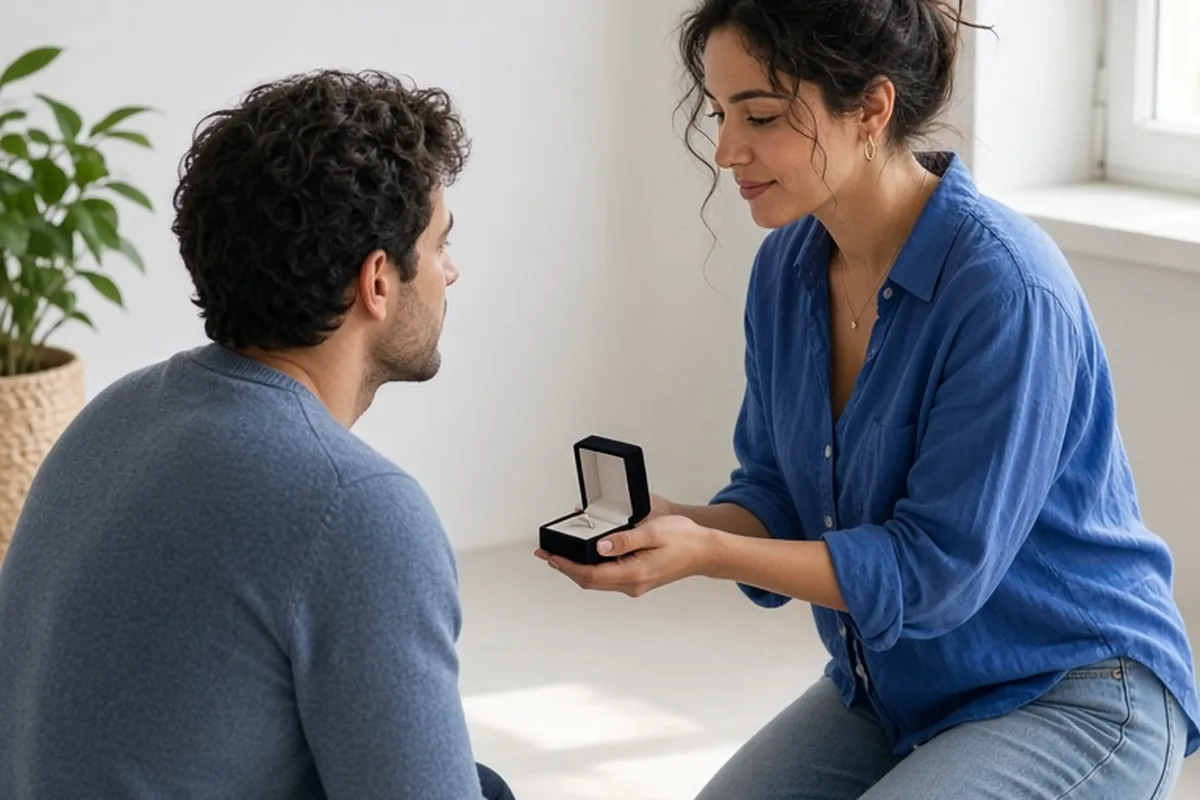
A woman can propose by first confirming shared long-term goals through open conversations about marriage, finances, and timelines. Once alignment is clear, choose a meaningful setting and a personal token or ring that reflects your partner's style. Proposing yourself breaks traditional gender scripts, creating an empowering, mutual declaration of commitment while ensuring both partners feel valued and respected.
While tradition often assumes men must initiate marriage proposals, more women are choosing to take the lead in formalizing their commitments. Stepping forward to ask your partner to marry you can be deeply romantic and empowering, provided you approach the milestone with mutual alignment, thoughtful communication, and care.
Assessing Mutual Readiness and Future Alignment
Before planning the logistics of a proposal, it is essential to ensure that both partners share the same vision for long-term commitment. A proposal marks the formalization of a mutual decision, not the start of a surprise interrogation about future goals. Healthy relationships thrive when both individuals have openly discussed critical life topics, such as marriage timelines, financial management, career aspirations, family planning, and where you want to live. Having these conversations beforehand establishes a secure foundation, ensuring that your gesture is met with genuine excitement rather than hesitation or confusion.
For example, instead of guessing whether your partner is ready for marriage, pay attention to how they discuss long-term plans in everyday contexts. You can initiate low-pressure check-ins by asking open-ended questions like, 'Where do you see our life heading over the next few years?' or 'What are your thoughts on marriage for us down the road?' If your partner actively includes you in their future visions, speaks positively about formal partnership, and demonstrates consistent emotional maturity, you have a solid foundation to move forward.
However, it is vital to recognize the realistic limit of a proposal. Asking someone to marry you should never be used as an ultimatum, a test of loyalty, or a tactic to accelerate a partner's personal readiness. If your partner has explicitly stated that they need more time, want to resolve specific personal milestones first, or hold reservations about marriage, taking the initiative to propose will not resolve those underlying discrepancies. True relationship readiness must be mutual to sustain a healthy, lasting engagement.
Navigating Gender Expectations and Partner Preferences
Society has historically conditioned people to expect men to initiate romantic milestones, from asking for a first date to planning a proposal. While modern partnerships increasingly prioritize equality and personal choice, these traditional scripts can still influence how individuals view proposal rituals. When a woman decides to propose, understanding her partner's personal comfort level with breaking traditional expectations is just as important as expressing her own feelings.
To gauge how your partner might feel about being proposed to, observe their perspective on traditional customs without creating an awkward confrontation. You might bring up a relevant news story or a mutual friend's engagement and casually ask, 'Would you ever enjoy being proposed to, or do you prefer being the one to plan that kind of moment?' This gives your partner space to voice their preferences honestly. Some partners feel deeply touched, relieved, and honored when their partner takes the initiative, while others may hold sentimental attachments to asking themselves.
If your partner feels strongly about planning the proposal, having this conversation does not mean you must sit back passively in silence. You can discuss alternative paths, such as planning a mutual proposal weekend where you both share meaningful tokens, proposing back to each other, or clearly communicating your readiness so they can move forward with confidence. Respecting each other's emotional attachments ensures the moment feels celebratory for both of you.
Choosing the Right Ring, Watch, or Meaningful Token
One of the most practical decisions a woman faces when proposing is selecting the physical symbol to present. While a traditional diamond solitaire is standard in many traditional proposals, proposing to a male or non-traditional partner often invites creative alternatives. The objective is to select a token that honors your partner's aesthetic preferences, daily lifestyle, and values rather than feeling constrained by conventional marketing.
Many women opt for a classic men's engagement ring crafted from durable materials such as titanium, tungsten, platinum, or gold. If your partner does not wear rings or works with their hands, alternative keepsakes can carry equal emotional weight. Consider a quality mechanical watch engraved with a meaningful date, a personalized piece of leather goods, a custom piece of artwork, or a shared travel experience. For instance, if your partner is an avid outdoors enthusiast, an engraved pocket tool, a durable silicone band, or a high-end compass may carry far more personal resonance than formal jewelry.
The primary consideration is practicality, sizing, and longevity. If you decide on a wearable ring or watch, confirm their measurements discreetly by checking an existing accessory or asking a close friend or relative for assistance. Keep in mind that you do not need to overextend your budget to make the gesture significant; the enduring value of the token lies in its intentionality and the shared future it represents.
Designing an Authentic and Tailored Proposal Setting
A memorable proposal reflects the unique personality and shared history of your relationship. When designing the environment, focus on what will make both of you feel comfortable, grounded, and emotionally present. Some couples thrive in social settings surrounded by family and friends, while others prefer quiet, private spaces where they can express deep vulnerability without public scrutiny.
Consider what atmosphere best supports genuine emotional connection. If your partner is naturally introverted or dislikes being the center of attention, a public spectacle at a crowded restaurant or sports venue could induce anxiety rather than joy. In contrast, preparing a thoughtful dinner at home, hiking to a secluded scenic overlook you both love, or revisiting the location of your first meaningful date provides privacy and intimacy. Conversely, if your partner loves community celebrations, you might organize a private proposal followed by a surprise gathering with loved ones nearby.
Focus on preparing a few sincere, heartfelt words rather than memorizing an elaborate script. Speak about the specific qualities you admire in your partner, the growth you have navigated together, and your vision for your shared future. Keeping your words rooted in authentic memories will make the experience profound, personal, and enduring.
Handling Family Dynamics and Social Reactions
Although women proposing is increasingly common, it can still elicit unexpected questions, traditional surprise, or unsolicited commentary from extended family members and social circles. Some well-meaning acquaintances may wonder why standard traditions were altered or question the partner's role. Preparing yourself mentally for diverse social reactions enables you to handle external scrutiny with calm self-assurance.
When sharing your engagement news, lead with pride and frame the narrative around mutual partnership and love. Confident statements such as, 'We both knew we wanted to build our lives together, and I was thrilled to plan this special moment,' establish a positive tone that discourages awkward debates. If older or more conservative relatives express confusion, responding with warm clarity about your shared happiness generally resolves tension without unnecessary conflict.
Discuss with your partner in advance how you both wish to share the announcement across social networks and family gatherings. Being aligned on how you present your story prevents misunderstandings, reinforces your solidarity as a team, and ensures that neither partner feels defensive or mischaracterized by outside opinions.
Processing the Response and Transitioning to Planning
After asking the question, allow your partner the emotional space to react naturally. In relationships with established mutual readiness, the response is typically an immediate and joyful acceptance. However, proposals can evoke strong emotions, including initial surprise, tears, or speechlessness. Giving your partner a moment to absorb the significance of your words without demanding an immediate, theatrical reaction keeps the exchange sincere and grounded.
Once the engagement is celebrated, take time to savor the milestone together before immersing yourselves in wedding planning logistics. Many newly engaged couples experience immediate pressure from external questions regarding dates, budgets, guest lists, and venues. Allowing yourselves a period of uninterrupted celebration protects the intimacy of the commitment you just made.
When you eventually begin mapping out wedding plans, carry forward the collaborative spirit that inspired your proposal. Discuss foundational priorities together, including budget parameters, ceremony scale, and timelines, ensuring that every step toward marriage remains rooted in equity, open communication, and shared responsibility.
Frequently asked questions
Is it socially acceptable for a woman to propose?
Yes, it is entirely acceptable and increasingly common for women to propose to their partners. Modern relationships focus on mutual commitment, equal partnership, and shared values rather than adherence to traditional gender expectations. The most important factor is that both partners are aligned on marriage and comfortable with how the milestone is celebrated.
What should I present to my partner instead of a traditional engagement ring?
If a traditional ring does not match your partner's style, consider thoughtful alternatives like an engraved luxury watch, a custom piece of jewelry, a durable silicone band, or a meaningful travel experience. You can also present a heartfelt written letter or sentimental keepsake that symbolizes your shared journey and future goals.
How can I tell if my partner is comfortable with me proposing?
You can assess your partner's comfort through low-pressure conversations about modern relationship dynamics, wedding customs, and how they envision major romantic milestones. Asking open-ended questions about engagement traditions provides clear insight into their preferences while keeping specific proposal plans private.
Does a woman need to get down on one knee when proposing?
Kneeling during a proposal is a personal choice rather than a mandatory rule. Some women appreciate the classic romantic symbolism of kneeling, while others prefer standing together, holding hands, or sharing an intimate seated conversation. Choose the physical gesture that feels most authentic and comfortable for your relationship.
Your next step
Schedule a relaxed, private conversation with your partner to discuss your mutual long-term vision, ensuring your future goals and timelines are fully aligned before you begin planning your proposal.