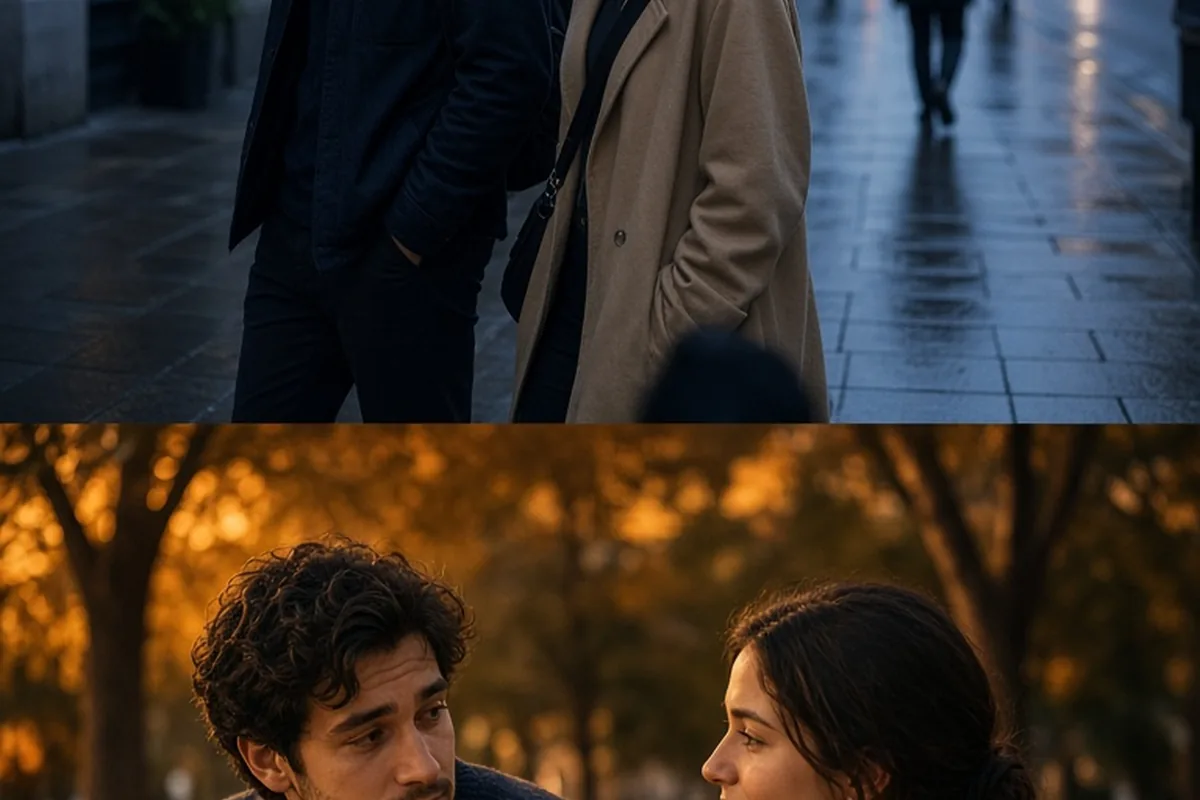
Young couples navigating early romance in everyday public spaces often face the challenge of balancing spontaneous affection with mutual comfort. Building a healthy connection on casual dates involves tuning in to unspoken boundaries, communicating intentions directly, and prioritizing shared presence over social performance. When both partners feel secure expressing affection at their own pace, casual outings naturally evolve into a grounded, respectful, and resilient bond.
Walking through a lively downtown street, sharing a quiet park bench, or exploring a neighborhood market can feel effortlessly romantic. However, early dating also introduces subtle questions about how to behave in public, how to gauge mutual interest without pressure, and how to transform casual outings into meaningful emotional intimacy.
Reading Comfort Levels with Public Affection
Public displays of affection represent one of the earliest tests of mutual comfort in a developing relationship. While holding hands on a busy sidewalk or sharing an arm around a shoulder feels natural to one person, it may trigger self-consciousness or discomfort for another. People carry distinct upbringings, cultural backgrounds, and personal comfort thresholds regarding visibility. Recognizing that a partner's hesitation in public does not automatically signal a lack of private attraction is essential for maintaining mutual confidence and preventing unnecessary misunderstandings.
To navigate these differences smoothly, observe physical cues rather than assuming universal rules. If your partner relaxes into a gentle touch, maintains open posture, or reciprocates hand-holding, they are likely comfortable with that level of physical closeness. Conversely, if they tense up, pull back subtly, or shift their posture away, ease off immediately without taking offense or making a defensive comment. A low-pressure check-in, such as asking if they prefer keeping things low-key around crowds, removes ambiguity while showing that you prioritize their comfort over outward appearances.
The primary trade-off in public affection lies between spontaneous expression and situational awareness. While expressing spontaneous warmth can deepen intimacy, being oblivious to your partner's surroundings or personal comfort can create social anxiety. Focusing on gentle, attuned touch rather than overt displays preserves the romantic spark while maintaining a secure environment for both partners.
Prioritizing Present Experience Over Social Performance
Modern street dates and social outings frequently carry an unspoken pressure to look aesthetically pleasing or capture the perfect digital record. When young couples spend significant portions of an evening finding flattering lighting, taking multiple photos, or checking how an outing appears online, they inadvertently pull attention away from the living person in front of them. The illusion of romance curated for an external audience often replaces genuine emotional engagement.
Cultivating real connection requires intentional presence. Instead of viewing a picturesque street corner or trendy cafe primarily as a backdrop for a post, treat the environment as a shared sensory experience. Notice the conversation, listen actively to your partner's stories, and engage with the rhythm of the city together. Taking a single photo to remember an enjoyable afternoon is entirely harmless, but putting your phone away immediately afterward signals that the person sharing your time holds far more value than online validation.
Choosing presence over performance does involve a trade-off: you may end up with fewer polished digital memories to show others. However, the emotional benefit is substantial. Couples who practice undivided attention during casual outings develop deeper trust, better conversational flow, and a clearer sense of mutual compatibility.
Why Walk-and-Talk Dates Build Lower-Pressure Intimacy
Traditional sit-down dinners often create an interview-like dynamic, where direct eye contact across a small table can amplify nervousness for both individuals. In contrast, walking through an engaging neighborhood, visiting a local flea market, or strolling along a riverfront naturally relieves social tension. Moving side by side reduces the intensity of continuous eye contact while providing constant environmental prompts that spark organic conversation.
To make the most of an active street date, choose routes that offer a mix of ambient energy and comfortable spaces to pause. A walk that transitions from a vibrant commercial avenue to a quieter park path gives you the flexibility to adjust the atmosphere based on how the conversation unfolds. If a topic becomes personal or contemplative, you can slow your pace or find a bench; if energy dips, stepping into a busy street market can reignite curiosity and laughter.
The limitation of active dates is that they can occasionally become physically tiring or distracting if the surroundings are too noisy. Checking in periodically to see if your partner needs a drink, a rest, or a quieter venue ensures that the outing remains relaxing and enjoyable for both of you.
Handling Unplanned Disruptions and Public Awkwardness
Even the most thoughtfully planned dates encounter friction. Street closures, unexpected rain, crowded venues with long wait times, or awkward interactions with strangers can disrupt the flow of an afternoon. How a couple handles these minor inconveniences offers a revealing preview of their ability to navigate real-world stress and problem-solving together.
When an outing goes off script, avoid reacting with visible irritation, blame, or frantic over-apologizing. Approaching unexpected obstacles with humor and adaptability transforms potential frustration into a shared memory. If a chosen cafe is closed, treating the detour as a lighthearted opportunity to find an unfamiliar alternative shows emotional maturity, steady confidence, and resilience under mild pressure.
The trade-off here is giving up the desire for rigid control over how the date should unfold. Embracing flexibility allows both partners to see each other's authentic temperaments, setting a foundation of mutual grace that will serve the relationship long after the initial dating phase.
Communicating Direct Intentions Without Ambiguity
Mixed signals often arise in early dating when one or both people rely on subtle hints rather than straightforward communication. A partner might wonder whether an afternoon spent exploring a city is a casual hangout between friends or a romantic date with genuine attraction. Leaving intent entirely unstated can lead to hesitation, second-guessing, and eventual disappointment for both sides.
Clarity does not require heavy, high-stakes declarations. A simple statement when inviting someone out, such as expressing that you would love to take them on a date, establishes clear romantic intent while respecting their agency to accept or decline. During the date, expressing genuine appreciation for their company or complimenting a specific trait reinforces your interest without crossing into overwhelming pressure.
While directness carries the minor risk of clarifying a mismatch in feelings earlier, it protects both individuals from wasting time or building false expectations. Clear, polite honesty preserves self-respect and allows genuine attraction to grow on a transparent footing.
Transitioning Early Spark into Sustained Emotional Trust
The excitement of walking through city streets and sharing casual dates is a wonderful phase of romance, but lasting connection requires moving beneath surface-level chemistry. As dates progress, the conversations need to expand beyond favorite places, music, and daily routines to include personal values, family dynamics, long-term aspirations, and life boundaries.
Fostering this transition requires balanced reciprocity. Share your perspectives honestly while creating a safe, non-judgmental space for your partner to share theirs. Pay attention to how well their actions match their words over time, and notice whether you both handle minor disagreements with curiosity rather than defensiveness. Sustainable romance is built not just on shared enjoyment of fun environments, but on dependable mutual respect and emotional safety.
Recognize that moving from casual dating to a committed relationship involves an intentional choice to accept each other's real complexities. Giving up the idealized fantasy of effortless romance allows for the creation of a durable, grounded partnership.
Illustrative Scenarios
Navigating Public Touch and Unspoken Discomfort
Julian and Maya were walking through a crowded arts district on their third date. When Julian reached out to hold Maya's hand, she briefly took it but let go a minute later when crossing into a busier square. Julian initially worried that Maya was losing interest or pulling away emotionally. Instead of withdrawing into silence or acting standoffish, Julian casually said over coffee that he wanted to make sure he was matching her comfort level in busy places. Maya shared that she felt self-conscious showing affection in large crowds, though she loved their one-on-one time. Understanding this, Julian kept their outdoor walks relaxed and low-pressure.
Key point: Clarifying boundaries with a calm, friendly question prevents unfounded assumptions and helps both partners feel respected in public settings.
Shifting Focus from Photos to Real Conversation
Devon and Chloe went on an evening walk through a scenic downtown waterfront. During the first hour, Devon found himself repeatedly stopping to take photos for social media and checking his notifications whenever there was a pause in conversation. Chloe's responses gradually became shorter, and the mood grew distant. Realizing that the environment had become a distraction, Devon placed his phone on silent, put it inside his coat pocket, and asked Chloe an open-ended question about a project she had mentioned earlier. The energy shifted immediately, and they spent the rest of the evening engaged in an animated, personal conversation.
Key point: Deliberately removing digital distractions signals respect and allows genuine conversational momentum to develop naturally.
Frequently asked questions
How can I tell if my partner is comfortable holding hands in public?
Pay close attention to whether their hand relaxes into yours or if their arm stiffens and pulls away. If you notice hesitation, gently release your hold and ask a simple question about whether they prefer low-key physical contact when out in public.
What should we do if our planned street date is ruined by bad weather?
Treat the sudden change in plans as a fun, spontaneous detour rather than a failure. Step into a nearby bookstore, coffee shop, or indoor arcade, keeping your attitude positive, lighthearted, and adaptable.
How do we move from casual street dates to a more serious relationship?
Gradually introduce deeper conversations about your core values, personal goals, and expectations for dating. When you consistently enjoy each other's company and observe mutual emotional reliability, initiate a clear conversation about exclusivity and commitment.
Your next step
On your next date, put your phone away in your pocket and focus entirely on observing your partner's comfort and listening to their perspective as you explore together.