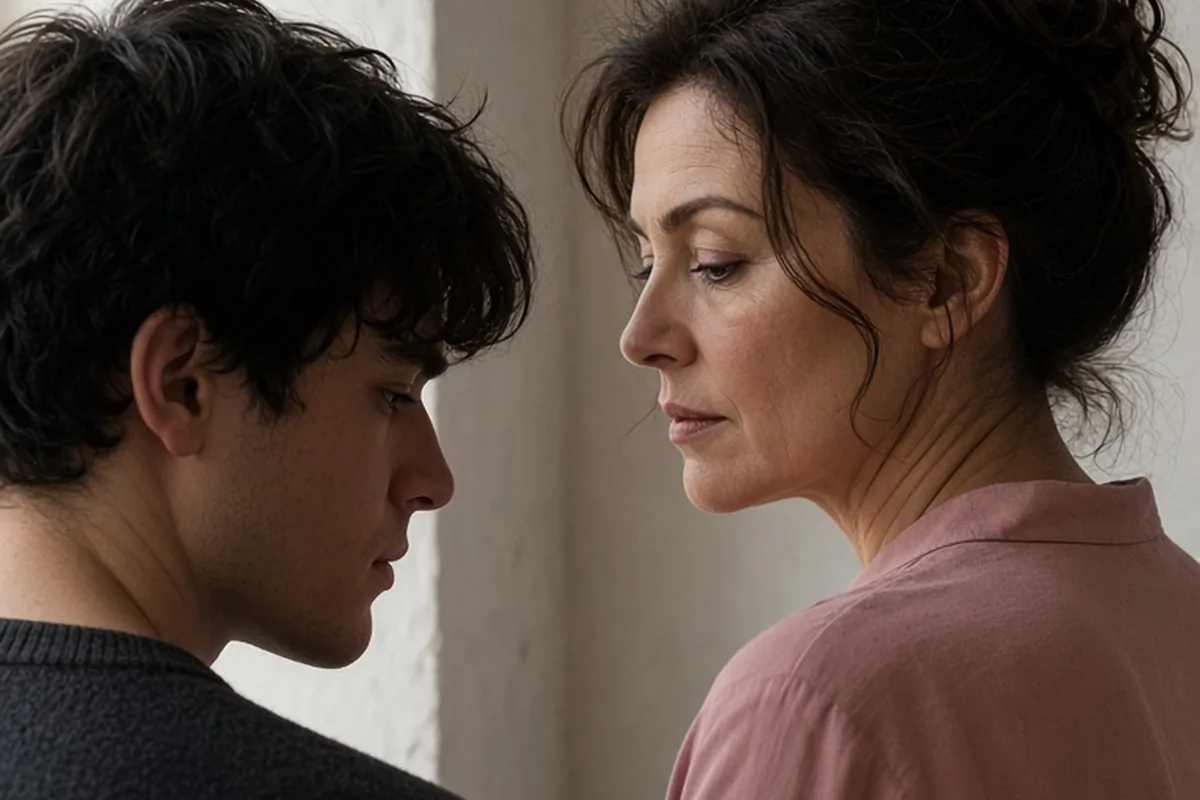
Movies featuring a younger man and an older woman explore the friction between emotional connection, societal double standards, and personal growth. Iconic titles like The Graduate, The Reader, Film Stars Don't Die in Liverpool, and The Idea of You illustrate how differing life stages challenge couples to cultivate authentic self-awareness, clear communication, and mutual respect rather than relying solely on intense physical chemistry.
From mid-century classics to contemporary streaming releases, cinema has repeatedly returned to the dynamic between older women and younger men to investigate power, desire, and autonomy. These films resonate because they strip away conventional dating scripts, forcing protagonists and audiences alike to evaluate what makes a partnership durable when society questions its legitimacy.
Classic Cinema and the Roots of the Age-Gap Narrative
Early cinematic depictions of relationships between older women and younger men often leaned into sensationalism, melodrama, or cautionary tales. In Billy Wilder's Sunset Boulevard, the dynamic between a faded silent-film star and a struggling young screenwriter is framed around dependency and illusion, highlighting the vulnerabilities of aging in an industry obsessed with youth. Decades later, Mike Nichols's The Graduate subverted suburban expectations by using Mrs. Robinson's seduction of Benjamin Braddock as a catalyst for his existential awakening, though the relationship itself remains characterized by emotional detachment and unresolved tension.
While these classic films capture the cultural anxiety surrounding non-traditional age pairings, they also established a recurring theme: the younger partner's search for direction intersecting with the older partner's desire for renewal. However, viewing these classic stories as relationship models has clear limits. They frequently treated the woman's desire as predatory or tragic rather than grounded in ordinary human connection. Recognizing this cinematic history allows modern viewers to appreciate how narrative portrayals have evolved from cautionary tales toward nuanced examinations of mutual affection.
Dramas of Forbidden Intimacy and Complicated Commitments
A major subgenre of age-gap cinema places older women and younger men within high-stakes, ethically complex environments. In Stephen Daldry's The Reader, a post-war romance between a teenage boy and an older woman serves as a devastating exploration of secrets, illiteracy, and collective guilt. Similarly, films like Adrian Lyne's Unfaithful or Anne Fontaine's Adore examine what happens when an intense age-gap affair intersects with marriage, family obligations, and community boundaries.
These dramas succeed because they treat the emotional connection as urgent and potent, yet they do not shy away from the consequences of avoidance and secrecy. In these stories, the relationship often founders not because of the age difference itself, but because one or both partners hide critical truths about their pasts or current commitments. For real-world relationships, the takeaway is clear: when an age-diverse bond begins in an atmosphere of deceit or compartmentalization, the emotional fallout inevitably strains the trust required to sustain a healthy partnership.
Modern Romances and Authentic Emotional Compatibility
Contemporary cinema has shifted toward grounded, empathetic portrayals where age is merely one facet of a multi-dimensional relationship. In Film Stars Don't Die in Liverpool, the true story of young actor Peter Turner and legendary actress Gloria Grahame illustrates genuine tenderness, shared artistic passion, and reciprocal care during illness. Meanwhile, romantic comedies and dramas such as Hello, My Name Is Doris and The Idea of You address the emotional bravery required to pursue a connection despite differing life milestones and media scrutiny.
These newer narratives demonstrate that shared humor, active listening, and mutual respect are far more predictive of connection than chronological age. For example, when a younger man appreciates an older woman's lived perspective without placing her on an idealized pedestal, both partners can interact as equals. The realistic trade-off shown in these films is that partners must actively align their future visions, as differing timelines regarding careers, children, or retirement cannot simply be glossed over with romantic optimism.
Deconstructing Power Dynamics on Screen and in Dating
Movies that feature an older woman and younger man frequently highlight questions of power, financial independence, and emotional authority. In films where the woman is financially established and the man is just starting his career, the narrative often explores the younger man's insecurity about his contribution and the older woman's reluctance to become a maternal figure. The healthiest pairings on screen avoid this trap when both individuals establish clear boundaries around autonomy and decision-making.
In practical terms, power imbalances in age-gap relationships are rarely about chronological years alone; they emerge from differences in financial leverage, life experience, and emotional maturity. A younger man who relies on his partner to manage his personal life invites resentment, while an older woman who dictates terms based on her seniority undermines mutual trust. A constructive approach requires both partners to acknowledge their differing stages of life while maintaining equal weight in shared decisions and relational conflicts.
Confronting Social Double Standards and External Scrutiny
One of the most persistent themes in age-gap films is the glaring double standard between older men dating younger women and older women dating younger men. Cinema routinely portrays older men in relationships with younger women as standard or aspirational, whereas older women are frequently subjected to gossip, suspicion, or the derogatory 'cougar' label. Films like Something's Gotta Give directly address this social hypocrisy by contrasting the easy social acceptance granted to older men against the defensive posture often forced upon older women.
Navigating this external scrutiny requires couples to build resilience together rather than letting outside opinions dictate their bond. When partners internalize judgment from friends, family, or colleagues, it creates unnecessary defensiveness within the relationship. Overcoming this friction involves openly discussing how public reactions make each person feel, deciding how to handle uncomfortable social interactions, and prioritizing the actual health of the partnership over external approval.
Translating Cinematic Themes into Healthy Real-World Connections
While movies often heighten dramatic conflict for entertainment value, the core relationship principles they depict offer practical wisdom for everyday dating. Films remind us that physical attraction can ignite an initial spark, but sustaining an age-gap romance depends on candid conversations about everyday realities, social circles, and future goals. Romanticizing the gap as an adventure wears off quickly when routine scheduling conflicts, differing energy levels, or divergent social circles arise.
To build a grounded relationship, partners should treat each other as distinct individuals rather than archetypes. A younger man should not view his partner through the lens of a glamorous mentor, nor should an older woman view her partner solely as an emblem of youthful vitality. Focusing on emotional safety, reciprocal vulnerability, and shared values allows both individuals to create a partnership rooted in reality rather than cinematic fantasy.
Illustrative Scenarios
Navigating Unequal Social Circles
Mark, 26, began dating Elena, 38, after meeting through a local community theater production. During a dinner with Elena's longtime friends, Mark felt out of place when the conversation turned to home ownership, investment portfolios, and past decades of industry changes. Feeling insecure, Mark initially withdrew into silence and later assumed Elena felt embarrassed by his presence. Elena, unaware of his discomfort, simply assumed he was tired. Instead of stewing in self-doubt, Mark shared with Elena that he felt unprepared for the social gap and wanted to find natural ways to participate. Elena validated his feelings, made a point to include topics they all shared during future gatherings, and reassured him that she valued his unique perspective.
Key point: Feeling out of step in a partner's established social world is common in age gaps; addressing the insecurity directly prevents silent resentment from undermining connection.
Managing Differences in Life Timelines
Marcus, 29, was in a committed relationship with Sarah, 42, who had already raised a teenager to high school and built a demanding career. When Marcus began feeling subtle pressure from his peers regarding traditional milestones like buying a starter home and having biological children, he avoided bringing up the subject, fearing it would end their relationship. The unexpressed anxiety caused Marcus to become emotionally distant during routine conversations. Recognizing the shift, they scheduled a dedicated discussion to talk through long-term expectations. Sarah openly shared her boundaries regarding parenting, while Marcus clarified what he genuinely wanted versus what he felt socially pressured to achieve. By speaking honestly, they reached an aligned plan that respected both of their priorities.
Key point: Avoiding conversations about future milestones out of fear only breeds emotional distance; clarity allows both partners to choose each other intentionally.
Frequently asked questions
What are the most common relationship challenges shown in older woman younger man movies?
Films consistently highlight differences in life stages, societal judgment, and imbalances in emotional or financial maturity. The stories show that long-term success depends on open communication and mutual respect rather than ignoring these differences.
How do modern age-gap movies differ from older Hollywood classics?
Classic films frequently framed the older woman as predatory, tragic, or desperate, reflecting historical cultural anxieties. Modern cinema tends to treat both partners as complex, autonomous individuals pursuing genuine emotional compatibility and personal fulfillment.
How can couples in age-gap relationships handle disapproval from family and friends?
Couples can manage external skepticism by establishing strong internal boundaries and presenting a united front. Focusing on mutual care and open communication helps insulate the partnership from outside opinions.
Does a large age difference usually create an unhealthy power dynamic?
An age gap alone does not determine power balance; emotional maturity, communication habits, and financial transparency do. When both partners respect each other's autonomy and make decisions together, an age-diverse relationship can remain balanced and equitable.
Your next step
Choose one film mentioned above to watch together or on your own, and use its central themes to reflect on how you communicate your expectations, life goals, and boundaries in your dating life.