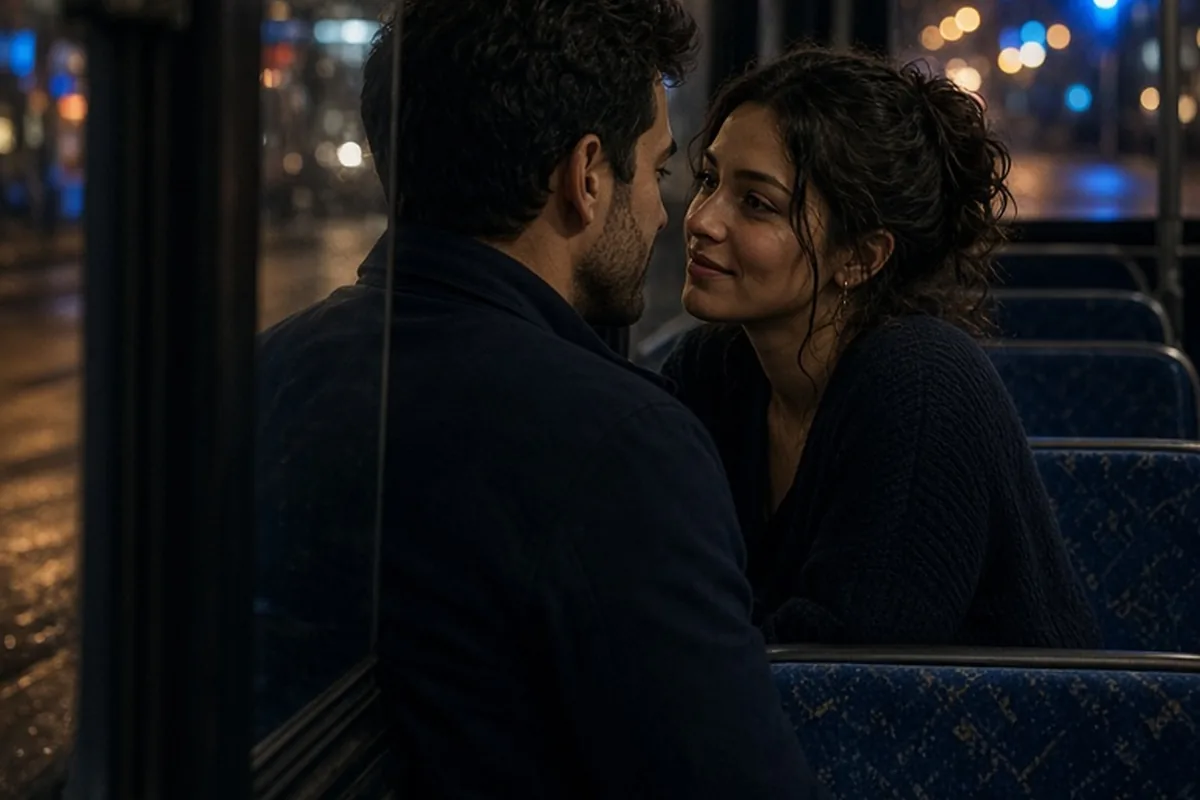
Couples can enjoy romance in public places by focusing on quiet connection rather than dramatic displays. Engaging activities include wandering an unfamiliar market together, sharing subtle physical touches like a hand on the small of the back, whispering inside jokes in lively venues, listening to street music, browsing a bookstore together, and setting up an outdoor picnic. These shared experiences build mutual warmth while respecting community spaces.
Stepping into public spaces together allows partners to move beyond routine domestic environments and experience romance within the dynamic energy of everyday life. Shared public experiences do not require grand gestures or overt spectacles; instead, the most meaningful moments usually arise from quiet attentiveness, intentional curiosity, and finding pockets of shared privacy surrounded by the world.
Embracing Subtle and Grounded Physical Touch
Romantic touch in public spaces is most powerful when it remains understated, communicative, and natural. Unlike dramatic physical displays that can make onlookers uncomfortable or feel performative, micro-gestures convey authentic tenderness and reassurance. A deliberate touch on the forearm during an animated conversation, resting a hand gently on your partner's knee beneath a small cafe table, or guiding them through a crowded sidewalk with a light hand against the small of their back communicates mutual attentiveness. These movements quietly reinforce your physical bond while maintaining social decorum.
To practice this effectively, pay attention to rhythm and context rather than continuous contact. Interlocking fingers while walking through a botanical garden or slipping your hand into your partner's coat pocket on an autumn evening feels spontaneous and comforting. A practical limitation to keep in mind is environmental density and social context; what feels warm and gentle in an open park may feel intrusive or physically inconvenient in a cramped subway car or an austere professional gallery. Balancing touch with spatial awareness ensures both partners feel secure and considerate of their surroundings.
Wandering Through Local Markets and Open-Air Fairs
Exploring an open-air farmers market, artisan fair, or weekend flea market creates a lively backdrop that stimulates shared curiosity. Unlike formal sit-down dinners where partners face each other across a fixed table, walking through a market invites dynamic exploration side by side. Partners can sample regional cheeses, debate the scent of handmade soaps, or admire unusual vintage housewares. This shared sensory experience prompts organic conversations that rarely emerge during typical household routines, revealing new facets of each other's tastes and childhood memories.
Consider visiting a neighborhood market on a Saturday morning with no strict shopping list. You might select a fresh loaf of sourdough from one stall, a wedge of fruit from another, and find a nearby stone step to split the snack while watching the morning crowd pass by. The trade-off with bustling markets is sensory overstimulation; loud vendors and dense crowds can drain introverted partners quickly. Choosing early morning hours or agreeing in advance to take breaks away from the main thoroughfare keeps the outing energizing rather than exhausting.
Curating an Intimate Outdoor Reading or Picnic Spot
Public parks, botanical reserves, and civic arboretums offer expansive green spaces where couples can establish a comfortable, self-contained retreat. Setting up a picnic blanket beneath a leafy canopy provides a defined boundary of calm within a public commons. In this environment, partners can engage in parallel leisure—such as reading books alongside one another—or take turns reading aloud from a shared collection of essays or poetry. The ambient rustle of leaves and distant laughter of park visitors create a soothing soundtrack that encourages relaxed vulnerability.
Pack a simple spread that requires minimal assembly, such as chilled fruit, sliced baguette, and a thermos of herbal tea or iced coffee. One partner might rest their head in the other's lap while discussing an interesting passage from a book or simply observing the shifting patterns of clouds overhead. A practical limit to this activity is seasonal weather and terrain conditions. Unplanned insect activity, damp ground, or intense midday heat can quickly undermine romance, so carrying a water-resistant blanket, checking the weather forecast, and selecting a shaded spot are practical essentials.
Cultivating Shared Secrets and Whispered Humor in Lively Venues
A profound sense of romance can be found in the contrast between a bustling, loud venue and an intimate, private conversation. In crowded settings like lively food halls, art gallery openings, or community theater lobbies, leaning close to whisper a funny observation or an affectionate remark establishes an immediate sense of shared solidarity. This auditory closeness draws partners into a private bubble, reinforcing the feeling that you are navigating the wider world together as an allied team.
For example, while standing near the back of a crowded community event, lean in gently to whisper an inside joke that only your partner understands, letting them feel your warm breath against their ear before you pull back to meet their eyes. The secret nature of the exchange heightens mutual focus and lighthearted romance. The essential boundary here involves empathy and intent: whispered humor should center on affectionate intimacy, mutual amusement, or playful observations, rather than mocking strangers or indulging in mean-spirited gossip, which tends to introduce cynicism into the connection.
Pausing for Impromptu Street Music and Public Art
Spontaneous appreciation of communal culture can transform an ordinary commute or casual stroll into a memorable romantic encounter. Cities and towns frequently host street musicians, acoustic buskers, brass quartets, and public kinetic sculptures. Instead of hurrying past these artistic installations to reach an itinerary destination, intentionally slowing your pace or stopping completely allows you to absorb the cultural moment together. Pausing to listen invites both partners to inhabit the present moment rather than focusing on future tasks.
If you encounter a skilled violinist or acoustic guitarist on a public plaza or waterfront promenade, stop, step slightly out of the main pedestrian stream, and gently wrap your arm around your partner's waist. Swaying softly in place for the duration of a single song offers the intimacy of a slow dance without requiring a formal dance floor. Before moving on, drop a tip into the performer's case as a shared gesture of gratitude. Be mindful not to block walkways or linger so close to the performer that you disrupt their working space, maintaining clear courtesy toward everyone sharing the area.
Browsing Independent Bookstores and Vinyl Shops Together
Cultural retail spaces such as independent bookstores, record shops, and antique paper archives provide rich intellectual and emotional stimulation. These venues offer built-in conversation starters spanning literature, art, history, and personal nostalgia. Wandering narrow wooden aisles side by side lets partners browse distinct sections while remaining in close proximity, occasionally crossing paths to present an intriguing title, a captivating photograph, or an album cover that sparks an autobiographical story.
Make an interactive game out of your visit by giving each other a relaxed task, such as finding a book that reminds you of your partner's personality or tracking down an album you loved during your high school years. Sitting together in a quiet corner armchair to read through the opening pages of a discovered collection allows you to learn more about each other's inner lives. Because bookstores and record shops are shared community resources requiring low ambient noise, keep your voices soft and treat the merchandise with care to maintain a considerate presence.
Navigating Public Boundaries and Comfort Levels
A healthy public romance requires emotional safety, which is achieved when both partners feel completely comfortable with their level of visibility. Comfort with public affection varies substantially based on personal upbringing, sensory sensitivity, cultural background, and local community norms. What feels like an affectionate gesture to one partner might induce stress or embarrassment in another if they feel overly observed. Attunement to your partner's verbal and nonverbal cues ensures that public interactions remain a source of pleasure rather than social anxiety.
Establish an ongoing, low-pressure dialogue regarding public affection by asking straightforward questions, such as inquiring whether your partner prefers holding hands in certain neighborhoods or enjoys quiet dates over busy festivals. If your partner gently pulls away or stiffens in a particular setting, respond with calm understanding rather than defensiveness or hurt feelings. Prioritizing your partner's peace of mind builds deep interpersonal trust, confirming that your displays of affection are centered on genuine connection rather than an urge to perform for an audience.
Frequently asked questions
What separates healthy romantic behavior in public from disruptive affection?
Healthy public affection focuses on connection and mutual comfort without drawing excessive attention or disrupting bystanders. Subtle touches, holding hands, quiet whispers, and shared laughter enhance connection while respecting communal spaces. In contrast, intense, prolonged kissing or overtly sexual touching often makes onlookers and service staff uncomfortable and ignores social etiquette.
How can couples who are shy or introverted enjoy romance in public?
Shy partners often feel most at ease in low-density public environments such as art museums, botanical gardens, or quiet independent bookstores on weekday afternoons. These spaces offer plenty of visual interest and personal breathing room, allowing couples to feel connected without navigating overwhelming crowds. Focusing on shared activities rather than open physical displays can also reduce self-consciousness.
What should you do if your partner is uncomfortable with public displays of affection?
The most supportive response is to respect their boundary immediately without showing resentment or pressuring them to conform. Have an open conversation in private to understand their comfort levels, which may stem from upbringing, sensory processing, or personal boundaries. Focus your public dates on shared visual experiences, rich conversation, and engaging activities where physical contact is not the primary measure of intimacy.
Your next step
Choose one quiet public activity this week, such as visiting an independent bookstore or taking an evening stroll through a neighborhood park, and focus your attention entirely on shared conversation and understated gestures.