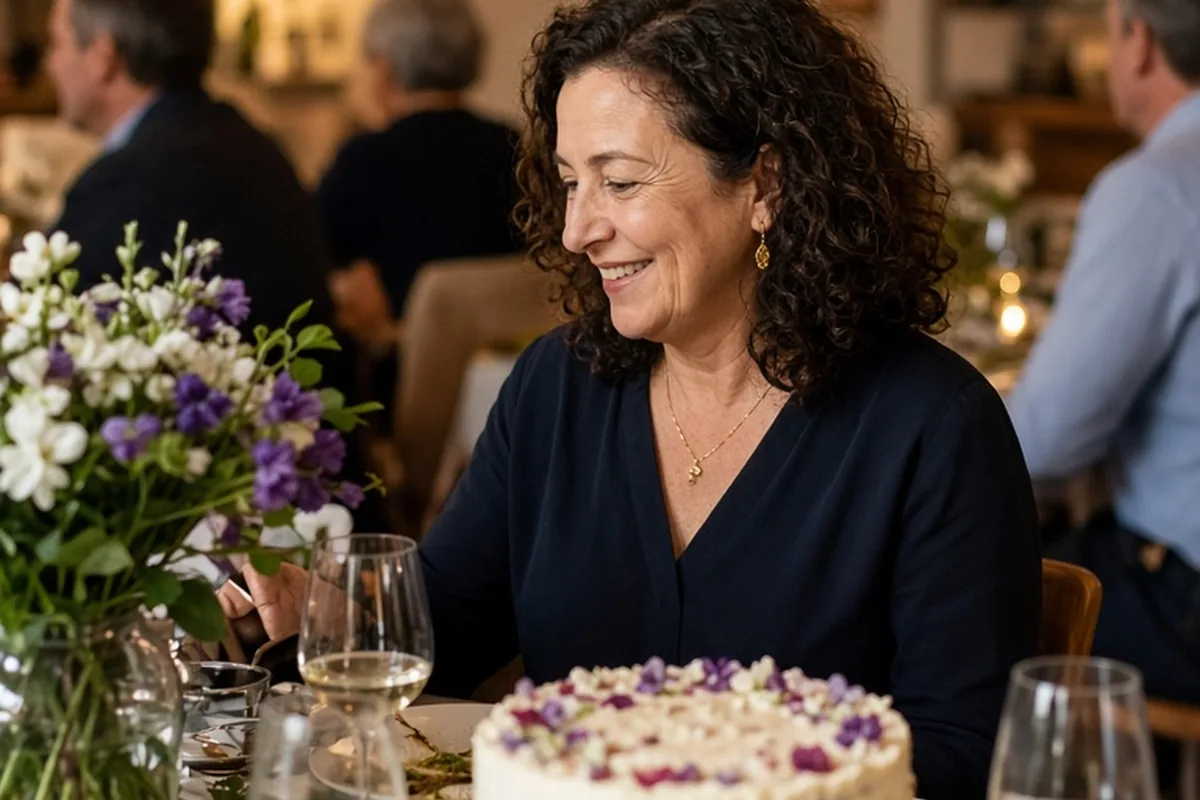
Meaningful 60th birthday ideas center on the honoree's personality, balancing nostalgia with present enjoyment. Popular options include private multi-course dinner parties, curated multi-generational weekend trips, legacy tribute books filled with letters from lifelong friends, and relaxed open-house receptions. The most successful events prioritize meaningful connection over rigid itineraries, matching the social stamina and specific tastes of the guest of honor rather than feeling obligated to follow generic milestone expectations.
Reaching a sixtieth birthday represents a distinctive milestone where life experience, enduring relationships, and personal identity take center stage. While some people crave a vibrant room filled with dozens of friends from different life chapters, others prefer quiet celebrations surrounded by immediate family. Navigating the planning process requires moving past generic party formulas and tailoring every detail to what brings genuine delight to the celebrant.
Aligning the Format with the Honoree's Social Style
The first step in planning a sixtieth birthday is identifying how the individual genuinely prefers to recharge and connect. By this stage in life, most people know what social environments they find rewarding and which ones feel draining. A person who loves storytelling and deep conversation often struggles at a noisy venue where they cannot hear their guests. Conversely, someone who thrives in large groups may feel restricted by a small, formal seating arrangement.
To find the right direction, consider their typical weekend habits and favorite past events. If they frequently host backyard barbecues, an upscale outdoor dinner with string lights and acoustic music maintains that casual comfort while feeling elevated. If they prefer privacy, a discreet gathering avoids the awkwardness of being put on display. The primary trade-off of tailored planning is letting go of outside expectations, particularly when relatives push for an extravagant gathering that the celebrant would find exhausting.
Have a direct, gentle conversation with the celebrant well in advance unless a surprise is explicitly welcomed. Ask them to name two or three elements that matter most, such as having their grandchildren present, enjoying exceptional food, or hearing from old friends who live far away. Establishing these priorities early provides a steady compass for every subsequent planning choice.
Elevating Food and Wine Through Private Dining Experiences
A private culinary gathering provides a sophisticated atmosphere without the logistical headaches of booking a massive hall. Reserving a private dining room at a beloved local restaurant or hiring a private chef to cook in a home setting offers an exceptional balance of intimacy and indulgence. This structure allows guests to linger over courses, share uninterrupted conversation, and toast the guest of honor without commercial dining room noise.
When designing a private dinner, curate the menu around foods that evoke positive memories for the honoree. A chef can create a tasting menu inspired by meaningful places, such as a favorite vacation destination or ancestral cuisine, paired with wines from significant vintages. To keep the atmosphere comfortable, coordinate dietary requirements discreetly ahead of time so the host is not managing logistical issues during the meal.
The trade-off with formal private dining is that guest capacity is strictly limited, which may require making difficult cuts to the guest list. Additionally, multi-course seated meals can feel overly formal for younger children. If the guest list includes toddlers or young kids, consider arranging professional childcare nearby so parents can fully engage while children remain well cared for.
Coordinating Multi-Generational Travel and Weekend Retreats
For many people turning sixty, quality time with extended family across generations is far more appealing than physical presents. Renting a large country home, a coastal lodge, or a mountain estate for a long weekend allows family members and close friends to interact at their own pace. Rather than cramming interactions into a three-hour party window, a shared weekend allows for casual morning coffee, afternoon walks, and unhurried evening campfires.
Successful group getaways rely on loose structure rather than rigid schedules. Plan one shared meal or central activity each day, leaving the remaining hours open for spontaneous rest, reading, or small-group outings. For example, you might organize a catered barbecue on Saturday evening, leaving Saturday morning completely free for hiking, visiting local farm stands, or napping. Provide bedrooms with adequate privacy, prioritizing quiet, ground-floor suites for the honoree and any guests who have mobility considerations.
The main drawback of destination celebrations involves differing travel budgets, conflicting school or work calendars, and travel fatigue. Organizers must be transparent about shared costs early to avoid financial discomfort. Be prepared for some invited guests to attend only a portion of the weekend, and embrace that flexibility as part of the gathering's relaxed spirit.
Designing Memory Projects and Sentimental Tribute Activities
Milestone birthdays provide a natural opportunity to reflect on life accomplishments, meaningful contributions, and lifelong relationships. Sentimental tributes carry immense emotional resonance when executed with genuine warmth and care. Unlike generic gag gifts or tired novelty items that focus solely on aging, personalized memory projects create lasting keepsakes that the recipient can revisit for years to come.
A particularly impactful idea is a curated tribute binder or hardbound book containing handwritten letters, photographs, and reflections gathered from childhood friends, former colleagues, and relatives worldwide. You can coordinate this privately by sending prompt questions to contributors, such as asking for a favorite memory of the honoree's kindness, a shared humorous adventure, or a life lesson learned from them. Presenting this volume during the celebration gives the honoree an enduring record of their influence.
When planning tributes, exercise restraint and respect the celebrant's emotional comfort zone. Public roasts, excessively sentimental speeches, or prolonged video montages can quickly make an introverted honoree feel self-conscious. Keep scheduled speeches short, limiting toasts to two or three speakers who can deliver engaging, heartfelt reflections without monopolizing the event.
Hosting Casual Open Houses and Flowing Receptions
If the honoree possesses a wide and diverse social circle spanning colleagues, neighborhood friends, extended family, and hobby partners, an open-house format is often ideal. Rather than requiring everyone to arrive at once for a structured program, a fluid four-to-six-hour window allows acquaintances to drop by comfortably, share warm congratulations, and mingle without formal pressure.
To make an open house work smoothly, arrange food and drink stations throughout the venue rather than in a single central line. High-quality grazing boards, passed appetizers, and self-serve beverage bars prevent bottlenecks and encourage guests to move naturally through the space. Playing a curated playlist that spans five or six decades of meaningful music provides consistent ambiance while remaining quiet enough for effortless background conversation.
The primary challenge of an open house is host endurance. Standing and greeting guests for several continuous hours can be physically exhausting for the celebrant. Build in comfortable seating vignettes where the honoree can sit comfortably while guests cycle through to chat, and designate a close friend or family member to replenish their drink and plate throughout the event.
Planning Experiential Pursuits and Active Outings
Many sixty-year-olds prefer experiential gifts and adventure over traditional party formats. An experiential celebration centers on doing something unique, exhilarating, or creatively inspiring. Depending on their personal interests, this could involve a private chartered sailing excursion along the coast, a hot air balloon flight, tickets to an iconic theatrical production, or an intensive private cooking class with a renowned pastry chef.
To execute an experience-based celebration, invite a small, cohesive circle of companions who share an authentic enthusiasm for the activity. For instance, if the celebrant is an avid golfer, booking a round at a world-class course accompanied by their regular foursome, followed by a clubhouse dinner, transforms a regular hobby into an unforgettable tribute. The shared activity naturally generates conversation and excitement without requiring artificial party games.
The trade-off lies in physical capability and weather dependency. Outdoor excursions require reliable backup plans in case of rain, wind, or excessive heat. Always verify that every participant can comfortably handle the activity's physical demands, keeping the itinerary focused on relaxed enjoyment rather than strenuous endurance.
Managing Timelines, Budgets, and Delegation
Coordinating a memorable milestone celebration requires clear organization and early communication to prevent last-minute stress. Milestone celebrations often draw guests from across state lines, meaning calendar dates should be locked down at least three to four months ahead. When multiple family members or friends collaborate, assigning specific roles prevents duplicated effort and overlooked details.
A practical approach is dividing responsibilities into distinct operational areas. One person oversees venue and food arrangements, another coordinates guest communications and RSVPs, and a third manages sentimental elements like photo albums or tribute collections. Sharing a digital document keeps everyone aligned on task progress and vendor deadlines.
Follow a clear planning timeline to keep the preparation manageable and calm:
- Three to four months prior: Finalize the core concept, determine budget parameters, secure venues or accommodations, and send save-the-date notifications.
- Six to eight weeks prior: Send formal invitations with clear RSVP deadlines, dietary collection notes, and guidance regarding gifts.
- Four weeks prior: Confirm caterers, photographers, musicians, or activity vendors; reach out to guests who have not yet submitted tribute letters.
- One to two weeks prior: Finalize headcounts, draft the day-of timeline, assign on-site tasks, and confirm all travel arrangements.
- Day of the celebration: Delegate setup and greeting duties so the celebrant and primary organizers can remain present and unhurried.
Frequently asked questions
What is the best way to handle gifts for a 60th birthday?
Many people turning sixty already have established homes and prefer to avoid accumulating more material possessions. Clearly state on the invitation that the presence of loved ones is the primary gift, or offer a specific alternative such as contributions to a memorable travel fund, donations to a favored charity, or a personal card with a written memory.
Should a 60th birthday party be a surprise?
Surprise parties should only be organized if you are entirely certain the honoree enjoys unexpected attention. Many adults prefer having input into their wardrobe, guest list, and party setting to feel confident and relaxed. When in doubt, surprise them with special touches or out-of-town guests during a known gathering rather than keeping the entire event a secret.
How can we honor a 60th birthday if guests live far apart?
If distance or mobility prevents loved ones from gathering in person, organize a structured digital tribute. You can compile video greetings through dedicated group video services or bind mailed letters and photos into a custom keepsake book to present on their birthday.
How long should a milestone birthday party usually last?
Most seated dinners and intimate gatherings run comfortably between two and three hours, while flowing open-house receptions typically span four to five hours. Setting a clear end time on invitations prevents social exhaustion and allows older or younger attendees to depart comfortably.
Your next step
Choose one central format that matches the honoree's true personality, draft your core guest list, and reach out to key attendees today to establish a celebration date.