Adventurous date ideas step beyond standard dinner reservations into novel, active, or slightly challenging shared experiences. Truly memorable outings range from high-energy outdoor activities like tandem sea kayaking and beginner bouldering to creative challenges like glassblowing workshops, night paddleboarding, or guided foraging walks. The most rewarding dates spark mutual curiosity, match both partners' physical comfort zones, and leave ample room for natural conversation without turning the outing into an exhausting physical trial or high-stakes endurance test.
When social outings lean exclusively on sitting across a table in noisy restaurants, conversations can easily slip into predictable interview patterns. Introducing an element of novelty shifts your focus from mutual self-scrutiny toward spontaneous collaboration, natural humor, and real-time discovery.
High-Energy Outdoor Thrills for Active Couples
If both of you enjoy moving, sweating, and spending time outside, active wilderness outings offer an immediate shared high. Booking a half-day whitewater rafting trip or renting a tandem sit-on-top kayak along a sheltered coastal bay places both people in a dynamic environment where teamwork happens organically. In a tandem boat or raft, you have to find a steady rhythm together, synchronize your strokes, and navigate moving water, which turns ordinary communication into practical, lighthearted coordination.
For dates closer to town, visiting an indoor bouldering gym or attempting a guided beginner via ferrata route delivers similar physical engagement without requiring remote backcountry logistics. Bouldering involves solving short climbing 'problems' on padded walls, providing natural breaks between brief bursts of effort. These built-in breathers give you space to rest on the mats, analyze routes together, cheer each other on, and swap stories without any pressure to climb continuously.
Outdoor adrenaline activities work best when both people actively opt into the physical demand beforehand. Surprising someone with a strenuous multi-pitch scramble or whitewater trip can backfire if they arrive in improper footwear, manage joint issues, or feel uneasy around heights or deep water. Always confirm interest in physical exertion, check gear requirements in advance, and confirm whether either person prefers an easy introductory clinic rather than an unguided excursion.
- Tandem sea kayaking in protected coastal bays or calm tidal estuaries
- Introductory indoor bouldering sessions with floor safety orientations
- Guided beginner via ferrata routes equipped with permanent safety cables
- Commercial whitewater rafting trips on Class II or III introductory rivers
Nighttime and Twilight Outings with an Atmospheric Twist
Adventure does not always require intense cardio; shifting the timing of an activity into twilight or total darkness can make familiar terrain feel extraordinary. Night kayaking or stand-up paddleboarding on calm inland lakes—especially during a full moon or bioluminescent algae blooms—creates an ethereal, hushed environment. Outfitted with headlamps, marine whistle safety kits, and deck lights, gliding through still water at dusk encourages quiet intimacy and unhurried conversation that daytime recreation rarely matches.
For an urban alternative, consider an off-peak historical walking tour focusing on local folklore, architectural oddities, or ghost stories through historic alleyways. Even if neither of you takes the supernatural seriously, walking through shadowy cobblestones, old canal paths, or dimly lit courtyards after dark provides a captivating, moody backdrop that sparks offbeat conversations about regional history and childhood superstitions.
Night outings require sensible attention to environmental variables such as rapid temperature drops, limited visibility, and facility closures. Stash spare wool layers, compact flashlights, and portable phone chargers in your vehicle or daypack. Choosing well-trafficked, permitted public parks or licensed tour operators ensures the outing stays memorable for the right reasons rather than turning stressful due to navigational confusion or personal safety concerns.
- Full-moon stand-up paddleboarding tours on flatwater lakes or estuaries
- Lantern-lit historical walking tours through older commercial or warehouse districts
- Stargazing excursions to designated dark-sky parks with a thermos of hot cider
- Rooftop observatory visits during public telescope viewing nights
Hands-On Artisan Workshops and Creative Challenges
Stepping into an artisan workshop offers a creative brand of adventure where both partners learn a specialized, tactile craft from scratch. Experiences like an introductory glassblowing session, blacksmithing workshop, or wheel-thrown pottery class take people out of cerebral headspaces and put them directly into physical contact with raw materials like molten glass, hot iron, or wet clay. The inherent novelty of working near a 2,000-degree furnace or shaping a spinning vessel demands present-moment focus and naturally breaks through stiff conversation.
These environments level the playing field because almost everyone struggles during their initial attempts. When a bowl wobbles off-center on the potter's wheel or an iron rod bends unexpectedly, shared imperfection invites humble, genuine laughter rather than curated performance. Observing how your date handles a minor creative setback or adapts to unfamiliar instructions reveals patience and humor in an authentic, unforced setting.
When choosing creative classes, prioritize single-session introductory workshops designed specifically for beginners. Avoid multi-week certificate courses that imply an ongoing obligation, and verify the studio's dress code beforehand. Many industrial arts studios strictly mandate natural-fiber clothing, closed-toe leather work shoes, and tied-back hair for personal safety around open flames and heavy tools.
- Introductory glassblowing sessions shaping paperweights or drinking tumblers
- Basic blacksmithing workshops forging a decorative wall hook or bottle opener
- Wheel-thrown ceramics workshops focusing on functional mugs or bowls
- Culinary workshops specializing in regional pasta making or artisan knife skills
Spontaneous Micro-Adventures on a Modest Budget
Epic experiences do not require high ticket fees, specialized guides, or pricey gear rentals. A micro-adventure is defined by intentional novelty within your immediate surroundings. One accessible choice is modern geocaching, which uses satellite coordinates and community clues to find hidden weather-resistant containers tucked into public urban parks, historical markers, and greenway trail systems. Searching for a magnetic micro-capsule behind an old stone bridge turns an ordinary afternoon walk into a genuine collaborative treasure hunt.
Another inventive option is 'public transit roulette.' Meet at a central train station or bus terminal, roll a pair of dice to determine how many stops you will ride along an unfamiliar transit line, and disembark to explore whatever neighborhood awaits you. Wandering through unfamiliar residential pockets, browsing local ethnic grocers, and sampling whatever small bakery you encounter first creates an engaging travel dynamic right inside your metropolitan area.
Micro-adventures work best when both participants embrace an experimental attitude and agree to view unexpected hiccups as part of the fun. If a selected transit stop leads to an industrial zone with few amenities, pivoting to the nearest botanical park or hopping on the return line without frustration keeps the mood buoyant. Low-cost exploration highlights resourcefulness, casual conversation, and spontaneous curiosity over rigid plans.
- GPS-based geocaching hunts through regional parks and urban greenways
- Transit roulette exploration using public light rail or bus lines to new neighborhoods
- Dawn summit hikes to watch the sunrise from an overlook with a portable coffee kit
- Self-guided architectural scavenger hunts through historic downtown commercial blocks
Matching Adventure Levels to Relationship Stages and Physical Limits
Not every adventurous date matches every stage of a blossoming connection. On a first or second date, choosing an all-day excursion in an isolated wilderness area can feel overwhelming, as neither person knows the other well enough to guarantee comfort during hours trapped together in transit or on a trail. Early dates benefit from what planners call 'modular adventures'—activities that are active and exciting, but situated within civilization and featuring clear, easy exit windows after ninety minutes.
For early dating, axe-throwing lanes, indoor roller-skating rinks, interactive art installations, or food hall crawls across town offer playful energy while allowing either person to end the outing smoothly if the vibe falls flat. Extended backcountry campouts, multi-pitch climbs, or remote road trips are better suited for established couples who already understand each other's communication styles, physical stamina, safety instincts, and emotional boundaries.
Honest self-assessment matters just as much as stage-matching. Proposing an intense mountain biking route when you have not ridden a bicycle in five years, or when your partner expresses discomfort with steep descents, introduces unnecessary stress. Ask open-ended questions like 'How do you feel about trying something hands-on outdoors, like an introductory kayak rental, or would you prefer an artisan workshop in town?' This allows your companion to signal preferences without feeling pressured to demonstrate false bravado.
- First to third dates: Contained, public activities lasting one to two hours
- Emerging relationships: Half-day outdoor rentals, guided day tours, or workshop classes
- Established partnerships: Multi-day backcountry journeys, overnight river floats, and remote road trips
- Any stage: Modular outings with planned breaks where either person can opt out comfortably
Clear Communication, Safety Boundaries, and Graceful Exit Plans
True adventure relies on emotional and physical safety, not reckless bravado or unspoken assumptions. Before locking in any outing involving physical risk, remote travel, or specialized physical movement, have a candid, low-pressure conversation about gear, fitness baselines, and practical fears. Never use surprises for activities that demand specific athletic wear, swimsuits, or exposure to cold water, extreme heights, or wildlife habitats.
Establish an explicit understanding that anyone can call a pause or tap out at any point without judgment or guilt. Phrases like 'If either of us feels cold, fatigued, or just ready to sit down, we pull the plug and grab tacos—deal?' establish psychological safety before you leave home. This removes the pressure to perform through blistered feet, motion sickness, or altitude headaches just to impress the other person.
Always share your general itinerary, intended route, and expected return time with an outside friend or family member if you are venturing beyond reliable cellular coverage. Ensure both individuals have their own hydration, suitable footwear, weather-appropriate outer layers, and independent transportation options if feasible. Knowing that logistics and safety boundaries are securely handled allows both people to immerse themselves fully in the fun of the adventure.
Illustrative Scenarios
Adjusting Plans on a Remote Coastal Hike
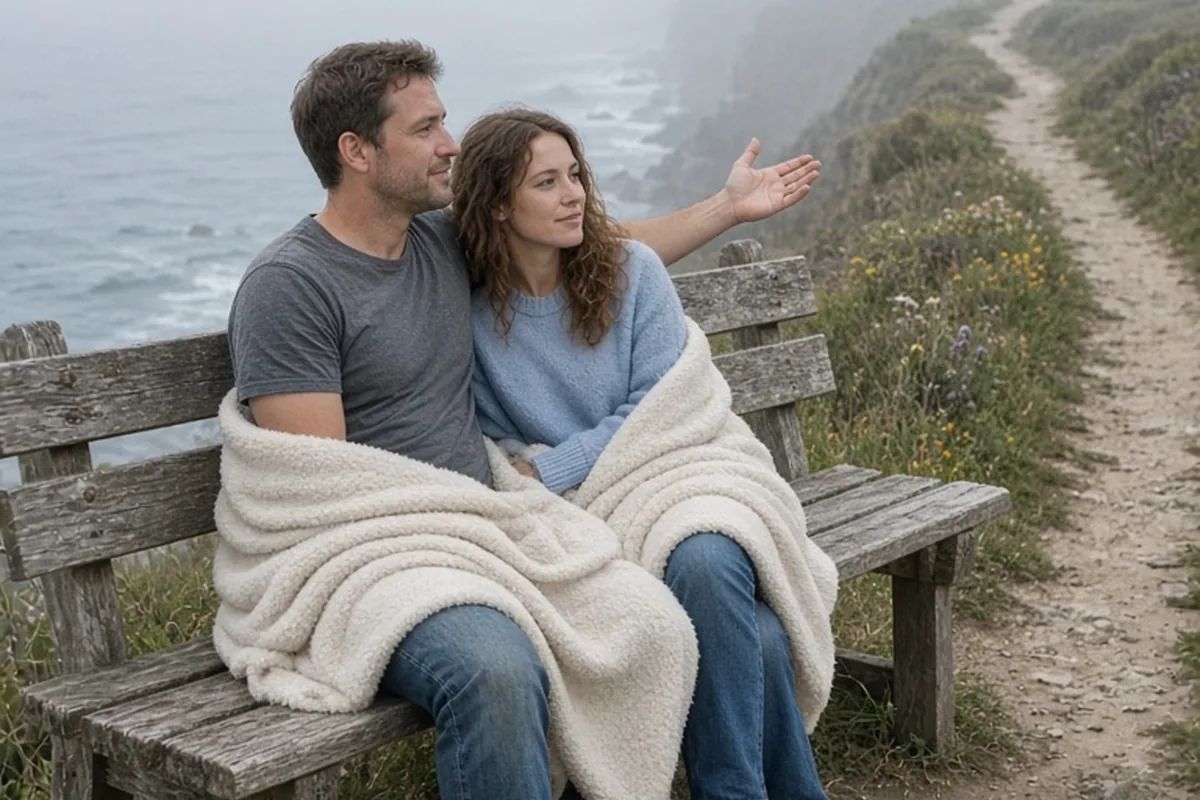
Jordan and Taylor planned an ambitious five-mile coastal ridge hike for their fourth date. Two miles in, the ocean fog rolled in rapidly, dropping the temperature by fifteen degrees, and Taylor's trail runners began rubbing uncomfortably on the steep, wet incline. Sensing Taylor's quiet tension, Jordan resisted the urge to push through to the scenic overlook just to complete the planned itinerary. Instead, Jordan suggested resting on a sheltered trail bench, sharing an extra insulated fleece layer, and turning back early toward a seaside bakery with a wood stove.
Key point: Pivoting smoothly when weather or physical discomfort intervenes demonstrates empathy, emotional maturity, and attentiveness far better than forcing an arbitrary goal.
Handling Skill Mismatches at an Indoor Climbing Gym
Morgan, an experienced indoor climber, invited Sam to an introductory climbing session. Sam was excited to try the sport but felt instantly intimidated by the steep overhangs and seasoned climbers surrounding them on the mats. Instead of giving unsolicited technical critiques or showing off advanced maneuvers, Morgan stayed on the introductory beginner slab, cheered Sam's first successful ascent, and spent equal time sitting on the couches sharing espresso from the gym's cafe.
Key point: When introducing a date to an activity you already master, keep the focus on shared enjoyment, patient encouragement, and zero-pressure pacing.
Frequently asked questions
What is a good adventurous date idea for someone who isn't physically athletic?
Hands-on creative and sensory experiences make wonderful non-athletic adventures. Consider booking an introductory glassblowing or pottery wheel class, visiting an immersive digital art labyrinth, or joining an evening astronomy watch at a local public observatory. These outings deliver genuine novelty and shared discovery without requiring heavy physical exertion.
Is it safe to plan an adventurous outdoor date for a first date?
Yes, provided the outing is set in a public, accessible location and lasts under two hours. Great introductory outdoor options include renting a paddleboat at a busy municipal lake park, exploring a botanical sculpture garden, or playing outdoor mini-golf. Avoid secluded backcountry trails, private boats, or activities requiring long car rides together until you know each other well.
How should I ask someone on an adventurous date without making them feel pressured?
Offer two distinct, low-pressure alternatives that reflect different energy levels. For instance, you might say, 'I've been wanting to check out that new bouldering gym or grab a coffee and wander through the historic open-air market this weekend—would either of those sound fun to you?' Giving clear options lets your date choose what matches their comfort level comfortably.
Your next step
Pick one novel activity that interests both of you, confirm your gear and comfort boundaries ahead of time, and agree on a simple exit plan before setting out.