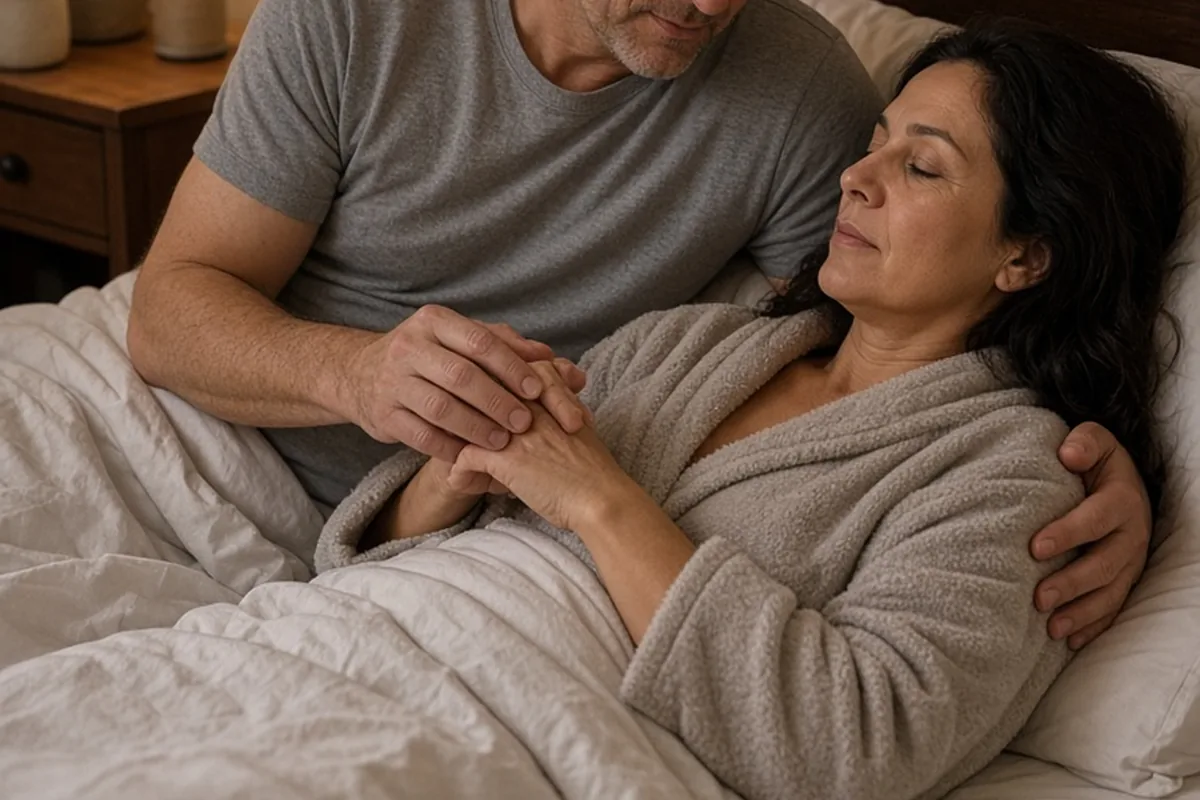
Practical alternatives to sexless marriage counseling include individual therapy, comprehensive medical and hormonal evaluations, structured intimacy exercises at home, couples communication workshops, and working with a certified sex therapist. These approaches help partners address biological issues, break persistent conflict loops, rebuild emotional trust without joint clinical pressure, and develop personal autonomy before deciding whether to pursue traditional marriage therapy.
When physical intimacy fades in a marriage, sitting together on a therapist's couch can sometimes feel less like an invitation to heal and more like a high-stakes interrogation. If one or both partners feel defensive, exhausted by recurring arguments, or anxious about having their private struggles scrutinized in joint sessions, exploring alternative paths can relieve pressure while still addressing the root causes of disconnection.
Individual Therapy and Personal Emotional Regulation
One of the most effective ways to shift a stalled dynamic in a marriage is for one or both spouses to enter individual therapy. When partners participate in joint counseling, they often fall into predictable patterns of defense, justification, and accusation. An individual setting offers a confidential space to untangle personal history, address hidden resentment, manage boundary issues, and build emotional regulation without worrying about managing a spouse's immediate reactions. It allows a person to examine how their own behaviors might contribute to the emotional climate of the home, shifting the focus from trying to change a partner to managing oneself.
Consider a scenario where a spouse feels constantly rejected and responds with subtle withdrawal or barbed comments, which in turn causes the lower-desire partner to pull away even further to protect themselves. In individual therapy, that spouse can learn to stop tying their core sense of self-worth exclusively to their partner's physical response. By developing better self-soothing skills and finding fulfillment outside the bedroom, they break the pursuer-distancer loop. The primary trade-off is that individual therapy cannot directly teach you how to touch or communicate as a pair; its power lies in transforming your half of the relationship system so that new interactions become possible.
Comprehensive Medical and Physiological Assessments
A lack of sexual desire or physical comfort is frequently driven by biological factors that standard talk therapy simply cannot resolve. Hormonal shifts, thyroid irregularities, cardiovascular changes, chronic pain, pelvic floor dysfunction, sleep apnea, and medication side effects—especially from common antidepressants and blood pressure treatments—can quietly suppress libido or make intimacy painful. When a biological barrier goes unnoticed, couples often misinterpret physical symptoms as emotional coldness, personal rejection, or a lack of attraction, leading to deep relational wounds.
Scheduling a thorough medical workup provides clarity and removes emotional guesswork. Rather than framing the visit as a search for what is wrong with one person, couples benefit most when both partners treat physical health as a collaborative priority. A partner experiencing low energy or sudden changes in physical comfort can consult their primary care physician, an endocrinologist, or a specialized gynecologist or urologist. The main limit to keep in mind is that treating a physical condition does not automatically repair months or years of accumulated emotional detachment; medical care addresses the biological engine, but emotional connection still requires intentional effort.
Structured Non-Demand Intimacy and Sensate Focus Exercises
Many marriages become entirely sexless because the lower-desire partner avoids any physical affection, fearing that a simple hug, back rub, or kiss on the cheek will be interpreted as a green light for intercourse. To protect their boundaries, they stop touching altogether. Structured home-based touch protocols, such as sensate focus exercises, offer a guided way to reintroduce touch without any expectation of sexual performance, arousal, or climax. By agreeing to remove intercourse from the table entirely for a set period, both partners can experience physical contact without anxiety or pressure.
To practice this, couples set aside twenty to thirty minutes in a warm, private room where they take turns touching each other's hands, shoulders, back, or feet, explicitly excluding genital areas in the early stages. The receiving partner provides gentle feedback on what feels neutral, pleasant, or uncomfortable, while the giving partner focuses purely on tactile exploration rather than trying to create a specific emotional or physical outcome. The limitation of this method is that it requires genuine consent and patience from both individuals; if one person treats the exercises merely as a chore or a checklist to endure in order to receive sex later, the dynamic will continue to feel transactional.
Working with a Certified Sex Therapist Instead of a General Counselor
A standard marriage counselor is trained to help couples manage conflict, parenting, finances, and broad communication, but many receive minimal specialized clinical training in human sexuality. As a result, general marriage counseling often avoids specific conversations about the bedroom, circling around vague goals like spending more quality time together while the underlying physical mechanics and erotic roadblocks remain untouched. Certified sex therapists, by contrast, possess specialized training in addressing desire discrepancies, sexual anxiety, anatomical differences, arousal mechanics, and erotic preferences with direct, comfortable language.
In practice, a sex therapist helps couples talk through topics that typically provoke severe embarrassment or shame, such as mismatched fantasies, physical discomfort, erectile changes, or differing frequencies of desire. They normalize these discrepancies as common relationship challenges rather than signs of failure, guiding both partners to understand that desire does not always happen spontaneously and often requires cultivating context and safety. The primary drawback can be logistical: certified sex therapists are often fewer in number, may have longer waiting lists, and frequently operate outside insurance networks, making them a more substantial financial investment than community-based family counseling.
Skill-Building Communication Workshops and Guided Curriculums
Weekly joint therapy can sometimes feel like an endless rehashing of old arguments, leaving both partners drained before they even leave the parking lot. Structured communication workshops, weekend retreats, or reputable self-paced relationship curriculums offer an educational alternative that prioritizes practical skill acquisition over deep historical post-mortems. These programs teach concrete techniques for de-escalating arguments, using active listening protocols, expressing vulnerability safely, and repairing trust after daily friction.
For example, instead of debating who started an argument three months ago, a workshop framework might teach a couple how to take an intentional twenty-minute physiological pause whenever either partner's heart rate spikes during a disagreement. Learning these tools in an educational format often feels less threatening to partners who view traditional therapy as a blame-seeking exercise. A recognized limitation of workshops and courses is the retreat high effect: couples often feel re-energized in the moment, but the newfound closeness can quickly evaporate unless they establish consistent, repeatable daily habits once regular household responsibilities resume.
Cultivating Everyday Autonomy, Attraction, and Low-Stakes Affection
In many long-term relationships, passion is stifled not by active hostility, but by total predictability and domestic enmeshment. When two people spend years operating strictly as co-parents, roommates, and administrative business managers for their household, the mystery and individuality that originally fueled attraction disappear. Rebuilding intimacy often requires creating healthy emotional space, cultivating individual interests, and reintroducing low-stakes, non-transactional warmth into daily interactions.
A partner can begin this shift by investing time in personal hobbies, friendships, and fitness, reclaiming a sense of self that does not depend on their spouse's attention. Simultaneously, couples can reintroduce casual, affectionate behaviors that have no hidden strings attached—such as sharing a genuine compliment, making coffee for the other person in the morning, or offering an affectionate touch without hovering for a reward. The boundary to maintain here is authenticity: these changes must be pursued out of personal growth and goodwill, rather than as a calculated tactical maneuver designed to manipulate a spouse into bed.
Illustrative Scenarios
Stepping Away from the Therapy Room to Address Health
Mark and his wife had gone two years without physical intimacy, creating constant household tension. Mark repeatedly urged his wife to attend joint marriage counseling, but she resisted, admitting she felt terrified of being framed as the cold or broken spouse in front of a clinician. Recognizing that pushing harder was driving them further apart, Mark proposed an alternative: they would pause all discussions about marriage counseling for three months, and each schedule a comprehensive physical checkup with bloodwork. Her lab results revealed severe iron deficiency and undiagnosed thyroid fatigue, which had drained her physical energy for years. Removing the immediate threat of clinical therapy allowed her to address her health without defensiveness, creating room for honest conversations about touch that had previously stalled.
Key point: De-escalating clinical pressure and addressing underlying biological health can eliminate the defensiveness that often prevents genuine emotional connection.
Breaking the Pursuer Dynamic Through Individual Growth
Julian felt invisible in his marriage and spent months bringing up their nonexistent sex life during long, late-night car rides, hoping to persuade his partner to see a relationship counselor. Each attempt ended with his partner shutting down and leaving the room. Frustrated by the stalemate, Julian chose an alternative: he hired an individual counselor for himself to work on his own anxiety, reactive temper, and over-reliance on external validation. Over four months, he stopped monitoring his partner's moods, picked up regular endurance training, and engaged with her as a supportive partner rather than an unhappy pursuer. Feeling the heavy emotional tension lift from the house, his partner began initiating conversation and affection spontaneously.
Key point: Changing your own half of the relationship dynamic often creates more safety and genuine connection than demanding joint counseling.
Frequently asked questions
Can a marriage survive a prolonged lack of intimacy without professional counseling?
Yes, many couples rebuild closeness without professional counseling by identifying physical health issues, setting clear emotional boundaries, and engaging in structured self-help workbooks. Survival depends on both partners remaining willing to communicate honestly and respect each other's needs. If mutual respect and willingness are entirely absent, self-guided alternatives will have limited impact.
How does a certified sex therapist differ from a general marriage counselor?
A certified sex therapist has specialized clinical training in sexual anatomy, desire discrepancies, arousal mechanics, and psychological blocks around physical touch. While general marriage counselors focus primarily on communication patterns, conflict resolution, and family dynamics, sex therapists are comfortable addressing physical, erotic, and medical questions directly without embarrassment.
What is the best way to suggest a medical checkup without offending your spouse?
Frame the suggestion around overall health, stamina, and mutual care rather than pinpointing their sexual desire as a defect. You can lead by example by scheduling your own routine physical and hormone panel first, inviting them to do the same so both of you can feel your best physically. This keeps the conversation focused on collaborative well-being rather than personal blame.
How long should a couple test alternative approaches before making long-term decisions?
A reasonable timeframe for testing alternative approaches is generally three to six months of consistent, documented effort. This window allows enough time for medical treatments to take effect, new communication habits to stabilize, and defensiveness to decline. If genuine efforts yield zero reciprocation or continued contempt during that period, more decisive choices about the relationship's future may be necessary.
Your next step
Choose one non-clinical action this week—such as scheduling your own physical health checkup, establishing a firm rule against transactional touch, or beginning individual therapy—to shift your half of the relationship dynamic and restore clarity.