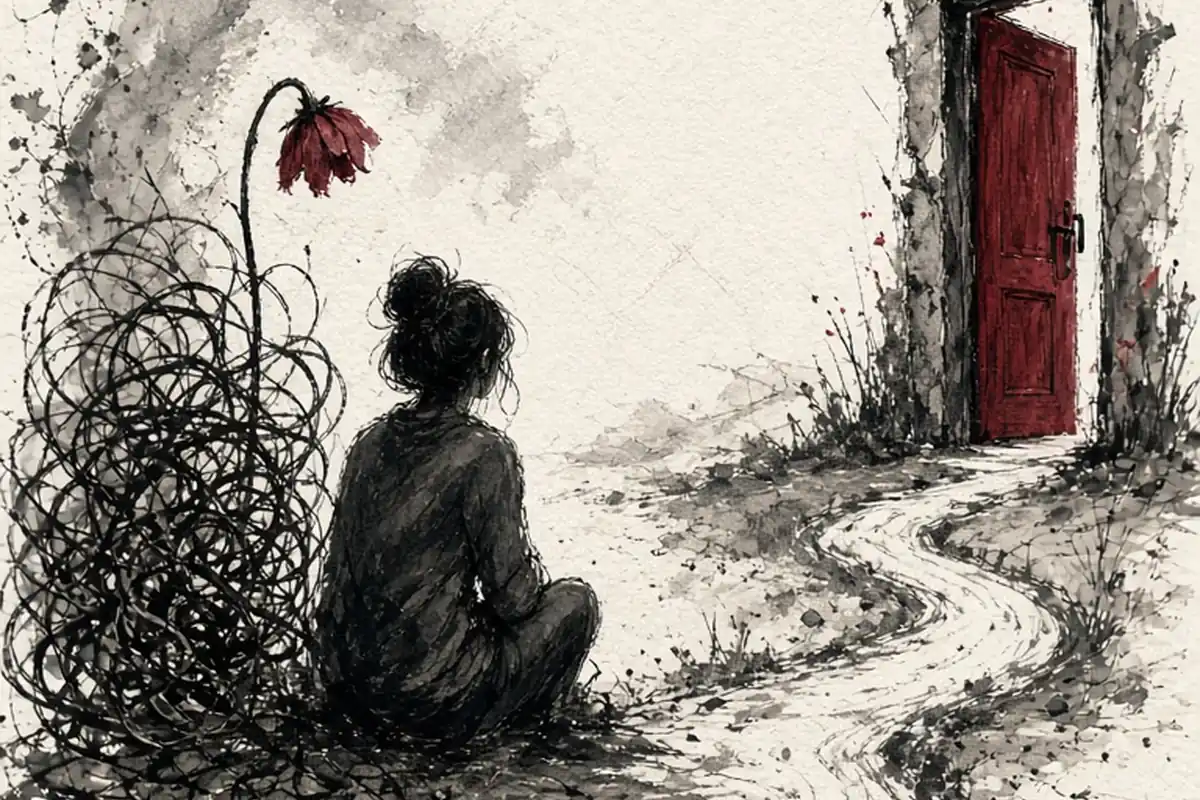
You are likely taking him for granted if his daily efforts feel invisible, your interactions focus mostly on logistics or grievances, or you assume he will always adapt without checking on his emotional needs. Taking someone for granted rarely stems from malice; it usually happens when routine replaces deliberate attention. Recognizing this pattern allows you to pause, acknowledge his contributions openly, and restore balance to your relationship.
Comfort is one of the most rewarding parts of an enduring relationship, but it carries a quiet side effect: when someone is consistently reliable, their presence and support can easily fade into the emotional background.
Recognizing the Shift from Comfortable Security to Everyday Neglect
In the early stages of a relationship, attention is active and intentional. You notice small gestures, express immediate thanks, and remain curious about your partner's inner world. As security sets in, your brain naturally conserves energy by automating routines. While emotional safety is a healthy milestone, it becomes problematic when you start treating his kindness, time, or emotional availability as baseline conditions that require no acknowledgment. The line between feeling secure and becoming dismissive is often crossed without any conscious decision to do so.
To assess your current dynamic, look at how you respond to his everyday contributions. If he makes coffee, manages a chore, or adjusts his schedule to accommodate yours, do you register it as an intentional act of care, or do you treat it as an entitlement? When positive actions become expected defaults, gratitude drops away, leaving the giving partner feeling unseen. Paying attention to whether you view his efforts as voluntary kindness rather than automatic duty is the first step toward honest self-assessment.
Evaluating Emotional Asymmetry in Conversations and Support
A common indicator of taking a partner for granted is an uneven conversational flow. Consider what happens when the two of you reconnect after a long day. If you routinely use the time to vent about your stressors, dissect your social interactions, or direct household logistics, observe how much space remains for his experiences. When one person consistently occupies the emotional center stage, the other partner is quietly relegated to a supporting role, absorbing tension without receiving equal curiosity or comfort in return.
This dynamic often develops because reliable partners frequently understate their own difficulties to avoid adding stress to the household. However, assuming that quietness equals contentment is a mistake. If you rarely ask open-ended questions about his goals, worries, or state of mind—or if you find yourself zoning out when he does speak—he may gradually stop sharing altogether. Rebuilding parity requires noticing who holds the floor and intentionally creating space for his thoughts without immediately steering the topic back to yourself.
Tracking the Balance of Practical Effort and Mental Load
Taking someone for granted frequently shows up in how practical responsibilities and daily sacrifices are handled. One person might take on car maintenance, financial logistics, or home upkeep while the other handles planning or social calendars. Problems arise when one partner's contributions are treated as effortless simply because they perform them without complaining. Disregarding the time and energy behind those tasks can breed quiet resentment over time.
Look closely at the trade-offs he makes to support your joint life. Does he routinely sacrifice personal downtime, hobbies, or rest to fulfill shared responsibilities or help you with your priorities? Acknowledging the actual cost of his effort—rather than just the completed result—demonstrates that you respect his limits. A healthy partnership acknowledges that effort is never free, even when given willingly.
How Entitlement Erodes Physical and Emotional Intimacy
Physical and emotional closeness both rely on feeling valued and desired. When a partner feels taken for granted, affection often becomes purely transactional, occurring only when initiated under specific terms or when one person wants something in return. If non-sexual touch, spontaneous warmth, and verbal affirmations disappear, the relationship can begin to feel like an administrative partnership rather than a romantic bond.
Men, like all partners, experience emotional withdrawal when their desire and vulnerability are met with indifference. If affection is treated as an optional luxury that only happens when every other domestic condition is perfect, the emotional distance between you will widen. Genuine intimacy thrives on reciprocal warmth that is offered freely, reinforcing that you choose and appreciate each other outside of practical obligations.
Practical Shifts to Restore Gratitude and Mutual Consideration
Correcting this pattern does not require grand, performative declarations; it starts with small, consistent behavioral adjustments. Begin by expressing precise, spontaneous gratitude. Instead of a passing acknowledgment, name the specific action and its impact on your day. Telling him that you noticed how he handled dinner so you could finish a project communicates that his consideration did not go unnoticed.
Beyond words, reintroduce curiosity into your daily routine. Ask questions about his perspective that have nothing to do with schedules, finances, or family logistics. Give him your undivided attention by setting aside your phone during conversations, making eye contact, and showing genuine interest in his answers. Consistent attention signals that he is valued as an individual, not just as a functional partner.
Distinguishing Routine Imbalance from Fundamental Incompatibility
While self-reflection is essential, it is equally important to distinguish between unintentional neglect and deeper relational issues. Feeling disconnected or distracted can sometimes be a reaction to unmet needs of your own, unresolved conflicts, or chronic emotional withdrawal from both sides. Self-assessment should not turn into one-sided self-blame, nor should it obscure patterns where both partners have stopped investing effort.
If you discover that increasing your appreciation and warmth does not improve the relationship dynamic, or if you realize you are holding back because of deep-seated resentment, the issue may run deeper than everyday habit. Constructive change requires mutual participation. Your role is to take ownership of your behavior, extend genuine consideration, and observe whether your partner meets you with equal willingness to reconnect.
Illustrative Scenarios
The Unacknowledged Commute Favor
Maya realized a problem after months of her partner, Marcus, adjusting his workday to pick her up from the train station during bad weather. One evening when traffic delayed him by ten minutes, Maya reacted with irritation about the wait. Seeing his quiet discouragement, she realized she had stopped viewing his thirty-minute detour as a generous favor and had begun treating it as an obligation. Later that evening, Maya apologized directly for her reaction, acknowledged how much his daily support helped her, and suggested an alternative transit plan for busy days so he would not feel pressured.
Key point: When generous favors turn into rigid expectations, pausing to acknowledge the real effort behind them prevents entitlement from damaging mutual goodwill.
The One-Sided Evening Debrief
During a quiet weekend dinner, Elena noticed that her partner, David, rarely spoke about his work or personal projects. Reflecting on their week, she realized she spent the first forty-five minutes of every evening venting about her demanding manager while David listened and offered support, after which they simply turned on the television. Recognizing the imbalance, Elena decided to break the routine. The next day, she resisted the urge to immediately vent, greeted him warmly, and asked directly about a project he had been troubleshooting. David opened up in detail, visibly relieved to have space to share.
Key point: Creating deliberate conversational space for your partner balances emotional support and prevents one person from carrying the weight of being a passive sounding board.
Frequently asked questions
What is the most common sign that I am taking my partner for granted?
The most common sign is reacting with irritation when routine favors are missing rather than feeling grateful when they happen. When convenience is treated as an entitlement, everyday kindness is overlooked until it stops.
How can I apologize if I realize I have been neglecting his efforts?
Offer a direct, concise apology that names the specific behavior without making excuses. Acknowledge that you have overlooked his contributions or dominated conversations, and follow up with sustained changes in your daily attentiveness.
Will expressing more gratitude fix feelings of emotional distance immediately?
Gratitude rebuilds warmth gradually, but it is not an instant cure for long-standing emotional disconnect. Consistency over several weeks matters far more than a single dramatic gesture, as trust and safety re-emerge through predictable daily respect.
Your next step
Choose one specific task or gesture your partner routinely handles, verbally thank him for it today with genuine detail, and give him your full attention without bringing up chores or logistics.