Great anniversary date ideas focus on shared reflection, intentional novelty, and undivided attention rather than expensive gestures. Effective options range from recreating your first date or cooking a complex new meal together to booking an overnight nature retreat or taking a private evening workshop. The best choice honors your specific relationship rhythm, respects both partners' energy levels, and creates dedicated space to celebrate your shared growth over the past year.
Milestones offer a rare pause in everyday life to acknowledge how two people have built a life together. Choosing an anniversary date that feels genuine requires balancing what brought you together in the past with the shared interests and energy levels you bring to the present.
Revisiting Shared History Through Nostalgic Date Concepts
Nostalgia can be a grounding force in a long-term relationship. When daily routines like household chores, career demands, and schedules take over, couples easily forget the distinct sparks and early conversations that shaped their initial bond. Planning a date around your history allows you to look back at where you started while acknowledging how much ground you have covered since. Revisiting a meaningful location offers a tangible reminder of the resilience and affection that anchor your relationship.
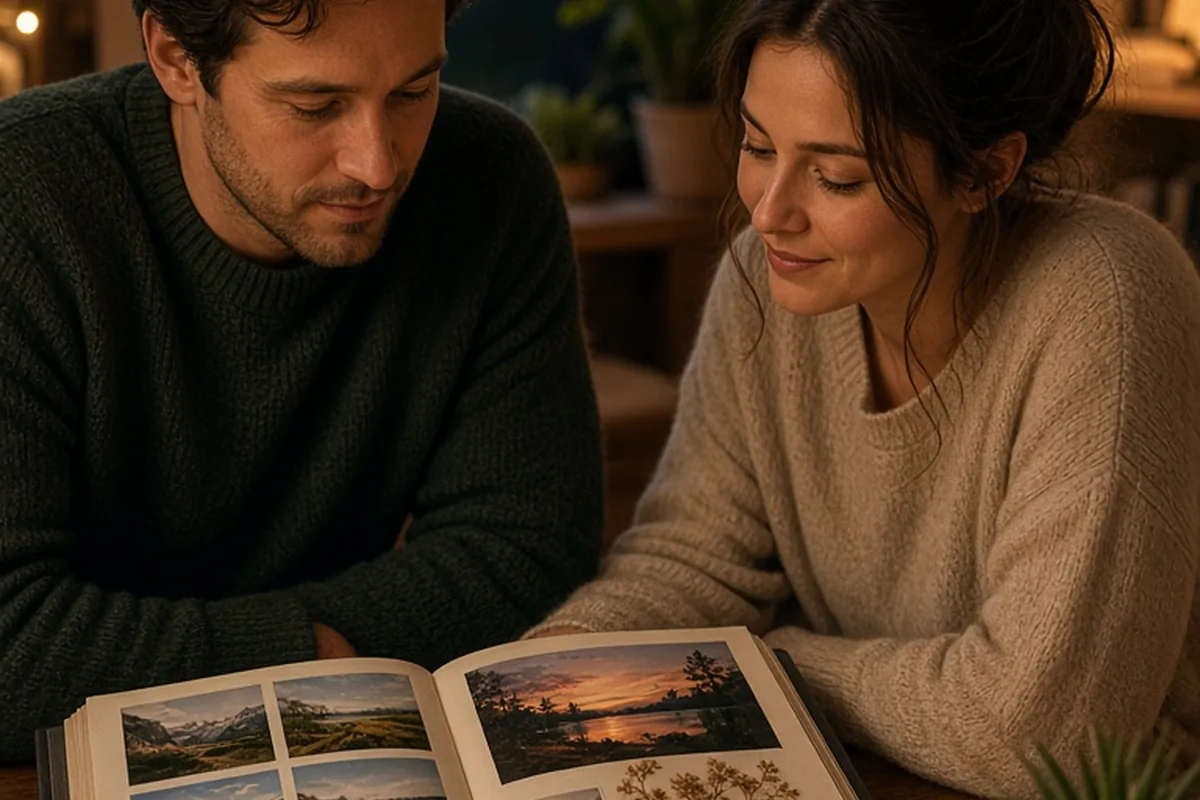
To put this into practice, consider returning to the restaurant where you had your first dinner, ordering the same meals, or walking the exact path where you had your first memorable conversation. If you have moved to a new city or the original locations no longer exist, you can recreate the atmosphere at home by preparing the food you ate early on, playing the album that defined that year, and pulling out old photos or written notes. This concept creates space to share what you first noticed about one another and how those qualities have evolved.
A practical limitation of nostalgia dates is the temptation to idealize early stages at the expense of your present reality. Recreating the past should serve as an appreciative celebration of your history rather than an attempt to force the exact same emotional dynamic you had years ago. Keep the tone light and curious, focusing on appreciation for the journey rather than comparing past excitement to current stability.
Interactive Culinary Projects and Food-Focused Evenings
Sharing food is an ancient way to bond, but an anniversary calls for something beyond a standard dinner out where conversation can easily drift toward administrative life. Interactive culinary experiences shift the dynamic from passive consumption to collaborative enjoyment. Working side by side on an engaging task encourages playful teamwork, spontaneous problem-solving, and a sense of shared accomplishment that dining at a familiar local spot rarely provides.
You can explore this through several practical avenues depending on your budget and preference for private versus public settings. Booking a private or small-group cooking class focused on a regional cuisine neither of you has mastered, such as handmade pasta or regional tapas, provides professional guidance in an energetic atmosphere. Alternatively, you can design an ambitious multi-course menu at home, shopping together at a specialty market for uncommon ingredients and pairing each course with a curated beverage while listening to music without screens or interruptions.
The trade-off with cooking dates is that kitchen projects can occasionally trigger stress if one person shoulders most of the work or if kitchen space is cramped. To prevent frustration, select recipes that allow for clear division of labor, prepare complex elements in advance, and agree beforehand that culinary perfection is secondary to enjoying each other's company.
Immersive Nature Escapes and Low-Distraction Outdoor Dates
Modern life creates continuous background noise that fragments attention. Outdoor dates strip away digital distractions and work demands, providing the mental clarity needed for unhurried conversations and quiet companionship. Being in a natural environment encourages a slower pace, which is particularly beneficial for couples who spend most of their week juggling fast-paced work responsibilities and constant digital communication.
Consider booking an off-grid cabin retreat within a two-hour drive, packing a curated picnic for an afternoon at a scenic coastal overlook, or organizing a sunset hike followed by stargazing at a local park. Bringing along comfortable seating, warm blankets, and a thermos of hot tea or wine turns a simple outdoor setting into a comfortable, elevated sanctuary. The lack of ambient noise makes it easy to reflect on personal goals, shared triumphs, and future aspirations without feeling rushed.
Outdoor celebrations inherently depend on weather conditions and physical comfort. Planning an outdoor anniversary requires checking forecasts, bringing appropriate layers, and having a reliable indoor backup plan so that unexpected rain or extreme temperatures do not derail your celebration or create resentment.
Skill-Building Workshops and Novel Experiences
Engaging in unfamiliar activities together triggers fresh engagement and helps break stagnant relationship habits. When partners learn a new skill side by side, they see each other in new roles outside of daily domestic or professional personas. This dynamic fosters vulnerability, mutual encouragement, and shared laughter, especially when neither person is an expert at the activity.
Options in this category include wheel-thrown pottery workshops, introductory dance lessons, artisanal fragrance-making sessions, or beginner woodworking seminars. For example, spending two hours learning how to shape clay at a local studio gives you a physical keepsake from the day while offering plenty of lighthearted moments as you both navigate the learning curve. Choosing an activity where both people start with zero experience keeps the playing field level and prevents one partner from slipping into an instructive or critical role.
The main limit here involves managing performance anxiety. If one partner feels self-conscious in public classes or dislikes unfamiliar physical challenges, choose low-stakes activities that emphasize relaxed creativity over strict technique. The objective is mutual enjoyment, not technical mastery.
Intentional At-Home Retreats and Elevated Staycations
An anniversary does not require travel or public venues to feel memorable. When executed with clear boundaries and careful preparation, an intentional evening at home can be more intimate and restorative than an expensive night out. The primary challenge of home dates is overcoming the domestic environment's association with chores, email, and daily responsibilities.
To transform your living space into a dedicated retreat, complete all household chores the day before so the environment feels tidy and welcoming. Place phones in another room, dim harsh overhead lighting in favor of candles or warm lamps, and set up a comfort-focused experience such as an at-home spa evening with massage oils and curated bath products. Alternatively, turn your living room into an indoor picnic lounge with plush pillows, charcuterie, and a projector screening a film that holds personal significance for both of you.
The primary risk of an at-home celebration is casual boundary erosion. It takes discipline to resist checking a work message, emptying the dishwasher, or turning on background television out of habit. Treat the time at home with the same respect you would give a prepaid reservation at a luxury venue.
Designing the Celebration Around Your Shared Energy and Rhythms
A common mistake when planning an anniversary date is following generic expectations of what a celebration 'should' look like rather than choosing what genuinely suits you both. High-end restaurants and crowded venues can be exhausting for introverted couples or those emerging from a demanding work cycle. Successful dates honor your shared emotional bandwidth, financial comfort, and personal preferences.
Before finalizing plans, check in with each other about what kind of atmosphere you both need. If both partners are drained from professional deadlines, a quiet evening ordering premium takeout and resting together provides far more connection than a high-energy evening downtown. Conversely, if you both crave social energy and excitement, booking tickets to a live performance, jazz club, or comedy show followed by late-night dessert might be the exact lift you need.
Balancing differences in preference requires clear communication and occasional compromise. If one person loves adventure while the other prefers relaxation, you can split the celebration into distinct segments—such as an invigorating daytime excursion followed by a relaxed, unhurried evening.
Illustrative Scenarios
Balancing High Expectations with Real Energy Constraints
Marcus and his partner reached their sixth anniversary during a chaotic work season. Marcus initially considered booking an elaborate five-course dinner across the city, worrying that doing anything less would seem neglectful. Recognizing how exhausted both of them felt throughout the week, he paused and adjusted the plan. He ordered special takeout from the neighborhood bistro where they celebrated their first job promotions, set up a low table with candles in the living room, and curated an unhurried evening playing their favorite board games without phones. They spent four hours talking comfortably without the pressure of formal dress codes or commuting.
Key point: Authentic anniversary celebrations honor current emotional capacity rather than external expectations, proving that presence matters far more than production value.
Navigating Differing Social Preferences for Milestone Dates
Elena wanted an active, public outing for her anniversary, while her partner favored quiet privacy after a long travel schedule. Elena initially worried that staying close to home would feel like an ordinary weekend, while her partner dreaded navigating a crowded, noisy downtown venue. Instead of picking one extreme, they divided their day into complementary halves. They spent the late afternoon on a quiet scenic walk through a nearby botanical garden, followed by an early dinner reservation at an intimate booth in an artful restaurant before peak crowds arrived.
Key point: Designing a date with intentional pacing allows both partners to experience novelty and comfort without either person feeling drained.
Frequently asked questions
How far in advance should we plan an anniversary date?
For popular dining reservations, private workshops, or weekend cabin rentals, booking three to six weeks in advance prevents unnecessary stress. For relaxed home-based plans or casual local outings, coordinating schedules and gathering materials one week prior is typically sufficient.
What if my partner and I have completely different ideas about how to celebrate?
Address the difference openly by planning a date with two distinct chapters, such as a lively daytime activity followed by a calm evening at home. Alternatively, you can take turns planning the anniversary celebration from year to year so each person's ideal style is featured.
Is it okay to celebrate on a different day than our actual anniversary date?
Yes, moving the celebration to an adjacent weekend or a less chaotic day often leads to a more relaxed and present experience. You can acknowledge the exact date with a thoughtful note or quiet toast, saving the main activity for when you have uninterrupted time.
How can we keep the focus on each other during the date?
Establish a shared agreement to keep phones tucked away on silent mode throughout the date. Asking open-ended questions about personal highlights from the past year, lessons learned, and shared future hopes helps steer conversations away from routine logistics.
Your next step
Choose one concept that aligns with your current energy levels, block out dedicated time on your calendars, and discuss expectations together to ensure a relaxed and meaningful celebration.