An anniversary gifts by year list pairs each wedding milestone with symbolic materials, moving from fragile starter items like paper and cotton to enduring elements like silver and gold. Traditional themes trace cultural customs dating back centuries, while modern equivalents offer functional contemporary alternatives. Couples use these guidelines to spark creative gift ideas, selecting either material objects or shared experiences that honor their partnership.
Wedding anniversaries mark the steady accumulation of shared memories, yet choosing a gift that feels both personal and commemorative often becomes challenging as the years accumulate. Relying on an established anniversary gifts by year list provides a helpful creative boundary, turning abstract notions of marital growth into tangible, lasting gestures.
Early Milestones: Years 1 Through 5 Traditional and Modern Themes
The first five years of marriage lay the emotional and practical foundation of a shared household. Traditional gifts for these early anniversaries represent humble, humble beginnings and flexible materials that gain strength over time. Year one begins with paper, which symbolizes the blank page of a new story and the delicate nature of a new union, while its modern counterpart is clocks, marking the passage of shared time. Year two shifts to cotton, representing woven durability, balanced by modern china. Year three features traditional leather for protection and flexibility, alongside modern crystal or glass. Year four highlights fruit and flowers to denote blossoming growth, paired with modern electrical appliances for household convenience. Year five culminates in wood, reflecting deep roots and resilience, matched with modern silverware.
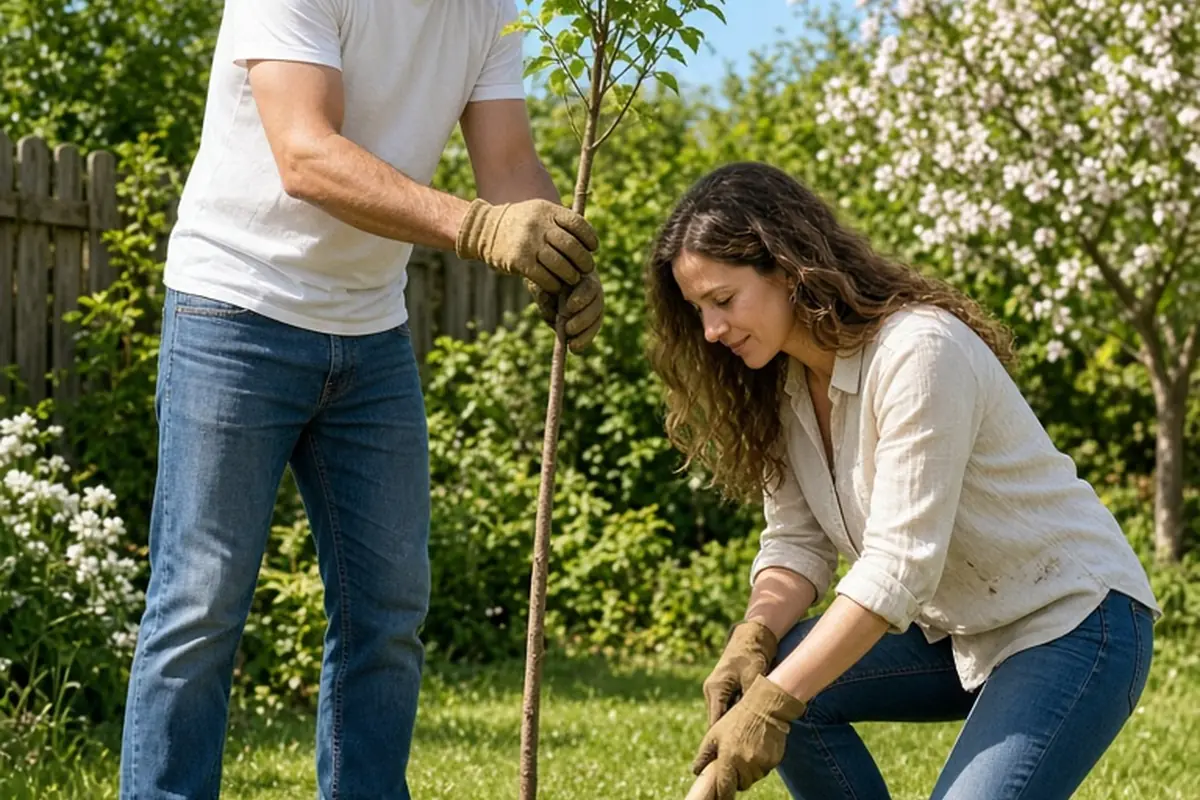
When purchasing gifts within this five-year bracket, couples frequently discover that modern interpretations resolve the limitations of traditional themes. A partner seeking a first-anniversary paper gift might commission custom calligraphy of their vows, frame an archival map of their wedding location, or purchase tickets for future travel. For year five, wood can take the form of an engraved cutting board, a handcrafted piece of accent furniture, or a newly planted shade tree in the yard. The primary trade-off during these early stages is managing tight budgets, as young couples often balance early-career finances, wedding debts, or first-home purchases. Selecting symbolic, low-cost iterations prevents anniversary pressure from creating financial friction.
- Year 1: Paper (Traditional) or Clocks (Modern)
- Year 2: Cotton (Traditional) or China (Modern)
- Year 3: Leather (Traditional) or Crystal and Glass (Modern)
- Year 4: Fruit and Flowers (Traditional) or Appliances (Modern)
- Year 5: Wood (Traditional) or Silverware (Modern)
Building Stability: Years 6 Through 10 Themes and Practical Upgrades
Passing the five-year mark generally coincides with deeper family commitments, home ownership, and established routines. The anniversary themes for years six through ten reflect increasing structural strength, transitioning into metals, resilient natural fibers, and enduring alloys. Year six introduces iron to signify unyielding strength, with candy or wood serving as alternate traditional choices and wood remaining the primary modern selection. Year seven centers on wool or copper, celebrating warmth and thermal conductivity, mirrored by modern brass or desk sets. Year eight uses bronze or pottery to reflect malleability shaped by time, matched with modern linens or lace. Year nine highlights willow or pottery for natural resilience, updated to leather in modern lists. Year ten reaches a major threshold with tin or aluminum, metals prized for their rust-resistant longevity, alongside modern diamond jewelry.
Navigating these mid-decade materials requires creativity to keep gifts personal rather than strictly utilitarian. For instance, an iron present for year six can manifest as a seasoned cast-iron skillet paired with an artisanal cooking lesson, turning an industrial metal into an intimate culinary experience. A tenth-anniversary tin gift might involve an antique tin keepsake box filled with handwritten reflections from the past decade, rather than a generic metallic trinket. The limitation here lies in the industrial aesthetic of metals like tin or aluminum, which can feel unromantic if selected without personal context. Balancing the material motif with emotional resonance ensures the gift feels intentional rather than obligatory.
- Year 6: Iron (Traditional) or Wood (Modern)
- Year 7: Wool or Copper (Traditional) or Desk Sets (Modern)
- Year 8: Bronze or Pottery (Traditional) or Linens and Lace (Modern)
- Year 9: Willow or Pottery (Traditional) or Leather (Modern)
- Year 10: Tin or Aluminum (Traditional) or Diamond Jewelry (Modern)
Deepening Partnership: Years 11 Through 20 and Mid-Marriage Gifts
As relationships mature past the decade mark, gift themes shift toward refinement, patience, and lasting beauty. Years eleven through twenty incorporate detailed textiles, sturdy metals, and luminous stones that demonstrate how deliberate care preserves an intimate connection. Year eleven features steel, illustrating tensile endurance, with modern fashion jewelry. Year twelve pairs traditional silk or fine linen with modern pearls. Year thirteen balances intricate lace with modern textiles or fur alternatives. Year fourteen traditionally uses ivory, which modern ethical standards rightfully replace with elephant-themed art or bone china, while modern lists designate gold jewelry. Year fifteen marks a significant milestone with crystal, symbolizing sparkling clarity, alongside modern watches.
After the fifteenth year, traditional lists historically track milestones in five-year increments, though annual lists fill the gaps. The twentieth anniversary stands out as a major plateau, traditionally recognized with fine china to symbolize delicate beauty that survives through mindful handling, while modern conventions designate platinum for enduring rarity. A couple celebrating year fifteen might choose lead-free crystal glassware paired with a vintage champagne from their wedding year, or modern luxury watches engraved with coordinates of their home. A potential drawback during this decade is gift fatigue, where partners feel they already own all necessary household items. Moving toward experiential interpretations or ethical upgrades helps bypass consumer clutter.
- Year 11: Steel (Traditional) or Fashion Jewelry (Modern)
- Year 12: Silk or Fine Linen (Traditional) or Pearls (Modern)
- Year 13: Lace (Traditional) or Textiles (Modern)
- Year 14: Ivory Alternatives (Traditional) or Gold Jewelry (Modern)
- Year 15: Crystal (Traditional) or Watches (Modern)
- Year 20: China (Traditional) or Platinum (Modern)
Golden Benchmarks: Major Milestones from 25 to 60 Years
Milestones spanning a quarter-century and beyond represent rare, deeply celebrated longevity. These major anniversaries are uniformly linked to precious gems and noble metals that resist tarnishing, corrosion, and decay. The twenty-fifth anniversary, universally known as the silver jubilee, represents radiant harmony and grace. The thirtieth anniversary honors pearls, which develop luster through years of patient accumulation layer by layer. The thirty-fifth anniversary celebrates coral or jade, signifying longevity and protection. The fortieth anniversary features the fiery resilience of ruby, followed by the deep fidelity of sapphire for the forty-fifth anniversary, the radiant permanence of gold for the fiftieth, and the invincible brilliance of diamond for the sixtieth.
Celebrating these later milestones often expands beyond the couple to involve multi-generational family participation. For a fiftieth gold anniversary, children and grandchildren might compile an archival leather and gold-embossed family heritage album, or organize a renewal of vows followed by a celebratory gathering. A couple marking their thirtieth pearl anniversary might invest in an overseas coastal journey where cultured pearls are farmed, blending travel with the material theme. A notable challenge with high-tier milestone gifts is the substantial financial cost of fine jewelry or large family events. Setting expectations early and emphasizing symbolic acts over expensive material acquisition keeps the focus on mutual dedication.
- Year 25: Silver (Traditional and Modern)
- Year 30: Pearl (Traditional) or Diamond (Modern)
- Year 35: Coral (Traditional) or Jade (Modern)
- Year 40: Ruby (Traditional and Modern)
- Year 45: Sapphire (Traditional and Modern)
- Year 50: Gold (Traditional and Modern)
- Year 60: Diamond (Traditional and Modern)
Traditional Versus Modern Lists: Choosing the Right Approach
The coexistence of traditional and modern anniversary lists often leaves partners wondering which framework to follow. Traditional lists originated predominantly during the Victorian era and early twentieth century, formalized by Emily Post in 1922 and expanded by retail jeweler associations in 1937. These early conventions reflected a domestic lifestyle where household goods, raw raw materials, and agricultural symbols carried immediate cultural value. Conversely, modern lists were crafted to reflect twentieth-century consumer goods, technological convenience, and fine jewelry, swapping items like willow and iron for watches, appliances, and precious stones.
Choosing between the two approaches depends on your relationship style, aesthetic tastes, and shared values. Traditional materials offer greater room for whimsical, poetic, and artisanal interpretations, making them ideal for couples who enjoy antique hunting, DIY crafting, and metaphoric connections. Modern lists cater better to partners who prefer functional, long-lasting luxury items that seamlessly integrate into contemporary life. Neither list is mandatory, and many couples find joy in blending both lists, selecting whichever theme sparks the most authentic idea in any given year. The only real misstep is enforcing strict adherence at the expense of a partner's personal preferences.
Translating Rigid Themes into Experiential and Shared Presents
A common obstacle with an anniversary gifts by year list is encountering a material theme that does not align with your partner's lifestyle. Minimalists, frequent travelers, or couples downsizing their living spaces may actively avoid accumulating decorative objects, leather goods, or heavy metals. In these circumstances, translating physical materials into experiential equivalents preserves the symbolic custom without generating unwanted physical clutter.
Abstract interpretation allows any tangible material to inspire an activity or shared memory. A paper anniversary present can easily become tickets to a theater performance, a voucher for a scenic flight, or a dedicated weekend spent reading side by side in a cabin. An iron anniversary can inspire a blacksmithing workshop where both partners forge a decorative hook together, while a wood anniversary might be celebrated with an extended camping trip in an old-growth national park. This strategy shifts the focus from physical ownership to emotional connection, ensuring the anniversary custom honors the partnership rather than just fulfilling a shopping guideline.
Financial Realities and Sustainable Anniversary Planning
While gift charts outline an escalating progression toward precious metals and gemstones, celebrating every milestone must align with realistic financial boundaries. Expecting gifts to become exponentially more expensive each year can introduce unspoken stress, especially during life stages involving child-rearing, career transitions, or retirement planning. Open conversations about anniversary budgets ensure that gift exchanges remain joyful rather than burdensome.
Couples can establish sustainable practices by agreeing upon an annual spending cap or alternating who coordinates the anniversary plan from year to year. Another practical option is redirecting anniversary funds into a shared savings account dedicated to a major milestone getaway, such as a trip for year ten or twenty-five. When money is tight, a handwritten letter on theme-appropriate stationary or a home-cooked dinner celebrating the symbolic ingredients of that year honors the milestone just as profoundly as an expensive luxury item. The depth of thought behind the gesture consistently outweighs the commercial value of the object.
Frequently asked questions
What happens if our anniversary theme does not match my partner's interests?
You do not need to follow the list literally if a theme clashes with your partner's tastes. Use the material as loose creative inspiration, explore the modern alternate list, or convert the theme into a shared experience such as travel or a culinary date.
Are traditional anniversary gifts better to give than modern ones?
Neither list is objectively better; traditional lists lean toward symbolic, artisanal, and historical materials, while modern lists prioritize utility, appliances, and jewelry. Choose the framework that best fits your budget, shared lifestyle, and personal aesthetics.
Why do some anniversary years share the same themes across different lists?
Major milestones such as the twenty-fifth silver anniversary and fiftieth golden anniversary have deep historical roots dating back to Germanic customs. Because these benchmarks carry universal cultural recognition, both modern and traditional lists keep silver and gold unchanged.
How can we celebrate milestones that fall between five-year increments after year twenty?
While historic traditional lists primarily recognized five-year intervals after year twenty, expanded modern lists provide themes for every single year. You can follow these expanded charts, choose personal annual traditions, or reserve larger thematic gifts for the five-year marks.
Your next step
Review your upcoming anniversary year together, decide whether a traditional material or modern theme sounds more appealing, and brainstorm one concrete way to interpret that theme into a gift or shared memory.