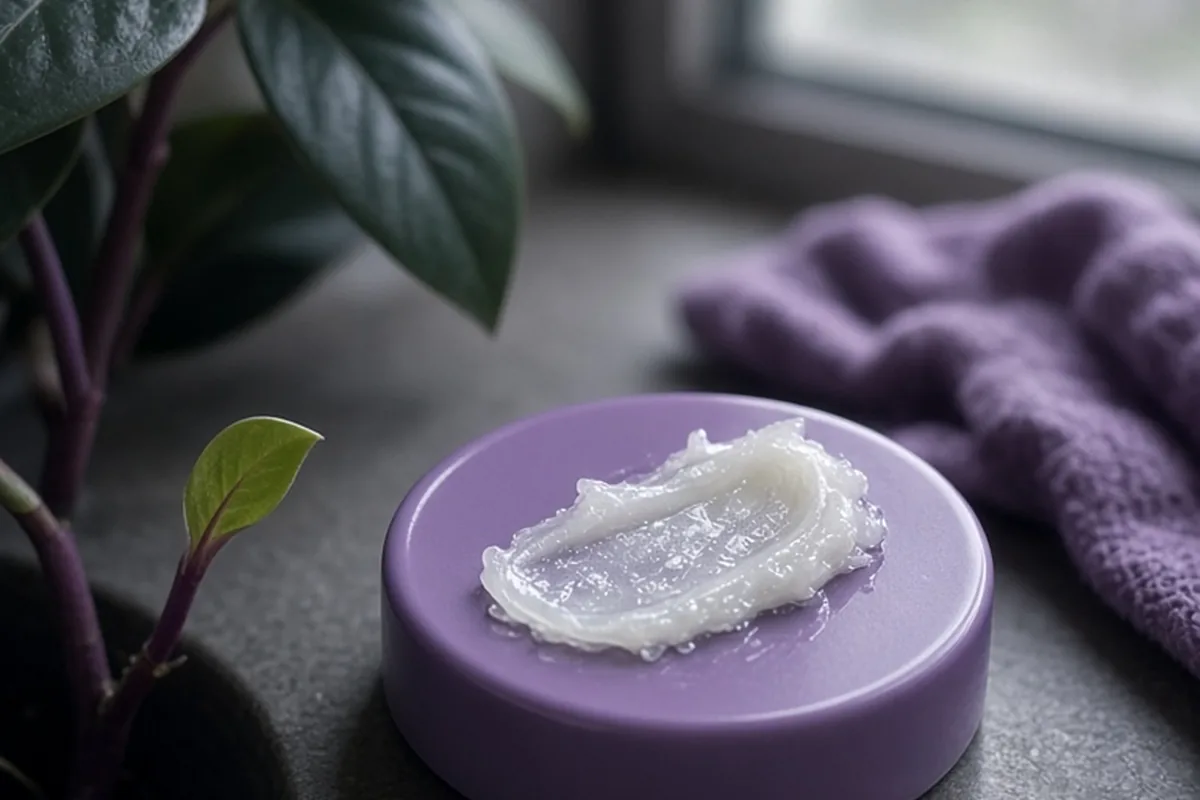
Aquaphor slugging is the nighttime skincare technique of applying a thin layer of Aquaphor Healing Ointment over your evening moisturizer. The petrolatum base creates a semi-occlusive physical seal that prevents transepidermal water loss, traps hydrating ingredients beneath it, and helps restore a damaged skin barrier. It works best for dry, sensitive, or compromised skin, but those prone to active acne should avoid it to prevent trapping bacteria and sebum.
Slugging has evolved from a niche Korean beauty ritual into a mainstream dermatologist-recommended strategy for reviving severely parched or irritated complexions.
How Aquaphor Slugging Protects and Restores the Skin Barrier
The primary mechanism behind slugging is occlusion. Throughout the day and night, your skin naturally loses hydration to the ambient environment through a physiological process called transepidermal water loss. When your moisture barrier becomes compromised through environmental exposure, harsh weather, over-exfoliation, or irritating active ingredients, this evaporation accelerates dramatically. This leaves the outer stratum corneum depleted, tight, rough, and vulnerable to external irritants. By spreading a semi-occlusive ointment over your face before bed, you form an impermeable physical shield that virtually halts moisture evaporation while you sleep.
Aquaphor does not simply sit on the surface as an inert wax. Because it acts as an intensive seal, it creates an optimal microenvironment that allows your skin cells to naturally repair their lipid matrix. The skin barrier requires moisture and undisturbed time to generate the ceramides, cholesterol, and essential fatty acids that form healthy intercellular mortar. By holding water against the skin surface throughout the sleep cycle, slugging softens crusted or flaking patches, soothes stinging sensations, and leaves the complexion visibly plumper and more supple by morning.
Aquaphor Ingredient Breakdown Compared to Vaseline and CeraVe
Choosing the right occlusive product requires understanding how formulation choices affect barrier repair and skin tolerance. While many people use the term slugging interchangeably with pure petroleum jelly, Aquaphor Healing Ointment features a multi-ingredient blend. Its primary occlusive agent is petrolatum, but it also contains mineral oil, ceresin, lanolin alcohol, panthenol, and glycerin. Glycerin functions as a humectant that draws water into the skin surface, panthenol acts as provitamin B5 to soothe surface irritation, and mineral oil provides spreadability. However, the inclusion of lanolin alcohol, which is derived from sheep wool, introduces an emollient that cushions dry skin but can occasionally trigger allergic contact dermatitis in sensitive individuals.
In contrast, traditional Vaseline consists entirely of pure white petrolatum without secondary emollients, humectants, or animal-derived ingredients. Because it has only a single refined ingredient, pure petrolatum presents an exceptionally low risk of allergic reaction, making it the standard choice for hyper-reactive or post-procedure skin. Meanwhile, CeraVe Healing Ointment balances a high concentration of petrolatum with synthetic ceramides, hyaluronic acid, and phytosphingosine, omitting lanolin entirely. Those seeking targeted lipid replacement often favor ceramide ointments, whereas those who desire added slip, surface conditioning, and soothing panthenol frequently prefer Aquaphor.
Identifying Who Should Slug and Who Should Avoid Occlusive Ointments
Slugging is not universally beneficial for every complexion, and identifying your skin barrier status is critical before coating your face in an ointment. Individuals with chronically dry skin, windburn, flaking caused by dry winter indoor heating, or seasonal sensitivity stand to benefit the most. If your face feels tight after cleansing or stings when applying mild lotions, your lipid barrier is depleted. In these situations, introducing an intensive occlusive coating several evenings per week cushions raw nerve endings and prevents further water evaporation so the barrier can recover its resilience.
Conversely, individuals dealing with active inflammatory acne, congested pores, or naturally excessive sebum production should generally avoid all-over facial slugging. While petrolatum molecules are physically too large to penetrate pores and are non-comedogenic on their own, the heavy film traps ambient heat, sweat, dead keratinocytes, and resident skin oils beneath the seal. According to the American Academy of Dermatology, managing acne requires preventing clogged pores and controlling inflammation, and creating an airtight seal over an oily, blemish-prone canvas can inadvertently trigger closed comedones, whiteheads, or folliculitis.
If you have combination skin, an all-or-nothing approach is rarely necessary. You can practice targeted slugging by dabbing Aquaphor strictly onto dry cheekbones, the delicate corners of the lips, or irritated skin folds while keeping your naturally oily forehead and nose clear. This selective placement delivers intensive barrier protection to dehydrated zones without overburdening the oil glands in your central T-zone.
Further reading: American Academy of Dermatology: Acne
Top Occlusive Balms for Nighttime Barrier Repair
Selecting an occlusive balm depends on your specific skin sensitivities, budget preferences, and desired texture. Below is an objective comparison of the leading formulas used for nighttime slugging.
Aquaphor Healing Ointment remains the traditional favorite for soothing chapped, raw, or weather-beaten complexions. Its combination of petrolatum, soothing panthenol, and humectant glycerin softens flaky skin while drawing in supplemental moisture. The primary trade-off is the presence of lanolin alcohol, which softens dry patches effectively but poses a rare allergy risk for those sensitive to wool derivatives.
Pure White Petrolatum represents the simplest, most inert, and most budget-friendly occlusive option available. Because it contains no added preservatives, fragrances, or secondary botanical compounds, it carries virtually no potential for allergic sensitization. It forms an exceptionally strong protective moisture trap, although some users find its dense, sticky texture slightly heavier on the pillow than multi-ingredient ointments.
Ceramide-Enriched Healing Ointment provides a modern approach designed specifically for barrier-compromised and reactive complexions. Formulated without lanolin or fragrance, this style of balm blends petrolatum with skin-identical ceramides and hyaluronic acid to replenish intercellular lipids directly. It tends to absorb with a slightly less greasy finish, though it generally carries a higher retail price point than standard petroleum jelly.
Squalane and Plant-Wax Balms offer a petroleum-free alternative for individuals who prefer plant-derived skincare or dislike the heavy slip of mineral-derived ointments. Formulated with squalane, shea butter, and jojoba wax, these balms offer lighter, breathable emollience. While they allow more vapor exchange and may not trap moisture as completely as petrolatum, they are far more forgiving on oily or easily congested skin types.
Layering Rules and Potent Ingredients to Never Trap Under Aquaphor
The most critical rule of slugging is understanding that an occlusive ointment magnifies the potency and penetration of whatever sits beneath it. When you lock an ingredient under a petrolatum barrier, you eliminate natural evaporation, forcing that ingredient deeper into the skin layers. While this is wonderful for benign hydrating agents like glycerin, panthenol, centella asiatica, and hyaluronic acid, it can turn standard anti-aging or blemish-fighting treatments into intense skin irritants.
You must never slug directly over prescription retinoids, over-the-counter retinol, alpha hydroxy acids such as glycolic or lactic acid, beta hydroxy acids like salicylic acid, or high-potency vitamin C serums. Sealing an exfoliating acid or retinoid under Aquaphor dramatically increases its absorption, frequently leading to contact dermatitis, intense chemical burning, peeling, and widespread erythema. If you use active corrective serums, reserve them for non-slugging nights, or use slugging exclusively on alternate recovery evenings when your routine consists entirely of gentle hydration.
Further reading: American Academy of Dermatology: Acne
Step-by-Step Evening Slugging Routine
Executing a successful slugging routine requires a clean base and thoughtful product layering to avoid trapping debris or overwhelming your pores. Begin your nighttime regimen by thoroughly cleansing your face with a gentle, non-stripping, fragrance-free cleanser to remove daytime sunscreen, airborne pollutants, and surface sebum. Avoid harsh scrubs or foaming agents that strip natural lipids, as the goal of slugging is barrier preservation rather than aggressive purification.
Next, hydrate the skin while it remains slightly damp from washing. Pat on a hydrating essence or humectant-rich toner containing glycerin or hyaluronic acid, followed immediately by your regular nourishing face cream. This moisturizing base provides the actual water and lipid content that your skin requires; Aquaphor itself does not add water, but rather preserves what is already there. Allow your standard moisturizer to settle for several minutes so it absorbs comfortably into the upper skin layers.
Finally, dispense a small, pea-sized dab of Aquaphor onto clean fingertips, rub them together to warm and liquefy the balm slightly, and gently press it across your face in a thin, even glaze. You do not need a thick, heavy mask; a microscopic sheen is sufficient to halt evaporation. Tie long hair back from your face, consider swapping your pillowcase for a washable cotton or microfiber fabric, and allow the treatment to work undisturbed through the night. In the morning, wash your face with lukewarm water and your gentle cleanser to remove ointment residue before applying daytime sunscreen.
Managing Lanolin Sensitivities and Common Application Mistakes
While Aquaphor is widely tolerated, users occasionally experience adverse reactions due to individual ingredient sensitivities or flawed application habits. The most frequent culprit within Aquaphor is lanolin alcohol. If you notice localized redness, itching, tiny red bumps, or a warm stinging sensation after applying Aquaphor, you may have a contact allergy to lanolin. If this occurs, discontinue use immediately and switch to pure petrolatum or a ceramide-based ointment that explicitly excludes lanolin derivatives.
Another widespread error is slugging over dirty or insufficiently cleansed skin. Sealing lingering makeup, residual chemical sunscreens, or unwashed daily oil under an occlusive layer guarantees pore congestion. Similarly, applying Aquaphor directly onto completely dry, unmoisturized skin yields poor results because petrolatum cannot generate moisture on its own. If you trap dry air against dry skin without an underlying humectant or cream, your skin will remain parched. Always ensure adequate hydration sits underneath your occlusive shield.
Finally, pay attention to environmental humidity and your pillowcase hygiene. Because ointments can pick up airborne lint, pet dander, and fabric dust overnight, sleeping on a fresh pillowcase is vital to keep your complexion clear. If you sleep on your side, switch your pillowcase frequently. Should persistent irritation, widespread breakouts, or signs of secondary skin infection emerge, pause all occlusive treatments and consult a board-certified dermatologist for an individualized assessment.
Further reading: American Academy of Dermatology: Acne
Frequently asked questions
Can I slug with Aquaphor every single night?
Most dermatologists recommend slugging a couple of nights per week rather than every night. Using heavy occlusives nightly can disrupt the skin's natural desquamation process and increase the likelihood of clogged pores, particularly if you have normal or combination skin.
Will Aquaphor clog my pores and cause breakouts?
Petrolatum molecules are too large to enter pores, making the ointment non-comedogenic on its own. However, if your skin is prone to active acne or if you apply it over residual oil, sweat, or unwashed debris, the physical seal can trap that material and promote blemishes.
How do I wash Aquaphor off my face the next morning?
Rinsing with plain water is usually not enough to lift dense ointments from the skin. Use a mild, non-foaming hydrating cleanser with lukewarm water, gently massaging in circular motions to melt away the residue without stripping your natural lipids.
Can I apply Aquaphor around my eyes?
Yes, dabbing a tiny amount of Aquaphor onto the orbital bone can help prevent moisture loss and soften fine dehydration lines around the eyes. Avoid getting the ointment directly along the lash line or inside the eye to prevent temporary blurriness or irritation.
Your next step
Inspect your current evening skincare products, remove any exfoliating acids or retinoids from your lineup for tonight, and test a pea-sized amount of Aquaphor over damp moisturizer on an irritated or dry patch of skin.