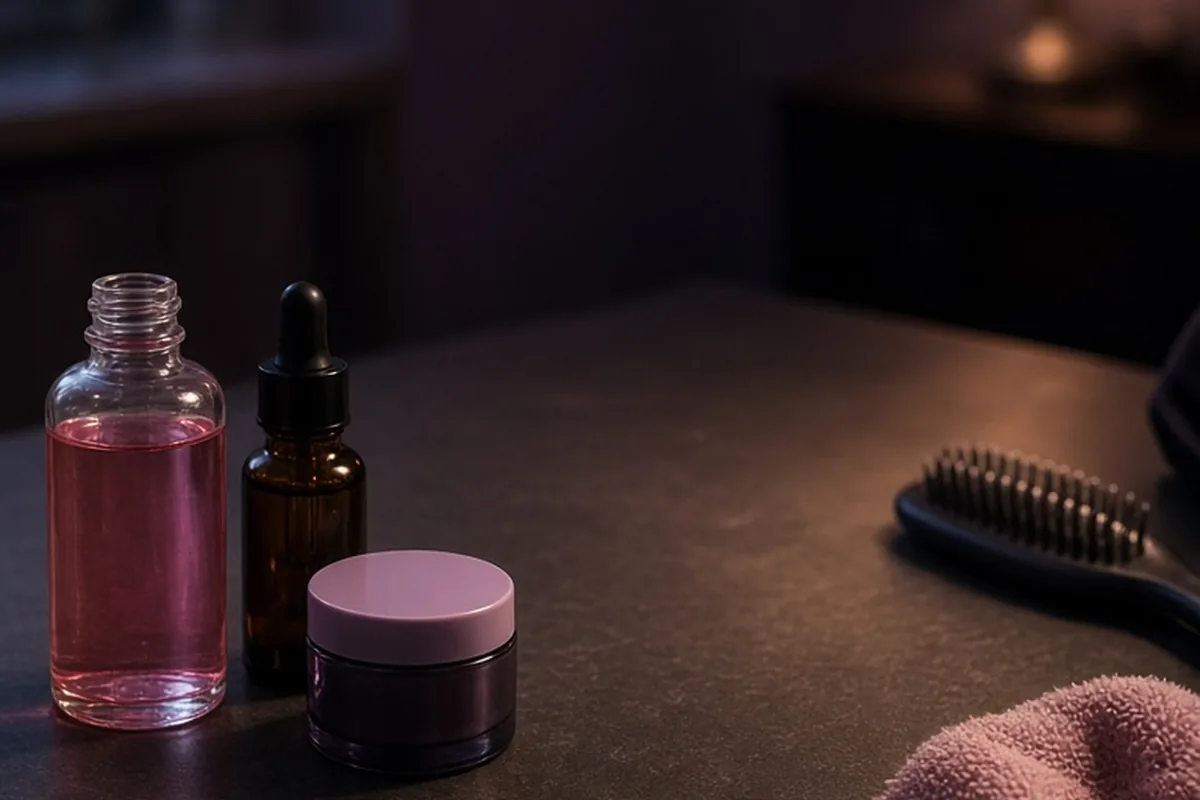
You should generally apply vitamin C before your moisturizer. As a rule of thumb in skincare, products go on from thinnest to thickest consistency. Applying a water-based or lightweight vitamin C serum onto freshly cleansed skin allows the active ingredients to absorb properly. Moisturizer is thicker and formulated to seal in hydration, so putting vitamin C on after moisturizer creates a barrier that can block absorption.
Navigating the correct order of skincare products can feel confusing, especially when introducing active ingredients like vitamin C. Getting the sequence right ensures that your skin receives the full protective and brightening perks of your serum without causing unnecessary dryness or wasted product.
The Rule of Consistency and Why Thinnest Comes First
Skincare layering relies on molecular weight and product viscosity to determine how effectively ingredients penetrate the skin. Water-based liquids, toners, and lightweight serums possess smaller molecular structures and fluid carriers designed to deliver active compounds directly into the upper layers of the epidermis. When applied to clean skin, these formulations absorb rapidly without meeting resistance from heavier oils or waxes.
Moisturizers serve a fundamentally different biological function in your routine. Formulated with emollients, fatty acids, and occlusive agents like plant butters or silicones, moisturizers create a protective film over the skin surface to trap hydration and prevent transepidermal water loss. If you apply a dense moisturizing cream first, those occlusive lipids form a physical shield over your pores. Spreading a watery vitamin C serum over that barrier causes the active molecules to slide around on top of the cream, leading to poor absorption and wasted product.
A helpful comparison is imagining water dropped onto a piece of untreated paper versus a piece of waxed paper. On bare paper, the liquid sinks in immediately, while on the waxed surface, it simply beads up and eventually evaporates. Applying your vitamin C serum before your moisturizer ensures the active antioxidant reaches the skin surface unobstructed before the moisturizing layer locks it in place.
How Different Forms of Vitamin C Change the Sequence
Not all vitamin C formulations share the same texture or chemical base. The most common and thoroughly studied form, pure L-ascorbic acid, is water-soluble and typically packaged in lightweight, fluid dropper bottles. Because of its watery vehicle and low molecular weight, an L-ascorbic acid serum belongs exclusively in the early stages of your routine, directly following cleansing and before any lotions or creams.
However, modern skincare also features lipid-soluble derivatives, such as tetrahexyldecyl ascorbate or ascorbyl tetraisopalmitate. These derivatives are frequently formulated into facial oils, rich emulsions, or anhydrous silicone suspensions. Applying an oil-based vitamin C product before a lightweight, water-based gel moisturizer can disrupt how both products absorb, as water cannot easily penetrate through an oil layer.
To determine where your specific product fits, examine the first three ingredients on the packaging. If water, aloe, or propanediol is listed first, treat it as a standard serum and apply it before your moisturizer. If squalane, caprylic triglycerides, or dimethicone appears at the top of the list, your product functions as an oil or heavy treatment, meaning it should be applied either alongside your moisturizer or as the final step before sunscreen.
Wait Times and Absorption Dynamics
A common debate in skincare revolves around how long to wait between applying vitamin C and moving on to moisturizer. Pure L-ascorbic acid requires an acidic environment to remain stable and absorb across the stratum corneum. Some elaborate routines advocate waiting ten to twenty minutes for the skin's surface pH to stabilize before layering additional items, but prolonged waiting is rarely necessary for everyday results.
In practical terms, waiting one to two minutes—just long enough for the serum to dry down and no longer feel wet on your face—is sufficient. This brief pause prevents your moisturizer from physically wiping away the serum while it is still settling into the surface layers. It also minimizes product pilling, which happens when the film formers in a cream mix prematurely with the liquid vehicle of an unabsorbed serum.
If you have naturally dry or dehydrated skin, waiting too long can actually cause your skin to feel tight, parched, or irritated. Once the serum has absorbed to the point where your skin feels slightly tacky rather than damp, you can comfortably smooth on your moisturizer to replenish hydration without degrading the antioxidant performance of the vitamin C.
Structuring a Complete Morning Skincare Routine
Morning is the most strategic time to apply vitamin C because its primary cosmetic benefit is antioxidant protection. Throughout the day, your skin encounters environmental stressors like ultraviolet radiation and airborne pollution, both of which generate oxidative stress. Vitamin C works within the skin to neutralize free radicals, making it an ideal partner for daytime defensive care.
To build a balanced morning routine, start with a gentle cleanser or a simple lukewarm water rinse, depending on your skin type and oil production. Gently pat your face completely dry with a clean towel. Next, dispense four to five drops of your vitamin C serum and distribute it evenly across your face, neck, and upper chest. Allow the serum a minute to absorb, follow with your daily moisturizer to support the skin barrier, and finish with a broad-spectrum sunscreen of SPF 30 or higher.
While daytime use offers environmental defense, using vitamin C at night is also an acceptable choice if your mornings are hurried or if you layer multiple daytime treatments. If used in the evening, the application order remains identical: cleanse, apply your vitamin C serum to dry skin, wait a moment, and conclude with your evening moisturizer or night cream.
Buffering Vitamin C for Sensitive or Reactive Skin
Although applying vitamin C directly onto bare skin ensures maximum penetration, it can occasionally trigger redness, itching, or a warm prickling sensation in people with sensitive skin, rosacea, or a compromised moisture barrier. In these circumstances, deliberately modifying the application order through a method known as buffering can help your skin adapt comfortably.
Buffering involves applying a thin layer of basic, fragrance-free moisturizer before applying your vitamin C serum, or mixing a couple of drops of the serum directly into your dollop of moisturizer in your palm. The presence of the moisturizing base slows down the absorption rate of the active acid and cushions the skin from a sudden drop in surface pH, significantly reducing the likelihood of irritation.
The trade-off of buffering is a slight reduction in overall penetration speed, but consistency is far more important than raw intensity. A buffered vitamin C product that you can tolerate every single morning will produce noticeable, lasting skin improvements over time, whereas applying an unbuffered formula that causes severe inflammation will only force you to stop using the product entirely.
Common Application Mistakes to Avoid
One frequent mistake is applying a low-pH vitamin C serum onto damp or wet skin. While humectant serums like pure hyaluronic acid thrive when layered over damp skin, low-pH acid formulations absorb much more rapidly and deeply through wet tissue, which dramatically increases the risk of stinging and chemical irritation. Always ensure your skin is patted dry after cleansing before dropping your vitamin C on your face.
Another error involves combining vitamin C with other strong, active exfoliating acids in the exact same application step. Layering vitamin C simultaneously with high-strength glycolic acid, salicylic acid, or prescription retinoids can overwhelm the skin barrier and lead to peeling or persistent redness. To avoid sensitization, use vitamin C in the morning and reserve chemical exfoliants or retinoids for alternate evenings.
Finally, pay attention to the color and freshness of your vitamin C product. Ascorbic acid is notoriously prone to oxidation when exposed to air, light, and heat. If your serum transitions from a clear or pale straw tone to a dark amber, orange, or deep brown hue, it has oxidized. An oxidized serum has lost its antioxidant potential and can occasionally stain the surface of the skin or congest pores, making proper storage in a cool, dark cabinet essential.
Choosing the Best Moisturizer to Pair with Vitamin C
The ideal moisturizer to follow your vitamin C serum should focus on barrier support, hydration, and soothing qualities. Look for moisturizers formulated with ceramides, cholesterol, squalane, or glycerin. These ingredients work in harmony with vitamin C by replenishing the natural lipid matrix of the skin and preventing any potential dryness that can accompany active serums.
When pairing products, avoid moisturizers that contain heavy synthetic fragrances, drying alcohols, or secondary exfoliating agents that could irritate skin that is already processing an active antioxidant. A simple, restorative formula ensures that the vitamin C remains the focal active ingredient of your morning sequence without unnecessary chemical competition.
Your skin type should also guide your moisturizer choice. If you have oily or acne-prone skin, opt for an oil-free, lightweight gel-cream that locks in the serum without adding excess weight. If your skin leans dry or mature, choose a richer emollient cream that softens dry patches and maintains a supple barrier throughout the day.
Frequently asked questions
Can I mix my vitamin C serum directly into my moisturizer?
Yes, mixing a few drops of vitamin C into your moisturizer is an effective way to buffer the product if you have sensitive skin or want to simplify your routine. Keep in mind that this slightly dilutes the serum's concentration and alters its pH, making it gentler but marginally less potent. If your skin tolerates vitamin C well, applying it as a separate layer first remains the most effective approach.
How long should I wait after applying vitamin C before adding moisturizer?
Waiting one to two minutes is generally sufficient for most skincare routines. You only need to wait until the liquid has absorbed and your skin feels touch-dry rather than wet. Lengthy twenty-minute wait times are unnecessary for daily routine consistency and can cause unnecessary surface dryness.
Should vitamin C go before or after hyaluronic acid serum?
Apply vitamin C before hyaluronic acid if your vitamin C is a standard low-pH, water-based serum. Vitamin C benefits from direct contact with clean skin, while hyaluronic acid functions as a humectant that draws moisture into the skin and layers neatly on top before your moisturizer.
Can I use vitamin C both in the morning and at night?
Most individuals achieve optimal results by applying vitamin C once daily in the morning to defend against daytime environmental stressors. Using it twice a day rarely doubles the benefits and may increase the likelihood of skin irritation, particularly with higher concentrations.
Your next step
Check the texture of your vitamin C product today: if it is a lightweight, water-based serum, apply it to clean, dry skin first, let it absorb for one minute, and then seal it in with your favorite moisturizer and daily sunscreen.