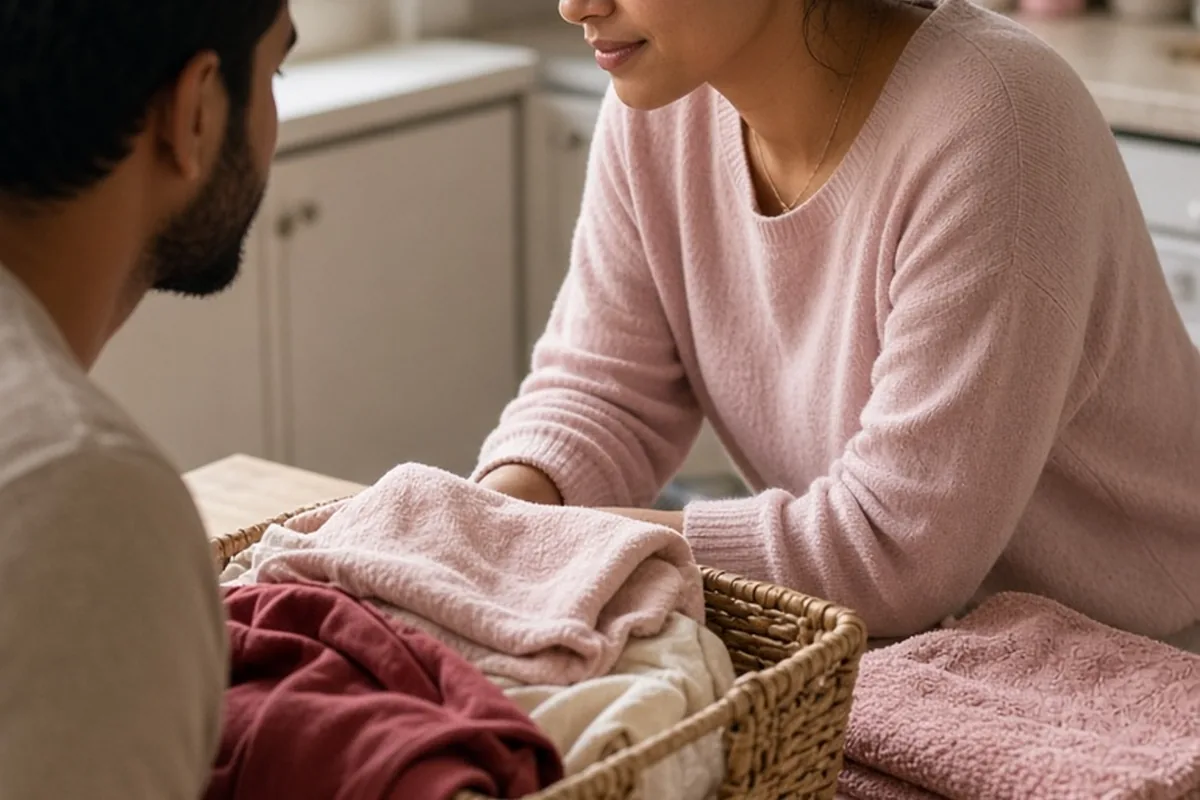
An arranged marriage love story begins with mutual selection and aligned core values, but deep romantic love develops deliberately over time. Unlike conventional dating where emotional attachment precedes formal commitment, arranged setups allow two autonomous adults to build attraction, trust, and intimacy from a shared foundation of intent, curiosity, consistent communication, and mutual respect.
Modern arranged partnerships are rarely about passive compliance or instant cinematic magic. Instead, they function as thoughtful introductions where two individuals actively decide how to turn a structured beginning into an authentic, deeply romantic lifelong bond.
Transitioning from Formal Introductions to Authentic Curiosity
The early phase of an arranged courtship often feels like an interview. Families discuss careers, cultural backgrounds, and logistical practicalities, which can inadvertently push personal chemistry into the background. To transform an introduction into the beginning of a genuine love story, both partners must intentionally pivot from evaluating resumes to exploring who the other person truly is. This requires dropping performative perfection and showing genuine curiosity about the other person's quirks, daily stressors, private ambitions, and sense of humor.
Moving past superficial topics takes deliberate effort. Instead of repeating standard questions about career milestones, ask open-ended questions that reveal values and emotional worldview, such as asking what a restful weekend looks like or how they recharge after a difficult week. For example, rather than asking if someone likes traveling, asking about their favorite childhood memory or a challenge that shaped their perspective invites vulnerability. The trade-off during this phase is comfort; moving beyond prepared answers can feel awkward initially, but it is the only way to determine whether real emotional compatibility exists.
Cultivating Chemistry and Attraction Without Forcing the Spark
A common concern for men and women entering an arranged marriage is the fear that physical or romantic chemistry will not appear. Pop culture teaches that attraction must be instant, explosive, and effortless. In reality, romantic attraction often grows as familiarity, emotional safety, and mutual admiration deepen. When you know someone respects your boundaries, listens attentively, and shows reliable kindness, physical and emotional attraction naturally have room to take root.
To foster this connection, create low-pressure environments for shared experiences rather than high-stakes formal dinners. Activities like cooking together, browsing a bookstore, walking in a quiet park, or attending an informal event encourage spontaneous interaction and natural laughter. If physical attraction feels slow to develop, focus first on warmth, eye contact, and attentive listening. Recognizing that attraction is dynamic rather than fixed allows affection to develop organically without the anxiety of trying to force an instant spark.
Establishing Emotional Safety and Protecting Couple Privacy
Arranged marriages inherently involve extended families, which brings substantial support but can also introduce external pressure. A vital milestone in turning an arrangement into an authentic love story is creating an emotional boundary around the couple. Both partners must feel confident that their private conversations, minor disagreements, and personal vulnerabilities will not be shared with parents, in-laws, or mutual friends.
Building this private sanctuary requires explicit agreements. Take the time to reassure your partner that what they share with you stays strictly between the two of you. When family opinions arise regarding wedding preparations, living arrangements, or career decisions, present a unified front. For example, if a relative offers unsolicited advice on how to organize your home, discuss the matter privately as a team before responding together. Protecting each other's dignity in front of family creates deep loyalty and emotional safety, which are essential ingredients for lasting romance.
Navigating Disagreements and Differences in Upbringing
Even when two people share the same broader cultural or socioeconomic background, every household operates under its own unwritten rules. In an arranged marriage, discovering these differences in daily habits, communication styles, and financial attitudes is inevitable. Conflict during the initial months is not a sign that the match was a mistake; rather, it marks the beginning of negotiating a new, unique marital culture tailored to the two of you.
Constructive conflict requires shifting from defending your family's way of doing things to co-creating shared habits. When a disagreement occurs—whether about household chores, spending priorities, or managing downtime—avoid generalizations like claiming your way is the normal way. Instead, clearly describe your preferences while asking your partner to explain theirs. The limit here is accepting that compromise takes time and active negotiation. Resolving differences through calm, collaborative dialogue builds mutual trust far faster than uninterrupted harmony ever could.
Developing Deep Friendship Through Daily Shared Routines
Enduring romance in an arranged marriage is sustained primarily by friendship. Grand romantic gestures are meaningful, but day-to-day companionship provides the true foundation for long-term affection. Sharing morning coffee, tackling chores side by side, debriefing the workday, and finding shared humor in ordinary mishaps transform two relative strangers into best friends and devoted partners.
Cultivating this everyday camaraderie involves building small, repeatable rituals of connection. Dedicate fifteen minutes every evening to talk without screens, cook a meal together once a week, or establish an inside joke over an eccentric television show. When one partner is overwhelmed, stepping in with practical support—such as handling an errand or offering a quiet space to rest—communicates love more clearly than formal declarations. Friendship turns a partnership based on compatibility into a warm, joyful alliance.
Letting Go of Comparisons and Embracing Your Unique Trajectory
Couples in arranged marriages often fall into the trap of comparing their journey to love marriages seen among friends or in media. Dating relationships typically experience an initial high of infatuation that gradually settles into domestic commitment. Arranged marriages often follow the inverse trajectory: they begin with a commitment to build a life together, followed by a gradual, steady rise in intimacy, passionate romance, and profound emotional attachment.
Embracing this reversed arc frees you from unrealistic timelines. You do not need to feel completely understood or passionately in love within the first month. Real love in an arranged marriage is forged through shared milestones, weathered difficulties, and intentional choices to show up for each other every day. Recognizing that your love story is being written forward—grounded in intentional partnership rather than fleeting novelty—allows you to appreciate every small step of emotional growth.
Illustrative Scenarios
Moving Past Formal Small Talk
After their families arranged an introduction, Arjun and Priya found their early phone calls stiff and repetitive. Both felt pressured to sound accomplished and agreeable, resulting in polite conversations that lacked genuine warmth. Arjun worried they had no chemistry. Instead of pulling away, he suggested a casual walk at a local plant nursery rather than another formal dinner. During the outing, he admitted feeling nervous and asked Priya about what actually made her laugh on a tough day. Hearing his candid confession helped Priya drop her guard, and they spent the afternoon trading stories about their families' quirks. By letting go of formality, they discovered a shared sense of humor and genuine ease.
Key point: Dropping the performative facade and sharing low-stakes honesty helps break through initial formality, creating room for authentic emotional connection.
Establishing Boundaries Around Family Input
During their first six months of marriage, Tariq and Meera found themselves stressed by well-meaning advice from both sets of in-laws about financial planning and holiday schedules. Tariq initially defended his parents' suggestions, which left Meera feeling isolated and anxious. Recognizing the growing tension between them, Tariq invited Meera to sit down privately over the weekend to establish their own shared goals. They agreed to make major household decisions together first and present a united answer to their extended families. This shift immediately reduced friction, reassured Meera of Tariq's support, and deepened their mutual trust and romantic intimacy.
Key point: Presenting a united front and keeping marital decisions private creates the emotional security necessary for romance to flourish in an arranged setup.
Frequently asked questions
How long does it typically take to fall in love in an arranged marriage?
Emotional closeness and affection often begin to take shape within a few months of consistent, open interaction, but deep romantic love usually grows gradually over the first year or two. The timeline varies widely depending on how openly both partners communicate and navigate their shared life.
What should I do if my partner and I have very different communication styles?
Discuss your preferences explicitly without framing either style as flawed. Ask your partner how they prefer to process stress and resolve conflicts, and share what helps you feel heard so you can meet each other in the middle.
Can physical intimacy develop naturally if there was little initial spark?
Yes, physical intimacy frequently develops naturally as emotional comfort, trust, and mutual admiration grow. Prioritizing open communication, respecting boundaries, and focusing on low-pressure affection allows physical attraction to build at a pace that feels comfortable for both partners.
How do we handle major lifestyle differences without offending each other's families?
Frame your new routines as a collaborative effort to build your own household culture rather than a rejection of either family's traditions. Keep discussions about domestic compromises private between you and your partner, and present your decisions calmly together.
Your next step
Choose one low-pressure activity this week to do together purely for fun, and ask an open-ended question about your partner's interests that you have never asked before.