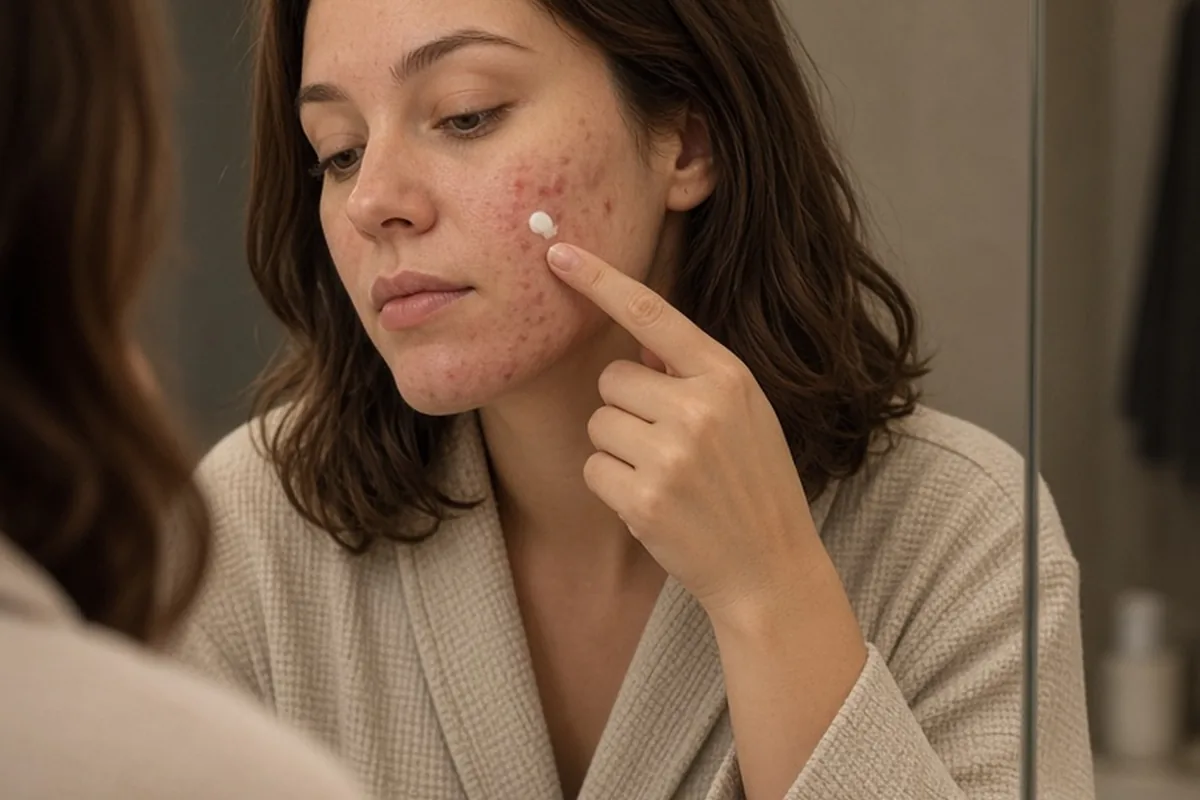
Benzoyl peroxide is generally considered low risk for topical use during pregnancy when applied in limited amounts and mild concentrations, such as 2.5% to 5%. Because only tiny amounts absorb through the skin into the bloodstream where your body rapidly metabolizes it into harmless benzoic acid, healthcare providers often permit short-contact washes or spot treatments. Always consult your obstetrician or dermatologist before starting or continuing active acne medications during pregnancy.
Hormonal fluctuations during pregnancy often trigger unexpected breakouts, leaving expectant parents searching for acne treatments that balance clear skin with prenatal safety. Navigating topical active ingredients can feel daunting when you want to protect your developing baby without letting painful blemishes compromise your comfort and confidence.
How Benzoyl Peroxide Behaves in the Body During Pregnancy
Benzoyl peroxide is an antibacterial and keratolytic agent that targets Cutibacterium acnes, the primary bacteria responsible for inflammatory blemishes. When applied to the skin, it releases oxygen inside the pore environment, destroying anaerobic bacteria while shedding dead skin cells that cause blockages. For pregnant individuals worried about fetal exposure, the primary consideration with any topical medication is systemic absorption, which refers to how much of the active compound travels through the dermis and enters the maternal bloodstream.
Clinical consensus among dermatologists and obstetricians highlights that only approximately five percent of topically applied benzoyl peroxide penetrates through the skin barrier. Once inside the skin, your tissues rapidly convert the compound into benzoic acid, an organic acid that occurs naturally in many foods and is excreted unchanged in urine without accumulating in internal organs. Because the systemic uptake remains minimal and the metabolic byproduct is non-toxic, standard medical practice generally classifies occasional, low-concentration topical benzoyl peroxide as an acceptable intervention for prenatal breakouts.
Selecting Appropriate Concentrations and Product Formats
Acne formulations commonly range from 2.5% up to 10% benzoyl peroxide, but higher percentages do not provide superior clearing power. Dermatological evaluations consistently demonstrate that a 2.5% concentration delivers virtually identical antibacterial efficacy to a 10% formulation while causing substantially less redness, peeling, and barrier disruption. During pregnancy, elevated progesterone and estrogen levels often make the skin noticeably more sensitive, making high-strength leave-on gels an unnecessary trigger for intense irritation.
Product vehicle also dictates how deeply and continuously the medication interacts with your skin. Cleansers and washes offer a short-contact approach where the active ingredient sits on the surface for thirty to sixty seconds before being rinsed away, delivering an antibacterial effect while minimizing prolonged exposure. In contrast, leave-on lotions and spot treatments maintain prolonged contact, which is best reserved for localized, stubborn papules rather than broad daily application across the entire face, chest, or back.
- Choose water-based foaming or cream cleansers with 2.5% to 4% benzoyl peroxide for balanced daily or alternate-day maintenance.
- Reserve 2.5% leave-on gels for targeted spot treatment directly on inflamed pimples rather than applying thick layers across clear areas.
- Avoid 10% leave-on lotions, body sprays, and alcohol-heavy astringents that strip the lipid barrier and provoke reactive inflammation.
Managing Increased Skin Sensitivity and Moisture Loss
Pregnancy alters cutaneous hydration levels, rendering many individuals prone to sudden dryness, flaking, and heightened reactivity even if their skin was naturally oily before conception. Benzoyl peroxide naturally reduces surface oil and accelerates cellular turnover, an action that can quickly compromise a delicate moisture barrier if applied too aggressively. If your skin barrier becomes compromised, micro-tears and chronic redness can worsen existing breakouts by allowing secondary bacteria and environmental irritants to penetrate deeper into the dermis.
To mitigate irritation, introduce benzoyl peroxide gradually by using it once every two to three days rather than twice daily. Pairing the active treatment with a ceramide-rich, fragrance-free moisturizer helps seal in moisture and reinforces the intercellular lipids that keep the stratum corneum intact. If you notice persistent stinging, tightness, or visible peeling, pause application for several days, focus exclusively on hydration and barrier repair, and restart using a short-contact wash instead of a leave-on formulation.
Combining Safe Actives and Ingredients to Avoid
Crafting a prenatal skincare routine requires knowing which ingredients support benzoyl peroxide and which ones must be eliminated entirely until after delivery and nursing. Benzoyl peroxide combines well with gentle, soothing agents such as hyaluronic acid, squalane, niacinamide, and colloidal oatmeal, all of which buffer potential dryness without interfering with antibacterial activity. Sunscreen is equally crucial; pregnancy predisposes skin to melasma, also known as the mask of pregnancy, and benzoyl peroxide can heighten photosensitivity, making daily mineral broad-spectrum protection essential.
Certain classic acne fighters must be avoided due to established maternal-fetal risks. Oral isotretinoin and all topical retinoids, including prescription tretinoin, tazarotene, and over-the-counter adapolene or retinol, carry contraindications during pregnancy and must be discontinued immediately. High-dose leave-on salicylic acid and chemical peels should also be avoided in favor of gentler exfoliants, ensuring that your anti-blemish regimen remains within well-documented prenatal safety boundaries.
- Safe partners: Niacinamide, hyaluronic acid, ceramides, zinc oxide, and titanium dioxide sunscreens.
- Ingredients to avoid: Prescription and over-the-counter retinoids, high-percentage salicylic acid peels, and oral tetracycline antibiotics.
- Ingredients needing doctor approval: Topical clindamycin, hydroquinone, and prescription combination creams.
Designing a Balanced Morning and Evening Routine
A practical prenatal routine emphasizes barrier preservation, steady anti-inflammatory care, and rigorous sun defense without overloading your skin with conflicting products. In the morning, focus on gentle cleansing, replenishing hydration, and shielding your skin from UV-induced hyperpigmentation. A mild, soap-free cleanser followed by a lightweight hyaluronic acid serum and a broad-spectrum mineral sunscreen containing zinc oxide provides a calm foundation that protects against pregnancy-induced discoloration.
In the evening, structure your routine around targeted blemish management and deep barrier restoration. If you use a benzoyl peroxide wash, apply it to damp skin, massage gently for thirty seconds, rinse thoroughly with lukewarm water, and pat dry with a clean towel that you do not mind bleaching. Follow immediately with a lipid-replenishing cream containing ceramides or fatty acids. If using a spot treatment instead, apply your moisturizer first, allow it to absorb for five minutes, and dab a pea-sized amount of 2.5% benzoyl peroxide directly onto active papules to buffer potential stinging.
Gentle Topical Alternatives to Benzoyl Peroxide
If your skin cannot tolerate the drying effects of benzoyl peroxide, or if you prefer an option with broader dual-action benefits, several pregnancy-friendly alternatives exist. Azelaic acid is widely regarded as one of the most effective and versatile prenatal choices. Available over the counter at 10% or by prescription at 15% to 20%, azelaic acid reduces inflammation, inhibits acne-causing bacteria, unclogs pores, and actively lightens post-inflammatory hyperpigmentation and melasma without bleaching clothing or peeling the skin.
Other mild choices include low-concentration alpha hydroxy acids like lactic acid or glycolic acid, which dissolve dead surface cells to prevent microcomedones from forming. Topical sulfur cleansers and masks provide a time-tested antimicrobial option that calms redness and absorbs excess sebum with very low systemic absorption. Evaluating these alternatives ensures that if your skin exhibits persistent reactivity to peroxides, you still possess reliable, dermatologically sound pathways to clear, comfortable skin.
- Azelaic acid: Targets active redness, swelling, and residual dark marks while remaining exceptionally gentle on sensitive skin.
- Lactic acid: Delivers mild surface exfoliation while simultaneously functioning as a natural humectant that pulls moisture into dry skin.
- Topical sulfur: Offers mild antibacterial and anti-inflammatory properties suitable for short-contact spot masks and cleansers.
Consulting Your Obstetric and Dermatological Team
Every pregnancy presents unique medical considerations, from gestational timing to concurrent maternal health conditions. Before introducing any active pharmaceutical ingredient into your regimen, share your complete product list with your obstetrician, certified nurse-midwife, or dermatologist. Medical teams appreciate specific information; bringing the physical product bottles or clear photos of the active ingredient percentages allows your provider to make swift, individualized assessments rather than relying on generalized assumptions.
During your appointment, clarify whether your breakouts are predominantly comedonal, inflammatory, or cystic, as cystic hormonal lesions rarely respond to surface-level topical washes alone and may warrant prescription topical therapies such as azelaic acid or erythromycin lotions. Open communication with your care team ensures that your aesthetic goals remain aligned with clinical safety protocols throughout each trimester and into postpartum feeding.
Illustrative Scenarios
Adjusting Concentration and Method During the Second Trimester
An expectant parent experienced sudden inflammatory breakouts along her jawline at sixteen weeks gestation. Her previous pre-pregnancy routine centered around an aggressive 10% leave-on benzoyl peroxide cream, but resuming this product led to severe peeling, burning, and increased skin sensitivity. After discussing options with her obstetrician and dermatologist, she switched to a 2.5% short-contact foaming wash used three evenings per week, followed by a ceramide barrier cream. This adjustment allowed the antibacterial active to manage the jawline inflammation without compromising her moisture barrier.
Key point: Lower concentrations and short-contact washing deliver the necessary antibacterial benefits of benzoyl peroxide while substantially reducing the risk of cutaneous irritation in pregnancy-sensitized skin.
Frequently asked questions
Can benzoyl peroxide harm an unborn baby?
Topical benzoyl peroxide is absorbed through the skin in very minimal amounts, approximately five percent, and is quickly converted by the body into harmless benzoic acid. As a result, healthcare professionals generally consider low-strength topical washes and localized spot treatments safe during pregnancy when used as directed.
Does benzoyl peroxide bleach clothing and bedding?
Yes, benzoyl peroxide is a potent oxidizing agent that will permanently bleach colored fabrics, pillowcases, and towels. To protect your linens, rinse washes off thoroughly with warm water, use white towels, and allow leave-on treatments to dry completely before coming into contact with clothing.
Can I use benzoyl peroxide while breastfeeding?
Topical benzoyl peroxide is generally compatible with breastfeeding because systemic absorption is minimal and unlikely to pass into breast milk in clinically meaningful amounts. You should avoid applying the product directly to the chest or areola area to prevent the nursing infant from accidentally ingesting or rubbing against the medication.
Is a 2.5% strength as effective as a 10% strength for acne?
Clinical dermatology studies confirm that 2.5% benzoyl peroxide is just as effective at reducing acne bacteria and clearing inflammatory pimples as higher 5% and 10% strengths. Choosing 2.5% significantly lowers the incidence of flaking, erythema, and dryness, making it the preferred choice for pregnancy.
Your next step
Review your current skincare bottles, verify that any benzoyl peroxide product is 5% or lower, and confirm its use with your obstetrician at your next routine prenatal appointment.