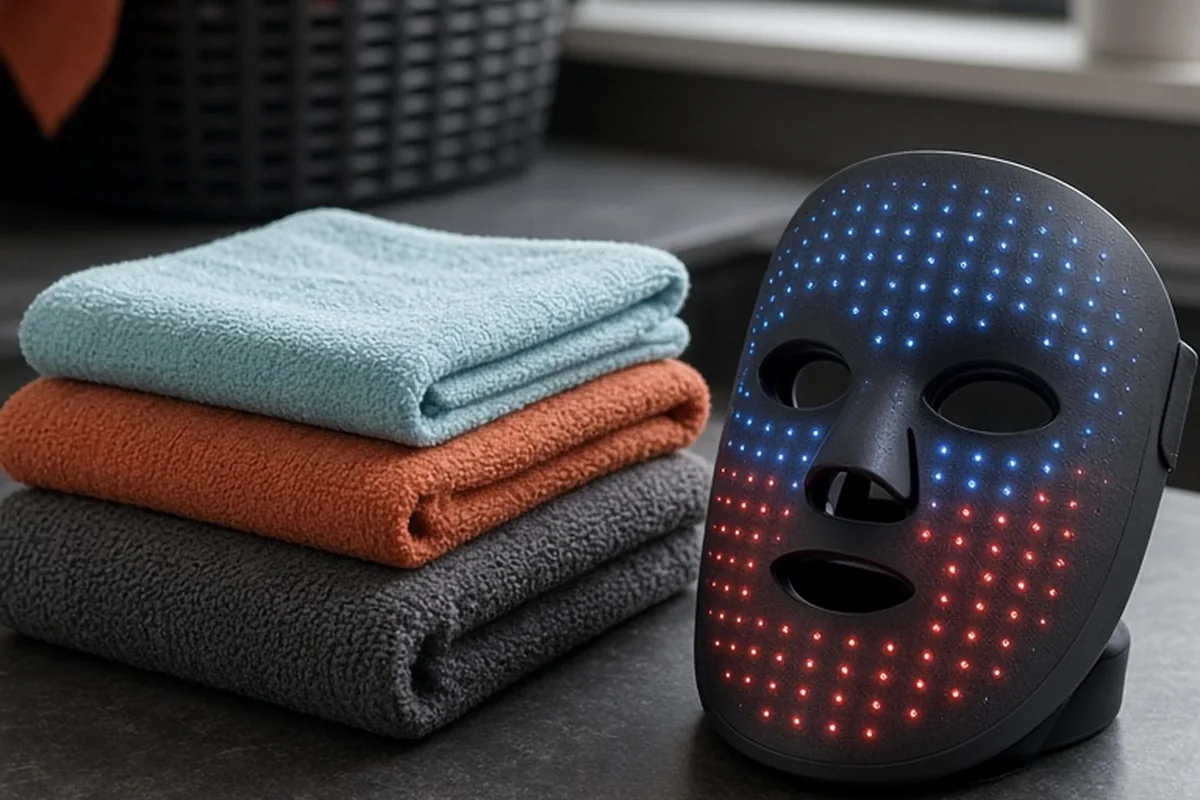
The best at home LED masks balance proven light wavelengths, comfortable facial coverage, consistent energy output, and recognized electrical safety standards. High-performing options typically incorporate red light to support natural skin elasticity, near-infrared light for deeper tissue rejuvenation, and targeted blue light to help manage mild acne, all built into either flexible medical-grade silicone or durable contoured frames that fit securely.
Light therapy has shifted from clinical treatment rooms into everyday personal care routines, giving people the ability to support their skin health on their own schedule. Finding the right mask involves understanding how different light spectrums interact with tissue, assessing hardware durability, and selecting an ergonomic shape that encourages steady, long-term use.
Understanding Essential Light Wavelengths and Their Target Benefits
Light-emitting diode masks rely on distinct spectrum wavelengths measured in nanometers to interact with superficial and deeper layers of the skin. Red light, typically centered between 630 and 660 nanometers, works within the upper dermal layers to promote a refreshed complexion, soothe minor surface redness, and assist in maintaining firm skin texture over extended periods. Because it does not rely on thermal heat or abrasive friction, red light provides a gentle approach for individuals seeking to soften visible fatigue and support natural skin renewal without peeling or downtime.
Blue light operates at a shorter wavelength, generally around 415 nanometers, concentrating its activity on the outermost skin layer where oil, dead cells, and surface microbes reside. It is commonly chosen by those managing periodic breakouts or congested pores, as the wavelength helps calm surface inflammation and limit bacteria buildup. Many advanced devices also add near-infrared light, measuring roughly 830 to 850 nanometers. Near-infrared penetrates deeper than visible red light, helping to improve overall tissue circulation and support overall cellular recovery, though it remains completely invisible to the naked human eye during operation.
Flexible Silicone Versus Rigid Molded Mask Architecture
The physical build of an at-home light mask significantly influences both comfort and light absorption during each treatment session. Flexible silicone masks have become widely popular because they rest directly against the contours of the face, minimizing the gap between the internal diodes and the epidermis. By maintaining close contact across curved areas such as the jawline, nose, and temples, soft silicone models ensure relatively uniform light exposure while remaining lightweight enough to pack easily into a travel bag or overnight tote.
In contrast, rigid hard-shell masks maintain a fixed, dome-like distance away from the skin, relying on higher-intensity bulb placement or broader internal reflectors to disperse light across the face. While rigid shells can be easier to wipe clean and often feature built-in eye protection or touch controls on the frame itself, their inflexible structure means certain facial profiles may experience uneven distance from the light source. Selecting between these two styles usually comes down to personal facial shape, storage preferences, and whether you prefer a snug wrap or a structured visor that sits away from sensitive areas.
Evaluating Power Density, Battery Life, and Controller Features
A device's clinical usefulness depends on its irradiance, also referred to as power density, which measures the amount of light energy delivered per square centimeter of skin surface. Masks with insufficient power density may require excessively long treatment sessions to provide noticeable benefits, while well-engineered units deliver balanced energy within ten to twenty minutes per session. When evaluating specifications, look for clear manufacturer disclosures regarding power output rather than merely counting the total number of light bulbs placed on the interior circuit board.
Practical usability also hinges on the power source and controller configuration. Rechargeable cordless battery packs offer full mobility, allowing you to read, fold laundry, or work at a desk during your session without being tethered to a wall outlet. However, cordless controllers require disciplined recharging and will eventually face battery degradation over several years. Corded models eliminate battery wear and ensure unwavering energy output throughout the entire session, but they require you to remain stationary near an electrical outlet for the duration of the cycle.
Matching Device Capabilities to Your Specific Skin Profile
Choosing an appropriate mask requires a clear assessment of your primary skin goals, natural tolerance, and existing sensitivities. Individuals dealing with dullness, environmental exposure, and initial signs of aging often gain the most utility from dedicated red and near-infrared combinations that target skin suppleness without generating drying heat. For those managing persistent congestion, a dual-mode mask that alternates between red and blue wavelengths provides a balanced regimen, addressing active surface blemishes while comforting irritated surrounding areas.
Conversely, individuals with hyperpigmentation or sensitive conditions such as melasma should exercise caution when selecting high-energy light devices. Some broader-spectrum or heat-generating devices may inadvertently trigger pigment flare-ups if the mask traps too much ambient warmth against the skin. If your skin reacts strongly to temperature shifts or friction, prioritizing a lightweight, highly breathable design with low thermal output helps maintain skin comfort while preventing unwanted pigmentation shifts.
Building a Safe and Effective Weekly Treatment Routine
Consistency is far more critical than session duration when incorporating light therapy into an existing skincare protocol. Most manufacturers recommend using the mask three to five times per week for approximately ten to fifteen minutes per application. It is generally best to apply the mask to freshly cleansed, completely dry skin before applying thick creams, occlusive balms, or sunscreens, as heavy cosmetic layers can scatter or reflect incoming light rays before they effectively reach the epidermal barrier.
After concluding a session, you can proceed with your standard hydrating serums, moisturizers, and barrier-supporting products. Active ingredients such as retinol, alpha hydroxy acids, or strong chemical exfoliants are best applied after your light therapy session rather than beforehand, as applying sensitizing topicals prior to light exposure can occasionally produce unnecessary irritation. Keeping a steady schedule during morning or evening self-care helps establish a predictable habit without overwhelming your skin barrier.
Eye Safety, Sanitization, and Hardware Maintenance
Protecting your vision is a non-negotiable consideration whenever working with concentrated light-emitting diodes, particularly high-output blue or bright red arrays. High-quality masks come equipped with built-in silicone eye inserts or separate blackout goggles designed to block direct ocular exposure. Even when using protective eye inserts, you should avoid looking directly into illuminated diodes when powering the device on, and keep your eyes gently closed during the treatment if you experience light sensitivity or visual discomfort.
Hygiene and physical maintenance ensure your device remains sanitary and mechanically sound across months of regular use. Because the interior surface rests near skin oils, sweat, and residual cleansers, wipe the device down thoroughly after every session using a soft microfiber cloth slightly dampened with water or gentle alcohol-free sanitizing wipes. Never submerge an electrical mask in water, avoid harsh solvent-based cleansers that can degrade protective optical coatings, and store the mask flat in a protective sleeve away from direct sunlight.
Managing Expectations and Calculating Long-Term Device Value
At-home light therapy is an ongoing supportive modality rather than an overnight corrective fix. While in-office medical lasers deliver high-intensity pulses for rapid transformation, home masks deliver low-level energy designed for gradual, cumulative improvements over eight to twelve weeks of sustained use. Keeping realistic milestones helps prevent premature disappointment; users typically observe subtle improvements in skin brightness and hydration retention well before noticing changes in deeper fine lines or stubborn texture.
When assessing cost, compare the one-time purchase price against the ongoing expense of salon visits, clinic appointments, or disposable sheet masks. A reputable, durable unit backed by a multi-year warranty often provides substantial cost efficiency over several years of home use. Investing in a certified device from an established brand with accessible customer support ensures you receive reliable customer assistance, replacement parts, and genuine optical components that perform consistently over time.
Frequently asked questions
How often should I use an at home LED mask to see results?
Most manufacturers recommend using the device three to five times weekly for ten to twenty minutes per session. Visible improvements in skin tone and radiance typically appear after eight to twelve weeks of disciplined, regular application.
Can I use active skincare serums underneath my LED mask?
It is best to use your mask on clean, dry skin to ensure maximum light penetration through the skin barrier. Applying heavy creams, oils, or strong exfoliating actives before your session can block light or cause unnecessary skin irritation.
Are at home LED light masks safe for everyday use?
While non-thermal LED technology is generally gentle, following manufacturer usage guidelines is essential to prevent overexposure or mild skin dryness. Using the mask once per day within recommended timeframes is typically well tolerated by most skin types.
Do I need to wear eye protection while using a light therapy mask?
Yes, using integrated silicone eye guards or protective blackout goggles is strongly advised to prevent eye strain and discomfort. Keeping your eyes closed during high-intensity red or blue light cycles provides an extra layer of visual protection.
Your next step
To choose the right at-home LED mask, review your primary skin goals, select a device with verified wavelengths and a comfortable fit, and commit to a consistent three-to-five day weekly routine on clean skin.