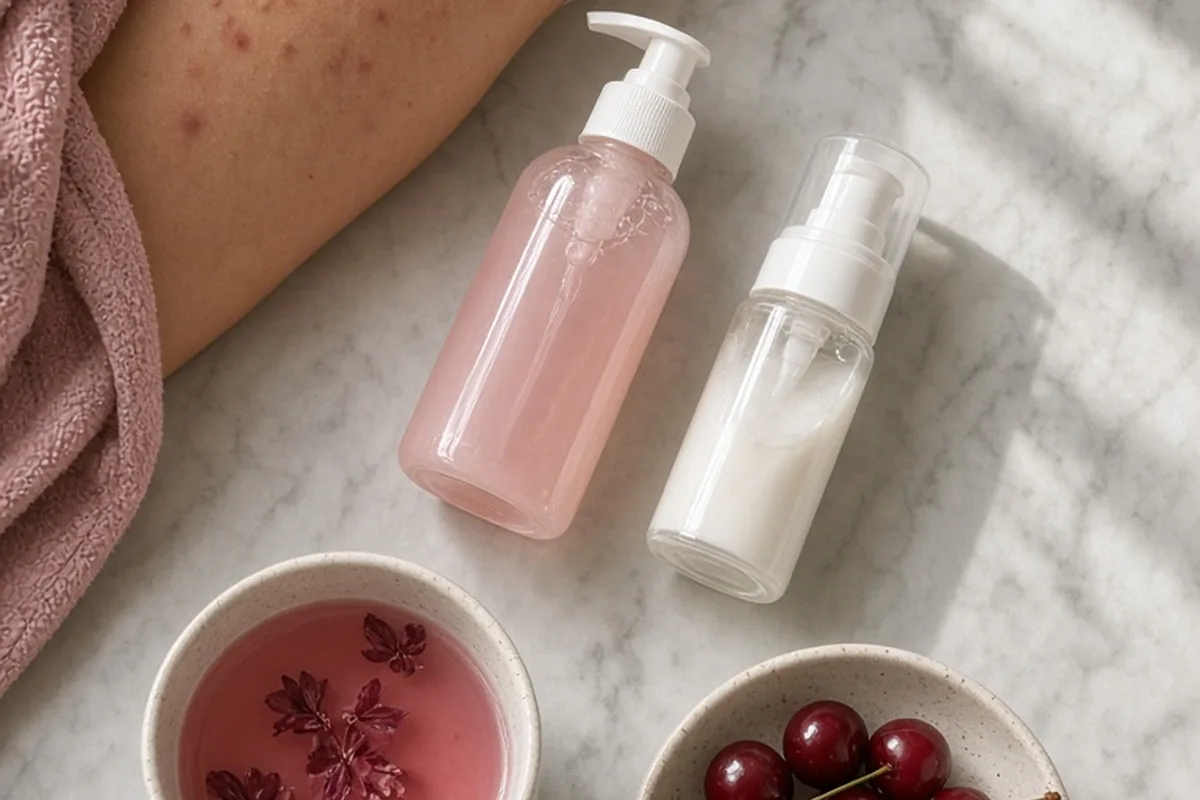
The best body acne wash depends on your breakout type, skin sensitivity, and the affected body area. Cleansers formulated with salicylic acid work best for clearing clogged pores, blackheads, and rough texture, while benzoyl peroxide formulas excel at reducing inflammatory, red pimples on the chest and back. For sensitive or dry skin, gentle surfactant bases paired with barrier-supporting ingredients like ceramides or glycerin help prevent irritation during regular use.
Body breakouts on the back, chest, and shoulders present distinct challenges compared to facial blemishes because body skin is thicker, oil glands are dense, and clothing friction causes continuous irritation. Selecting an effective body acne wash requires evaluating active ingredients, carrier formulations, and application habits to clear blemishes without stripping the skin barrier.
Salicylic Acid vs. Benzoyl Peroxide in Body Acne Cleansers
The two most reliable active ingredients in over-the-counter body acne washes are salicylic acid and benzoyl peroxide. Each functions through a different biological mechanism, meaning the best choice depends on whether your breakouts are primarily non-inflammatory congestion or inflamed, tender blemishes. Salicylic acid is an oil-soluble beta hydroxy acid (BHA) that penetrates deep into sebum-filled follicles. It loosens dead skin cells, dissolves excess surface oil, and unplugs comedones before they develop into raised bumps. This makes salicylic acid ideal for treating widespread blackheads, small whiteheads, and rough, bumpy skin texture across the back and shoulders.
Benzoyl peroxide functions primarily as an antibacterial and mild keratolytic agent. It introduces oxygen into the pores, neutralizing acne-causing bacteria that thrive in low-oxygen environments. Because of its targeted antimicrobial action, benzoyl peroxide is particularly effective against red, swollen papules and pustules common on the upper back and chest. However, benzoyl peroxide comes with distinct trade-offs. It can cause noticeable dryness or peeling when introduced too quickly, and it permanently bleaches dyed fabrics, including shower towels and clothing, if not thoroughly rinsed away. Selecting between these two active ingredients requires assessing whether your primary concern is clogged pore texture or active bacterial inflammation.
Further reading: American Academy of Dermatology: Acne
Matching Cleanser Formulations to Body Acne Types and Locations
Body acne behaves differently depending on where it appears on the body, requiring tailored product selections for different zones. The skin on the upper back is relatively thick and resilient, containing a high concentration of sebaceous glands that produce substantial oil throughout the day. This area can generally tolerate higher active ingredient concentrations, such as a strong benzoyl peroxide wash, provided the formula is rinsed completely. Conversely, chest skin is thinner, more delicate, and significantly more prone to contact dermatitis and dry patches. Using an aggressive drying wash on the chest often triggers redness and compromised barrier function, making gentle salicylic acid washes or buffered foaming cleansers a safer option for that area.
It is also critical to distinguish standard acne vulgaris from other conditions that mimic acne, such as folliculitis. Breakouts on the buttocks, thighs, or lower back are frequently caused by inflamed hair follicles rather than traditional acne. When hair follicles become infected by yeast or bacteria due to friction from athletic wear and trapped sweat, standard drying acne washes may fail to resolve the issue or may even exacerbate irritation. For friction-related folliculitis, lightweight washes containing mild chemical exfoliants like lactic acid or low-strength salicylic acid help keep follicle openings clear without disrupting the natural microflora of the skin.
Further reading: American Academy of Dermatology: Acne
Evaluating Surfactants and Hydrating Ingredients to Protect the Skin Barrier
An effective body acne wash must balance clarifying active ingredients with a gentle, non-stripping cleansing base. Traditional bar soaps and harsh body washes often rely on alkaline surfactants that create a squeaky-clean sensation. While this feeling may seem desirable when dealing with oily skin, alkaline products raise the skin surface pH, degrade essential stratum corneum lipids, and cause moisture loss. When the protective skin barrier is stripped, the body frequently responds by overproducing oil, while the compromised outer layer becomes vulnerable to increased inflammation and bacterial colonization.
Look for cleansers built on syndet bases or mild amphoteric and non-ionic surfactants that clean effectively while maintaining an acidic pH near natural skin levels. In addition to gentle cleansing agents, high-performing formulas incorporate humectants and barrier-supporting lipids to offset potential irritation from active exfoliants. Ingredients like glycerin, hyaluronic acid, ceramides, and colloidal oatmeal help the skin retain hydration during the washing process. Formulations that pair an active acne-fighting ingredient with soothing humectants allow for consistent, long-term use without triggering flaking, tightness, or reactive redness.
How to Use an Active Body Cleanser for Maximum Efficacy
Application technique plays a major role in whether a body acne wash delivers noticeable results. Unlike leave-on creams and serums, rinse-off cleansers only remain on the skin for a brief period. Applying a medicated wash and immediately rinsing it off prevents the active ingredients from penetrating the thicker epidermal layers of the back and torso. To maximize effectiveness, apply the cleanser to damp skin, work it into a rich lather over the breakout-prone areas, and allow it to sit on the skin for one to three minutes before rinsing thoroughly with lukewarm water. This short contact time gives the active molecules sufficient opportunity to enter the pore lining.
Shower sequencing and physical application methods are equally critical. Many hair conditioners contain heavy emollients, silicones, and quaternary compounds that can coat the upper back and shoulders, clogging pores if left on the skin. Always wash and rinse your hair completely before applying your body acne wash as the final cleansing step in the shower. Additionally, avoid scrubbing inflamed skin with abrasive loofahs, coarse brushes, or rough washcloths. Physical abrasion causes micro-tears in the skin and worsens inflammatory acne lesions. Using clean hands or a soft, non-porous silicone applicator ensures gentle, even coverage without mechanical irritation.
Common Formulation Pitfalls and Hidden Irritants to Avoid
Many body washes marketed for blemish-prone skin contain ingredients that undermine treatment progress. Heavy synthetic fragrances, essential oils, and masking scents are among the most common culprits. Ingredients like peppermint oil, tea tree oil, menthol, and citrus extracts are often added to provide a cooling or tingling sensation that marketing materials associate with deep cleaning. In reality, a tingling sensation is usually an indicator of sensory irritation and localized contact dermatitis rather than therapeutic activity. For sensitive or inflamed skin, daily exposure to volatile fragrances can elevate baseline inflammation and compromise healing.
Another formulation pitfall involves the inclusion of jagged physical scrubs, such as crushed walnut shells, apricot kernels, or coarse salt granules, within an active chemical wash. Combining harsh physical abrasion with chemical exfoliants like salicylic acid places excessive stress on the moisture barrier, causing micro-fissures and widespread flaking. Furthermore, formulas containing high concentrations of denatured alcohol may provide a temporary matte finish but rapidly dehydrate the outer epidermal layers. Avoiding products with unnecessary sensitizers, jagged particulates, and high alcohol content ensures your skin receives targeted blemish treatment without collateral irritation.
Buying Criteria, Price Considerations, and Routine Integration
When shopping for a body acne wash, the cost-per-ounce is a practical factor that deserves close attention. Because body skin covers a substantially larger surface area than the face, you will use a significantly higher volume of product each month. High-end luxury cleansers rarely offer active ingredient advantages over well-formulated drugstore and pharmacy staples. Look for generous container sizes, convenient pump dispensers that simplify in-shower use, and a clear listing of active ingredient concentrations on the drug facts label. Keep in mind that retail prices, packaging configurations, and formula availability vary over time and across different geographic regions, so verifying unit pricing across local and online retailers is recommended before establishing a long-term routine.
Integrating a new medicated cleanser into your routine requires a measured approach. Rather than using an active acne wash twice daily from the start, begin by using it two to three times per week to assess your skin tolerance. If no peeling, burning, or tightness occurs after two weeks, gradually increase usage to every other day or daily. After exiting the shower, gently pat the skin dry with a clean towel and apply a lightweight, oil-free, non-comedogenic body moisturizer. Hydrating immediately after cleansing locks in moisture and offsets any drying effects from active ingredients, maintaining balanced, comfortable skin.
When to Seek Professional Dermatological Evaluation
While over-the-counter body acne washes can successfully manage mild to moderate breakouts, blackheads, and occasional surface blemishes, they have clear therapeutic limits. Severe acne forms, such as deep-seated nodules, painful cysts, or widespread lesions that leave dark spots and permanent indented scars, rarely resolve through topical cleansing alone. If your breakouts do not show noticeable improvement after six to eight weeks of consistent, correct use of a medicated wash, an evaluation by a board-certified dermatologist is the appropriate next step.
A dermatologist can evaluate whether the breakouts represent acne vulgaris or an alternative dermatological condition such as pityrosporum folliculitis, hidradenitis suppurativa, or bacterial infection. A clinician can also prescribe targeted prescription therapies, which may include topical retinoids, specialized antimicrobial cleansers, oral medications, or culture-directed treatments tailored to your specific condition and skin history.
Further reading: American Academy of Dermatology: Acne
Frequently asked questions
How long should I leave a body acne wash on my skin before rinsing?
Allowing the cleanser to remain on your skin for one to three minutes before rinsing gives active ingredients like salicylic acid or benzoyl peroxide adequate time to penetrate the pores. Rinsing the lather away immediately significantly reduces the formula's therapeutic effectiveness.
Can I use my facial acne cleanser on my back and chest?
Yes, facial acne cleansers with salicylic acid or benzoyl peroxide can be used on the body because the underlying active ingredients function the same way. However, facial cleansers are typically packaged in smaller bottles with higher price-per-ounce ratios, making dedicated body washes a more cost-effective choice for larger surface areas.
Why does benzoyl peroxide body wash bleach towels, and how can I prevent it?
Benzoyl peroxide is a potent oxidizing agent that reacts with textile dyes, causing permanent discoloration on colored fabrics. To prevent bleaching, rinse the cleanser completely from your skin before exiting the shower, and use white towels and light-colored clothing during the treatment period.
How many weeks does it take to see results from a body acne wash?
Consistent use of a medicated body wash typically produces visible improvements in skin texture and breakout frequency within four to six weeks. Because skin cell turnover takes time, sustained daily or alternate-day use is required to maintain clear pores and prevent new blemishes from forming.
Your next step
Check your current body cleanser label for active salicylic acid or benzoyl peroxide, switch to a gentle leave-on contact time of one to two minutes in your next shower, and eliminate abrasive washcloths to start clearing body blemishes comfortably.