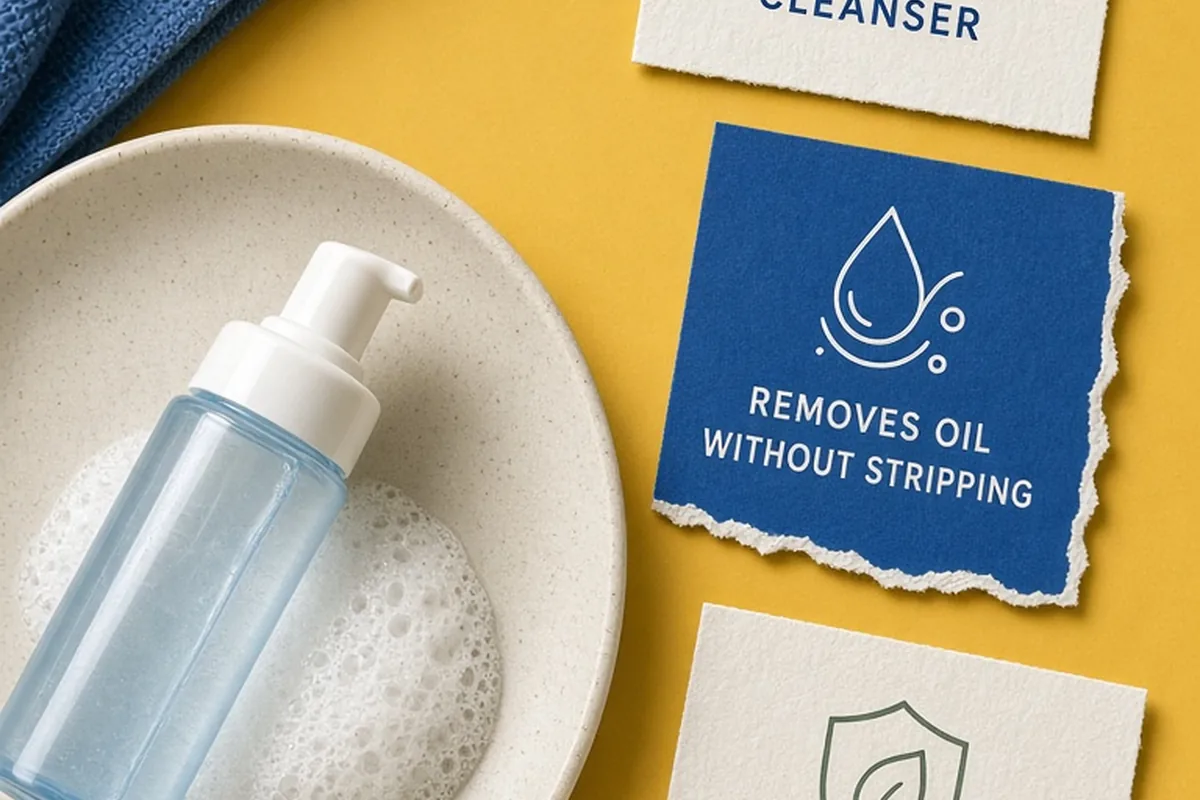
The best cleansers for oily skin use gentle foaming gel textures with surfactants that clear excess oil and dissolved debris without leaving your face tight or dry. Formulas containing beta hydroxy acids such as salicylic acid, alongside soothing ingredients like niacinamide or zinc, break down sebum inside pores while keeping the moisture barrier intact. Avoid harsh bar soaps and drying alcohol bases, which trigger rebound grease and worsen congestion over time.
Managing an oily complexion requires balancing thorough sebum removal with consistent barrier protection. When a face wash strips away natural moisture, the skin responds by producing more oil, creating an exhausting cycle of midday shine and frequent breakouts. Choosing a daily cleanser that respects your skin biology provides a clean, comfortable canvas for the rest of your routine.
Gel, Foam, and Cream Bases for Sebum Control
Cleanser textures behave differently depending on how their underlying surfactant systems interact with natural facial sebum. For individuals with oily complexions, lightweight gel and light-foaming formulas tend to offer the most practical daily experience. These bases use water-soluble cleansing agents that lift surface lipids, sweat, and environmental grime, rinsing cleanly without leaving an emollient film behind. A quality foaming gel produces a gentle lather that spreads easily across the T-zone, dissolving hardened oil near hair follicles without requiring aggressive friction from washcloths or silicone scrubbing tools.
In contrast, rich cream cleansers and cleansing balms frequently rely on heavier plant oils, waxes, or mineral oil fractions. While those richer bases serve dry or dehydrated skin types exceptionally well, they can occasionally leave residual slip that feels heavy on oily skin, potentially contributing to pore congestion if not followed by a second wash. However, this does not mean oily skin must avoid all conditioning ingredients. Modern gel formulations often incorporate humectants such as glycerin and hyaluronic acid directly into the surfactant mix. This ensures the wash carries away oxidized surface grease while simultaneously binding water to the outermost layers of the epidermis, preventing that uncomfortably tight post-wash sensation.
Active Ingredients That Target Oil and Clogged Pores
Formulas designed for oily and acne-prone skin often include active compounds that work directly within the follicle lining. Salicylic acid stands out as one of the most widely recommended ingredients for this purpose. Because it is oil-soluble, it penetrates past surface moisture to dissolve sebum plugs and loosen shedding skin cells before they coalesce into blackheads or visible blemishes. Using a wash formulated with salicylic acid allows the active agent to contact the pore lining briefly before being rinsed away, offering practical pore-clearing benefits with a lower risk of cumulative peeling compared to leave-on treatments.
Other supportive ingredients provide complementary benefits without irritating the skin surface. Niacinamide helps soothe redness, supports the skin barrier, and assists in normalizing how surface sebum appears throughout the day. Mineral components like kaolin clay or zinc PCA bind to surface oil and help soothe irritation, giving the skin a refreshed, velvety feel after rinsing. When reviewing an ingredient list, look for these functional actives placed alongside calming botanicals or barrier lipids like ceramides. The presence of replenishing ingredients ensures the active elements do not overwhelm your skin, keeping daily maintenance steady and sustainable.
Further reading: American Academy of Dermatology: Acne
Why Stripping the Moisture Barrier Worsens Oiliness
A common misstep in caring for oily skin is attempting to scrub away every trace of shine using harsh, alkaline surfactants. Traditional solid soaps and high-sulfate washes often possess an alkaline pH that disrupts the acid mantle, the slightly acidic film that protects the epidermis from bacteria and moisture loss. When this barrier is depleted, trans-epidermal water loss increases rapidly. The deeper layers of the skin become dehydrated even as the surface appears shiny, creating an unbalanced state often described as dehydrated-oily skin.
Depriving the skin of essential hydration can prompt sebaceous glands to produce compensatory oil, compounding midday shine and follicular blockage. Furthermore, an impaired barrier permits opportunistic microorganisms to trigger inflammatory responses, turning simple microcomedones into tender red pimples. A successful cleanser should leave your face feeling supple, pliable, and comfortable rather than squeaky or taut. If you feel an urgent need to apply heavy moisturizer immediately after patting your face dry to relieve tightness, your current cleanser is likely too aggressive for your skin.
Further reading: American Academy of Dermatology: Acne
Morning and Evening Cleansing Schedules for Oily Skin
Structuring your cleansing routine around practical daily exposure helps keep oil production manageable without inducing chronic irritation. In the morning, cleansing removes sweat, overnight oil secretions, and residual evening skin products. A single wash with a mild gel cleanser is typically sufficient to refresh the face and create a clean foundation for daylight sun protection and oil-free moisturizers. If your skin feels relatively balanced upon waking, rinsing thoroughly with lukewarm water or using a very diluted lather can preserve morning hydration while still banishing excess shine.
Evening cleansing requires a more thorough approach, as your face has accumulated environmental pollution, airborne particulate matter, oxidized sebum, and water-resistant sunscreen formulations over the course of the day. If you wear water-resistant sunscreens or long-wearing cosmetics, a two-step evening approach can prevent buildup. This involves starting with a lightweight cleansing oil or micellar fluid that binds to long-wear pigments, followed immediately by your primary water-based foaming gel. This sequence ensures complete removal of stubborn, oil-soluble products without requiring harsh scrubbing that inflames delicate facial capillaries.
Evaluating Cleanser Marketing Claims and Ingredient Lists
Navigating skincare product descriptions requires learning to distinguish verified functional claims from decorative marketing terminology. Terms such as non-comedogenic, dermatologist-tested, and oil-free are frequently highlighted on retail packaging. While non-comedogenic indicates that the product was formulated without ingredients historically notorious for blocking pores, the designation is not universally regulated under uniform testing standards. It serves as a helpful initial screening filter, but personal tolerance remains the ultimate arbiter of whether a specific formula works for your individual pores.
Similarly, clean or natural labels do not automatically make a cleanser superior or gentler for oily skin. In fact, many unrefined botanical extracts and essential oils added for fragrance can provoke allergic contact dermatitis or worsen surface sensitivity. Instead of chasing ambiguous marketing descriptors, evaluate the specific surfactant system. Look for gentle, non-stripping cleansing agents such as cocamidopropyl betaine, sodium cocoyl isethionate, or decyl glucoside positioned near the top of the ingredient deck. These agents effectively suspend oil droplets in water so they rinse away cleanly without degrading crucial barrier lipids.
Managing Packaging Formats, Formula Changes, and Price Variations
Practical considerations like bottle packaging and brand supply continuity play a substantial role in maintaining an effective skincare routine over time. Cleansers packaged in pump bottles or squeeze tubes are generally more hygienic and practical for oily, breakout-prone complexions than open-mouthed jars. Pump dispensers prevent shower water and ambient bathroom microbes from contaminating the bulk product, ensuring the preservative system remains effective throughout the life of the bottle. They also dispense measured amounts, reducing waste and preventing accidental overuse of concentrated surfactants.
Skincare manufacturers periodically update their product formulations, packaging sizes, and retail pricing depending on regional distribution, ingredient sourcing, and cosmetic regulations. A cleanser that previously felt balancing may suddenly contain a different botanical blend or an updated preservative system following a brand relaunch. To avoid unexpected skin reactions, inspect the packaging ingredient deck whenever you repurchase a staple wash. If the formula has altered or if retail prices change across local drugstores and specialty retailers, knowing your target active ingredients makes it straightforward to pivot to a comparable alternative without disrupting your daily routine.
When Persistent Sebum and Breakouts Need Professional Evaluation
While an appropriate non-prescription cleanser forms the baseline of good hygiene for an oily complexion, over-the-counter washes have distinct operational limits. Cleansers remain on facial skin for less than a minute before being rinsed away down the drain. If your excess oil is driven primarily by internal factors, such as hormonal shifts, genetic gland density, or metabolic conditions, surface washes alone will rarely halt profound oil overproduction or deep, inflamed cystic acne.
If you consistently experience painful nodules, widespread pustules, or scarring that does not improve after maintaining a consistent routine with over-the-counter active cleansers, consulting a board-certified dermatologist is the safest and most effective course of action. A dermatologist can differentiate common acne vulgaris from conditions like rosacea, folliculitis, or seborrheic dermatitis, which require distinct medical interventions. Professional guidance can provide targeted topical medications or systemic therapies that address the underlying sebaceous gland activity from within, preventing long-term tissue damage.
Further reading: American Academy of Dermatology: Acne
Frequently asked questions
How often should I wash my face if I have oily skin?
Most people with oily skin achieve the best results by washing twice daily, once in the morning and once in the evening before bed. Cleansing more frequently can strip your moisture barrier, leading to irritation, surface flaking, and compensatory oiliness. If you exercise or sweat heavily during the day, add a quick lukewarm water rinse or a very gentle wash immediately afterward.
Does a cleanser for oily skin need to contain salicylic acid?
A cleanser does not have to contain salicylic acid to manage oily skin effectively. If you already use a leave-on exfoliating serum, topical retinoid, or prescription acne treatment, pairing it with a simple, non-medicated foaming cleanser helps prevent cumulative dryness. Salicylic acid cleansers are most useful for individuals who prefer a single multi-tasking step to address pore congestion without adding extra leave-on layers.
Can using a cleansing oil help balanced oily skin?
Using a formulated cleansing oil or balm as the first step of an evening double cleanse can help dissolve water-resistant sunscreens and stubborn sebum plugs based on the principle that like dissolves like. However, it should always be followed by a water-based gel cleanser to rinse away any residual lipid film completely, ensuring pores remain clear and unobstructed.
Why does my oily skin feel tight after washing?
Skin feels tight after washing when the cleanser contains harsh surfactants, high alcohol levels, or an alkaline pH that strips away essential intercellular lipids. This tightness indicates that your skin barrier has been temporarily disrupted and is losing water to the surrounding air. Switch to a gentler, pH-balanced foaming gel that incorporates hydrating humectants to keep skin flexible and calm.
Your next step
Inspect your current cleanser label today to ensure it features gentle surfactants and hydrating humectants rather than harsh bar soaps or stripping alcohols, and switch to a balanced foaming gel if your skin feels tight after rinsing.