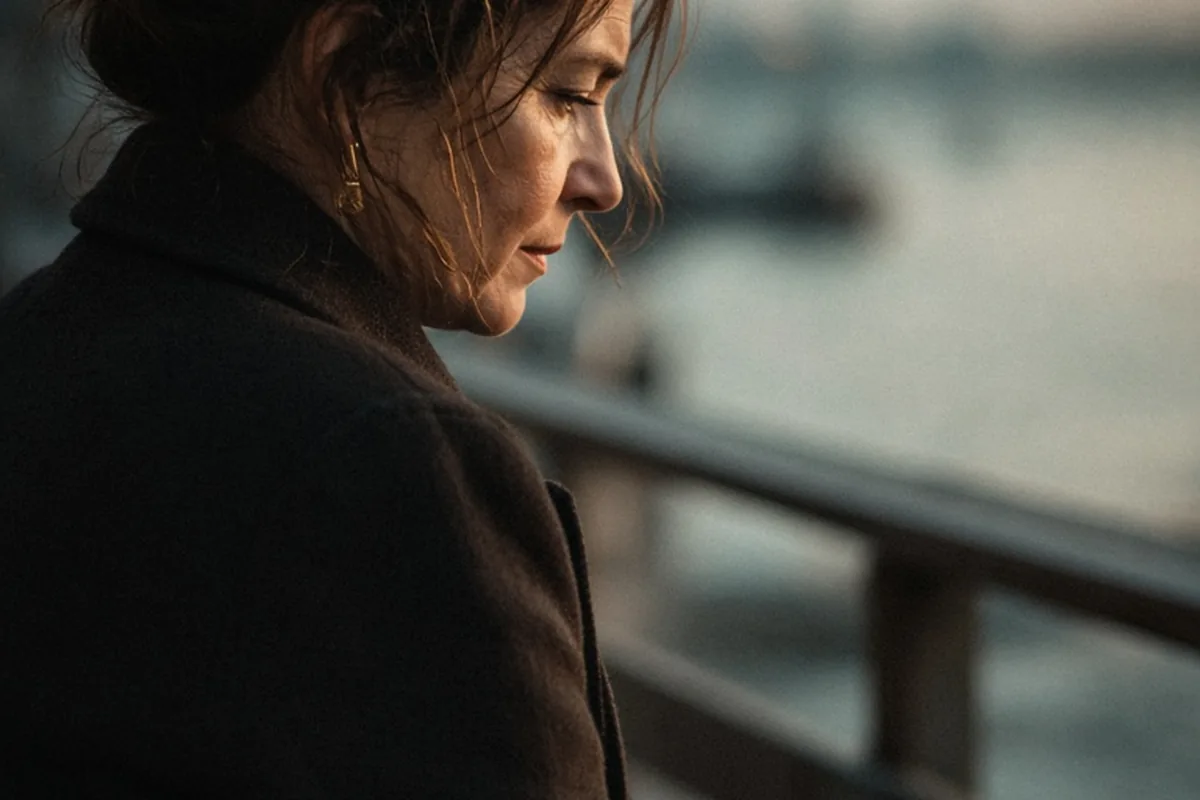
The best dating apps for widows depend on your age and goals. eHarmony and Match offer large user bases and detailed filters for serious long-term partnerships. For mature adults, SilverSingles and OurTime provide simpler interfaces focused on companionship in later life. Widow-specific communities like Chapter 2 offer shared grief understanding, while apps like Hinge suit younger widows seeking thoughtful conversation without traditional swipe culture pressure.
Re-entering the dating landscape after the loss of a spouse brings emotional and practical challenges that standard dating advice rarely addresses. Choosing the right platform means finding an environment where your history is respected, your boundaries are supported, and your personal timeline sets the pace.
Selecting Platforms by Relationship Intent and Emotional Readiness
Widows explore dating at different life stages and with vastly different emotional needs. Some people look for deep romantic partnerships, while others seek casual dinner companionship, travel partners, or low-pressure social connections. Recognizing your primary objective before downloading an application prevents early burnout and narrows your options to platforms that cater directly to your expectations.
A platform built around rapid visual swiping rarely serves someone who values slow, deliberate conversation and detailed personal backgrounds. If you want a partner who appreciates life experience and emotional maturity, platforms requiring comprehensive profile prompts and compatibility questionnaires generally provide a more comfortable environment than high-volume casual apps. Aligning the platform style with your current emotional comfort level helps you maintain personal agency throughout the process.
Mainstream Matching Apps: Match, eHarmony, and Hinge for Widowed Adults
Mainstream dating services remain popular choices for widowed individuals due to their extensive user bases and robust search capabilities. eHarmony emphasizes structured compatibility by using a comprehensive questionnaire focused on core values, communication habits, and lifestyle preferences. This structure appeals to widows who prefer deliberate matching over endless browsing, though it requires patience and a paid subscription to access messaging features.
Match provides granular search filters that allow you to specify age ranges, family backgrounds, values, and relationship goals. This makes it easier to find individuals at a comparable stage of life. For younger widows in their thirties, forties, or fifties, Hinge serves as an effective modern alternative. Its prompt-based format encourages personal storytelling rather than superficial photo assessments, giving users room to express depth, humor, and nuanced life circumstances.
Age-Focused Platforms: SilverSingles and OurTime for Mature Widows
For widowed individuals over the age of fifty, general dating platforms can sometimes feel overwhelming or misaligned with generational communication styles. SilverSingles and OurTime cater specifically to mature demographics, offering simplified web and mobile interfaces designed to facilitate straightforward connections without excessive gamification.
SilverSingles utilizes a personality assessment to deliver a curated list of daily matches, reducing the time spent searching through broad directories. OurTime functions more like a community portal, allowing members to browse local profiles, send greetings, and join group activities or virtual mixers. While these platforms host a significant proportion of widowed and divorced members who understand late-in-life transitions, member activity levels can vary significantly by geographic region, making local user density an important factor to check before purchasing a subscription.
Grief-Specific Communities and Peer-Support Dating Networks
Navigating dating among people who have never experienced the death of a partner can occasionally feel isolating. Dedicated platforms such as Chapter 2 cater exclusively to widowed individuals, offering a shared foundation where members do not need to explain the complex coexistence of grief and new affection. These spaces normalize ongoing love for a late spouse alongside the desire for new companionship.
The primary limitation of grief-focused dating platforms is their smaller active user base compared to mainstream alternatives. In smaller cities or rural areas, local matches on specialized sites may be limited. Many widows find value in using grief-specific networks primarily for peer conversation and social support while utilizing larger mainstream apps for local romantic dating, combining the emotional safety of specialized groups with the geographic reach of major services.
Evaluating Costs, Free Tiers, and Subscription Model Caveats
Dating applications frequently operate on freemium models where profile creation and basic browsing are free, while essential features such as reading messages, sending direct notes, or seeing who viewed your profile require a paid plan. Subscription fees vary widely depending on billing duration, seasonal promotions, and platform tier, often ranging from monthly commitments to discounted multi-month packages.
Before entering payment details, verify the auto-renewal terms, cancellation procedures, and trial limitations. Many services automatically renew subscriptions at full price unless canceled well ahead of the billing date. It is prudent to start with a free account to assess the volume and responsiveness of active profiles in your geographic area before committing to a paid tier. Checking app store policies and website terms ensures you retain full control over billing management.
Spotting Romance Scams and Protecting Financial Boundaries
Widowed adults are frequently targeted by online romance scammers who exploit vulnerability, life changes, and emotional openness. Deceptive individuals often create polished profiles, declare intense affection quickly, and construct convincing personal narratives involving overseas work, military deployments, or international business to explain why they cannot meet in person or appear on a live video call.
Practical protection requires keeping financial and personal boundaries completely separate from your dating life. Scammers typically fabricate sudden emergencies, medical bills, travel mishaps, or lucrative investment opportunities and request funds via wire transfers, gift cards, payment applications, or cryptocurrency. Legitimate romantic prospects will never ask you for money, financial assistance, or sensitive account details. Discontinue communication immediately and report profiles that make financial requests or resist verifiable identity checks.
Preserving your privacy also involves keeping contact on the dating platform's internal messaging system during initial conversations. Avoid sharing your home address, workplace details, personal email, or private phone number until you have established mutual trust and verified the person's identity through live video interactions and public in-person meetings.
Further reading: FTC: What to know about romance scams
Pacing Your Profile Setup, Disclosures, and First Encounters
Deciding how and when to mention your late spouse on a dating profile is an entirely personal choice. Some widows prefer to state their status openly in their biography to filter for understanding matches from the start, while others choose to share this information during private messaging or during a first conversation. There is no obligation to disclose deep personal grief to the public; share only what feels comfortable to you.
When planning a first meeting, select a familiar, well-lit public venue such as a neighborhood coffee shop or casual restaurant. Arrange your own transportation to and from the venue, inform a trusted family member or friend about your plans and location, and keep the first meeting brief and low-pressure. Approaching dating as an exploratory social activity rather than an immediate search for a life replacement allows you to navigate new connections on your own terms.
Frequently asked questions
How do I know if I am ready to start dating again after losing my spouse?
Readiness is personal and rarely follows a set timeline. You may be ready when you feel genuine curiosity about meeting someone new without expecting them to replace your late spouse, and when the prospect of dating feels exciting rather than entirely overwhelming.
Should I mention that I am a widow in my dating profile bio?
You can mention it briefly if you prefer matches who understand your background upfront, or you can wait to share it during initial conversations. Choose the level of public disclosure that makes you feel most comfortable and secure.
What is the safest way to transition from app messaging to an in-person date?
Conduct a brief video call through the app or a secure service before meeting to verify identity. Arrange to meet during daytime hours in a busy public venue, provide your own transportation, and inform a friend of your plans.
Your next step
Choose one platform that matches your age and relationship goals, create a basic profile at your own pace, and explore local profiles without committing to a paid plan until you feel comfortable.