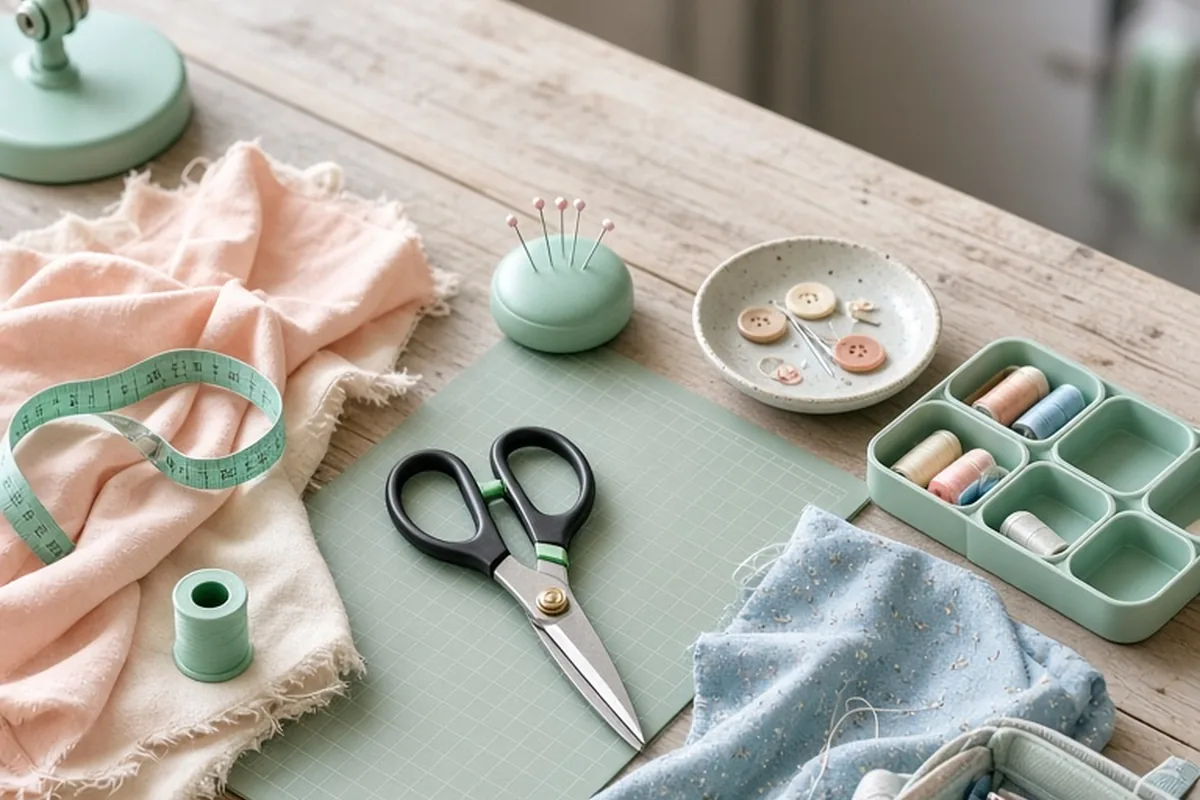
The best gifts for crafters focus on everyday ergonomic support, adaptable organization, and high-utility tools rather than niche supplies that depend heavily on individual tastes. Versatile upgrades like dimmable daylight task lamps, self-healing cutting mats, spring-assist precision shears, and modular rolling storage carts serve almost every creative discipline, making them dependable choices across papercrafts, sewing, painting, and fiber arts.
Shopping for a maker can feel daunting because crafters often maintain strict preferences for specific brands, needle sizes, or fiber weights. Instead of guessing which specialty supply is missing from their studio stash, you can give practical gifts that improve physical comfort, organize messy work surfaces, and illuminate fine details.
Ergonomic Cutting and Assembly Tools for Hand Comfort
Repetitive strain and joint fatigue affect almost every dedicated crafter, whether they spend their evenings trimming intricate quilt blocks, weeding adhesive vinyl, or bending wire for jewelry. High-grade ergonomic hand tools provide immediate physical relief by redistributing mechanical pressure away from delicate thumb joints across the broader palm and forearm. Spring-loaded shears with micro-serrated edges, contour-grip rotary cutters with automatic safety shields, and soft-touch reverse-action tweezers transform long making sessions into smoother, far less fatiguing experiences. When someone works with materials for several hours at a stretch, a tool that minimizes pinch-grip tension protects long-term hand health and keeps creative hobbies enjoyable.
A reliable example of this category is gifting titanium-coated spring-assist shears or an ergonomic rotary cutter with an angled handle. Makers rarely replace their dull starter scissors because basic household pairs still technically cut, even if they chew unevenly through delicate fabrics or cause hand cramps after ten minutes. When selecting cutting gear, verify whether the handles are ambidextrous if you do not know the recipient's dominant hand, and check that safety latches operate smoothly with minimal thumb effort. The primary trade-off to weigh is tool weight versus mechanical assist; solid forged shears deliver unbeatable precision on heavy canvas, but lightweight composite tools with assisted opening springs are vastly superior for crafters managing arthritis or tendonitis.
Modular Storage Carts and Flexible Workspace Organizers
Craft spaces expand rapidly, often turning dining tables and shared family desks into cluttered holding zones for half-finished projects and scattered supplies. Modular organization tools solve this tension by keeping essential tools visible, neatly contained, and readily transportable throughout the home. Tiered rolling utility carts built from powder-coated steel are universally appreciated because they move easily between rooms and tuck beside an easel, sewing station, or favorite living room armchair. Optional add-ons such as pegboard side baskets, magnetic bins, and removable interior dividers let makers reconfigure the shelves whenever their focus shifts from embroidery to paper crafts.
Clear drawer systems, rotating desktop carousels, and structured project caddies offer comparable advantages by eliminating the frustration of hunting for misplaced notions or accidentally buying duplicate tools. In a shared living space, a crafter can simply wheel an entire cart into a hallway closet once their session ends, avoiding lengthy cleanup routines and keeping delicate works in progress safe from curious pets or children. The primary limitation to consider is available floor clearance. If the recipient works in a compact studio apartment, an oversized three-tier cart might obstruct foot traffic; in those settings, stackable clear modular bins, hanging wall pockets, or tiered desktop racks deliver organized efficiency without claiming valuable floor area.
High-CRI Task Lighting and Hands-Free Magnification
Standard overhead home lighting rarely provides the focused brilliance or color fidelity necessary for fine handwork. Dim light forces crafters to lean forward awkwardly, causing neck strain and making it difficult to detect subtle tonal shifts between close shades. Dimmable task lights equipped with high color rendering index (CRI) LEDs reproduce natural daylight, ensuring that paints, fabrics, beads, and embroidery floss appear in their true colors. This clarity prevents the frustrating discovery that two closely matched threads or paint swatches actually clash under outdoor sunlight, while also reducing the eye fatigue that cuts evening crafting sessions short.
Gooseneck desk lamps and floor-standing units equipped with optical-grade magnifying lenses are especially helpful for intricate crafts like cross-stitch, miniature painting, and jewelry fabrication. A hands-free magnifier lets makers inspect millimeter-scale details clearly while keeping both hands positioned over their work, dramatically improving precision and posture. When choosing a lighting gift, check the mounting mechanism carefully. Clamp-on architectural lamps save substantial desk space but require a sturdy table lip with sufficient overhang. For crafters who work on soft couches or dining tables with beveled aprons, a heavy weighted-base floor lamp or a portable, wearable neck light offers superior versatility.
Universal Base Surfaces and Self-Healing Mats
A reliable base surface shields household furniture from blade scratches, pigment drips, and scorching adhesives while providing a stable, measured foundation for projects. Premium double-sided self-healing cutting mats with crisp grid markings, angle guides, and non-reflective coatings streamline layout work for quilters, papercrafters, and leatherworkers alike. The self-healing composite material absorbs cuts from utility knives and rotary blades without retaining deep grooves, ensuring that subsequent blade passes glide smoothly across the surface without catching or veering off course during critical cuts.
Non-stick silicone craft mats offer another versatile protective option, particularly for mixed-media artists, resin casters, and model makers. Cured epoxy, dried hot glue, and acrylic paints peel right off non-porous silicone without requiring abrasive scrubbing or chemical solvents, while heat resistance up to several hundred degrees safeguards wooden desks against embossing heat guns and soldering irons. The main consideration when gifting work surfaces is dimensions. A spacious 24-by-36-inch mat offers broad workspace coverage, but it can overwhelm smaller desks or become awkward to store flat. If workspace size is uncertain, a mid-sized mat or a rollable silicone sheet balances generous working area with easy storage.
Portable Project Caddies and Weatherproof Totes
Creative work rarely stays confined to a single room. Makers frequently carry projects to crafting circles, waiting rooms, coffee shops, and family trips, which makes portable organization indispensable. Standard backpacks often snag delicate yarns and crush paper or fabric folds, whereas dedicated craft totes feature specialized compartments tailored for in-progress pieces. Internal dividers, zippered vinyl pockets, and reinforced side sleeves keep sharp scissors, knitting needles, markers, and small notions separated from delicate textiles, preventing accidental punctures and messy tangles on the go.
A sturdy waxed-canvas or ripstop project bag with structured sides prevents supplies from spilling over during travel while shielding contents from dirt and light moisture. For example, a knitter working on a complex sweater can route working yarn through smooth metal grommets, preventing tangles while keeping the main ball protected from pet hair and dust. The key trade-off with portable storage involves matching bag capacity to project type. A compact pouch designed for socks or embroidery hoops will feel cramped for someone assembling garments or scrapbooks, so selecting a medium-capacity tote with flexible dividers provides the greatest all-around utility.
Everyday Consumables That Eliminate Brand Guesswork
Consumable supplies disappear quickly in any active studio, yet purchasing specialized raw materials like yarn skeins, yardage of fabric, or oil paints often backfires if you do not know the recipient's exact palette, dye lots, or project scale. You can completely bypass this dilemma by selecting high-grade, universally applicable consumables that support varied disciplines. Archival acid-free adhesives, multi-packs of standard rotary replacement blades, delicate-surface low-tack tapes, and natural beeswax thread conditioners are everyday staples that crafters continuously deplete but rarely splurge on for themselves.
Gifting premium consumables elevates routine processes that makers often cut corners on to save money. For example, professional-grade drafting tapes and repositionable glue rollers prevent paper tears and leave no sticky residue behind on delicate projects, sparing the crafter hours of frustrating repairs. Similarly, fresh sharp replacement blades protect cutting mats and ensure clean cuts through dense layers without binding. The key limitation is ensuring that the consumable matches their broad craft category; rotary blades and basting sprays delight sewists and quilters, but they will sit unused on a ceramicist's workbench. Choosing items linked to their general discipline guarantees daily appreciation.
Skill-Building Subscriptions and Open-Ended Workshops
For crafters who already possess extensive tool collections or work in smaller spaces where physical gifts create clutter, experiential gifts provide fresh inspiration without filling up shelves. Subscriptions to curated online craft learning platforms or memberships to local community makerspaces grant access to advanced equipment—such as laser cutters, pottery wheels, and industrial sewing machines—that would otherwise be cost-prohibitive to house at home. High-quality structured video courses expose makers to advanced techniques, offer fresh design challenges, and reignite creative energy when personal projects hit a creative plateau.
When selecting an educational gift, choose self-paced platforms with permanent access rather than fixed-date classes that might clash with busy work schedules. On-demand video formats allow crafters to pause intricate demonstrations, rewatch close-up angles, and practice techniques whenever convenient. The crucial guideline here is ensuring flexibility. Offering an open-ended platform membership or a voucher with course choice rather than enrolling someone in a rigid niche topic ensures they can follow their genuine interests without feeling obliged to pursue a hobby they may not enjoy.
Frequently asked questions
What should I buy if I do not know which specific crafts they practice?
Focus on broad-utility workspace upgrades that improve comfort and organization regardless of medium. A dimmable daylight task lamp, a rolling utility cart, or a high-grade silicone work mat will benefit almost any maker, whether they paint, build models, or assemble jewelry.
Are gift cards considered impersonal for crafters?
In the maker community, gift cards to specialized local craft shops or independent supply houses are highly valued rather than seen as impersonal. Crafters often have exact dye lots, blade sizes, or paper weights they need to source, making dedicated shopping funds genuinely exciting.
How do I select ergonomic tools for someone who experiences hand pain?
Look for tools with wide, cushioned handles, spring-assist opening mechanisms, and ambidextrous grips that distribute force across the whole palm. Avoid heavy solid-steel shears in favor of lightweight composite designs with titanium blades, and verify that tool latches unlock with minimal thumb pressure.
What crafting gifts are best avoided unless explicitly requested?
Avoid purchasing specific yarn colors, specialty fabric cuts, or fixed starter kits that dictate style, as experienced makers usually have distinctive tastes and existing stashes. Similarly, avoid budget multi-tools that compromise on blade sharpness or durability, as they tend to frustrate users and go unused.
Your next step
Check your recipient's current workspace or ask an open question about what part of their routine feels most fatiguing, then choose an ergonomic tool or lighting upgrade that makes their daily making easier.