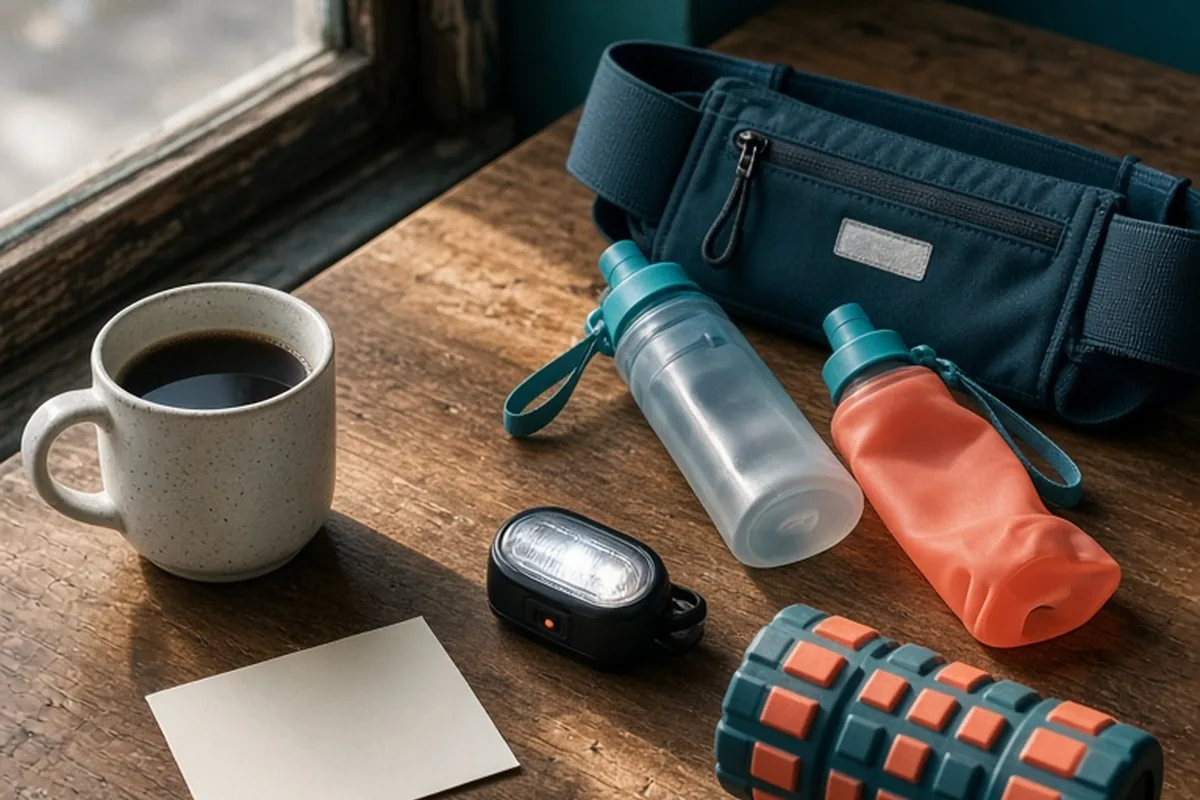
The best gifts for runners solve daily friction points like chafing, poor visibility, hydration management, and post-workout soreness. Standout choices include merino wool running socks, handheld soft flasks, lightweight clip-on safety strobes, compact massage rollers, and weather-resistant running belts. When choosing, consider their preferred distance, typical running climate, and current gear setup to select an item that integrates seamlessly into their routine.
Selecting a gift for someone who runs can feel surprisingly intimidating because seasoned runners tend to be fiercely loyal to particular shoe models, nutritional products, and apparel cuts. Fortunately, running demands an ongoing ecosystem of accessories, recovery tools, and weather-specific gear that wears down quickly or significantly elevates everyday comfort without requiring you to guess their exact shoe size or stride biomechanics.
Technical Socks and Friction Defense Essentials
Experienced runners know that high-performance running socks matter just as much as running shoes for preventing blisters and maintaining comfort across high-mileage weeks. Standard everyday cotton socks trap perspiration against the skin, softening the epidermis and accelerating hot spots within just a couple of miles. Premium technical running socks, by contrast, use targeted synthetic fibers like nylon, polyester, and elastane, or natural merino wool blends that pull moisture away from the skin while retaining their shape when wet. Look for designs featuring flat-knit toe seams, reinforced heel tabs to prevent collar rub, and anatomically sculpted arch bands that stop the sock from twisting inside the shoe.
Complementing performance socks with anti-friction skincare products creates an indispensable care package that every runner eventually needs. Anti-chafe balms formulated with plant waxes and dimethicone protect sensitive areas prone to fabric rubbing, such as inner thighs, underarms, and chest contact points along sports bras or heart rate monitors. A notable trade-off when gifting socks is fabric thickness: ultra-thin racing socks provide exceptional breathability and fit easily inside snug racing flats, whereas medium-cushioned options offer better impact dampening and longevity for daily road training. If you are uncertain about their shoe volume, opting for a medium-cushion tab sock in a versatile merino blend is generally the safest baseline.
Ergonomic Hydration Packs and Low-Bounce Waist Belts
Carrying fluids during warm workouts or long weekend runs represents one of the most frustrating logistical hurdles for distance athletes. Rigid handheld bottles can strain forearm flexors over multiple hours, while cheap hydration belts tend to loosen, bounce violently against the hips, and cause significant lower-back abrasion. A modern soft flask with an adjustable, hand-hugging mesh strap offers an ideal solution for distances up to ten miles. Because flexible thermoplastic polyurethane flasks compress as the runner drinks, fluid does not slosh around, and the empty container collapses flat into a pocket once empty.
For runners logging half-marathons or trail routes where aid stations are distant, a low-profile running vest or tubular elastic waist belt represents a substantial upgrade over bulky backpacks. Tubular waist belts slide over the hips to distribute the weight of smartphones, energy gels, keys, and compact flasks evenly around the center of gravity without rigid buckles digging into the abdomen. The primary trade-off with hydration vests is individual body geometry; vests require a snug, tailored fit across the chest and shoulders to prevent chafing, making adjustable multi-point straps or precise chest measurements essential before buying.
Active Illumination and Reflective Safety Accessories
Work schedules, school commitments, and seasonal shifts often force runners onto roads and paths before sunrise or well after dark. While passive retroreflective strips on apparel reflect headlights, they remain completely invisible until a vehicle is already close. Active lighting systems, such as lightweight rechargeable headlamps, chest-mounted running lights, and dual-direction clip-on LED strobes, alert cyclists and motorists from hundreds of yards away while casting a clear beam onto the ground to highlight potholes, ice patches, and uneven sidewalk curbs.
When evaluating running headlamps, prioritize units that balance beam brightness with front-to-back weight distribution. A headlamp offering between 200 and 350 lumens is typically optimal for paved neighborhood streets, whereas unlit wooded trails benefit from 400 lumens or more to resolve roots and loose rocks. A key trade-off lies in battery configuration: USB-C rechargeable lithium-ion cells reduce ongoing battery waste and save weight, but they experience reduced runtimes in sub-freezing winter weather. Units featuring a rear battery pack connected across the top strap can help distribute weight away from the forehead, keeping the light stable during fast downhill strides.
Targeted Muscle Recovery and Soft Tissue Mobility Tools
Consistent training applies repetitive impact forces to the lower body, making tissue recovery an essential component of every training plan. At-home recovery accessories provide immediate relief for chronic tightness in the calves, hamstrings, quadriceps, and plantar fascia without requiring expensive studio appointments. Compact high-density massage balls and textured foot rollers allow runners to apply concentrated body weight to deep knots and the arch of the foot, helping alleviate stiffness after long road runs.
Percussion massage devices and vibrating foam rollers have become popular additions to the modern athlete's toolkit. Compact, travel-sized massage guns deliver rapid pulses to break up superficial tension in major muscle groups before or after a workout. The practical trade-off between full-sized and compact percussion devices involves power versus portability. Full-sized units provide greater stall force to penetrate dense muscle bellies like the glutes, but mini versions weigh under two pounds and slip into a gym bag or carry-on suitcase, ensuring the runner can maintain recovery habits during destination races or work travel.
Adaptable Cold-Weather and Seasonal Layering Gear
Running in changing weather conditions demands apparel that accommodates substantial swings in body temperature. Within fifteen minutes of steady running, an athlete's perceived temperature is often fifteen to twenty degrees warmer than the actual ambient air. Because of this physiological heat production, heavy winter parkas cause overheating and dangerous sweat accumulation. The best seasonal gifts are versatile, modular layers that can be shed, vented, or stowed mid-run as the body warms up.
Convertible windproof mittens that fold back into fingerless gloves, breathable merino wool ear warmers, and moisture-wicking neck gaiters make dramatic differences in sub-freezing conditions. When the weather turns warm, polarized running sunglasses with non-slip silicone nose pads and hydrophobic lens coatings protect against ultraviolet glare and flying insects without sliding down sweaty skin. The trade-off with all technical headwear and eyewear is ventilation; selecting items made with open-weave panels and vented nose bridges prevents moisture from fogging up lenses or trapping heat against the scalp.
Home Maintenance Equipment and Race Day Keepsakes
Running gear requires consistent cleaning and proper drying to prevent premature material breakdown and unpleasant odors. A forced-air shoe and boot dryer is widely considered one of the most transformative household gifts for an active runner. Exposing soaked running shoes to direct radiator heat or household tumble dryers can shrink upper fabrics and melt the sensitive midsole adhesives, whereas a gentle ambient or low-heat forced-air dryer removes moisture safely within two hours, extending shoe life and inhibiting fungal growth.
Beyond practical maintenance, runners who target specific goal events appreciate commemorative accessories that celebrate their hard work. Custom metal race bib and medal display boards provide an organized way to hang hard-earned finisher medals alongside timing chips and race numbers rather than letting them gather dust inside shoe boxes. The limitation to keep in mind is the recipient's relationship with competitive events: while avid marathoners and 10K racers treasure organizing their race memorabilia, fitness runners who run purely for health and mental clarity will find far greater utility in maintenance gear like sports-specific laundry detergent or portable gear totes.
Frequently asked questions
Why should I avoid buying running shoes as a surprise gift?
Running shoes depend heavily on individual foot shape, arch height, gait mechanics, and personal preference for stack height and foam firmness. Unless the runner has specified the exact brand, model, size, and width they currently wear, an unexpected shoe model can easily cause discomfort or blister issues.
What is a practical running gift on a modest budget?
A pair of high-quality merino wool or synthetic running socks, paired with a stick of anti-chafe skin balm or a clip-on safety light, provides outstanding everyday utility. These items consistently wear out through heavy use, making practical restocks welcome for runners of any skill level.
How do I choose between a hydration vest and a running belt?
Select a running belt if the recipient generally runs under eight to ten miles in areas with access to water, as belts carry phones, keys, and minimal hydration with virtually no upper-body heat retention. Choose a hydration vest for trail runners or marathoners who need to carry upwards of a liter of fluid, spare layers, and extensive nutrition across multiple hours.
Your next step
Take note of the conditions and distances your runner usually tackles, then select a durable accessory—such as anti-blister socks, an active safety light, or an ergonomic soft flask—that solves their most frequent everyday training challenge.