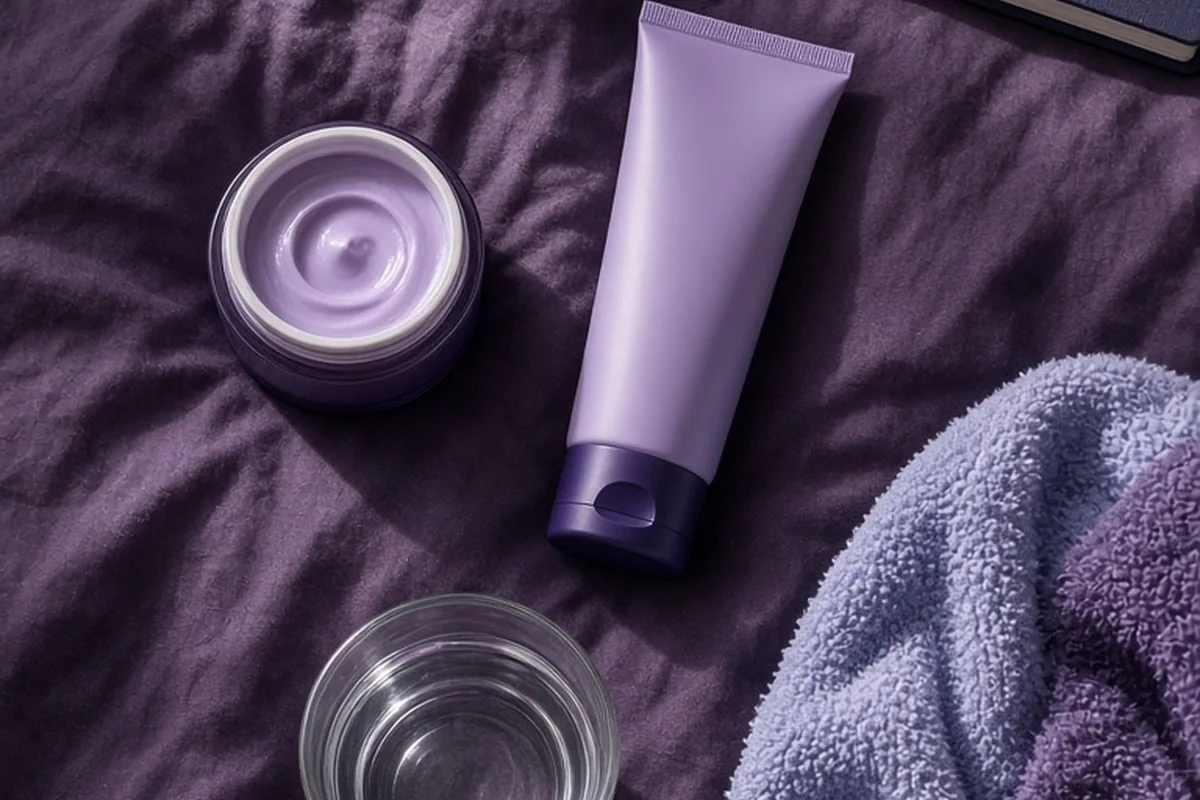
The best retinol creams combine a stable retinoid with barrier-supporting ingredients like ceramides, hyaluronic acid, and niacinamide to deliver smoothing and clarifying benefits without excessive irritation. Choosing the right product requires matching the formula texture and active potency to your skin type, starting with gentle concentrations in rich emollient bases for sensitive skin or lighter gel-creams for oilier complexions, while ensuring protective, airtight packaging.
Selecting an effective retinol cream can feel overwhelming given the sheer variety of over-the-counter options available on store shelves and online beauty counters. Because every complexion handles retinoids differently, finding a dependable product is less about following viral trends and more about understanding how active ingredients interact with your personal skin barrier.
Matching Retinol Formulations to Your Specific Skin Type and Goals
Finding an effective retinol cream begins with an honest assessment of your skin type, current barrier health, and primary aesthetic concerns. Individuals dealing with persistent dryness or natural skin sensitivity generally thrive on rich, lipid-dense cream bases that incorporate occlusive and emollient agents. These heavier formulas slow down the penetration rate of the active retinoid, allowing the skin to adjust gradually while preventing the moisture loss that frequently triggers flaking and redness. In contrast, those with combination or oil-prone complexions often achieve better results with lightweight emulsion creams, fluid lotions, or hydrating gel-cream hybrids that absorb quickly without leaving a heavy film or congesting pores.
Your underlying skincare objective should also dictate the overall formulation profile you prioritize. If your primary goal involves refining rough texture, fading post-inflammatory hyperpigmentation, or softening the appearance of fine lines, selecting a formula enriched with brightening antioxidants and cellular-supportive peptides can complement the retinoid's natural cellular turnover. If your focus centers on managing mild breakouts and congested pores, pairing a breathable retinol base with non-comedogenic hydrators helps keep the follicular lining clear while maintaining balanced hydration levels. Formulations designed for blemish-prone skin frequently prioritize clarifying additions that support clear pores while avoiding heavy mineral waxes.
Further reading: American Academy of Dermatology: Acne
Evaluating Retinoid Derivatives: Esters, Pure Retinol, and Retinaldehyde
Over-the-counter products feature several distinct forms of vitamin A, each requiring a specific number of conversion steps within the skin to transform into active retinoic acid. Retinyl esters, such as retinyl palmitate and retinyl propionate, represent the gentlest category. These compounds require multiple enzymatic conversions inside the skin cells before becoming biologically active. Because this conversion process is gradual and gentle, retinyl esters provide a subtle introduction to the ingredient family, making them particularly suitable for reactive skin types or individuals who have experienced intense redness from stronger topical treatments in the past.
Pure retinol sits in the middle of the non-prescription potency spectrum, requiring two enzymatic conversions to become active retinoic acid. It delivers a balanced combination of visible skin renewal and manageable tolerance for most users. Retinaldehyde, also known as retinal, is only one conversion step away from retinoic acid. This intermediate form acts more rapidly than pure retinol, often delivering noticeable textural smoothing and clarifying effects in a shorter timeframe. However, the increased potency of retinaldehyde also carries a higher potential for transient dryness and irritation if introduced without adequate barrier protection. Understanding these structural distinctions allows you to select a formula that matches your skin's current tolerance level rather than choosing a product that might overwhelm your skin barrier.
Essential Supporting Ingredients That Minimize Irritation and Peeling
The overall performance and tolerability of any retinol cream depend heavily on the secondary ingredients that make up the carrier base. When retinoids accelerate surface cell turnover, the upper layers of the stratum corneum can temporarily lose cohesion, resulting in heightened transepidermal water loss. To counteract this natural response, well-crafted formulas incorporate barrier-replenishing lipids such as physiological ceramides, cholesterol, and essential fatty acids. These structural lipids seamlessly integrate into the skin's intercellular matrix, reinforcing the defensive barrier and preventing the stinging sensation that can occur during the initial adjustment phase.
Humectants and soothing botanical extracts further enhance product comfort and compliance. Ingredients like hyaluronic acid, glycerin, and panthenol draw vital moisture into the upper epidermal layers, keeping the tissue plump and supple throughout the night. Concurrently, calming agents such as colloidal oatmeal, allantoin, bisabolol, and green tea extract mitigate low-grade inflammatory signaling. Niacinamide is another valuable complementary ingredient, as it supports natural ceramide synthesis and helps calm surface reactivity while offering synergistic tone-evening benefits. When evaluating ingredient labels, look for formulations where these restorative components appear prominently alongside the active retinoid.
Step-by-Step Selection Guide for Over-the-Counter Retinol Products
Navigating the beauty aisle requires a methodical evaluation of product specifications rather than relying on marketing claims. Begin by reviewing the complete ingredient list to identify the exact form of retinoid utilized, noting whether the manufacturer specifies an encapsulated delivery system. Encapsulated retinol houses the active molecule within protective lipid or polymer spheres, which shields the compound from rapid degradation while facilitating a slow, sustained release into the skin throughout the night. This controlled delivery substantially reduces the initial spike in surface concentration, leading to fewer adverse side effects without sacrificing long-term efficacy.
Next, evaluate the vehicle texture against your climate, season, and existing nighttime routine. During colder, drier months, even naturally balanced skin may require a more cushiony, emollient-rich cream, whereas humid summer conditions often call for lighter lotion formats. Take time to check whether the formula is free of added synthetic fragrances, essential oils, and drying simple alcohols, especially if your skin tends toward redness, rosacea, or allergic contact dermatitis. Finally, consider whether the product fits comfortably within your long-term budget, as topical retinoids require consistent, uninterrupted application over several months to produce and maintain meaningful visible improvements in skin clarity and firmness.
Application Techniques, Buffering, and Building Skin Tolerance Safely
Introducing a new retinol cream into your evening regimen requires patience and a structured application cadence. Begin by cleansing the face with a mild, non-stripping cleanser, followed by thorough drying. Applying active retinoids to damp skin significantly enhances their absorption rate, which can inadvertently increase the likelihood of stinging and barrier disruption. For your initial weeks of use, limit application to a small, pea-sized amount distributed evenly across the entire face, avoiding the delicate skin immediately surrounding the eyes, nostrils, and lip borders where the stratum corneum is naturally thinner.
If you have sensitive or reactive skin, practicing the buffering method can dramatically improve tolerability without negating the active benefits. Buffering involves applying a layer of basic, fragrance-free moisturizer before your retinol cream, or mixing the retinol directly with a gentle hydrating cream in your palm prior to application. Alternatively, the sandwich technique entails layering moisturizer both before and after the retinol step, creating a protective cushion that moderates active penetration. Start by applying the product only once or twice weekly, gradually increasing the frequency over several weeks as your skin demonstrates consistent comfort and resilience.
Sun protection represents an indispensable element of any retinoid routine. Because accelerated cell turnover exposes newer epidermal layers that are naturally more vulnerable to ultraviolet radiation, diligent morning application of a broad-spectrum sunscreen is essential. Skipping daily sun protection not only increases the risk of sunburn and hyperpigmentation but also undoes the textural and restorative benefits achieved through consistent evening retinoid use.
Further reading: American Academy of Dermatology: Acne
Packaging, Stability, and Shelf-Life Considerations for Active Retinoids
Retinoids are notoriously delicate organic molecules that degrade rapidly when exposed to environmental stressors such as direct sunlight, elevated temperatures, and atmospheric oxygen. When a retinol formula is compromised by environmental exposure, the active compound oxidizes into inactive byproducts, diminishing its skin-renewing potential while potentially increasing the likelihood of cutaneous irritation. Consequently, the physical packaging of a retinol cream serves as a direct indicator of product quality, stability, and overall efficacy over its usable lifespan.
When shopping for a reliable product, prioritize containers engineered to protect the formula from environmental degradation. Opaque, airtight pump dispensers, pressurized aluminum tubes with narrow dispensing nozzles, and dual-chamber packaging provide superior protection by keeping air and light out during daily use. Conversely, wide-mouth jars and clear glass bottles allow substantial air exposure and light penetration every time the container is opened, which accelerates oxidative breakdown. Store your retinol products in a cool, dry place away from humid bathroom steam and direct windowsill sunlight, and discard any formula that exhibits noticeable changes in color, separation, or rancid odor.
Comparing Over-the-Counter Retinol Creams with Prescription Treatments
Understanding the fundamental differences between over-the-counter retinol creams and prescription retinoids helps set realistic expectations and guides smart product decisions. Over-the-counter options rely on metabolic conversion steps within the skin, providing a gradual, gentle pathway toward improved skin clarity, smoother texture, and refined tone. This progressive mechanism makes non-prescription creams accessible, widely tolerated, and easy to integrate into a broader wellness or self-care routine with minimal downtime or visible flaking.
Prescription formulations, such as topical tretinoin, tazarotene, and trifarotene, contain direct retinoic acid or selective receptor agonists that bind immediately to skin cell receptors without requiring intermediate enzymatic conversion. While prescription medications deliver powerful, clinically verified results for moderate-to-severe acne and pronounced photoaging, they also carry a substantially higher risk of intense peeling, persistent erythema, and temporary barrier breakdown. Consulting a board-certified dermatologist is advisable if your skin concerns fail to respond to over-the-counter treatments, or if you are managing severe inflammatory acne, cystic lesions, or persistent facial dermatitis that requires medical supervision.
Further reading: American Academy of Dermatology: Acne
Frequently asked questions
How long does it take to see visible results from a retinol cream?
Most individuals notice subtle improvements in surface smoothness and radiance within several weeks of consistent use. More substantial transformations in fine line softening, dark mark fading, and overall firmness typically develop over several months of continuous nightly or alternate-night application.
Can I use vitamin C or exfoliating acids alongside my retinol cream?
It is generally best to separate potent active ingredients to protect your skin barrier. Consider using vitamin C antioxidants during your morning routine and reserving your retinol cream for evening use, while pausing strong chemical exfoliants like glycolic or salicylic acids until your skin fully tolerates the retinoid.
What should I do if my skin starts peeling, stinging, or turning red?
If you experience visible irritation, reduce the frequency of application immediately and pause all other active ingredients. Focus on replenishing your skin barrier with bland, ceramide-rich moisturizers until the discomfort resolves completely, then reintroduce the retinol slowly using the buffering technique.
Is it safe to use retinol creams around the eye area?
The skin around the orbital rim is exceptionally thin and prone to irritation. Unless a formula is specifically engineered and tested for ophthalmological safety, avoid applying standard facial retinol creams directly along the lower lash line, upper eyelids, or outer orbital corners.
Your next step
Inspect your current evening skincare products, identify whether your skin requires an emollient or lightweight vehicle, and choose an opaque, airtight retinol cream to introduce once weekly alongside a barrier-supporting moisturizer.