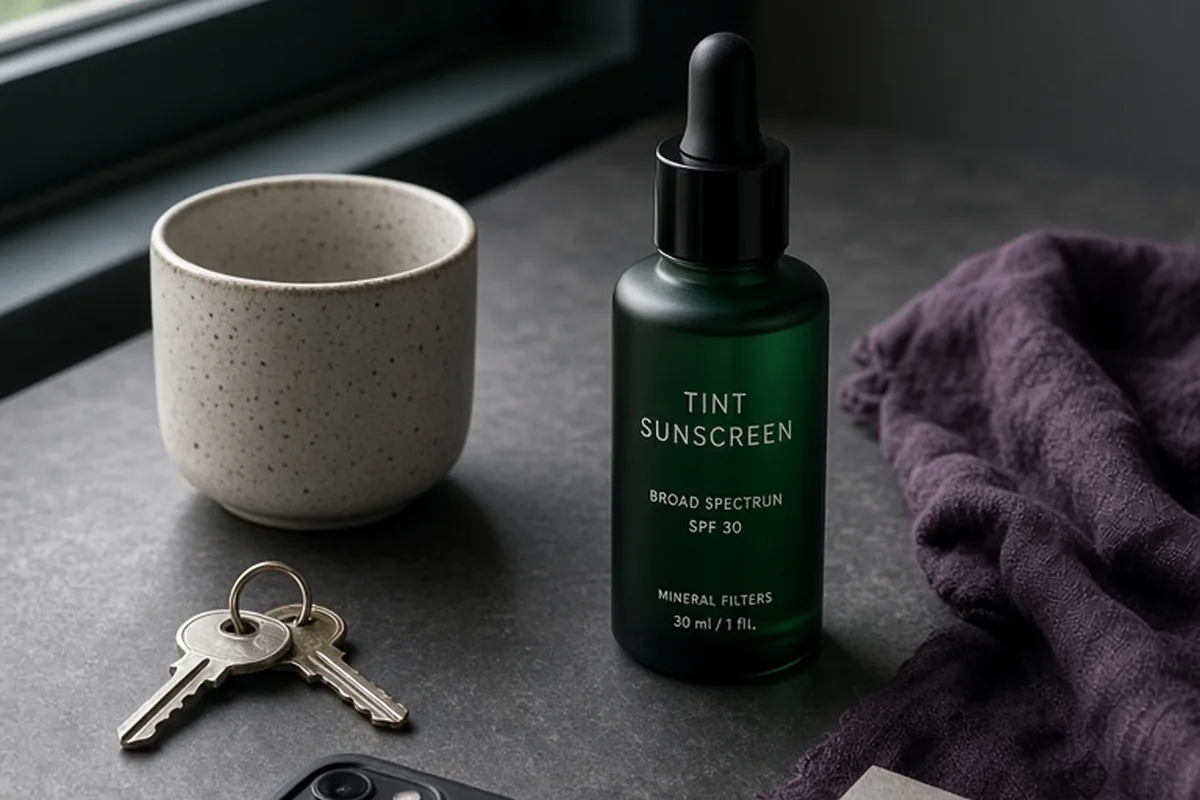
The best tinted sunscreen combines broad-spectrum SPF 30 or higher with mineral or hybrid filters and iron oxides that match your natural skin undertone. It should deliver sufficient daily UV and visible light protection, blend seamlessly without leaving a chalky residue or heavy mask, and feature a vehicle formulated specifically for your skin type, whether that means a matte fluid for oily skin or a hydrating cream for dry skin.
Tinted sunscreens have transitioned from a niche cosmetic hybrid into an essential pillar of modern daily skincare routines. By infusing traditional mineral or chemical UV filters with dispersed pigment complexes, these multi-functional formulas streamline morning steps while solving the persistent aesthetic issues of conventional sunscreens.
How Tinted Formulations Protect Beyond Standard UV Filters
Traditional untinted sunscreens primarily focus on defending skin tissue from ultraviolet B (UVB) rays, which cause sunburn, and ultraviolet A (UVA) rays, which drive deeper cellular damage and premature photoaging. Most tinted sunscreens utilize physical mineral filters, such as zinc oxide and titanium dioxide, blended with iron oxide pigments. These iron oxides are responsible for creating the skin-toned pigment, but their functional role extends significantly beyond aesthetics.
Dermatological research has shown that iron oxides create an optical barrier against High-Energy Visible (HEV) light, commonly known as visible or blue light. While standard clear zinc formulas can scatter some visible light, iron oxides absorb visible wavelengths much more efficiently. This added defense is especially valuable for individuals dealing with melasma, post-inflammatory hyperpigmentation, or persistent dark spots, as visible light is known to stimulate melanocyte activity and exacerbate uneven skin tone.
Matching Formulations to Your Specific Skin Type and Concerns
Selecting the right tinted sunscreen requires looking beyond the SPF rating to evaluate the base emulsion. For oily, combination, or blemish-prone complexions, lightweight fluid or gel-cream formulas with oil-absorbing silica, niacinamide, or a natural soft-matte finish perform best. These formulations prevent midday shine from breaking down the protective film, minimizing the risk of pore congestion. For individuals managing active acne, choosing products explicitly labeled as non-comedogenic helps reduce the likelihood of clogged pores, which is an important consideration in overall blemish management.
Dry, dehydrated, and mature skin types benefit from richer cream bases or serum-suspension sunscreens enriched with humectants and barrier-supportive lipids. Ingredients such as glycerin, sodium hyaluronate, squalane, and ceramides help maintain cutaneous hydration throughout the day. These hydrating vehicles prevent the mineral pigments from clinging to dry patches, flaking around the perimeter of the face, or settling visibly into fine lines.
Sensitive, reactive, or post-procedure skin generally tolerates 100 percent mineral active ingredients best, particularly pure zinc oxide. Mineral filters sit on the skin surface rather than undergoing chemical absorption processes, making them less prone to stinging delicate skin barriers or sensitive eye contours. When evaluating sensitive-skin options, verify that the ingredient list avoids added fragrances, volatile drying alcohols, and botanical essential oils.
Further reading: American Academy of Dermatology: Acne
Decoding Shade Selection, Undertones, and Pigment Oxidation
One of the primary frustrations when purchasing tinted sunscreens is navigating shade ranges that are frequently narrower than traditional foundation lines. Because tinted sunscreens are designed to offer sheer to light-medium coverage, a single shade can often adapt across a modest spectrum of skin depths. However, success depends heavily on identifying your true undertone: cool (pink, red, or bluish hints), warm (golden, yellow, or peachy tones), neutral (a balance of warm and cool), or olive (subtle green or grey-gold casts).
A common technical issue with tinted mineral sunscreens is pigment oxidation. As the formulation mixes with atmospheric oxygen, ambient humidity, and natural surface sebum, iron oxides and titanium dioxide can shift in hue within 15 to 30 minutes of application, sometimes turning noticeably warmer or orange. When testing a new tinted sunscreen, apply a sample along the lower jawline and observe it in natural outdoor daylight after it has fully set to evaluate the true dried-down color.
Applying the Correct Dosage Without Compromising Aesthetic Wear
To achieve the labeled SPF protection indicated on the packaging, sunscreen must be applied at a standardized density of two milligrams per square centimeter of skin. In practical terms, this equates to approximately one-quarter of a teaspoon (or roughly two finger-lengths) for the face alone. Applying this full volume with a highly pigmented tinted sunscreen can sometimes feel heavy or look unnaturally masked if approached improperly.
A reliable technique is the split-layer method. Dispense half of the required amount and gently smooth it evenly across the forehead, cheeks, nose, and chin using clean fingertips, pressing lightly rather than aggressively rubbing. Allow this initial layer thirty to sixty seconds to settle and form an even protective matrix, then apply the remaining half. Avoid applying your primary sunscreen with dry makeup sponges, as porous blending tools absorb a significant portion of the liquid product, stripping away the active UV filters before they can form a protective shield.
Reapplication Strategies and Thorough Evening Removal
Maintaining sun protection throughout the day requires reapplication every two hours of sun exposure, or immediately after swimming, heavy sweating, or toweling off. Reapplying a liquid tinted sunscreen over an established layer of makeup can present practical challenges. Helpful midday strategies include gently pressing a tinted mineral powder sunscreen over high-exposure zones, using a pre-saturated cushion compact, or lightly patting a fluid tint using clean hands.
Because tinted sunscreens combine water-resistant polymer films with dense mineral pigments and iron oxides, standard water-based cleansers may leave residual pigment and sunscreen filters inside pores. Implementing a thorough evening double-cleanse ensures complete removal. Begin with an oil-based cleansing balm, cleansing oil, or micellar water to break down the lipid-soluble film and pigments, followed by a gentle, pH-balanced water-based facial cleanser to wash away all remaining residue.
Tinted Sunscreens Compared to BB Creams, CC Creams, and Foundations
Understanding the regulatory and functional boundaries between complexion products helps prevent accidental under-protection. Tinted sunscreens are formulated primarily as photoprotective over-the-counter drugs (in the United States), subject to rigorous testing to verify broad-spectrum coverage and SPF ratings. The pigment is a secondary aesthetic benefit designed to offset mineral cast and filter visible light.
In contrast, BB creams, CC creams, and foundations with SPF are cosmetic products first. While they may carry an SPF label, people rarely apply the full one-quarter teaspoon necessary to achieve that stated rating, because applying that volume of pigmented makeup would look excessively thick. For reliable daily defense, prioritize a dedicated tinted sunscreen applied at full dosage, treating traditional foundations as optional cosmetic additions layered lightly on top.
Evaluation Checklist and What to Verify Before Buying
Before purchasing a tinted sunscreen, review the product specifications systematically to ensure it fits your lifestyle and skin tolerance. Check the active ingredient panel to confirm broad-spectrum status, an SPF value of 30 or higher, and the specific filter composition. If you participate in outdoor sports or live in a humid climate, verify whether the product claims 40-minute or 80-minute water resistance, as standard daily tints often lack water-resistant polymers.
Examine retailer return policies and shade exchange terms, particularly when ordering online where digital swatches may not accurately represent physical undertones. Always inspect the expiration date stamped on the crimp or base of the container, as degraded UV filters and destabilized emulsions lose their protective capability over time. If you have known contact allergies, cross-reference the inactive ingredient list with your personal sensitivities before applying the product across your entire face.
Frequently asked questions
Can I replace my daily foundation with a tinted sunscreen?
Yes, many tinted sunscreens provide enough light-to-medium sheer coverage to even out skin tone, diffuse minor redness, and replace light everyday makeup. If you require higher coverage for specific blemishes or dark circles, you can spot-conceal over your set sunscreen layer.
Does a tinted sunscreen prevent white cast on deeper skin tones?
Formulations containing iron oxides blend mineral filters like zinc oxide and titanium dioxide into the skin without leaving the chalky, purple, or grey cast typical of untinted physical sunscreens. Selecting a shade with warm, neutral, or rich undertones tailored to deeper complexions ensures a natural finish.
How do I know if my tinted sunscreen contains enough iron oxides for blue light protection?
Check the inactive ingredient list for red, yellow, and black iron oxides (often listed as CI 77491, CI 77492, and CI 77499). The presence of visible, skin-toned color itself confirms iron oxides or related pigments are present to absorb visible light.
Can I mix my untinted sunscreen with foundation to create my own tinted SPF?
You should never manually mix foundation or pigment drops directly into your sunscreen bottle or palm. Blending separate cosmetic formulas can destabilize the sunscreen emulsion, dilute the UV filter concentration, and create uneven patches in the protective barrier on your skin.
Your next step
Assess your primary skin goal and undertone, then obtain a sample or purchase from a retailer with an exchange policy to perform a natural-light jawline swatch before integrating the formula into your daily morning routine.