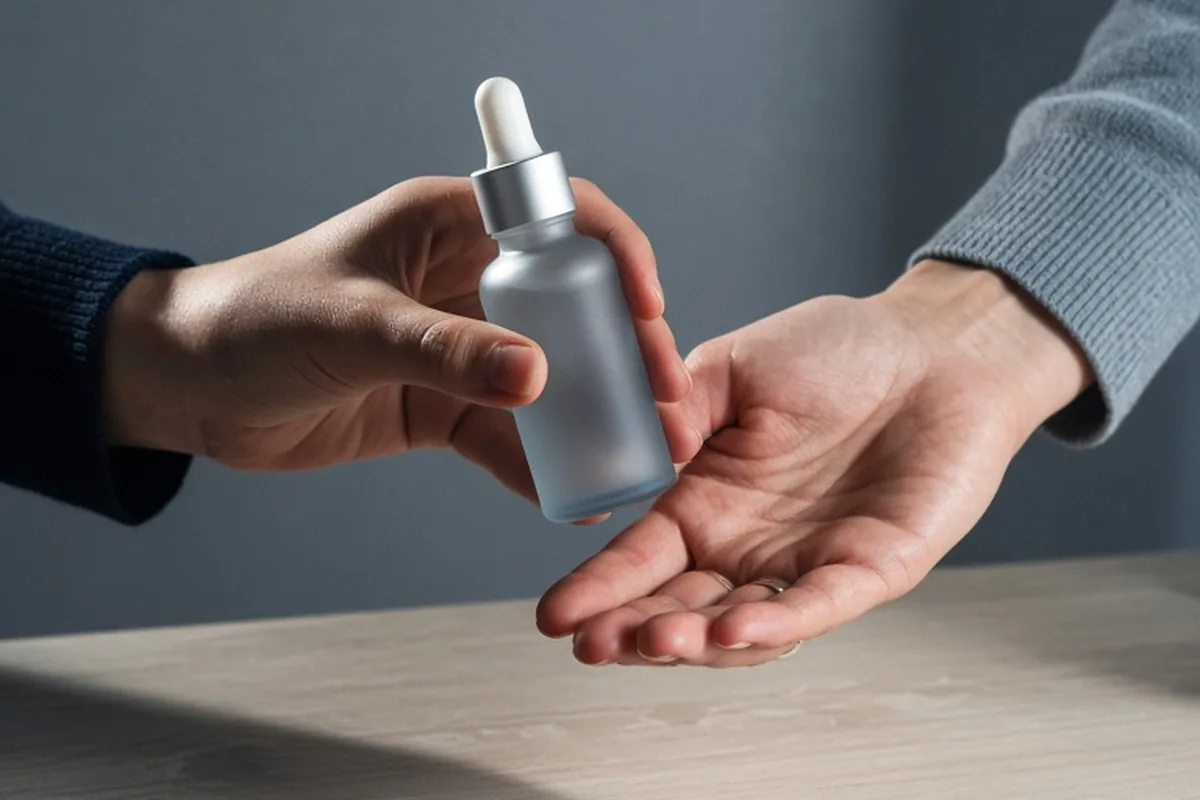
The best value skincare brands combine stable, well-researched ingredients, functional packaging, and predictable pricing without charging premiums for luxury marketing. Brands like CeraVe, Vanicream, The Ordinary, The Inkey List, and Good Molecules deliver dependable cleansers, barrier moisturizers, and targeted active serums at accessible prices, making consistent daily skincare sustainable over months and years of regular use.
Building an effective skincare routine does not require high-end department store prices, but finding genuine value requires looking past attractive packaging to evaluate ingredient concentrations, formulation stability, and overall cost per use.
Defining Genuine Skincare Value Beyond Low Price Tags
A low sticker price does not automatically make a skincare product a good value. True value in skincare represents the balance between formulation efficacy, skin tolerance, volume, and packaging that preserves active ingredients until the container is empty. An inexpensive jar containing unstable antioxidants or heavy artificial fragrances can cause contact irritation, leading to barrier disruption and extra spending on corrective soothing products. Conversely, a modestly priced product that provides adequate barrier support, uses proven humectants, and remains chemically stable offers superior long-term economy.
Evaluating cost per ounce and product longevity helps clarify whether a budget brand actually saves money. Cleansers and daily body moisturizers are consumed rapidly, meaning large-format dispensing bottles from utilitarian brands offer dramatic per-application savings. Concentrated serums require only two to three drops per application, which means even a small one-ounce bottle can last several months if formulated with adequate preservatives. When assessing value, prioritize products that list active ingredients at functional percentages alongside proven hydrators like glycerin, petrolatum, and ceramides.
Reliable Barrier Essentials: Cleansers and Daily Moisturizers
The foundation of any healthy skincare routine consists of a gentle cleanser and a barrier-restoring moisturizer. Brands such as Vanicream, CeraVe, and Cetaphil have built their reputations on straightforward, dermatologist-tested formulas that avoid common sensitizers like essential oils, harsh sulfates, and synthetic perfumes. Vanicream focuses on ultra-minimalist compositions suitable for reactive or compromised skin, utilizing simple emulsifiers and petrolatum bases that seal in hydration without irritating delicate facial tissues. CeraVe incorporates essential ceramides and hyaluronic acid to reinforce lipid layers during daily washing and moisturizing.
The primary trade-off with these baseline brands is aesthetic minimalism rather than chemical efficacy. You will not find custom botanical scents, weighty frosted glass containers, or whipped luxury textures in these ranges. Instead, you receive durable pump bottles and utilitarian lotions that layer predictably under cosmetics and sunscreens. For individuals managing dryness, mild acne, or sensitive skin barriers, investing budget allocations into these foundational workhorses ensures steady skin maintenance without routine disruption.
Targeted Actives and Single-Ingredient Formulations
When addressing specific concerns like hyperpigmentation, uneven texture, or clogged pores, single-ingredient focused brands offer significant cost advantages. Companies such as The Ordinary, The Inkey List, and Good Molecules popularized transparent, targeted formulations by stripping away elaborate carrier bases and marketing claims. A standard bottle of niacinamide, salicylic acid, or lactic acid from these manufacturers typically costs a fraction of multi-ingredient luxury serums, allowing consumers to introduce specific compounds into their regimen without paying for proprietary brand blends.
While these affordable active serums provide accessible problem-solving, they require deliberate handling by the consumer. Because these formulas emphasize standalone actives, their sensory textures can occasionally feel slightly tacky, prone to pilling under sunscreen, or less elegant during layering. Additionally, having individual bottles for every single ingredient can tempt users into over-exfoliating or combining incompatible actives. Sticking to one or two well-chosen treatments at a time maximizes results while keeping costs minimal.
Daily Sun Protection Balancing Cost and Wearability
Sunscreen is the single most critical daily skincare step, yet it is also the most frequently under-applied product due to cost concerns and uncomfortable textures. Dermatological guidelines suggest applying approximately one-quarter teaspoon to the face and neck daily, which means a standard two-ounce tube should last roughly one month of continuous morning use. Value-oriented brands like Trader Joe's with their daily facial sunscreen, Black Girl Sunscreen, and drugstore lines like Rohto Mentholatum or Biore provide broad-spectrum protection at prices that encourage proper, generous application.
Choosing budget sunscreens requires balancing active filter types against individual skin finish preferences. Many affordable mineral formulas rely on higher concentrations of zinc oxide, which can leave a noticeable white cast on deeper skin tones or feel slightly heavy on oily complexions. Modern chemical formulations from accessible brands often provide clear, weightless finishes and comfortable all-day wear. Selecting an affordable sunscreen that feels pleasant on your skin ensures you apply the necessary amount daily without rationing product to save money.
Asian Beauty Brands for High-Volume Hydration and Soothing
Korean and Japanese skincare lines have become international staples for budget-conscious consumers seeking gentle, barrier-supportive hydration. Brands such as Cosrx, Hada Labo, Pyunkang Yul, and Beauty of Joseon frequently package multi-molecular hyaluronic acid toners, snail secretion filtrates, and centella asiatica essences in generous volumes that significantly outperform standard Western department store pricing on a per-milliliter basis. These formulas emphasize layering lightweight moisture, which helps plump dehydrated skin without clogging pores.
Navigating international skincare imports involves a few practical logistics that buyers must consider. Shipping times from overseas retailers can take several weeks, necessitating advance planning so you do not run out of essential products mid-routine. Furthermore, buyers should purchase from verified distributors to avoid counterfeit inventory or expired stock. When calculated properly, the high volume and soothing performance of Asian hydrating toners make them some of the most economical hydrators available.
Constructing an Effective Daily Routine Under Forty Dollars
Assembling a complete morning and evening regimen on a strict budget requires strategic allocation across core functional categories. Rather than buying an entire matching product line from one expensive brand, consumers can mix and match high-performing budget staples. A practical morning routine might feature a water rinse or gentle budget foaming wash, followed by a targeted brightening serum and a broad-spectrum daily sunscreen. The evening routine utilizes the same cleanser, a basic barrier cream, and an alternating exfoliant or retinoid.
A realistic sample budget breakdown illustrates how accessible a comprehensive routine can be when focused on essentials:
- Gentle daily cleanser in a large pump bottle: approximately eight to ten dollars.
- Targeted active serum such as niacinamide or salicylic acid: approximately six to nine dollars.
- Restorative barrier cream with ceramides or petrolatum: approximately ten to twelve dollars.
- Broad-spectrum facial sunscreen for daily morning use: approximately nine to twelve dollars.
Avoiding Budget Pitfalls, Marketing Gimmicks, and Product Waste
Maximizing skincare value requires recognizing marketing traps that inflate long-term spending. Brands often promote complex ten-step routines that encourage consumers to purchase unnecessary steps like separate eye creams, luxury misting waters, and novelty sheet masks. In reality, a well-formulated facial moisturizer functions effectively around the orbital eye area, and standard damp skin application delivers all the benefits of expensive facial sprays without added cost.
Product preservation also plays a significant role in overall value. Jars that expose sensitive antioxidants to air and light degrade faster than formulas housed in opaque squeeze tubes or pump bottles, leading to reduced potency before the container is finished. Always patch-test new affordable products on a small area of skin before full application. Taking time to introduce one formula every two weeks prevents adverse reactions and eliminates the financial waste of discarding incompatible products.
Frequently asked questions
Are cheap skincare brands less effective than luxury brands?
Not necessarily. Most fundamental skincare benefits come from well-established active ingredients like glycerin, petrolatum, niacinamide, and salicylic acid, which cost relatively little to manufacture. Luxury brands primarily charge higher prices for proprietary fragrance blends, heavy decorative packaging, and extensive marketing campaigns rather than superior baseline efficacy.
Which skincare product is worth spending more money on?
Sunscreen and specialized stabilizing formulas like pure L-ascorbic acid (vitamin C) are often worth spending slightly more on if budget options do not suit your skin. If a slightly more expensive sunscreen feels lightweight, leaves no white cast, and encourages daily application, that extra expense directly translates to better skin protection.
How can I tell if an affordable skincare brand is reputable?
Look for brands that publish full ingredient lists transparently, avoid excessive unproven claims, and package products in sanitary, opaque dispensers. Reputable budget manufacturers focus on clinical testing for sensitivity and maintain consistent ingredient quality across production batches.
Your next step
To build an effective routine that respects your budget, audit your current skincare shelf, identify which core steps you actually need, and replace finished products one at a time with simple, fragrance-free formulas from proven value brands.