The best vitamin C serums combine a stable, bioavailable active form with an airtight, opaque delivery system suited to your specific barrier tolerance. Pure L-ascorbic acid offers the most direct antioxidant performance for dullness and surface discoloration, while stabilized derivatives suit reactive or acne-prone complexions. Rather than seeking extreme potency, prioritize fresh formulation, protective dark packaging, and consistent morning application beneath broad-spectrum sunscreen to achieve noticeable clarity without inflammatory irritation.
Navigating topical antioxidant options can feel overwhelming when product labels highlight complex chemical derivatives, varying textures, and wide price points. Finding a formula that delivers tangible brightening while preserving barrier comfort requires looking past marketing language to examine how different active compounds behave on actual skin.
How Vitamin C Formulations Differ by Active Molecule
Topical vitamin C is not a single uniform ingredient across cosmetic manufacturing. The gold standard in biological availability is pure L-ascorbic acid, an unesterified form that directly scavenges free radicals, supports collagen renewal, and interrupts melanin synthesis pathways. Because the human skin barrier inherently repels hydrophilic substances, pure L-ascorbic acid requires a distinctly acidic environment to pass through outer lipid bilayers. This acidic formulation allows the molecule to remain uncharged and penetrate deeply, but that same low acidity frequently triggers stinging, flushing, or localized irritation on dry, compromised, or naturally reactive tissue.
To provide alternatives for individuals who cannot tolerate low-acid environments, cosmetic chemists formulate with stabilized synthetic derivatives. Compounds such as tetrahexyldecyl ascorbate, sodium ascorbyl phosphate, magnesium ascorbyl phosphate, and ascorbyl glucoside bond the parent ascorbic acid molecule to protective chemical groups. These variations remain stable in neutral, skin-friendly solutions and resist immediate degradation upon light or air exposure. Once absorbed across the skin surface, natural enzymatic processes cleave away the carrier compounds, liberating pure ascorbic acid within deeper tissue layers. While this conversion process makes derivatives slightly slower to produce visible surface brightening, it significantly lowers the likelihood of chronic barrier disruption.
Choosing Between L-Ascorbic Acid and Gentle Derivatives
Selecting the right chemical structure depends directly on your individual barrier baseline, previous retinoid usage, and primary skin goals. If your complexion is resilient, non-reactive, and primarily troubled by persistent sun spots, post-summer dullness, or structural loss, an unesterified L-ascorbic acid serum remains the benchmark choice. High-potency formulas containing unesterified ascorbic acid, particularly when stabilized with secondary botanical antioxidants like ferulic acid and alpha-tocopherol, deliver profound photoprotective synergy. However, introducing this format requires patience; applying it immediately after aggressive facial cleansers or physical scrubs can quickly incite peeling around the nasal folds and mouth.
Conversely, if you navigate ongoing redness, perioral dermatitis tendencies, or frequent breakout flares, a derivative formula offers superior peace of mind. Lipid-soluble forms like tetrahexyldecyl ascorbate blend seamlessly into nourishing carrier oils, making them uniquely supportive for dry, mature skin that craves barrier lipid replenishment without stinging. Meanwhile, water-soluble options like sodium ascorbyl phosphate possess documented antimicrobial qualities that assist congestion-prone skin while gradually lifting residual post-inflammatory marks. Sacrificing the immediate potency of raw ascorbic acid is often a sensible strategic trade-off if it prevents ongoing inflammatory cascades that worsen pigmentation.
Evaluating Packaging, Oxidation Risk, and Shelf-Life Indicators
The primary weakness of pure topical ascorbic acid is extreme vulnerability to environmental oxidation. Exposure to heat, ultraviolet radiation, and atmospheric oxygen rapidly degrades the active molecule into dehydroascorbic acid, which subsequently breaks down into secondary compounds that impart no antioxidant benefits. As a formula oxidizes, its color shifts from water-clear or pale straw into dark amber or deep rust brown. Applying severely oxidized solutions is counterproductive; the degradation byproducts can create transient surface staining inside pores, promote blackhead formation, and generate unwanted pro-oxidant stress on delicate surface tissue.
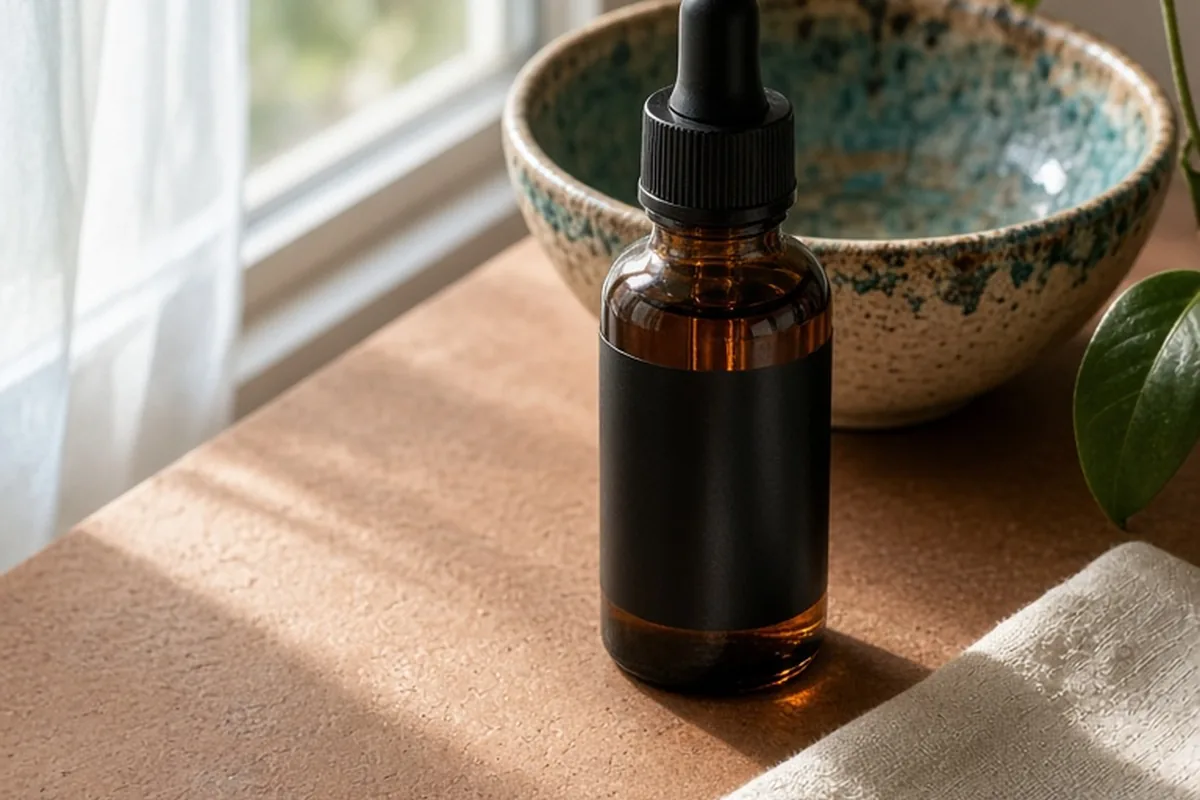
When evaluating a potential serum purchase, prioritize container architecture just as heavily as the ingredient list. The ideal delivery system is an opaque, airtight pump bottle, a dual-chamber dispenser, or an ampoule system that prevents ambient air from back-siphoning into the reservoir. Traditional clear glass bottles equipped with open dropper pipettes introduce air, airborne humidity, and ambient light every single time you open the cap. If you purchase an unesterified formula in dropper packaging, store the bottle inside its original cardboard carton or within a cool, dark drawer, and inspect the fluid color regularly before application.
Matching Vitamin C Serums to Sensitive Skin and Acne Concerns
People managing persistent acne or compromised barriers frequently struggle with standard antioxidant serums. Low-acid formulations can irritate follicular linings, prompting micro-swelling that traps sebum and exacerbates inflammatory papules. Furthermore, many commercial formulations incorporate heavy viscosity-building agents, penetration enhancers, or high levels of vitamin E oils that, while stabilizing for the formula, may prove excessively occlusive on congested pores. When breakouts are active, careful ingredient screening prevents trade-offs between clearing dark spots and causing new blemishes.
For acne-prone complexions, oil-free water gels or lightweight fluid textures featuring sodium ascorbyl phosphate represent an exceptional tactical approach. Dermatologic guidance for acne emphasizes gentle, non-irritating care, because unmanaged irritation degrades healing and prolongs post-acne redness. If your skin exhibits active pustules, widespread peeling, or burning sensations, temporarily pause all acidic actives until your moisture barrier recalibrates. A board-certified dermatologist can help tailor active ingredient sequencing if your breakouts resist over-the-counter adjustments or require medical prescription management.
Those with reactive rosacea-prone skin should bypass standard unbuffered ascorbic acid completely. The vasodilation provoked by acidic fluids frequently triggers sustained flushing flares. Instead, search for buffered ascorbyl glucoside or lipid-based tetrahexyldecyl ascorbate suspended in neutral squalane. Introducing any new active formula through patch testing behind the ear or along the jawline for several consecutive mornings provides a sensible safeguard against widespread contact dermatitis.
Further reading: American Academy of Dermatology: Acne
Daily Layering Protocols: Application Timing and Product Pairing
To maximize photoprotective utility, vitamin C serums belong primarily in the morning skincare sequence. While ambient ultraviolet rays penetrate deep cutaneous structures throughout daylight hours, antioxidants neutralize fugitive reactive oxygen species before they damage cellular structures or degrade extracellular matrix components. Applying your serum in the morning forms a resilient defense line beneath broad-spectrum sunscreen, effectively addressing spectrum gaps that physical or chemical UV filters might miss.
Achieving proper absorption requires sequencing products according to molecular weight and fluid density. Cleanse the face with a mild, non-stripping cleanser, then gently pat the skin until dry; applying acidic actives directly to dripping wet skin accelerates penetration too abruptly, escalating potential burning sensations. Dispense the recommended measure of serum, distribute it across the face, and allow the fluid to absorb fully into the surface. Follow with your preferred daytime moisturizer to lock in hydration, and finish with a generous, uniform layer of broad-spectrum daily sunscreen.
Pairing vitamin C with concurrent daytime actives requires thoughtful moderation. Combining acidic pure ascorbic acid with exfoliating alpha hydroxy acids, beta hydroxy acids, or prescription-strength retinoids in the same morning routine frequently leads to barrier breakdown. A practical schedule separates these powerhouses: apply your vitamin C serum every morning for daytime defense, and reserve exfoliating acids or nighttime retinoids for your evening regimen. Niacinamide can generally be layered alongside modern vitamin C formulations without concern, provided neither individual formula triggers flushing.
Managing Product Trade-Offs, Budgets, and Storage Demands
The pricing landscape for topical antioxidants spans from budget drugstore selections to luxury medical-grade bottles, often without an identical gap in primary clinical efficacy. Higher-priced offerings generally reflect investment in patented stabilization methods, specialized container molding, and extensive vehicle testing. Lower-cost alternatives frequently utilize simpler derivative systems or basic dropper packaging, passing formulation preservation responsibilities directly onto the user. A modest, affordable serum used consistently and replaced before it oxidizes provides far superior functional benefits to an expensive luxury bottle that sits unfinished for months after turning amber.
Keep in mind that manufacturer reformulations, brand pricing changes, packaging revisions, and retail supply batches fluctuate routinely. When ordering fresh supplies, check production stamps or batch dates when available, and verify that the retailer stores inventory in temperature-controlled environments rather than hot logistics warehouses. If a freshly opened serum arrives with a pronounced orange hue or rancid odor, request an immediate exchange from the vendor.
Home storage environments directly determine how long your product remains biologically potent. Bathrooms are notoriously poor storage locations due to continuous heat spikes and steam from daily showers. Keep your serum stored in a dark, dry bedroom drawer, a vanity cabinet, or a dedicated skincare refrigerator. Maintaining a cold, stable temperature dramatically decelerates natural oxidative pathways, ensuring the fluid maintains its clarity and protective potency down to the final drop.
Frequently asked questions
How can I tell if my vitamin C serum has oxidized?
A fresh L-ascorbic acid serum should be clear, slightly cloudy, or pale light straw. If the fluid darkens into deep yellow, amber, or copper brown, the active molecule has degraded and should be discarded to avoid pore staining and skin irritation.
Can I use a vitamin C serum if I have active acne?
Yes, but formula selection is critical. Choose an oil-free, non-comedogenic serum utilizing sodium ascorbyl phosphate or a mild derivative rather than an aggressive, low-pH pure ascorbic acid formula that could exacerbate follicular inflammation.
Should I apply my vitamin C serum in the morning or at night?
Morning application is generally ideal because topical antioxidants work synergistically with your sunscreen to neutralize daytime free radicals caused by sunlight and ambient pollution. However, derivative formulas can also be applied in the evening if daytime layering feels too heavy.
Why does my skin tingle after applying an L-ascorbic acid serum?
Pure L-ascorbic acid requires a distinctly acidic formulation to penetrate the lipid barrier, which can cause a brief prickling sensation. If the tingling transitions into prolonged redness, peeling, or burning, rinse the product off and transition to a gentler derivative.
Your next step
Inspect your skin barrier health today, choose between unesterified ascorbic acid or a gentle derivative based on personal reactivity, and perform a preliminary patch test behind your ear before beginning daily morning use.