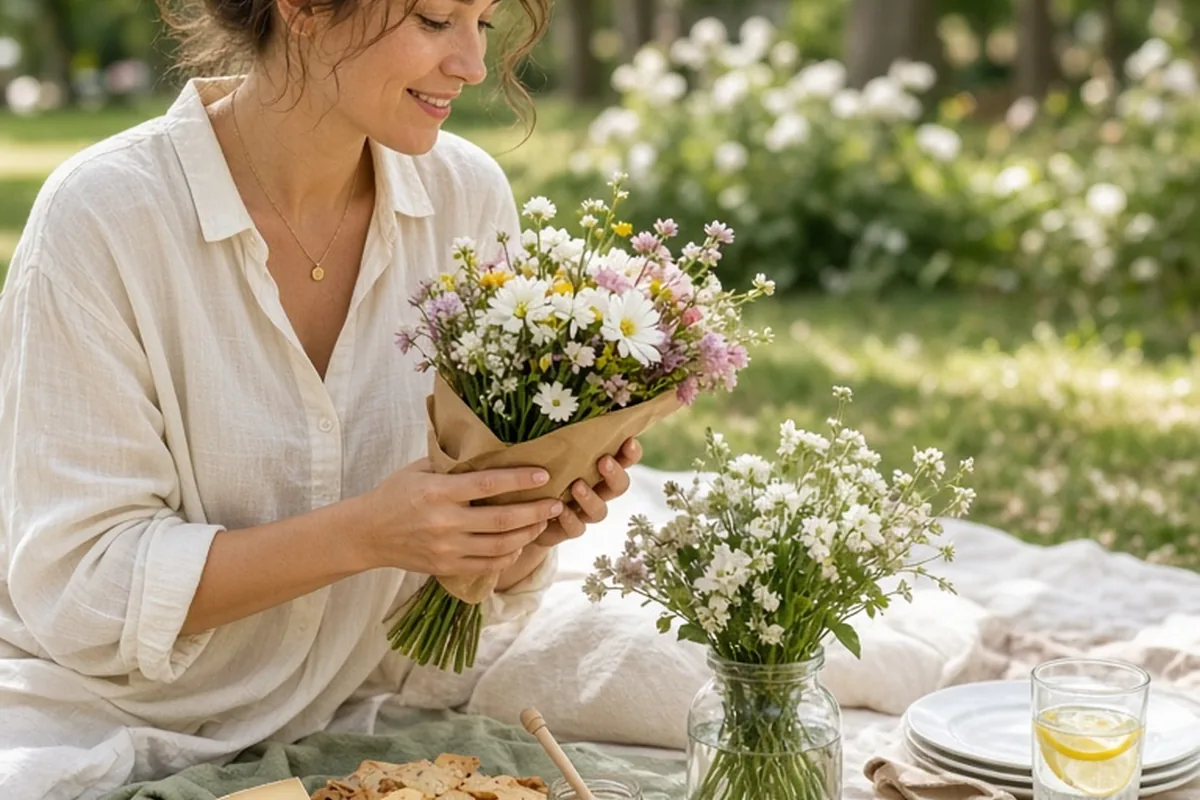
Great daytime birthday ideas focus on natural light, relaxed energy, and shared experiences. Popular options include hosting an elevated park picnic or farm brunch, booking a private pottery or cooking class, arranging a scenic paddle or coastal hike, or organizing a museum tour followed by a tea tasting. Daytime events provide flexible scheduling, lower venue minimums, and an unhurried social environment.
Shifting a birthday celebration to daylight hours opens up a broad range of activities that feel distinct from the typical evening dinner or bar routine. Whether you are planning for an introverted friend who prefers quiet conversations or an energetic group that enjoys physical activity, daytime events give you more control over pacing, lighting, and venue versatility.
Curated Outdoor Dining and Scenic Picnics
Elevating a standard lunch into an intentional outdoor dining experience is one of the most adaptable daytime celebration formats. Instead of settling for a routine sit-down restaurant, choose a location with visual interest, such as a botanical garden lawn, a quiet lakeside bluff, or a local vineyard with open seating. Styling the space with comfortable floor cushions, low folding tables, durable linen napkins, and layered shade canopies transforms a casual gathering into a polished, festive setting without requiring formal venue rental fees.
When organizing an outdoor meal, food safety and temperature control are the primary logistical considerations. Opt for room-temperature dishes such as marinated grain bowls, cured meats, artisan flatbreads, sturdy citrus salads, and hard cheeses that withstand ambient warmth better than dairy-heavy dips or raw seafood. The main trade-off of this approach is weather vulnerability. Always confirm whether your chosen park requires permit reservations for groups larger than ten people, and establish a clear indoor contingency plan, such as moving to a covered pavilion or an open-concept living room, if rain or unseasonal heat arises.
Hands-On Creative Workshops and Skill Shares
Booking a private daytime workshop provides a structured activity that eliminates awkward pauses and gives guests a tangible keepsake from the event. Studios specializing in wheel-thrown pottery, floral arranging, sourdough baking, cocktail blending, or leather crafting frequently offer two- to three-hour midday sessions for private groups. These workshops work particularly well for mixed social circles where attendees do not all know one another, as the shared learning task creates natural conversation starters without social pressure.
To select the right workshop, consider the physical mobility and mess tolerance of your guest list. A ceramic wheel class requires casual clothing and trimming fingernails, whereas a fragrance-blending workshop or watercolor lesson is tidy and accessible to nearly anyone. The primary limitation to keep in mind is studio capacity; most boutique craft spaces cap private bookings between eight and fifteen participants. Confirm deposit requirements and cancellation windows at least four weeks in advance, and inform attendees ahead of time about appropriate dress codes.
Active Day Trips and Nature Excursions
For celebratory groups that thrive on movement, daytime hours are ideal for exploring regional landscapes and active outdoor pursuits. Consider organizing a coastal kayak paddle, a guided trail hike leading to a scenic overlook, a chartered afternoon sailboat, or a rental fleet of cruiser bicycles along an urban greenway. These outings take full advantage of natural midday sunlight and provide built-in momentum, allowing conversation to unfold naturally during rest stops and scenic pauses.
The critical factor in planning an active excursion is balancing difficulty with broad physical accessibility. Choose routes with modest elevation gains or rental companies that provide safety briefings and stable equipment suitable for beginners. Keep in mind that outdoor adventures involve added coordination around gear, hydration, sunscreen, and parking passes. Pair the physical activity with a defined finish line, such as a casual food truck gathering or an ice cream stop, so guests can wind down together before heading home.
Cultural Exploration and Historic Neighborhood Walks
Daytime provides exclusive access to cultural institutions, historic districts, and gallery spaces that close before sunset. Designing a celebration around an architecture walking tour, a specialized contemporary art exhibit, or a self-guided historic district scavenger hunt offers intellectual stimulation and visual novelty. You can book docent-led tours for deeper context or create a relaxed itinerary that lets guests wander through curated exhibits at their own pace before convening at an adjoining cafe.
This type of outing suits groups of varying ages and works regardless of seasonal weather. To keep the experience social rather than solitary, avoid overpacked agendas that rush people through multiple venues. Select a single anchor attraction and pair it with nearby pedestrian exploration, such as browsing independent bookshops or visiting a historic indoor food hall. Be mindful of ticket times; purchasing group admissions online in advance prevents long waits at entry desks during peak weekend afternoons.
Restorative Wellness and Thermal Bath Gatherings
A wellness-focused daytime event creates an environment centered entirely on relaxation and unhurried conversation. Booking an afternoon pass to a communal bathhouse, a Nordic hydrotherapy circuit, or a traditional Korean spa allows the group to alternate between warm soaking pools, cedar saunas, and relaxation lounges. Because daytime visits typically see lighter traffic than weekend evenings, guests can enjoy a serene atmosphere that encourages genuine rest and gentle reconnection.
When planning a spa day, verify the venue's group policies, as some silent retreats or luxury bathhouses enforce strict noise restrictions that prevent lively group chatting in main pool areas. If your group prefers conversation alongside pampering, look for venues that feature private cabana rentals or social lounges where talking is welcomed. Make sure to communicate facility rules clearly to your guests, including what swimwear, footwear, and personal amenities are provided or required on site.
Hosting at Home with an Elevated Daytime Theme
Hosting at home during the day offers complete schedule flexibility and significant savings compared to commercial venues. You can create a distinct celebratory mood by framing the gathering around a specific culinary or entertainment concept, such as a Japanese matcha and pastry tasting, an artisanal pizza-making afternoon using outdoor tabletop ovens, a board game tournament, or an outdoor lawn game party featuring croquet and bocce.
Daytime home entertaining benefits from abundant natural light and an unhurried atmosphere, making cleanup easier to manage before late hours. The trade-off is the host's preparation labor. To prevent feeling overwhelmed on the day of the event, prep food components the evening prior, set up drink stations where guests can serve themselves, and choose interactive food stations where attendees assemble their own plates, such as a build-your-own taco, crêpe, or grain bowl bar.
Logistics: Timing, Transportation, and Energy Management
The success of a daytime birthday relies on thoughtful pacing and consideration for your guests' schedules. The most effective window for daytime events is generally between 11:00 AM and 3:30 PM. This timing gives guests time to sleep in and travel comfortably without encroaching on evening family routines or prior nighttime commitments. If your itinerary involves multiple stops, keep transit times under twenty minutes between locations to maintain momentum.
Always communicate parking logistics, transit options, and exact meeting spots clearly on invitations. For outdoor or multi-stage plans, specify whether attendees need cash for park entries, specific footwear, layers for changing temperatures, or swimsuits. Building thirty minutes of buffer time into your daytime schedule accounts for late arrivals and prevents the day from feeling like a rigid corporate schedule, allowing genuine leisure to lead the celebration.
Frequently asked questions
What is an ideal schedule window for a daytime birthday party?
A three- to four-hour block, such as 11:30 AM to 3:00 PM or 1:00 PM to 4:30 PM, provides ample time for an activity and a relaxed meal. This duration prevents the event from dragging while leaving the rest of the evening open for your guests.
How do I make a daytime gathering feel special without serving alcohol?
Focus on high-quality sensory details such as signature zero-proof mocktails, fresh herbal teas, curated musical playlists, and engaging physical or creative activities. An intentional activity like a guided craft, museum docent tour, or scenic kayak route naturally anchors the day without relying on a bar setting.
How should I handle bad weather for an outdoor daytime party?
Always determine an alternate indoor location at least forty-eight hours before the event, such as a covered pavilion, local greenhouse cafe, or your own home. Communicate the weather decision to your guests the morning of the party so everyone arrives at the correct venue dressed appropriately.
Are daytime birthday parties generally more affordable than evening events?
Yes, daytime events often cost less because park permits, public spaces, and daytime restaurant menus typically carry lower prices and smaller minimum spends than dinner reservations. Furthermore, daytime catering tends toward lighter fare, reducing overall food and beverage expenses.
Your next step
Choose one core activity that reflects the birthday person's genuine interests, confirm any required reservations three to four weeks early, and share clear timing and attire details with your guest list.