Hosting a memorable birthday party on a budget comes down to controlling three core expenses: the venue, the menu, and the entertainment. Choosing free locations like public parks or living rooms, offering batch-style food stations such as taco or pasta bars, and leaning into interactive party games or shared playlists keeps total spending low without diminishing the celebratory atmosphere.
Many hosts assume that creating a lively, festive celebration requires an expensive commercial venue, custom tiered cakes, or hired entertainers. In reality, guests primarily remember shared laughter, great conversation, and feeling genuinely welcomed, making deliberate planning far more impactful than financial extravagance.
Selecting Free or Low-Cost Venues That Provide Natural Ambience
Renting private event rooms, restaurant lounges, or commercial entertainment spaces frequently claims more than half of an event budget before food and supplies are even considered. To protect your funds for hospitality, explore venues that charge little to nothing. Municipal parks, scenic waterfront pavilions, apartment complex clubhouses, and private backyards can serve as memorable settings with minimal site fees. When selecting an outdoor location, verify municipal reservation requirements early, as many public parks permit casual gatherings for free while reserving specific covered pavilions for a modest administrative fee.
Transforming an everyday space like a living room or a residential backyard relies on intentional layout adjustments rather than expensive rentals. Pushing everyday living room furniture against walls clears wide pathways for socializing, while grouping casual seating into conversational clusters encourages interaction. If hosting outdoors, stringing standard garden lights or hanging paper lanterns instantly creates an inviting environment without the expense of professional lighting rigs.
The primary trade-off with outdoor or non-commercial spaces involves logistical responsibility and weather exposure. Public parks rarely offer refrigeration, electrical outlets, or private trash disposal, meaning you will need coolers, battery-powered accessories, and your own cleanup supplies. Additionally, outdoor plans always require a dependable backup location, such as shifting into a garage or living room, in case rain or sudden temperature shifts occur.
Designing Satisfying Food Stations Around Affordable Staples
Individual catering trays and restaurant delivery quickly drive up per-guest expenses, often forcing hosts to order conservatively and leave guests unsatisfied. A more practical approach uses build-your-own food stations centered on inexpensive, filling foundations like rice, noodles, potatoes, or flatbreads. These formats provide visual abundance and cater smoothly to diverse dietary preferences, allowing individual guests to customize their plates according to their own restrictions.
Consider an elevated baked potato bar or a street-taco station. For a taco station, slow-cooking seasoned chicken thighs or pork shoulder alongside seasoned black beans costs a fraction of pre-packaged catering platters. Pair these bases with warm corn tortillas, shredded cabbage, homemade pickled red onions, fresh cilantro, limes, and a few varieties of salsa. Guests perceive the setup as interactive and generous, even though the raw ingredients represent some of the most economical staples in modern grocery aisles.
The primary drawback to self-catered stations is the preparation time required from the host before guests arrive. Food safety also demands vigilance: hot elements must remain above safe internal temperatures using slow cookers or basic chafing wire racks with canned heat, while chilled dairy toppings should rest in ice trays. Keep prep manageable by completing chopping, marinating, and sauce preparation twenty-four hours before the celebration.
Focusing Decorative Spending on Lighting and Color Concentration
Spreading decorations thinly across an entire house or venue tends to look sparse while consuming considerable funds on disposable single-use items. Interior stylists often recommend concentrating decorative resources in one or two focal zones, such as the entrance or the dessert station. When photos are taken primarily in front of a well-arranged focal wall, the rest of the room requires minimal adornment to still feel celebratory.
Achieving a cohesive look on a minimal budget relies heavily on color curation rather than licensed character merchandise or expensive balloon arches. Selecting a simple palette of two complementary shades—such as forest green and warm cream—allows you to combine inexpensive paper honeycomb lanterns, tissue paper fans, and fresh greenery clipped from your own yard. Lowering harsh overhead lighting and relying on warm table lamps or white fairy lights transforms an ordinary room into an intimate gathering space at virtually zero extra cost.
One limitation of paper-based and floral decor is durability. Paper streamers and lanterns tear easily in windy conditions, making them unsuitable for breezy outdoor open-air spaces. Furthermore, foraging local greenery requires washing and inspecting branches to ensure they do not introduce garden insects or sticky sap onto food tables.
Creating Free and Interactive Group Entertainment
Professional entertainment, such as live bands, DJs, or hired performers, can strain modest party budgets. Meaningful social engagement rarely depends on paid performers; instead, structured group activities and thoughtfully curated music establish an energetic environment naturally. Collaborative playlists, casual lawn games, and conversational party games offer lasting engagement without demanding an entertainment fee.
For adult celebrations, customized trivia based on pop culture, music history, or fun, respectful facts about the guest of honor creates an engaging communal activity. Smartphone-based group party games, where guests use their own phones as controllers to answer prompts on a living room screen, keep large groups laughing without requiring specialized board games. For daytime outdoor parties, traditional lawn games like bocce ball, cornhole, or horseshoes can often be borrowed from friends or neighbors at zero expense.
The risk with organized party activities is over-scheduling. Guests appreciate unscheduled time to mingle, catch up, and eat without feeling forced into mandatory participation. Present any organized game as an open invitation rather than an obligatory program, allowing more reserved attendees to observe comfortably without social pressure.
Adjusting Event Timing to Reduce Refreshment Demands
The hour printed on your invitation carries an unwritten culinary contract with your attendees. Scheduling a gathering across standard dinner hours, such as 6:00 PM to 9:00 PM, obligates the host to supply a complete meal and substantial beverages. By contrast, scheduling your gathering during mid-afternoon hours signals a lighter, more relaxed format where light refreshments are completely appropriate.
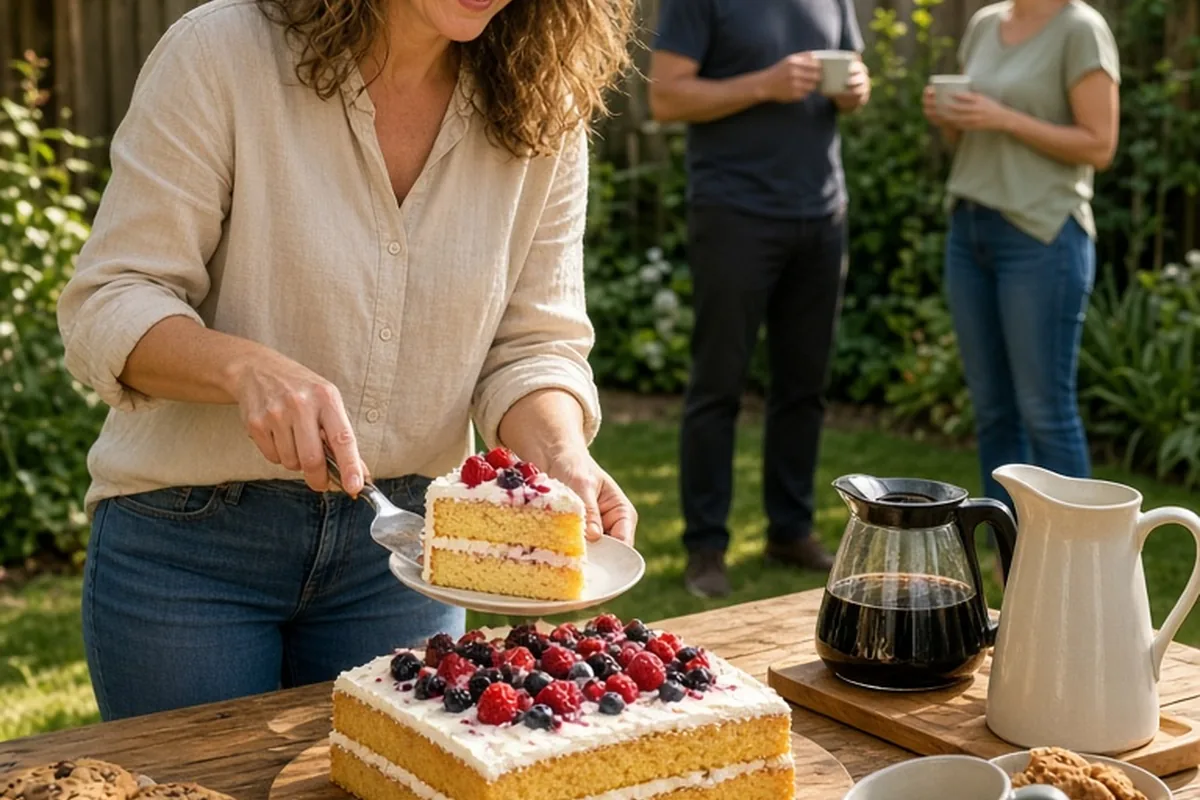
Hosting an event from 2:00 PM to 4:30 PM allows you to spotlight an afternoon dessert social. Rather than buying an elaborate bakery tier cake, you can present a dessert spread consisting of a simple homemade sheet cake, a plate of warm cookies, fresh seasonal berries, and a self-serve coffee station. Alternatively, a morning brunch party from 10:30 AM to 1:00 PM centered on baked egg casseroles, fresh bagels, and fruit salads satisfies guests fully at a fraction of the cost of an evening steak or seafood dinner.
The limitation of non-meal timing is communication precision. If invitations do not explicitly state what will be served, some attendees may arrive expecting a full lunch or dinner. Always include clear wording on your invitations, such as 'Join us for birthday cake and coffee' or 'Light bites and celebratory drinks provided,' so guests plan their meals accordingly.
Streamlining Invitations and Clear Communication
Custom paper invitations, envelopes, and postal stamps represent an unnecessary drain on party resources that offers little functional advantage over modern digital alternatives. Digital invitation platforms and custom shared event pages provide instant delivery, automated RSVP tracking, and direct message boards for venue directions or parking notes. They also allow real-time updates if weather forces a venue shift.
Digital communications also provide a natural venue for establishing practical expectations regarding gifts and contributions. If you are keeping party costs manageable by organizing a cooperative potluck or asking guests to bring their preferred specialty beverages, clear wording eliminates awkwardness. Stating 'Your presence is the only gift requested; if you would like to contribute, please bring your favorite beverage or a side dish to share' sets a warm, communal tone that guests appreciate.
The primary drawback to digital invitations is message deliverability. Automated email invitations can land in spam folders, and older relatives may not regularly monitor digital event pages. To ensure nobody is excluded, pair digital invitations with direct text messages or brief phone calls to close family members who prefer personal contact.
Frequently asked questions
How can I politely ask guests to participate in a potluck birthday party?
Frame the request around shared community rather than financial restriction on the invitation. You can write, 'In lieu of gifts, we are hosting a celebratory potluck; please bring your favorite side dish or dessert to share.' Organizing a shared online signup sheet helps ensure a balanced spread of appetizers, mains, and desserts.
What is the most affordable alternative to a traditional bakery birthday cake?
Baking a classic two-layer cake or a batch of cupcakes using box mixes elevated with simple pantry additions—such as using milk instead of water and melted butter instead of vegetable oil—costs under ten dollars. Alternatively, an ice cream sundae station with basic vanilla tubs and three homemade warm toppings provides a celebratory dessert experience for a low per-person cost.
Is it acceptable to host an adult birthday gathering without serving alcohol?
Yes, hosting an alcohol-free gathering or a BYOB celebration is completely acceptable and common for budget-conscious hosts. Providing a flavorful non-alcoholic signature drink, such as an iced berry-mint lemonade or a sparkling citrus punch, ensures attendees still have a festive beverage in hand throughout the celebration.
How far in advance should I start planning a low-cost celebration?
Beginning your planning four to six weeks in advance gives you adequate time to reserve free municipal spaces and shop sales for dry pantry goods. It also provides friends and family enough notice to lend folding chairs, coolers, or lawn games so you avoid rental fees.
Your next step
Choose your venue and schedule your party during an off-peak afternoon hour today to immediately reduce food and facility costs before finalizing your guest list.