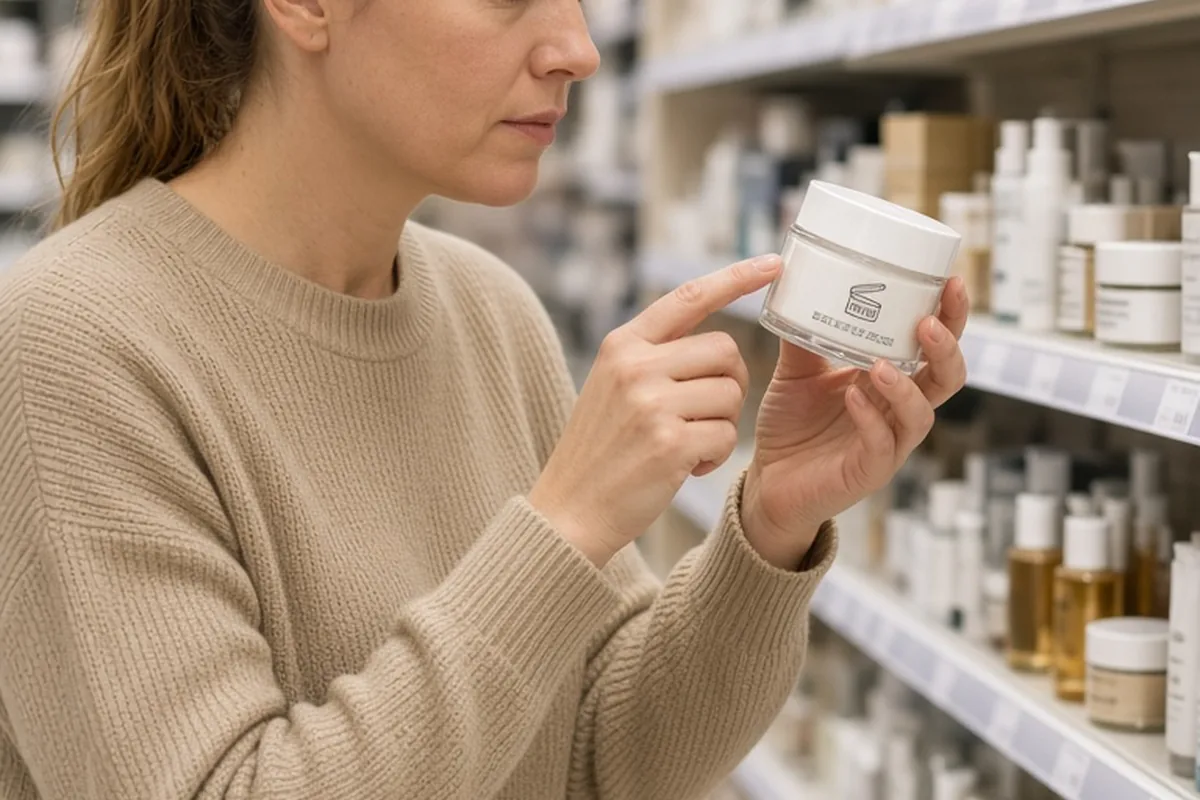
Buying skincare on sale is most effective when you purchase verified routine essentials you already use rather than impulse-testing unfamiliar products. To maximize savings without wasting money, check shelf-life indicators, account for active ingredient degradation, calculate your realistic usage rate before stocking up, and compare base unit prices across authorized retailers to avoid counterfeit or expired batches.
Promotional discounts, holiday sets, and clearance sales provide convenient opportunities to trim personal care budgets, but discounted skincare only creates real savings if the formulas remain stable, effective, and suitable for your daily routine.
Distinguishing Core Daily Staples from Impulse Purchases
Major discount events are designed to encourage rapid purchasing decisions, often pushing shoppers toward novel treatments, trending actives, or elaborate multi-step sets that do not align with their skin concerns. When browsing a sale, the most reliable financial and dermatological strategy is prioritizing your core daily essentials. These are the foundational products your routine depends on every single day: a gentle cleanser, a dependable barrier moisturizer, and a broad-spectrum daily sunscreen. Because these products have proven compatibility with your skin, buying them on discount directly lowers your baseline living costs without introducing the risk of adverse reactions or unused clutter.
Conversely, buying unfamiliar serums, potent chemical exfoliants, or high-strength retinoids simply because they carry a steep discount frequently results in wasted money. Introducing unvetted active ingredients carries the hidden cost of potential irritation, breakout flare-ups, or damaged skin barriers that require additional products to soothe. Before adding an unfamiliar discounted item to your cart, maintain a designated waiting list. If a product has not been on your radar for at least a month to address a specific, diagnosed concern, a clearance price is rarely a sufficient reason to purchase it.
Understanding Active Ingredient Stability and Shelf Life
Skincare formulas are complex chemical mixtures, and their therapeutic performance declines over time through exposure to ambient heat, oxygen, and light. When shopping promotional sales, it is critical to evaluate the molecular stability of the active ingredients involved. Certain compounds, such as pure L-ascorbic acid (Vitamin C), unencapsulated retinol, and benzoyl peroxide, have relatively short shelf lives and degrade rapidly once manufactured. Retailers occasionally place these sensitive actives on clearance specifically to liquidate warehouse inventory that is already approaching its efficacy threshold.
Before purchasing backups of active treatments, locate the Period After Opening (PAO) symbol, depicted as an open jar graphic with a number such as 6M, 12M, or 24M, alongside any stamped expiration dates. Stable hydrating ingredients like glycerin, hyaluronic acid, petroleum-based ointments, and simple fatty-acid moisturizers tolerate longer storage periods well. In contrast, unstable antioxidants or water-based active solutions should generally be purchased in single units close to the time you intend to unseal and use them, ensuring you receive the active potency you paid for.
Calculating Consumption Rates Before Buying in Bulk
Volume promotions such as tiered discounts, buy-one-get-one deals, and jumbo-sized containers seem economical on the surface, but their real value depends entirely on your pace of consumption. A standard 50-milliliter (1.7 fluid ounce) facial moisturizer, applied twice daily in standard nickel-sized portions, typically lasts between eight and twelve weeks. A standard 30-milliliter treatment serum, dispensed at three to four drops daily, usually lasts three to four months. Facial sunscreen applied at the recommended quarter-teaspoon daily dose generally depletes a 50-milliliter tube in approximately four to six weeks.
Purchasing more than a six-month supply of any single product often backfires. Skincare products stored past their prime risk oil-phase separation, preservative breakdown, and bacterial contamination once opened. To avoid purchasing surplus inventory that degrades before you reach the bottom of the container, map out your realistic depletion schedule across the calendar year. Limiting backup purchases to a single replacement unit per routine step prevents product expiration while still capturing seasonal discount savings.
Assessing Bundle Value and Avoiding Unnecessary Fillers
Holiday gift sets and promotional value kits frequently package a brand's bestselling hero product alongside two or three slow-moving auxiliary items, such as heavily fragranced facial mists, single-use sheet masks, or tiny novelty tools. Marketing displays frequently highlight the combined retail value of the entire kit, creating an impression of significant savings. However, if your skincare routine only requires the primary serum, purchasing the entire collection at a bundled discount often costs more out-of-pocket than purchasing the individual hero product at standard retail pricing.
To evaluate a promotional bundle accurately, isolate the specific items you know you will finish completely. Calculate the standalone price of those functional items and disregard the retail valuation of any novelty extras. If the standalone discounted cost of your necessary items is lower than the set price, skip the bundle entirely. Additionally, auxiliary items containing heavy essential oils or drying alcohols can disrupt a balanced routine, generating unnecessary cosmetic waste and clutter in your bathroom cabinets.
Sourcing from Authorized Retailers to Minimize Counterfeit Risks
The search for low prices often leads consumers toward unauthorized third-party marketplaces, unauthorized auction storefronts, and unverified discount beauty warehouses. While the prices on these secondary platforms can look appealing, they present documented risks of expired stock, diverted goods stored in uncontrolled high-temperature warehouses, or outright counterfeit formulations containing unlisted irritants. Counterfeit skincare products frequently mimic brand packaging closely while using cheap, substandard emulsion bases that lack active ingredients entirely.
To protect both your budget and your skin health, purchase exclusively through brand-authorized stockists, official department stores, certified pharmacies, or direct brand websites. Legitimate retailers uphold strict supply-chain handling standards that protect formula stability against temperature extremes during transit. When receiving discounted orders, inspect the batch code stamped on the packaging crimp or base, check for intact safety seals, and confirm that the texture, color, and scent match authentic baseline formulations.
Proper Storage Strategies to Preserve Stockpiled Products
Securing quality skincare at a discount is only half the equation; preserving the longevity of unopened backups requires deliberate storage habits. Bathrooms are standard storage locations for daily cosmetics, yet they represent one of the worst environments for long-term product preservation. The repeated steam, humidity spikes, and ambient temperature fluctuations caused by daily showers accelerate the breakdown of emulsifiers and degrade sensitive botanical extracts and preservatives inside unopened containers.
Store your backup inventory in a cool, dry, and dark environment, such as a bedroom closet shelf, a dedicated drawer, or a storage bin positioned away from direct sunlight and heating vents. While specialized cosmetic mini-fridges are popular for cooling eye creams and sheet masks, standard ambient room storage is sufficient for almost all sealed commercial cosmetics. In fact, excessive chilling can cause certain oil-in-water emulsions to crystallize or destabilize. Maintaining consistent room temperature and zero light exposure ensures your backup bottles retain optimal freshness until they are rotated into active use.
Timing Purchases Around Predictable Brand Sale Cycles
Skincare promotions follow dependable retail calendars throughout the year, allowing you to plan routine replenishment without paying full price or resorting to panic buying when bottles run empty. Major retail sales typically concentrate around spring beauty promotional events, mid-year anniversary clearances, late November holiday shopping periods, and post-holiday inventory reductions in January. By tracking how quickly you use your daily products, you can easily anticipate when your bottles will run low and align restocks with these predictable discount windows.
Creating a simple inventory log or calendar reminder prevents two common financial traps: running out of essential cleanser and paying emergency retail prices, or over-purchasing during off-season flash promotions out of artificial scarcity fears. Maintaining a strict one-in, one-out replenishment rule allows you to smoothly transition from an open bottle to a discounted backup without accumulating a backlog of aging skincare products.
Illustrative Scenarios
Illustrative Scenario: Assessing Routine Essentials Versus Discount Sets
An individual managing sensitive, acne-prone skin noticed a major holiday sale featuring a 40-percent discount on a four-piece skincare set containing their favorite barrier moisturizer alongside an unfamiliar exfoliating toner, a scented cleansing oil, and a clay mask. Recognizing that their reactive skin frequently breaks out from unfamiliar oils and harsh exfoliants, they paused to calculate the math. The bundle cost fifty dollars, while purchasing two standalone bottles of their verified moisturizer with a modest 15-percent sitewide discount code cost forty-two dollars total.
Key point: Opting for the standalone staple discount prevented product waste, protected their sensitive skin barrier from potential irritation, and saved money compared to buying an enticing bundle filled with unused extras.
Frequently asked questions
How can I tell if a discounted skincare product is already expired?
Check the packaging for a stamped expiration date or a Period After Opening jar icon. You can also inspect the formula for signs of instability, such as sour or off odors, watery separation in creams, or dark yellow and brown color shifts in antioxidant serums.
Is it safe to buy discontinued skincare products on clearance?
Discontinued products are safe to use only if they remain within their official shelf-life window and have been stored properly in climate-controlled conditions. However, avoid stockpiling discontinued items with active ingredients, as replacements will not be available once your supply runs out, requiring you to rebuild your routine later.
Are beauty mini-fridges necessary for storing backup skincare items?
No, specialized skincare fridges are entirely optional and unnecessary for standard product longevity. Storing unopened backups in a cool, dark, dry bedroom closet or drawer away from bathroom humidity and sunlight provides ideal preservation for modern commercial cosmetic formulas.
How many backup bottles of a product should I buy during a sale?
A sensible guideline is to purchase no more than one backup unit of any given product at a time. This approach ensures you finish the product well before its formula degrades while maintaining a steady routine budget across standard retail sale cycles.
Your next step
Audit your current skincare shelf to list the exact daily staples you finish regularly, calculate their monthly usage rates, and limit your sale purchases to a single verified backup per step from authorized retailers.