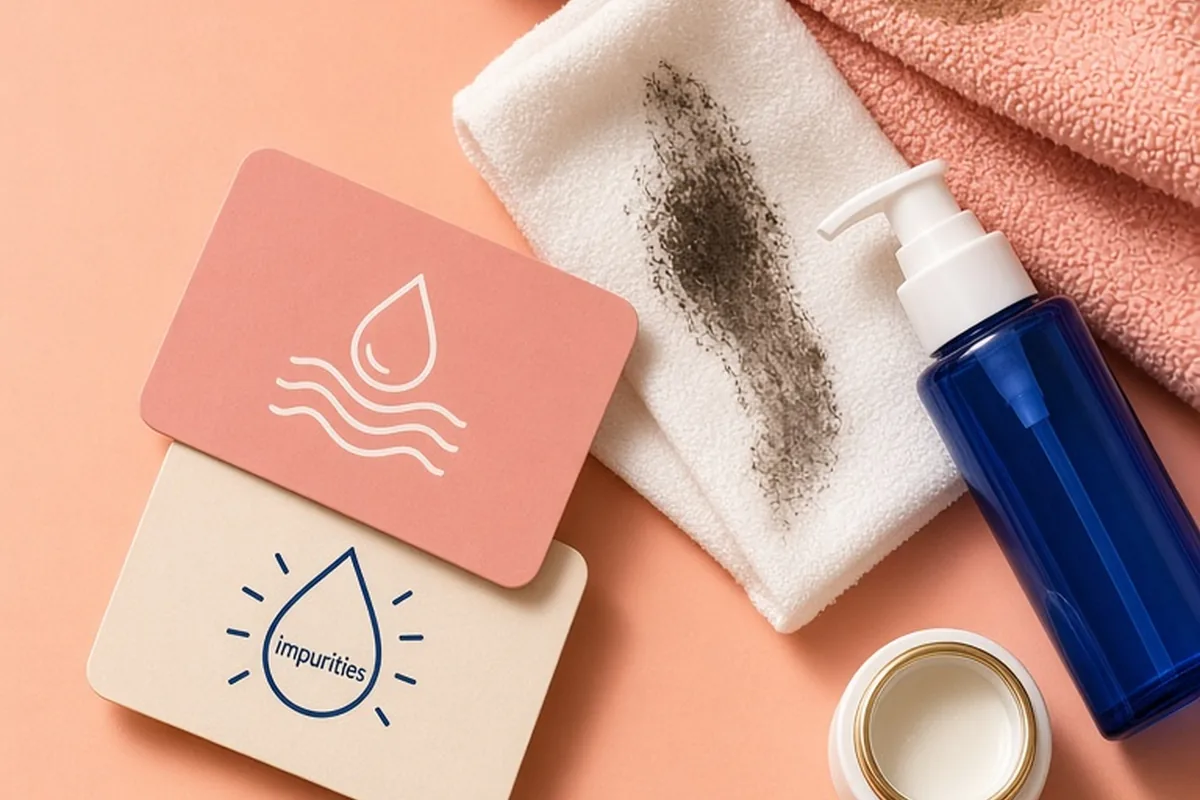
Most standard face washes can remove light, non-waterproof makeup such as sheer skin tints or loose powder, but they generally fail to dissolve long-wear foundations, waterproof mascara, and silicone-based primers. Because standard water-based cleansers target water-soluble sweat and daily grime, relying on them alone for full-coverage makeup often leaves pore-clogging residue behind or requires excessive scrubbing that compromises the natural skin barrier.
Washing your face at the end of the day should feel refreshing, yet many people discover stubborn foundation rings on their towels or smudged mascara beneath their eyes even after a thorough rinse. Understanding how different cleansing formulas interact with modern cosmetic pigments helps streamline your evening routine while protecting your skin health.
The Chemistry of Cleansers Versus Modern Cosmetic Formulas
Facial cleansers are primarily formulated as water-based emulsions containing surfactants. Surfactant molecules possess a dual structure: a hydrophilic head that binds to water and a lipophilic tail that attracts surface oils. In everyday conditions, these molecules surround light daily sebum, airborne dust particles, and sweat, allowing them to rinse away effortlessly with warm water. However, the chemistry of modern color cosmetics is fundamentally different from everyday surface debris.
Contemporary foundations, concealers, and eye cosmetics are deliberately engineered to resist water, humidity, and natural facial movement. Manufacturers achieve this extended wear by blending hydrophobic waxes, film-forming polymers, and dense silicone compounds like dimethicone. When a basic water-based cleanser meets a water-resistant cosmetic film, the surfactants cannot easily penetrate or dissolve the bonded polymer network without substantial mechanical force. Consequently, the cleanser merely glides across the top layer of pigment, leaving trapped oils and pigments settled deeply inside the pores.
Evaluating Your Makeup Routine to Determine Cleansing Needs
Whether a regular face wash is sufficient for your evening routine depends largely on the texture, density, and staying power of the cosmetics you apply. Minimalist routines featuring sheer mineral powders, water-based BB creams, un-tinted brow gels, and light blushes are relatively easy to wash away. Because these lightweight products lack heavy occlusive agents or waterproof sealants, a balanced foaming or gel cleanser can lift the particles without requiring specialized makeup removers.
In contrast, routines that incorporate long-wear matte foundations, full-coverage concealers, liquid lipsticks, mineral sunscreens, and waterproof mascara require a much more potent breakdown step. Testing the skin with a damp cotton pad after using only a regular face wash on waterproof cosmetics almost always reveals residual beige pigment or dark streaks. Evaluating the specific staying power of your daily cosmetic routine prevents the common mistake of expecting a mild cleanser to dissolve resilient, transfer-resistant makeup.
The Skin Health Consequences of Incomplete Makeup Removal
Allowing cosmetic residue to remain on the facial surface overnight creates an ideal environment for localized skin congestion and irritation. Throughout the day, makeup acts like a sponge, collecting oxidized sebum, atmospheric pollutants, and shedding keratin cells. When this compounded layer is left sitting on the skin, it can obstruct the follicular canal, frequently resulting in blackheads, whiteheads, and sudden inflammatory blemishes.
An equally detrimental issue arises when people attempt to scrub makeup off using only a regular face wash. Rubbing the skin vigorously with coarse washcloths or repeatedly lathering with stripping cleansers damages the delicate stratum corneum. This chronic mechanical and surfactant stress depletes vital natural lipids, leading to a compromised moisture barrier characterized by dryness, peeling, stinging, and reactive oil overproduction. Gentle, efficient dissolution of makeup is far healthier than forceful scrubbing.
Mastering the Two-Step Cleansing Strategy for Clear Skin
The two-step cleansing strategy, commonly called double cleansing, is the most dependable method for removing long-wearing makeup without irritating the skin. The initial phase utilizes an oil-based cleansing balm, pure cleansing oil, or micellar solution applied directly to dry skin. Based on the chemical rule that like dissolves like, the lipid-rich base effortlessly breaks apart heavy silicones, waxes, and waterproof pigments within thirty to sixty seconds of gentle circular massage.
Once the cosmetic layer has liquefied, adding a splash of warm water emulsifies the oil into a light, milky fluid that rinses away cleanly. The second step involves washing with a gentle, water-based cleanser tailored to your specific skin type to lift residual sweat, surface impurities, and environmental grime. This two-part approach thoroughly cleanses the skin while maintaining balanced hydration and avoiding abrasive physical friction.
Practical Workarounds When Face Wash Is Your Only Option
If you are traveling or find yourself without a dedicated makeup remover, you can adapt your standard face wash technique to improve its effectiveness. Instead of wetting your face first, dispense a moderate amount of a foaming or gel cleanser onto dry or slightly damp palms and massage it directly onto your dry makeup for roughly one minute. Applying the concentrated cleanser directly to dry cosmetics gives the surfactants immediate contact with surface oils before water dilutes their action.
After massaging, gradually introduce small amounts of lukewarm water to work up a lather before rinsing thoroughly with continuous splashes. To address stubborn eye pigments or residual hairline foundation, gently wipe the area using a soft, saturated microfiber cloth with light pressure rather than rough tugging. While this technique serves as an effective temporary solution, relying on it nightly for heavy makeup can gradually dry out the skin over time.
Selecting the Right Cleanser Formula for Your Skin Type
Finding an evening cleanser that balances makeup removal with barrier preservation requires matching formulas to your skin's unique moisture balance. Dry and sensitive complexions benefit from cream-to-oil cleansers or gentle milk formulas packed with glycerin, oat extract, and squalane, which dissolve light makeup while reinforcing hydration. Those with oily or acne-prone skin often achieve better results with amino-acid-based gel washes or foaming cleansers containing salicylic acid to clarify pores without causing excessive tightness.
For individuals who wear minimal cosmetics and prefer a single-step routine, hybrid all-in-one cleansing oils or micellar foaming gels offer a practical compromise. These modern formulations possess sufficient surfactant balance to lift light cosmetic layers while rinsing completely clean with water alone. Balancing convenience with your skin's comfort ensures a sustainable daily habit that supports long-term skin health.
Illustrative Scenarios
Balancing Makeup Removal for Sensitive, Congestion-Prone Skin
In an illustrative scenario, Alex wore full-coverage matte foundation and water-resistant mineral sunscreen every weekday. For months, Alex used a standard foaming gel wash twice every evening to ensure the skin felt completely clean, but developed persistent redness around the nose and small breakouts along the jawline. Upon switching to an unfragranced cleansing balm on dry skin followed by a single gentle hydrating wash, the makeup melted away without scrubbing. Within two weeks, the jawline congestion diminished and the tight, parched feeling after cleansing resolved.
Key point: Dissolving resilient cosmetics with a lipid-rich first step removes makeup more effectively than repetitive washing, preventing both clogged pores and barrier damage.
Frequently asked questions
Can regular face wash remove waterproof mascara?
Standard face washes rarely dissolve waterproof mascara effectively because water-resistant polymers require concentrated oils or specialized solvents to break down. Attempting to scrub mascara away with a basic cleanser can lead to eyelash breakage and irritate delicate eyelid skin. Using a dedicated eye makeup remover or cleansing oil on a soft pad is the safest approach.
Is double cleansing necessary if I do not wear makeup?
Double cleansing is generally unnecessary if you have bare skin or wear only lightweight, water-soluble daily moisturizers. However, if you apply high-adhesion water-resistant sunscreen or work in dusty, high-pollution environments, an initial oil cleanse can help remove stubborn residues without over-stripping your skin.
Does micellar water work as a replacement for face wash?
Micellar water contains tiny surfactant clusters called micelles that effectively capture makeup, dirt, and excess oil. While it can serve as a standalone cleanser in a pinch, rinsing your face with water or following with a gentle cleanser prevents leftover surfactants from lingering on the skin.
How can I tell if all my makeup has been washed off?
Gently swipe a damp, clean cotton pad across your forehead, jawline, and neck after patting your face dry. If the cotton remains completely white and free of beige or dark discoloration, your cleansing routine has successfully removed all cosmetic residue.
Your next step
Evaluate your daily cosmetic routine tonight and, if you wear long-lasting makeup or water-resistant sunscreen, introduce a gentle oil-based first cleanser before your regular face wash to ensure complete, barrier-friendly removal.