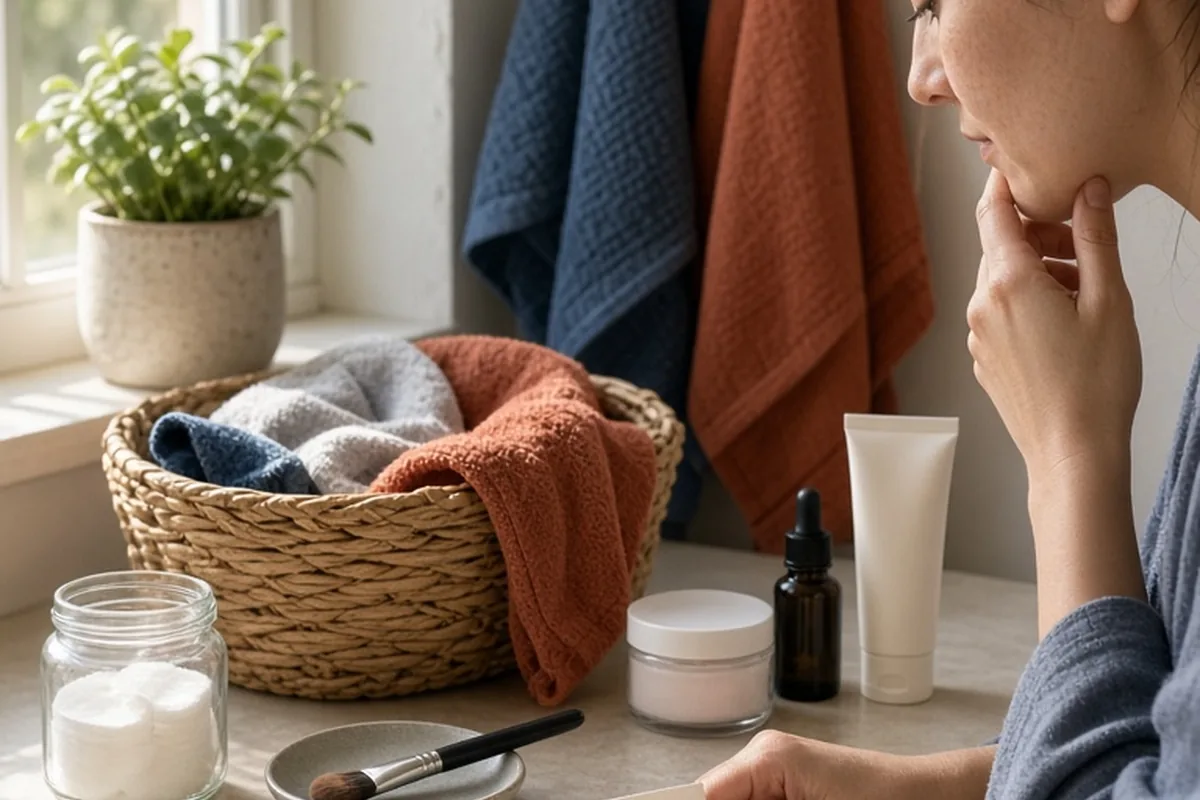
You should avoid applying makeup for at least twenty-four to forty-eight hours after a superficial chemical peel, and wait between seven to fourteen days after medium or deep peels. Applying cosmetics before your skin barrier has completely re-epithelialized can trap bacteria inside vulnerable pores, trigger severe contact dermatitis, disrupt natural flaking, and increase the risk of post-inflammatory hyperpigmentation.
Undergoing an exfoliating clinical treatment reveals fresher, brighter skin, but the post-procedure window requires careful maintenance. Navigating the transition from bare, healing skin back to your everyday makeup routine involves understanding your specific depth of peel, monitoring your skin barrier, and selecting non-irritating cosmetic formulas.
Understanding Post-Peel Timelines by Treatment Depth
The exact duration you must wait before reaching for your foundation depends entirely on the depth of the chemical peel you received. Superficial or light peels—typically formulated with mild alpha-hydroxy acids like glycolic or lactic acid, or beta-hydroxy acids like salicylic acid—only target the outermost layer of the epidermis. Because the structural damage is minimal, the skin barrier generally seals itself within twenty-four to forty-eight hours. During this initial window, the skin may appear slightly flushed, similar to a mild sunburn, but underlying cellular turnover occurs without deep weeping or extensive raw tissue exposure.
Medium-depth peels, such as those utilizing higher concentrations of trichloroacetic acid or Jessner solutions, reach into the upper layers of the dermis. These treatments produce noticeable crusting, brown discoloration, and active sheet peeling that typically persists for seven to ten days. Applying cosmetic pigments over skin that is actively separating can result in uneven absorption, severe irritation, and bacterial contamination. Deep peels, such as phenol-based procedures, require strict clinical oversight where cosmetics are strictly prohibited for two to three full weeks until re-epithelialization is entirely confirmed by your practitioner.
A practical rule of thumb is to measure your readiness not merely by the calendar, but by your skin surface condition. If your skin feels tight, shows open micro-fissures, or is actively shedding in visible sheets, cosmetic application should remain paused regardless of how many days have passed.
Why Premature Makeup Application Compromises Healing
A chemical peel works by inducing controlled chemical injury to dissolve cellular bonds, which temporarily eliminates your acid mantle and stratum corneum. Without this protective outermost shield, your skin loses its primary defense against microbial invaders, environmental pollutants, and chemical irritants. Liquid foundations, concealers, and setting powders contain binders, preservatives, emulsifiers, and colorants that are designed to sit atop a fully intact barrier. When introduced to raw skin, these compounds can penetrate into viable tissue, triggering acute allergic reactions or contact dermatitis.
Furthermore, cosmetic application tools such as makeup sponges, foundation brushes, and cushion compacts are notorious reservoirs for bacteria. Introducing these tools to vulnerable skin introduces pathogens into newly exposed pores, significantly increasing the likelihood of post-procedure folliculitis or breakouts. The mechanical friction of rubbing or buffing pigment onto shedding skin also poses a mechanical danger: it can prematurely rip away hanging skin flakes, exposing raw tissue underneath and dramatically raising the likelihood of scarring or stubborn post-inflammatory hyperpigmentation.
Recognizing When Your Skin Is Ready for Cosmetics
Rather than relying strictly on an estimated timeline, you should look for clear visual and physical indicators that confirm your epidermal barrier has repaired itself. The most critical milestone is the total cessation of active peeling, flaking, and skin weeping. When the shedding phase finishes naturally, the underlying skin should feel smooth to the touch rather than rough, papery, or raw. While residual pinkness or erythema is completely normal and can last for several weeks after deeper procedures, the surface itself must be dry, closed, and uniform.
Pay close attention to sensory feedback when you wash your face or apply a basic, bland moisturizer. If your daily post-care hydrating cream causes stinging, burning, or a hot sensation upon contact, your acid mantle remains compromised, meaning makeup will almost certainly cause discomfort and inflammation. Once you can gently wash your face with a mild cleanser and apply post-treatment ointment or moisturizer with zero tingling, your skin is structurally prepared to tolerate gentle color cosmetics.
Prepping and Priming the Recovered Skin Barrier
When you do resume wearing makeup, adequate skin preparation is essential to prevent products from clinging to dry patches or aggravating recovering tissue. Start with a gentle, non-foaming hydrating cleanser that uses lukewarm water, avoiding any mechanical scrubbing with washcloths or facial cleansing devices. Pat the skin dry using a clean, fresh paper towel or a sanitized microfiber cloth rather than a shared household hand towel.
Follow cleansing immediately with targeted barrier-supporting hydration. Look for soothing serums and moisturizers packed with physiological lipids such as ceramides, cholesterol, squalane, and hyaluronic acid. Allow your moisturizer to absorb fully for three to five minutes before applying a generous layer of broad-spectrum physical sunscreen containing zinc oxide or titanium dioxide. Mineral sunscreens not only protect vulnerable new skin cells from ultraviolet damage, but the zinc oxide also acts as a natural anti-inflammatory agent that calms lingering redness and creates a smooth, protective buffer beneath your makeup.
Selecting the Safest Cosmetic Formulas for Post-Peel Skin
Not all makeup products are suitable for skin that has recently undergone chemical resurfacing. Traditional long-wear liquid foundations and waterproof formulations should be avoided because they rely on heavy silicones, film-formers, and alcohol-based setting agents that can dry out healing skin and require harsh, abrasive cleansing to remove at the end of the day. Similarly, avoid products containing synthetic fragrances, essential oils, chemical sunscreen filters, or active anti-aging ingredients like retinol, salicylic acid, or vitamin C.
Instead, opt for high-purity mineral powders or lightweight, breathable tinted moisturizers. Mineral makeup formulated with titanium dioxide, zinc oxide, and iron oxides offers natural coverage without sinking deeply into pores or relying on irritating chemical preservatives. If you prefer liquid coverage, choose a water-based or squalane-based tinted serum that is labeled non-comedogenic and hypoallergenic, providing light-to-medium coverage while letting the underlying tissue breathe.
Application and Removal Techniques to Prevent Irritation
How you apply your makeup is just as important as the formulas you choose. Traditional application methods that rely on vigorous buffing, circular brush strokes, or dragging sponges across the face create unnecessary shear stress against delicate new skin cells. Instead, thoroughly wash your hands and use clean fingertips to gently pat and press liquid products onto the face. If you are applying loose mineral powder, use an ultra-soft, thoroughly sanitized fluffy brush and apply the product with light, downward pressing motions rather than sweeping back and forth.
At the end of the day, gentle removal is mandatory. Avoid makeup wipes, textured pads, or harsh micellar waters that require physical rubbing. Instead, perform a gentle two-step cleanse using a nourishing, fragrance-free cleansing oil or balm to dissolve pigments on contact, followed by your gentle non-foaming post-procedure cleanser. Rinse thoroughly with lukewarm water and immediately follow with your prescribed barrier repair cream to replenish moisture lost during the day.
Troubleshooting Common Post-Peel Makeup Dilemmas
A frequent frustration after a chemical peel is noticing that foundation clings stubbornly to subtle dry patches, creating a patchy, textured appearance. If you encounter this issue, never attempt to pick, scrub, or manually exfoliate those flaky areas. Doing so can cause micro-tears in the newly formed epidermis. Instead, lightly press a tiny drop of pure squalane oil or barrier balm over the flaky spot using your ring finger to flatten the edges and restore optical smoothness.
If you experience any sudden burning, itching, or localized hives after applying makeup, wash the product off immediately using cool water and your gentle cleanser. Revert back to your basic post-peel ointment and give your skin an additional forty-eight to seventy-two hours of rest before reintroducing any tinted cosmetics. When in doubt, prioritize barrier integrity over cosmetic camouflage to ensure clean, long-lasting aesthetic results.
Illustrative Scenarios
Navigating Return to Work After a Light Glycolic Peel
An office professional scheduled a superficial glycolic acid peel on a Thursday afternoon with the goal of returning to in-person client meetings on Monday. By Saturday, she experienced light flaking around her mouth and nose. Resisting the urge to apply heavy liquid foundation over the shedding areas, she kept her skin coated with a bland ceramide moisturizer and zinc sunscreen all weekend. On Monday morning, with active shedding completed and only mild residual pinkness remaining, she used a sanitized powder brush to press loose mineral foundation onto her skin rather than buffing a liquid formula.
Key point: Allowing the skin to shed without mechanical disruption and choosing mineral powder over heavy liquids allows for presentable coverage while completely protecting healing skin.
Frequently asked questions
Can I wear tinted mineral sunscreen immediately after my chemical peel?
Tinted mineral sunscreens containing pure zinc oxide and titanium dioxide are often acceptable after the first twenty-four to forty-eight hours for superficial peels. However, you should confirm with your aesthetician or dermatologist first, as some tinted formulas contain iron oxides or botanical extracts that could irritate raw skin.
What should I do if my makeup begins stinging after application?
Gently wash your face right away using cool water and your prescribed post-procedure cleanser. Pat the skin dry without rubbing, reapply your soothing barrier recovery balm, and keep your face free of cosmetics for another two to three days.
Can I wear mascara and lip products while my facial skin is still peeling?
Yes, standard lip balms, lipsticks, and eye makeup like mascara or brow pencils are generally fine as long as the chemical solution was not applied to those specific zones. Be very cautious when removing eye makeup so that cleansers or oils do not run down onto the actively peeling areas of your cheeks.
Why does my foundation look uneven or cakey after my peel?
Post-peel skin naturally has microscopic areas of uneven cellular turnover where dead cells have not yet fully detached. Heavy or matte foundations cling to these dry edges, exaggerating texture rather than hiding it, which is why lightweight mineral formulas and rich hydrators are recommended.
Your next step
Check your skin for zero active shedding and complete comfort with basic moisturizers, then perform a small patch test with clean mineral makeup along your jawline before covering your entire face.