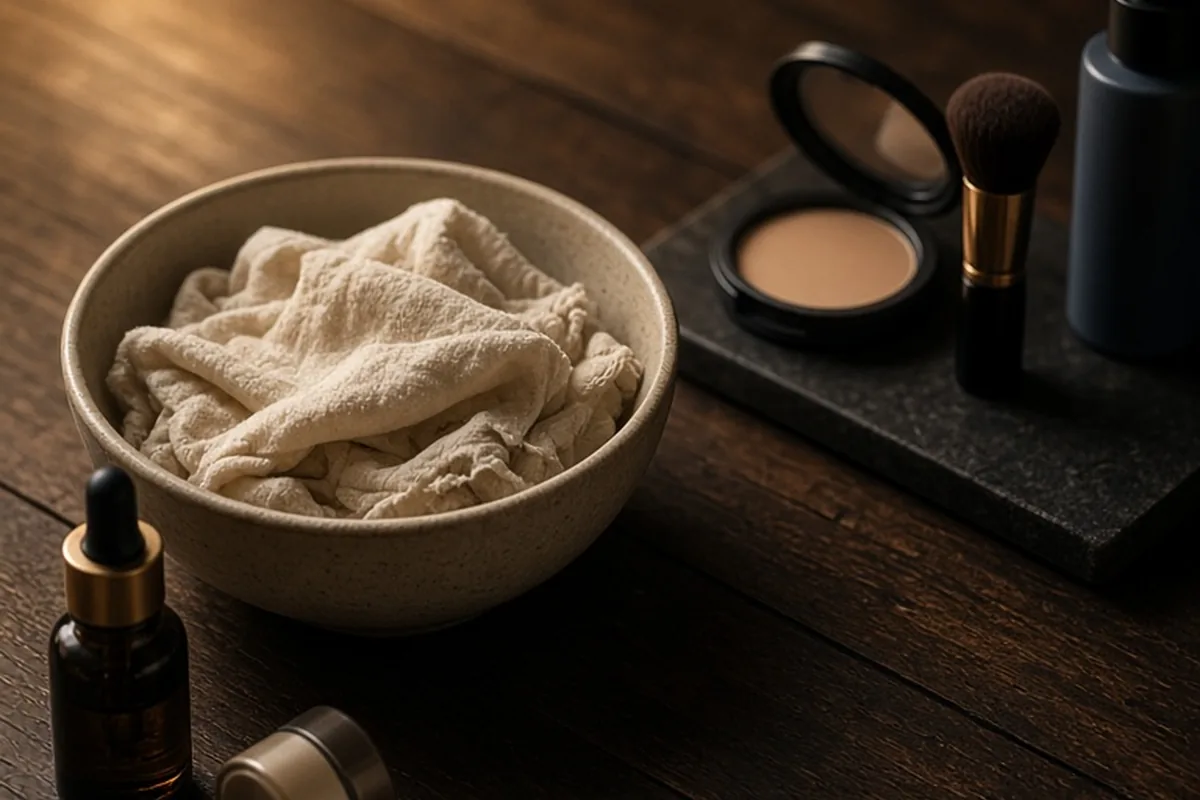
You should avoid wearing makeup immediately after a chemical peel. For light superficial peels, wait at least 24 to 48 hours before applying cosmetics. Medium or deep peels require five to fourteen days or more, until peeling finishes and the fresh skin barrier reseals. Applying foundation or powder too early risks infection, irritation, clogged pores, and uneven pigmentation while your skin is actively shedding and repairing itself.
Chemical peels are popular in-office and at-home treatments designed to improve skin texture, reduce discoloration, and accelerate cellular turnover. However, the temporary vulnerability of newly exposed skin requires a strategic pause on daily cosmetic routines.
How Peel Depth Dictates Your Makeup Timeline
The primary factor determining when you can safely wear makeup is the depth of the chemical peel you received. Superficial peels, often formulated with gentle alpha hydroxy acids like glycolic or lactic acid, or beta hydroxy acids like salicylic acid, only remove the outermost layer of the epidermis. Because these treatments cause minimal disruption to the deeper skin barrier, most professionals suggest waiting between 24 and 48 hours before using any cosmetics. During this initial window, the skin closes its micro-channels and begins microscopic desquamation, making it receptive to gentle hydration but easily overwhelmed by color pigments.
Medium-depth peels, such as those using higher concentrations of trichloroacetic acid, reach into the upper layers of the dermis to treat moderate sun damage, fine lines, or deeper pigmentation. Recovery from a medium peel typically involves noticeable redness, swelling, and pronounced shedding that lasts five to ten days. You should avoid all makeup during the active peeling stage, which means waiting at least seven to ten days until all flaking has naturally resolved. Deep phenol peels require an even more conservative approach, demanding two to three weeks or longer of completely bare skin while the deep tissue undergoes structural remodeling.
Attempting to standardize a single waiting period across all peel types creates significant risks. If your provider combines a superficial acid with mechanical dermaplaning or microneedling, your downtime extends beyond the standard 24-hour mark. Always base your timeline on your specific formula, your skin's visible reaction, and the explicit recovery protocol provided by your practitioner.
The Real Risks of Applying Cosmetics Too Early
Applying makeup to compromised post-peel skin is not merely a cosmetic concern; it introduces real physiological vulnerabilities. During the post-peel window, the skin's protective acid mantle and lipid barrier are temporarily absent. When you apply foundation, concealer, or powder, synthetic dyes, preservatives, and fragrance molecules penetrate directly into exposed tissue. This direct contact frequently triggers contact dermatitis, prolonged erythema, burning sensations, and inflammatory breakouts.
Infection represents another serious risk. Liquid foundations and cream compacts naturally harbor low levels of environmental bacteria, while makeup brushes and beauty sponges accumulate oil, dead skin, and microbes over time. On intact skin, your natural defense system prevents these microbes from causing harm. On skin that is freshly resurfaced or actively peeling, those same bacteria can enter microscopic fissures, leading to folliculitis or localized bacterial infections that disrupt the healing process.
Furthermore, premature makeup application can cause post-inflammatory hyperpigmentation. When vulnerable melanocytes are irritated by chemical additives or the mechanical rubbing required to apply and remove makeup, they frequently overproduce pigment in defense. This counteracts the primary purpose of receiving a chemical peel for clarity, leaving behind patchy, dark marks that can take months to fade.
Recognizing When Your Skin Is Ready for Cosmetics
Rather than relying strictly on the calendar, evaluating physical cues provides the safest way to determine when your face is ready for makeup. Your skin should be fully re-epithelialized, meaning the new surface layer has formed completely without any raw, weeping, or tight, shiny patches. Any active flaking, peeling, or crusting must be entirely finished before you introduce cosmetic formulations.
A reliable self-test involves your skin's response to basic skincare. When you apply a gentle, bland moisturizer or a mineral sunscreen, your face should feel comfortable without any stinging, heat, or persistent prickling. If standard hydrators cause even mild discomfort, your skin barrier is still open and unprepared for the complex formulas found in cosmetic products.
You should also observe skin color and sensitivity to touch. While a light pink flush is common for several days following a treatment, the skin should not be hot to the touch or tender when gently pressed with clean fingers. When these signs align—no flaking, no stinging upon moisturization, and settled baseline sensitivity—you can cautiously reintroduce lightweight cosmetics.
Selecting the Best Formulations for Post-Peel Skin
When you do resume makeup application, your choice of product formulation plays a critical role in preserving your results. Heavy, oil-based foundations, matte-drying liquid formulas, and products containing active skincare ingredients like retinol, AHAs, or high-dose vitamin C should be set aside for at least two weeks. These products can suffocate recovering skin or trigger secondary irritation.
Mineral-based makeup is generally considered the gentlest cosmetic option after peeling has concluded. Pure mineral loose powders or pressed compacts containing zinc oxide and titanium dioxide offer broad benefits: they sit on top of the skin without sinking deeply into pores, provide natural physical sun defense, and rarely contain the synthetic emulsifiers or fragrances that irritate new tissue. If you prefer liquid coverage, look for water-based, non-comedogenic BB creams or tinted moisturizers formulated specifically for sensitive or post-procedure skin.
Carefully inspect your product ingredient labels before applying anything to newly healed skin. Avoid formulas with high concentrations of denatured alcohol, essential oils, artificial perfumes, and heavy silicones that require aggressive removal at the end of the day.
- Pure loose or pressed mineral foundations with minimal ingredient lists
- Broad-spectrum tinted mineral sunscreens utilizing zinc oxide
- Fragrance-free, non-comedogenic tinted moisturizers with ceramides or hyaluronic acid
- Breathable, post-procedure camouflage creams recommended by clinical providers
Proper Application and Cleansing Techniques
The mechanical technique you use to put on and take off makeup matters just as much as the products you select. Dragging a dense buffing brush across tender skin or aggressively rubbing a blending sponge creates friction that can tear delicate, newly formed cells. Instead, apply liquid formulas using clean fingertips or a lightly dampened, freshly sanitized sponge, using a gentle patting or stippling motion rather than sweeping strokes.
Hygiene protocols must be elevated during the post-peel recovery phase. Before applying makeup, wash your hands thoroughly with antibacterial soap. If you choose to use brushes, wash them with gentle brush cleanser and allow them to dry completely before use, or ideally, use single-use disposable applicators while your skin remains sensitive.
At the end of the day, makeup removal must be exceptionally gentle. Avoid cleansing wipes, micellar waters that require abrasive cotton pad scrubbing, and vibrating cleansing brushes. Instead, perform a gentle cleanse using a soothing, non-foaming cream or oil cleanser massaged gently with clean hands, followed by a thorough rinse with lukewarm water. Pat your face dry with a clean, soft microfiber towel without rubbing.
Managing Flaking and Texture Under Foundation
One of the most common reasons people rush to wear makeup after a peel is the desire to camouflage visible peeling, redness, or patchy shedding. However, attempting to cover flaking skin with foundation almost always backfires cosmetically. Pigments cling to the edges of dry, shedding skin cells, exaggerating the texture and making the peeling far more noticeable than it would be on bare, hydrated skin.
If your skin is still shedding, resisting the urge to pick, pull, or physically exfoliate the flakes is essential. Forcibly removing loose skin before it detaches naturally pulls away underlying cells that are not ready for exposure, creating pinpoint bleeding, raw spots, and potential scarring. Foundation applied over these micro-wounds will settle unevenly and significantly elevate the risk of infection.
To manage visible flaking without makeup, focus entirely on hydration and barrier support. Layering a bland hyaluronic acid serum under a rich ceramide-based balm or occlusive ointment will soften peeling edges, flatten visible texture, and provide a healthy-looking sheen that distracts from shedding without compromising your skin.
Establishing a Supportive Skincare Base
Before any cosmetic product touches your face, establishing a solid skincare routine creates a protective cushion between your fresh skin and pigment particles. The absolute cornerstone of post-peel care is broad-spectrum sun protection. Freshly revealed skin contains lower baseline melanin and lacks its usual defenses against ultraviolet rays, making it exceptionally prone to sunburning and rebound hyperpigmentation. A physical, mineral-based sunscreen with SPF 30 or higher should always serve as your primary base layer.
Layer your skincare products from lightest to richest before considering makeup. Begin with a gentle, alcohol-free hydrating mist or serum containing soothing ingredients such as panthenol, glycerin, or centella asiatica. Follow this with a barrier repair moisturizer rich in physiological lipids like ceramides, cholesterol, and fatty acids to replenish the moisture envelope.
Allow your skincare and sunscreen to absorb completely for at least five to ten minutes before adding any cosmetic layers. This waiting period allows the protective film of your sunscreen and moisturizer to set, preventing cosmetics from mixing directly into unabsorbed skincare or sliding into sensitive facial creases.
Illustrative Scenarios
Navigating Workplace Appearance During Superficial Peel Recovery
An office professional scheduled a superficial glycolic acid peel on a Thursday afternoon, hoping to return to in-person meetings on Monday morning. By Sunday evening, the skin on her lower cheeks and around her mouth had minor flaking and a light pink tone. Wanting full coverage for her morning presentations, she initially considered applying her usual full-coverage matte liquid foundation. Recognizing that the heavy formula and brush friction might irritate the shedding areas, she pivoted to a gentle strategy: she applied a barrier-repair moisturizer, layered a physical tinted zinc oxide sunscreen over her face, and used a clean fingertip to dab a small amount of mineral powder concealer only on specific blemishes while leaving the flaking perimeter untouched.
Key point: Opting for mineral coverage and tinted sun protection instead of heavy matte foundation prevents product clinging on flaking areas while shielding vulnerable skin from irritation.
Frequently asked questions
Can I wear tinted sunscreen instead of traditional foundation after a peel?
Yes, once the initial 24 to 48-hour recovery window has passed for a light peel, a gentle mineral tinted sunscreen is often the ideal alternative to foundation. Formulations using zinc oxide provide uniform color correction while delivering essential ultraviolet defense without heavy artificial dyes.
What should I do if my skin stings after applying makeup?
If you experience burning, itching, or sudden redness after applying cosmetics, wash the product off immediately using a gentle, fragrance-free cleanser and lukewarm water. Reapply a soothing barrier cream and pause all makeup use for another two to three days until your skin settles.
Is it safe to wear eye makeup or lipstick while my facial skin is peeling?
You can generally apply mascara, brow pencil, and gentle lip balm sooner than facial foundation, provided the peel was not applied to those specific zones. Take care during evening removal so that cleansers or rubbing do not spread cosmetic residue onto the sensitive, peeling skin of your cheeks and forehead.
How should I clean my makeup brushes before using them on post-peel skin?
Wash all brushes and tools thoroughly with an unscented antibacterial soap or brush cleanser 24 hours in advance, allowing them to air-dry completely. Alternatively, apply mineral products using freshly washed hands or disposable sponges to minimize microbial exposure.
Your next step
Review your specific peel depth with your provider, wait until all shedding and sensitivity have fully cleared, and reintroduce makeup gradually using clean tools and gentle mineral formulas.