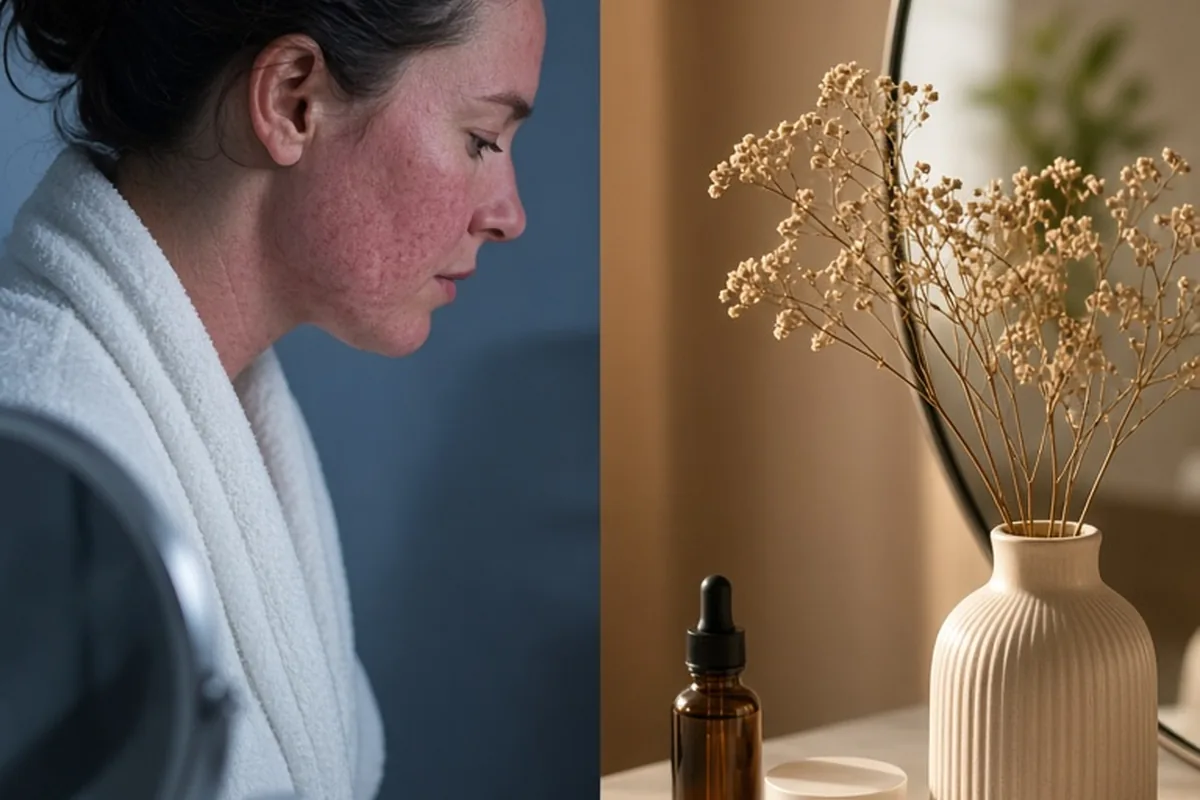
You should avoid wearing makeup for at least 24 to 48 hours after a mild glycolic peel, and up to 5 to 7 days after a medium-depth peel. Applying cosmetics too early can trap bacteria in open pores, irritate vulnerable skin, cause breakouts, or disrupt the peeling process. Wait until visible redness subsides and flaking has finished before applying clean, non-comedogenic makeup.
Undergoing a chemical exfoliation treatment like a glycolic acid peel can dramatically refresh your complexion, but post-treatment care directly determines your final results. While it is completely natural to want to conceal immediate redness or uneven tone before heading back to work or social events, rushing to apply foundation can jeopardize the healing process.
The Ideal Timeline for Applying Cosmetics After a Glycolic Peel
The exact duration you must wait before reaching for your cosmetic bag depends largely on the concentration of the glycolic acid and the depth of the treatment. For light, superficial at-home or mild professional peels containing low acid percentages, a minimum resting window of 24 to 48 hours is standard practice. During this initial recovery stage, the outer stratum corneum is exceptionally thin and permeable, meaning the natural barrier that keeps irritants out and moisture in is temporarily lowered.
For medium-strength chemical peels administered in clinical settings, your skin may require between five and seven full days of recovery before cosmetic application becomes safe. In these deeper treatments, the skin actively sheds older layers over several days, leaving newly formed epidermis underneath. Attempting to apply liquids, creams, or powders over active flaking disrupts this natural shedding cycle. A dependable practical guideline is to wait until all active peeling has resolved naturally, skin tenderness has dissipated, and baseline hydration is restored before using any decorative cosmetics.
Why Freshly Exfoliated Skin Reacts Negatively to Makeup
Glycolic acid works by dissolving the intercellular bonds that hold dead skin cells together, effectively clearing the uppermost layers of tissue. While this reveals a smoother surface, it also exposes microscopic pathways directly to the vulnerable lower layers of your epidermis. When you apply conventional foundations, concealers, or setting powders immediately after a peel, the synthetic pigments, binding agents, and preservatives settle into these open channels, dramatically increasing the risk of contact dermatitis, stinging, and prolonged erythema.
Furthermore, makeup application tools—including brushes, sponges, and cosmetic cushions—frequently harbor micro-organisms even when they appear clean to the naked eye. Introducing everyday cosmetic tools to sensitized, newly exfoliated skin can transfer environmental contaminants directly into pores that lack their usual defensive lipid shield. This dynamic often triggers sudden post-peel breakouts, persistent inflammation, or localized bacterial irritation that can counteract the aesthetic improvements the peel was intended to deliver.
Ingredients to Strictly Avoid in Post-Peel Makeup Products
When you are ready to resume wearing makeup, reviewing product ingredient labels becomes an essential safeguard. Many modern foundations and tinted moisturizers contain active skincare ingredients designed for daily resurfacing or oil control. While beneficial on normal skin, formulations featuring added salicylic acid, alpha hydroxy acids, retinol, or benzoyl peroxide can over-exfoliate recovering tissue and trigger severe barrier damage when combined with a recent professional peel.
You should also temporarily set aside products containing high concentrations of denatured alcohol, synthetic fragrances, and heavy chemical dyes. Fragrance compounds in particular are among the most common triggers for post-procedure sensitivity and allergic contact reactions. Instead, seek out minimalist formulations labeled as fragrance-free, hypoallergenic, and non-comedogenic to minimize the potential for chemical reactivity on freshly regenerated skin.
Choosing the Safest Cosmetic Formulas and Application Techniques
When the waiting period has elapsed and your skin feels calm, loose mineral powder foundations are generally considered the gentlest cosmetic option. High-purity mineral powders typically rely on inert ingredients like titanium dioxide, zinc oxide, and mica, which sit lightly on the skin surface without sinking deeply into pores. Zinc oxide also provides a natural soothing effect, making it an excellent base for skin that still exhibits subtle post-treatment warmth or mild pinkness.
Your application technique requires equal care to avoid mechanical friction. Rather than buffing, rubbing, or dragging dense bristles across your face, use a clean, ultra-soft brush or a freshly sanitized, damp beauty sponge to gently press and stipple product into place. Patting the product onto the skin prevents premature lifting of any remaining micro-flakes and reduces the friction that leads to irritation. Ensure all brushes or sponges used on your post-peel skin have been thoroughly cleansed with antibacterial soap and dried completely beforehand.
Managing Post-Peel Flaking and Texture Without Heavy Coverage
One common dilemma following a glycolic treatment is attempting to hide noticeable peeling, flaking, or dry patches under thick, full-coverage foundation. In practice, layering heavy liquid concealers and mattifying foundations over shedding skin usually magnifies texture rather than hiding it. The dry flakes absorb the cosmetic pigments unevenly, causing the makeup to cling, crack, and appear cakey within hours of application.
A more effective approach is prioritizing intensive moisture replenishment over opaque coverage. Applying barrier-supportive serums containing hyaluronic acid, panthenol, and ceramides, followed by a nourishing, bland emollient moisturizer, helps flatten surface flakes and restore comfort. If you need subtle daytime tone correction, consider a tinted broad-spectrum physical sunscreen containing zinc oxide. This provides subtle, flattering coverage while actively protecting your UV-sensitive skin without the occlusive weight of traditional heavy foundation.
Safe and Gentle Makeup Removal to Protect Your Healing Barrier
How you take off your makeup at the end of the day is just as critical as how you apply it. Aggressive cleansing, scrubbing with washcloths, or using disposable cleansing wipes can cause mechanical micro-tears on sensitive post-peel skin. Wipes in particular rely on high friction and concentrated cleansing surfactants that disrupt fragile lipid layers and pull on delicate flaking areas before they are ready to detach naturally.
Instead, adopt a gentle double-cleanse approach using a bland, fragrance-free cleansing oil or micellar water followed by a gentle, non-foaming hydrating cleanser. Apply the cleansing oil with clean fingertips, massaging with minimal pressure to dissolve pigments, then rinse with lukewarm water. Pat your face dry using a clean, soft cotton towel without rubbing, and follow immediately with your restorative post-peel moisturizer to seal in hydration overnight.
Illustrative Scenarios
Navigating a Work Presentation Shortly After a Glycolic Peel
An illustrative client scheduled a 30% superficial glycolic acid peel on a Tuesday afternoon, unaware that they would be required to lead a major corporate meeting on Thursday morning. By Thursday, their skin presented slight flushing and mild localized tightness around the cheeks and chin. Tempted to apply full-coverage matte foundation and setting powder to mask the pinkness, they recognized the risk of causing irritation and patchy product buildup.
Key point: Rather than using traditional makeup, the client prepped their skin with a soothing ceramide moisturizer and applied a gentle, untinted physical mineral sunscreen topped with a light dusting of pure mineral powder using a clean, sanitized stippling brush. This provided subtle color balancing without causing stinging, clogging open pores, or disturbing the recovery timeline.
Frequently asked questions
Can I wear mascara and lip products if I cannot wear foundation?
Yes, you can generally wear eye makeup and lip products 24 hours after a glycolic peel, provided the peel was not applied directly to the eyelids or lips. Take extra care when cleansing to ensure eye makeup removers do not run or smear across your sensitized facial skin.
What should I do if I accidentally applied makeup too soon after my peel?
If you applied makeup prematurely and notice stinging, itching, or increased redness, gently remove the product immediately using lukewarm water and a mild, fragrance-free cleanser. Follow with a soothing barrier-repair cream and pause all further makeup use for an additional 24 to 48 hours.
Is tinted mineral sunscreen considered safe makeup after a peel?
A physical, mineral-based tinted sunscreen formulated with zinc oxide and titanium dioxide is often the safest early cosmetic choice after the initial 24-hour window. It provides subtle color correction while shielding newly exposed skin from ultraviolet damage without harsh chemical filters.
Why does my foundation look patchy and separated after a chemical peel?
Foundation often looks uneven because the skin undergoes accelerated cell turnover and natural shedding following a peel. Applying makeup over microscopic dry patches causes pigment to cling to uneven edges, which emphasizes flakiness rather than smoothing it.
Your next step
Assess your skin for lingering redness or active peeling, deep-clean your cosmetic brushes, and perform a small patch test with a mineral foundation before completing a full face of makeup.