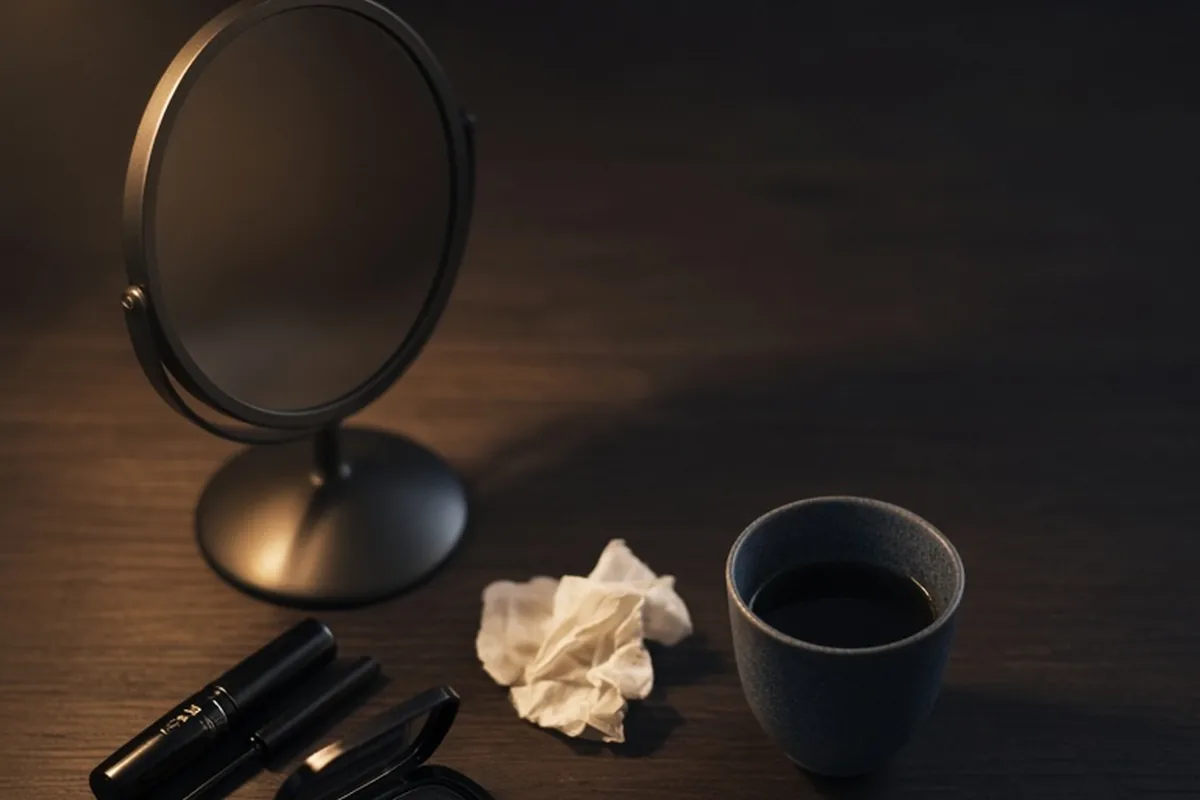
You should generally avoid wearing eye makeup to an eye exam. Products like mascara, eyeliner, and eyeshadow can flake into the eye, obscure delicate structures, and smudge when diagnostic eye drops are administered. If going barefaced is impractical, stick to light face makeup while keeping the entire orbital area free of cosmetics so your eye doctor can perform an accurate, thorough evaluation without irritation.
Scheduling an appointment with an optometrist or ophthalmologist often brings up practical grooming questions, especially if you have work, school, or social plans on the same day.
Why Eye Care Providers Recommend a Barefaced Appointment
An eye examination is a comprehensive health check that assesses both your optical clarity and the physical structure of your eyes and eyelids. When an eye doctor conducts an evaluation, they use specialized high-magnification instruments, such as a slit lamp, to examine the cornea, conjunctiva, sclera, iris, and the margins of the eyelids. Cosmetics applied around the eyes can physically obscure these areas, making it harder for the practitioner to spot subtle issues like vascular inflammation, minor corneal scratches, or blocked oil glands along your lash line.
Beyond visibility concerns, cosmetic particles present a tangible mechanical issue during clinical procedures. Eye examinations frequently require placing diagnostic drops onto the ocular surface, introducing test strips, or physically manipulating the upper and lower lids. Mascara, eyeliner, and loose powder can easily break apart and migrate onto the ocular surface during these steps. This contamination not only causes immediate stinging and discomfort for you as the patient, but it can also mimic or mask symptoms of ocular surface disease, creating unnecessary diagnostic confusion.
Cosmetic Products That Create the Greatest Diagnostic Problems
While standard face makeup presents fewer obstacles, certain eye-specific cosmetics carry a significantly higher potential for interfering with clinical assessments. Waterline eyeliner and tightlining products are among the most problematic because they directly coat the meibomian glands located along the inner rim of the eyelids. These tiny glands produce the vital lipid layer of your tear film, and coating them with waxes and pigments prevents your clinician from assessing their natural secretion quality, patency, and morphology.
Mascara, particularly tubing formulas and fiber-lash mascaras designed to add extreme volume, introduces a high risk of particulate shedding. When a doctor gently holds your eyelid back or instills numbing or dilating drops, these fibers frequently dislodge and float across the cornea. Similarly, loose glitter, shimmer powders, and heavily pigmented eyeshadows contain mica and reflective mineral flakes that disperse rapidly across the ocular surface, causing localized irritation and obscuring clear views through the slit-lamp lens.
False eyelashes and semi-permanent lash extensions also introduce notable complications. Strip lashes applied with standard adhesive can loosen or detach completely when eyedrops are administered, while heavy extensions can physically block the light beam and narrow viewing field of diagnostic imaging tools. Furthermore, heavy cream concealers and rich eye creams applied closely under the lower lash line tend to emulsify when mixed with saline or medicated drops, creating a cloudy film that temporarily compromises visual acuity measurements.
How Common In-Office Tests Interact With Makeup
Understanding the specific steps of an eye exam clarifies why cosmetics get in the way. One standard procedure is tonometry, which measures your intraocular pressure to screen for conditions like glaucoma. Many tonometry methods involve instilling a combination of a local anesthetic and a yellow fluorescein dye onto the eye before gently resting a small probe against the cornea. If you are wearing mascara or eyeliner, the excess fluid from the dye wash can dissolve your makeup, sending dark pigment into the tear film and staining the surrounding skin alongside the dye.
Pupil dilation is another routine procedure where makeup causes significant inconvenience. Dilation drops (mydriatics) stimulate significant reflex tearing as they work, which inevitably leads to dark streaks running down your cheeks if you are wearing heavy eye cosmetics. As the drops cause the eyes to water, patients naturally want to wipe or dab the corners of their eyes, which rubs loose cosmetic particles directly into the dilated, light-sensitive eyes.
Clinicians also frequently perform lid eversion, a technique where the upper eyelid is gently turned outward to inspect the palpebral conjunctiva for signs of allergies, foreign bodies, or papillae. Performing this maneuver on an eyelid coated in thick eyeshadow or liquid liner is messy, can smear makeup into the sub-tarsal space, and may compromise the clinician's sterile field.
A Low-Impact Routine for Patients Coming From Work or Social Events
If your schedule requires you to attend professional meetings or social gatherings before your appointment, going completely barefaced may feel inconvenient. In these situations, adopting a tailored, low-impact routine provides a balanced compromise. Focus entirely on complexion and lip products while leaving the entire periocular zone completely bare. You can comfortably wear a sheer foundation, tinted moisturizer, light blush, and lip color without interfering with standard diagnostic procedures, provided these products do not migrate toward your eyes.
When using complexion products, keep foundation and setting powders at least one half-inch away from your lower lash line and orbital rim. Avoid loose powders entirely on exam days, opting instead for well-pressed compacts or cream products that stay anchored to the skin. Eyebrows can be lightly groomed with a clear gel or pencil, provided the product does not crumble or dust onto the upper eyelids during the appointment.
A practical strategy for busy days is keeping gentle, fragrance-free micellar cleansing wipes or individual eyelid cleansing pads in your bag. If you wore eye makeup earlier in the day for an essential commitment, you can use the restroom five to ten minutes before checking in to completely remove all traces of mascara, liner, and shadow, giving your eyes a moment to settle before the technician calls you back.
Special Rules for Contact Lens Fittings and Dry Eye Evaluations
Appointments specifically booked for contact lens evaluations or dry eye assessments require even stricter cosmetic boundaries. During a contact lens fitting, you and your practitioner will handle clear trial lenses, placing them directly onto the cornea and evaluating their movement and centration. Any residue of oil, wax, or pigment on your fingers or eyelid margins can transfer to the lens material, creating stubborn surface deposits, reducing oxygen permeability, and causing severe discomfort.
Dry eye consultations rely heavily on precise evaluations of the tear film and tear break-up time (TBUT). To measure how quickly your natural tears evaporate, the clinician observes the tear film under cobalt blue light after instilling fluorescein. If cosmetic oils, emollients, or pigment particles are floating in the tear reservoir, they artificially alter the surface tension and lipid layer stability, potentially leading to inaccurate diagnoses and ineffective treatment plans.
For specialized imaging like meibography—which captures infrared photographs of the oil glands inside your eyelids—the presence of eyeliner or tightline pigments creates dark shadows on the scans. To ensure your doctor receives reliable data on your gland health and tear composition, eliminate all eye cosmetics and heavy facial oils for the entire day of the appointment.
Safe Post-Exam Reapplication and Aftercare Habits
Once your appointment is finished, you might want to immediately touch up your makeup, but patience is essential, especially if your eyes were dilated or numbed. Local anesthetic drops temporarily eliminate your natural blink reflex and sensitivity, meaning a slipped eyeliner pencil or mascara wand could scratch your cornea without you feeling it happen. Wait at least thirty to forty-five minutes until all numbness has completely resolved before attempting any cosmetic touch-ups around your face.
Pupil dilation typically lasts anywhere from four to six hours, during which your vision may remain blurry and your eyes will be exceptionally sensitive to bright light. Attempting detailed eyeliner or mascara application with compromised near vision often leads to accidental eye pokes and uneven application. If you must reapply makeup before heading back to your routine, stick to a quick dusting of face powder away from the eyes and focus on lip color, saving detailed eye makeup for when your pupils return to their normal size.
Post-exam care is also an ideal opportunity to review the hygiene of your cosmetic collection. If your eye doctor identified any mild irritation, blepharitis, or allergic conjunctivitis during your visit, continuing to use old eye makeup can prolong the issue. Consider discarding any liquid eyeliners, cream shadows, or mascaras that have been open for more than three months to maintain clean, comfortable eyelids.
Frequently asked questions
Can I wear face makeup like foundation and blush to my eye exam?
Yes, wearing light foundation, blush, and lip color is generally fine because these products sit away from your ocular surface. Keep foundations and concealers at least half an inch away from your lash lines so they do not mix with diagnostic drops or migrate into your eyes.
What should I do if I forget and show up wearing full eye makeup?
Let the front desk staff or technician know as soon as you arrive so they can provide you with eye-safe makeup remover wipes before testing starts. Removing your eye makeup in the waiting area gives your eyes time to clear away residual particles before the doctor begins the slit-lamp exam.
Can I wear my false eyelashes or lash extensions to an eye appointment?
It is best to skip strip lashes because diagnostic drops and eyelid manipulation can dissolve the adhesive and cause them to peel off mid-exam. If you have permanent extensions, inform your doctor before the exam starts so they can take extra care when inspecting your lids and instilling drops.
Your next step
Remove all eye makeup before your appointment and keep face products away from the lash line to ensure an accurate, comfortable examination.