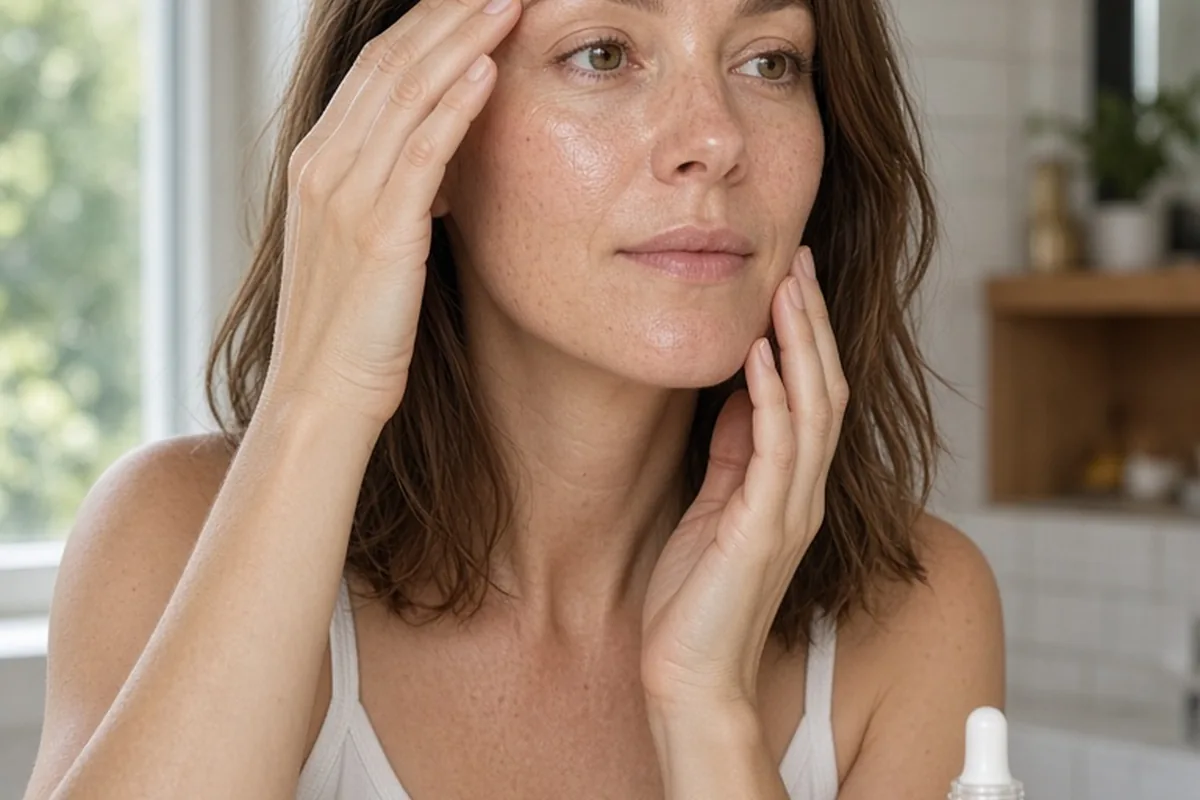
Yes, you can safely use niacinamide and retinol together in the same skincare routine. Niacinamide helps reinforce the skin barrier and calm redness, which directly counteracts the dryness, flaking, and irritation frequently triggered by retinol. You can layer them sequentially in the evening, use a product formulated with both ingredients, or apply niacinamide in the morning and retinol at night.
Combining active skincare ingredients can feel intimidating, especially when working with potent compounds known to cause initial sensitivity. Learning how niacinamide and retinol complement each other makes it possible to improve skin texture, balance oil production, and support cellular turnover while keeping your skin barrier comfortable and resilient.
How Niacinamide and Retinol Support Each Other
Retinol is a vitamin A derivative widely valued for its ability to accelerate epidermal turnover and encourage collagen synthesis. By speeding up how quickly cells shed and renew, retinol helps smooth uneven texture, unclog congested pores, and soften the appearance of fine lines. However, this rapid renewal process frequently comes with a transitional phase known as retinization. During this adjustment period, the outer layer of the skin can experience moisture loss, increased sensitivity, visible peeling, and noticeable irritation.
Niacinamide, a water-soluble form of vitamin B3, acts as an ideal counterweight to the drying tendencies of retinol. It aids in the natural production of ceramides, fatty acids, and key structural proteins that make up the moisture barrier. When the barrier is reinforced, the skin retains hydration more effectively and resists external irritants. By calming inflammatory pathways, niacinamide reduces the blotchiness and burning sensations that often cause people to abandon retinol treatment prematurely.
Because these two ingredients operate through entirely distinct cellular mechanisms, they do not deactivate one another or compete for absorption. Retinol works on nuclear receptors within skin cells to influence gene expression and renewal, while niacinamide functions as an essential coenzyme in cellular energy production and lipid synthesis. Pairing them allows you to target signs of aging and breakout-prone texture while actively maintaining comfort and suppleness.
Layering Order and Proper Application Methods
The standard guideline for layering skincare products is to apply them in order of consistency, moving from the thinnest liquid or gel formula to the thickest cream or oil. If you are using separate standalone products, determine which product has the lighter base. Most niacinamide products are formulated as lightweight, water-based serums, whereas retinol often comes in slightly richer emulsions, lightweight lotions, or lipid-rich creams. In this standard scenario, you apply the niacinamide serum first to clean, slightly damp skin, allow it to settle for a minute, and follow with your retinol treatment.
Applying niacinamide before retinol offers a practical buffering benefit, especially for those who are prone to reactive flushing. The hydrating and soothing layer of vitamin B3 primes the skin surface, creating a protective cushion that helps moderate the penetration rate of the retinol without neutralizing its effectiveness. Once both actives have been applied, finishing with a nourishing, fragrance-free moisturizer seals in hydration and prevents transepidermal water loss overnight.
If you prefer a simpler routine with fewer steps, you do not necessarily need to wait long intervals between layers. While waiting ten to fifteen minutes between applications was once common advice, contemporary cosmetic formulation chemistry shows that modern stabilized retinoids and niacinamide remain active when layered consecutively. As long as the first product has absorbed enough that your face does not feel slick or wet, you can move directly to the next step.
Building a Sustainable Evening Routine
Consistency and gentleness are the two most critical factors when establishing a routine with active ingredients. A well-structured evening regimen begins with a mild, non-stripping cleanser that removes daily grime, sunscreen, and makeup without leaving the skin feeling tight or squeaky. Pat the face gently with a clean towel until it is mostly dry, as applying potent retinoids to soaking wet skin can accelerate absorption too quickly and trigger unnecessary stinging.
After cleansing, distribute three to four drops of niacinamide serum across your forehead, cheeks, and chin, pressing it in with gentle upward motions. If your skin feels particularly dry or sensitive, this is also an excellent moment to apply a basic hydrating toner or hyaluronic acid essence before the niacinamide. Once absorbed, apply a pea-sized amount of retinol evenly across the entire face, taking care to avoid the delicate skin directly around the lower eyelids, outer eye corners, and the crease of the nostrils where irritation concentrates.
To complete the routine, apply a generous layer of an emollient moisturizer containing soothing ingredients like colloidal oatmeal, squalane, or panthenol. For beginners or those with easily sensitized skin, adopting an alternate-day schedule is the safest approach. You might apply niacinamide every night to maintain continuous barrier support, while introducing retinol only two or three evenings per week until your skin builds tolerance over four to six weeks.
The Sandwich Technique for Sensitive Skin
For individuals with dry, delicate, or reactive complexions, direct contact with retinol can occasionally cause localized flaking regardless of how gentle the formulation is. The sandwich method is an application technique designed specifically to dilute irritation potential while still allowing the retinoid to deliver gradual renewal benefits over time. It involves placing the retinol between two distinct layers of non-irritating, hydrating moisture.
To perform this technique, start by applying your gentle cleanser, followed by your niacinamide serum and a light layer of basic facial moisturizer. Allow this initial moisturizing layer to dry completely for three to five minutes so that it forms a protective film over the stratum corneum. Next, apply your pea-sized portion of retinol over the moisturizer. Finally, apply a second layer of moisturizer over the top to lock the entire sequence into place.
This buffering strategy slows the transdermal delivery of retinol, flattening the absorption spike that typically triggers burning sensations or redness. While it may slightly moderate the immediate intensity of the retinoid, the long-term cumulative benefits remain substantial. Once your skin exhibits no signs of dryness or peeling after several consecutive weeks of the sandwich method, you can experiment with applying retinol directly beneath your moisturizer if you desire.
Choosing the Right Concentrations and Formulations
Selecting the right potency for both ingredients plays a major role in how well your skin tolerates the combination. For niacinamide, clinical research and cosmetic standards show that concentrations between two percent and five percent are optimal for barrier strengthening, oil balancing, and soothing inflammation. While ten percent and twenty percent serums are widely available on the retail market, higher concentrations do not necessarily yield better outcomes and can paradoxically cause localized redness or tingling in sensitive individuals.
When it comes to retinol, starting with a lower concentration allows your skin to adapt smoothly without experiencing heavy peeling. Over-the-counter options typically range from 0.1 percent to 1.0 percent pure retinol, or utilize encapsulated retinoids and retinaldehyde, which are formulated to release gradually into the tissue. If you are using a prescription-strength retinoid such as tretinoin, tazarotene, or adapalene, keeping your niacinamide at a modest three to five percent concentration is especially helpful for counterbalancing the stronger formulation.
You can also explore all-in-one commercial products that combine stabilized niacinamide and retinol in a single pump or jar. Formulators design these hybrid products with carefully balanced pH levels and complementary preservation systems, eliminating the guesswork of separate layering. If you prefer customizing your doses independently, maintaining two separate bottles gives you the flexibility to adjust your niacinamide use daily while tapering retinol up or down as seasons or sensitivity dictate.
Common Mistakes to Avoid When Combining Actives
One of the most frequent missteps is introducing both niacinamide and retinol into your routine on the very same day. If your skin experiences an adverse reaction, such as a rash, persistent itching, or sudden breakouts, starting multiple new products simultaneously makes it impossible to determine which ingredient caused the issue. The more prudent approach is to introduce niacinamide alone for two weeks to ensure your skin tolerates it comfortably, then introduce retinol gradually into the established routine.
Another critical error is combining this duo with other strong resurfacing agents on the same evening. Ingredients like glycolic acid, salicylic acid, lactic acid, and high-strength vitamin C (L-ascorbic acid) can overwhelm the skin barrier when applied alongside retinol. Layering chemical exfoliants and retinoids at the same time significantly increases the likelihood of moisture barrier damage, leading to raw patches and prolonged sensitivity. Keep exfoliating acids confined to separate nights or use them sparingly once or twice a week.
Failing to use broad-spectrum sun protection daily is another mistake that undermines the entire process. While niacinamide offers antioxidant support against environmental stress, retinol accelerates the shedding of top-layer cells, leaving fresh, developing skin more vulnerable to ultraviolet damage. Applying a generous layer of SPF 30 or higher every morning preserves the structural improvements you achieve and prevents post-inflammatory pigmentation from darkening.
Tailoring the Pairing to Your Skin Type
Oily and acne-prone skin types benefit uniquely from this combination because both ingredients help address the root causes of clogged pores and excess shine. Niacinamide helps regulate sebum production and calm inflamed blemishes, while retinol keeps the follicular lining clear of dead cellular debris. For oily skin, pairing a lightweight, water-based niacinamide serum with a fluid or gel-based retinoid provides necessary treatment without adding heavy oils that might feel occlusive.
For dry, mature, or naturally sensitive skin, the focus must remain squarely on hydration and barrier preservation. Individuals in this category should prioritize cream-based retinol products or encapsulated formulas enriched with nourishing lipids, squalane, or ceramides. Layering a soothing niacinamide lotion underneath ensures that the skin remains supple, preventing the tight, crepey texture that sometimes occurs when dry skin meets active retinoids.
Combination skin often requires a localized, intuitive approach. You might apply your niacinamide serum across the entire face to balance oil in the T-zone while hydrating normal areas, followed by your retinol application focused on areas prone to congestion or fine lines. Listening to your skin on a daily basis is essential; if your cheeks begin to feel sensitive or look slightly pink, temporarily pausing your retinol for a night while continuing with soothing niacinamide helps restore equilibrium.
Frequently asked questions
Can I use niacinamide and retinol at the same time every day?
You can use niacinamide every day, both morning and night, because it is gentle and supportive of the skin barrier. Retinol, however, should typically be limited to evening use and may only need to be applied two to four times per week depending on your individual skin tolerance. Layer them together on the evenings you choose to apply your retinol.
Which ingredient should I apply first, niacinamide or retinol?
Generally, apply your products from thinnest to thickest consistency. If both are serums, applying niacinamide first helps soothe and hydrate the skin before the more potent retinol is layered on top. If your retinol is a liquid serum and your niacinamide is in a rich cream base, apply the liquid retinol first.
Can I use niacinamide in the morning and retinol at night?
Yes, splitting the ingredients between your morning and evening routines is an effective, skin-friendly strategy. Applying niacinamide in the morning helps regulate oil and provide antioxidant barrier support under sunscreen throughout the day, while saving retinol for your evening routine focuses on overnight cellular renewal.
What should I do if my skin becomes red or flaky after pairing them?
If you notice persistent redness, tightness, or flaking, pause your retinol use for several days while continuing to apply gentle cleansers, niacinamide, and a rich moisturizer. Once your skin feels completely calm and comfortable, reintroduce the retinol more slowly, such as once or twice a week, or try the sandwich buffering technique.
Your next step
Assess your current evening routine, introduce a gentle 2% to 5% niacinamide serum first to reinforce your barrier, and gradually layer your retinol two nights per week while observing how your skin responds.