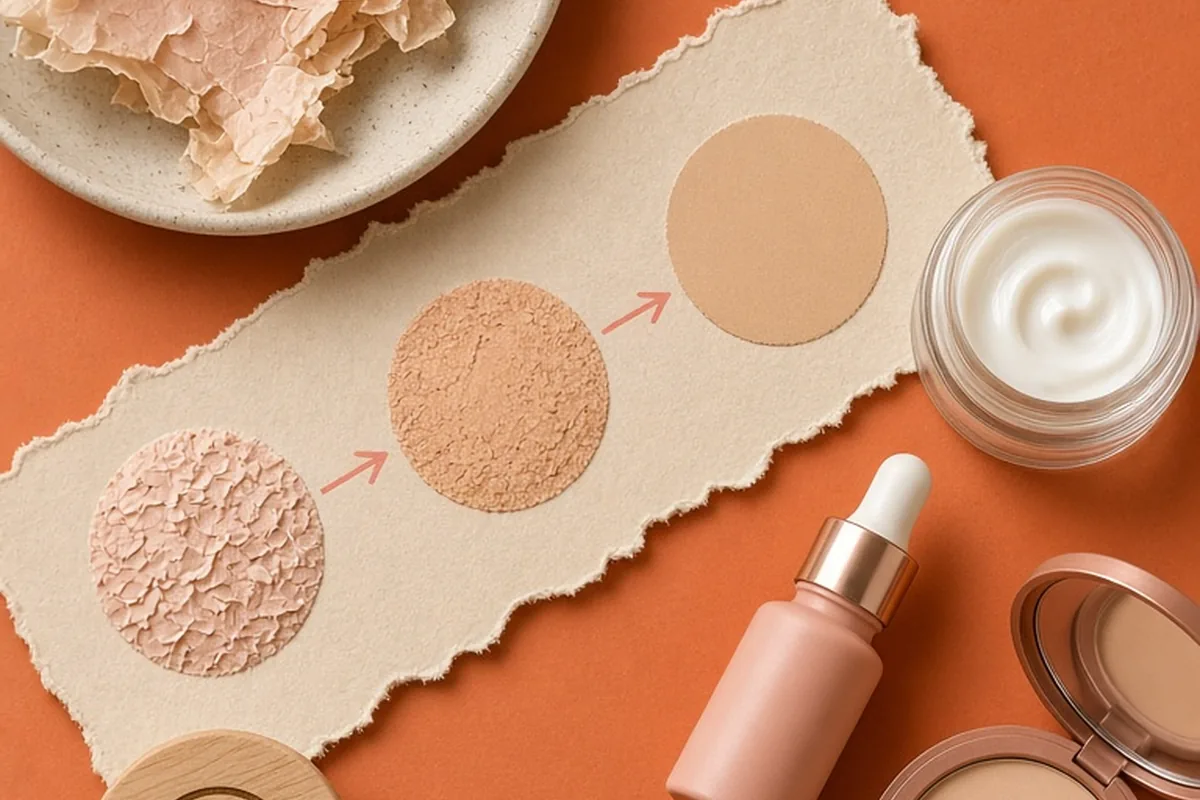
Generally, you should avoid wearing makeup for at least 24 to 48 hours after a superficial chemical peel, and wait anywhere from one to two weeks following a medium or deep peel. Applying cosmetics too early can trap bacteria, irritate sensitive tissue, and interfere with the natural desquamation process. Always wait until your skin has fully closed and stopped actively flaking before introducing cosmetic products.
A chemical peel accelerates cellular turnover by exfoliating damaged outer layers, leaving fresh skin that requires gentle aftercare. Understanding how cosmetics interact with healing tissue ensures you avoid inflammation while achieving a smooth, healthy complexion.
Recovery Timelines by Chemical Peel Strength
The depth of your chemical peel is the primary factor in determining when you can safely return to your standard cosmetics routine. Superficial peels, commonly formulated with low-concentration alpha hydroxy acids, beta hydroxy acids, or fruit enzymes, primarily target the stratum corneum. Because these treatments cause minimal disruption to the deeper dermal layers, the barrier often re-stabilizes within 24 to 48 hours. Many practitioners suggest waiting at least a full day before applying even light mineral powders, allowing residual redness to subside without occlusive interference.
Medium-depth peels, such as those utilizing trichloracetic acid (TCA) or higher-percentage Jessner solutions, penetrate through the epidermis into the upper papillary dermis. These treatments initiate a pronounced peeling and crusting phase that typically lasts between seven and fourteen days. Applying cosmetics over skin that is actively separating or forming new epidermal tissue can dislodge protective crusts prematurely, increasing the likelihood of hyperpigmentation and infection. Deep peels, such as phenol-based solutions, require the longest abstinence, frequently demanding three weeks or more before any cosmetic application is permissible.
A practical rule of thumb is to evaluate the functional condition of your skin rather than relying strictly on the calendar. For instance, if an individual undergoes a mild lactic acid peel on Wednesday afternoon, their barrier may feel calm and completely smooth by Friday morning, making a light tinted balm appropriate. Conversely, someone whose skin remains noticeably reactive, warm, or micro-cracked on day three should extend their makeup hiatus until the epithelial surface is entirely intact.
Why Applying Makeup Too Soon Compromises Skin Healing
When skin undergoes chemical exfoliation, the protective lipid matrix and outer keratinized cells are temporarily dismantled. This process leaves micro-channels and raw surfaces exposed to environmental elements. Conventional cosmetic formulations contain complex blends of color pigments, preservatives, binders, emulsifiers, and fragrance compounds. While benign on unbroken skin, these ingredients can migrate into vulnerable tissue, triggering acute contact dermatitis, sustained erythema, or delayed-onset allergic sensitization.
Beyond chemical irritation, physical application tools pose significant hygiene risks. Makeup brushes, blending sponges, and cushion compacts naturally harbor bacteria, dead skin cells, and oxidized oils. Introducing these tools to newly resurfaced skin creates an entry point for bacterial folliculitis and localized infections. Even if the makeup formulation itself is hypoallergenic, the mechanical friction of buffing, swirling, or rubbing a brush across delicate skin can tear peeling sheets away before the underlying skin is mature enough for exposure.
Occlusion presents an additional obstacle to optimal recovery. Heavy foundation layers and silicone-heavy primers create a barrier that traps sweat, sebum, and shedding corneocytes beneath the surface. This entrapment can cause micro-comedones, commonly known as post-peel purging or breakouts, which are difficult to treat while the skin remains too delicate for standard anti-acne active ingredients.
How to Determine When Your Skin Is Ready for Foundation
Knowing when to reintroduce foundation requires careful observation of your skin's visual and tactile feedback. A primary indicator of readiness is the complete cessation of active flaking, peeling, or crusting. The skin should feel comfortable at rest, exhibiting no tightness, burning, or stinging sensations when you apply a basic, fragrance-free moisturizer. If a bland ceramide cream causes any degree of prickling or flushing, your skin barrier remains open, signaling that cosmetic products must wait.
Visual uniformity is another essential milestone. While mild residual pinkness is common after deeper peels, the skin should not have raw, shiny, wet, or oozing patches. You can perform a gentle readiness check by running clean, washed fingertips lightly across the face. If you detect rough edges of skin that feel loose, or if certain areas feel hot to the touch, the desquamation cycle is still underway.
Testing a discreet patch before performing a full-face application helps minimize widespread adverse reactions. Dab a small amount of your intended cosmetic product onto the lower jawline or side of the neck for several hours. If the test area remains calm without developing bumps, itching, or increased redness, you can proceed with a gentle, minimal application across the rest of the face.
Selecting the Safest Cosmetic Formulas for Post-Peel Skin
When you receive clearance to wear makeup, the type of formulation you choose plays a decisive role in preventing setbacks. Loose mineral powder foundations formulated with high-purity minerals are widely regarded as the gentlest option. Mineral ingredients such as zinc oxide and titanium dioxide sit on top of the skin rather than penetrating pores, providing natural, non-irritating pigment alongside mild physical sun-shielding properties. Because loose minerals require fewer liquid preservatives and binding agents, they carry a lower risk of triggering skin reactions.
If you prefer liquid coverage, look for breathable, water-based tinted moisturizers or physical tinted sunscreens designed for sensitive skin. These products offer light tone-evening benefits while supplying necessary hydration to parched, post-exfoliation skin. Ensure the formula is explicitly labeled non-comedogenic and free of synthetic fragrances, drying denatured alcohols, and essential oils. Heavy, full-coverage matte foundations and long-wearing waterproof formulations should be avoided, as they require significant rubbing to blend and harsh cleansers to remove.
Carefully inspect your product ingredient labels during the recovery window, setting aside any makeup that includes active skincare additives. Many modern foundations contain chemical exfoliants or anti-aging ingredients that can over-stress vulnerable skin.
- Avoid products containing salicylic acid, glycolic acid, or other chemical exfoliants.
- Avoid formulations with synthetic fragrances, high alcohol content, or heavy fragrance oils.
- Avoid waterproof, long-wear, or transfer-resistant liquid foundations.
- Opt for pure mineral powders with minimal ingredient lists.
- Prioritize tinted physical sunscreens featuring zinc oxide for gentle daytime coverage.
Hygienic Application and Gentle Removal Protocols
Applying makeup to recovering skin demands strict hygiene standards to prevent contamination. Wash your hands thoroughly with soap and water before beginning. Rather than using existing brushes or previously used sponges—which may harbor dormant bacteria—use a brand-new, disposable sponge or clean synthetic brushes that have been washed with antibacterial cleanser and dried completely. When applying product, avoid dragging, sweeping, or buffing motions. Instead, use a light stippling or pressing motion to deposit pigment without dislodging fragile skin cells.
Skin preparation before makeup application ensures a smooth base and reduces friction. Begin with a generous layer of a soothing barrier cream containing ceramides, squalane, or hyaluronic acid, followed by a broad-spectrum mineral sunscreen. Allow these skincare layers to absorb for five to ten minutes so the skin is well-hydrated and supple. Applying mineral powder directly over dry, un-moisturized post-peel skin can emphasize residual flakiness and cause unnecessary texture accentuation.
Cleansing makeup away at the end of the day must be handled with equal delicacy. Avoid makeup-removing wipes, abrasive washcloths, or foaming cleansers that strip natural oils. Instead, use a gentle, fragrance-free lotion cleanser or a soothing cleansing milk massaged lightly with your fingertips. Rinse with lukewarm water—never hot—and pat the face dry with a clean, soft towel without rubbing.
Navigating Social Obligations While Peeling Without Full Makeup
Many individuals face a dilemma when scheduled social or professional events coincide with the visible peeling phase. Attempting to mask flaking skin with heavy layers of foundation usually backfires, as pigments cling to the edges of dry skin flakes, making shedding significantly more noticeable. A more effective strategy is to lean into skin hydration while focusing cosmetic enhancements on unaffected areas.
To manage appearance without compromising healing, consider applying a rich, balmy moisturizer or healing ointment that imparts a dewy sheen, which visually softens the appearance of flakes. You can safely define your eyebrows, apply mascara, and use a tinted lip balm, provided these products do not come into direct contact with the peeling facial zones. Directing visual attention to the eyes and lips creates a polished appearance without applying any base cosmetics to recovering cheeks, chin, or forehead.
If you must conceal a localized blemish or small area of erythema, dab a tiny dot of green-tinted mineral color corrector onto the specific spot using a clean cotton swab, gently patting it with a clean fingertip. Embracing a minimalist routine for a few days protects your investment in the chemical peel and ensures the resulting skin is clear, healthy, and smooth.
Illustrative Scenarios
Illustrative Scenario: Managing Post-Peel Makeup for a Work Function
A professional scheduled a superficial glycolic peel on a Wednesday, expecting to attend an important client meeting on Friday morning. By Friday, her skin felt slightly taut and exhibited mild micro-flaking along the jawline. Instead of applying her usual full-coverage matte liquid foundation, which would have emphasized texture and irritated the barrier, she adapted her routine. She applied a soothing ceramide moisturizer, a tinted zinc oxide sunscreen to even out redness, groomed her brows, and applied mascara.
Key point: Adapting your cosmetic choices to gentle, skin-protective alternatives allows you to look polished without disrupting the natural exfoliation and healing process.
Frequently asked questions
Can I wear mascara and lipstick immediately after a chemical peel?
Yes, you can generally wear eye makeup and lip products immediately after a peel, provided the chemical solution was not applied to those specific zones. Be very gentle when removing eye makeup at night so you do not rub the delicate skin around the orbital rim or cheeks.
What should I do if my makeup causes stinging or redness after application?
If you experience any burning, itching, or immediate flushing after applying makeup, wash it off immediately using a gentle, fragrance-free cream cleanser and lukewarm water. Reapply a plain barrier-repair cream and pause all cosmetic use for an additional 24 to 48 hours until the skin calms.
Is mineral powder better than liquid foundation after a peel?
Loose mineral powder is generally considered the safer option because it contains fewer preservatives, fragrances, and emulsifiers that could irritate new skin. Additionally, natural minerals like zinc oxide provide non-irritating, soothing coverage compared to heavy liquid formulas.
Can I use a setting spray to lock in post-peel makeup?
You should avoid traditional setting sprays during the initial recovery window, as many contain high concentrations of denatured alcohol, polymers, and synthetic fragrances that can dry out and irritate healing skin. If your skin feels tight, opt instead for a simple thermal water spray or glycerin-based soothing mist.
Your next step
Consult your skincare professional for specific clearance based on your exact peel formula, and reintroduce makeup gradually using clean tools, gentle application methods, and mineral-based formulations only after active peeling has stopped.