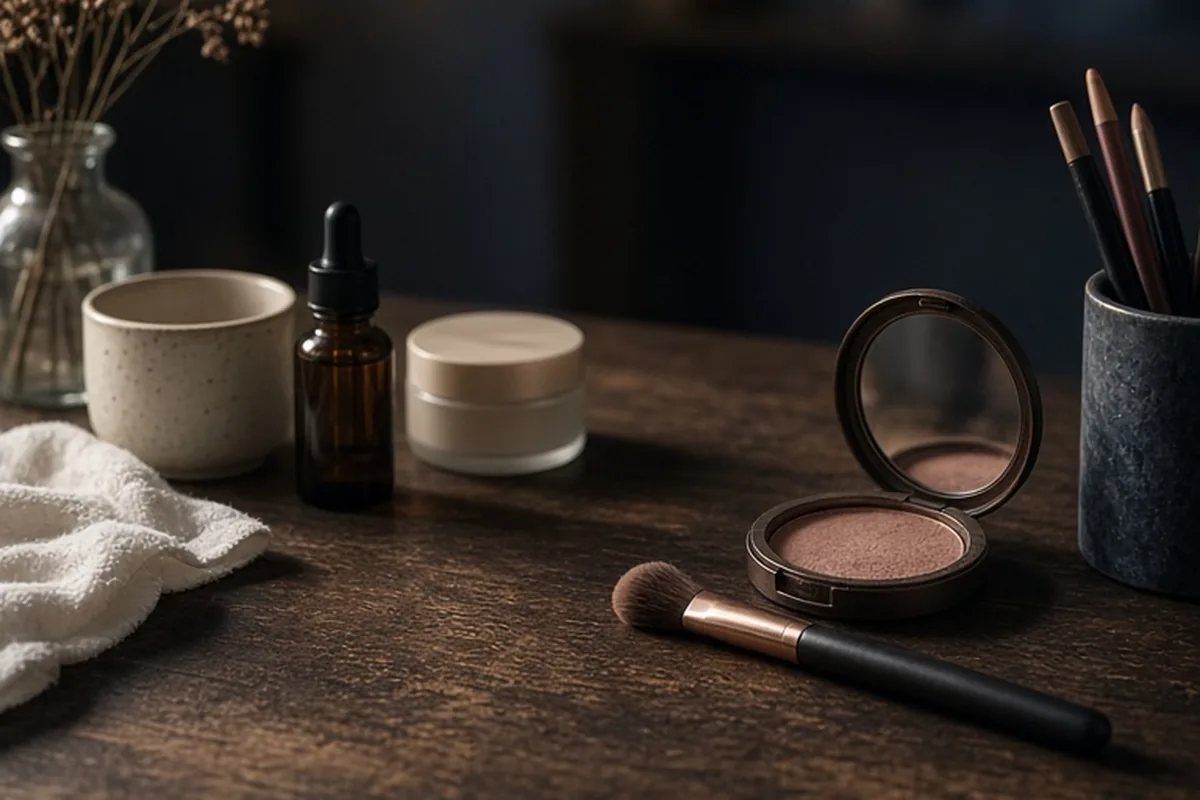
You should not wear makeup immediately after a chemical peel. For superficial or light peels, wait at least twenty-four to forty-eight hours until the skin barrier closes. Medium-depth peels typically require five to seven days before applying cosmetics, while deep peels need two to three weeks. Applying cosmetics prematurely can trap bacteria, irritate raw tissue, clog vulnerable pores, and disrupt natural epidermal shedding.
A chemical peel accelerates cellular turnover by exfoliating damaged surface layers, leaving fresh and sensitive skin underneath. Navigating the recovery window requires balancing your everyday aesthetic preferences with the physiological demands of healthy barrier repair.
Understanding Recovery Timelines by Peel Depth
The waiting period before applying cosmetics depends almost entirely on the chemical formulation and penetration depth of the peel. Superficial or light peels, which commonly utilize lower concentrations of alpha hydroxy acids like glycolic or lactic acid, or beta hydroxy acids like salicylic acid, only affect the outermost stratum corneum. These treatments typically cause minor redness and subtle flaking. In most cases involving light peels, the microscopic openings in the epidermal barrier seal within twenty-four to forty-eight hours, making gentle cosmetic use permissible once visible inflammation subsides.
Medium-depth peels, such as those formulated with trichloroacetic acid or higher-strength Jessner solutions, reach into the upper papillary dermis. These treatments produce more pronounced swelling, crusting, and noticeable sheet-like peeling that can persist for up to a week. For medium peels, waiting five to seven days is standard practice because the underlying tissue remains raw and vulnerable to topical sensitizers. Deep phenol peels, which penetrate the reticular dermis, require an extensive medical recovery timeline where makeup must be avoided entirely for two to three weeks until the epidermis has completely regenerated under clinical supervision.
Biological Risks of Applying Cosmetics Too Soon
Applying foundation, concealer, or powder prematurely introduces foreign particles and microorganisms into compromised tissue. After a peel, the skin lacks its natural protective lipid matrix and acid mantle, which normally shield against environmental microbes and chemical irritants. Liquid cosmetics, pigments, and synthetic binders can seep directly into newly exposed cellular layers, leading to acute contact dermatitis, allergic sensitization, or persistent secondary bacterial infections like folliculitis.
Beyond microbial contamination, the mechanical action of applying and blending makeup creates shear stress on delicate new skin. Rubbing or buffing products across areas that are in the process of shedding can inadvertently pull off healing epidermal sheets before they are ready to detach. Premature detachment can cause micro-tearing, prolong erythema, induce patchy post-inflammatory hyperpigmentation, and create permanent textural irregularities. Allowing the dead skin to slough away strictly on its own timeline protects the uniformity of your final cosmetic outcome.
How to Assess When Your Skin Is Ready for Coverage
Rather than relying strictly on calendar days, monitoring your skin's visual and sensory cues provides the safest way to determine makeup readiness. Your skin is generally ready when active peeling, flaking, or crusting has finished, and the skin surface feels intact and smooth to the touch. You should observe no weeping, oozing, open pinpoint fissures, or persistent hot-to-the-touch redness. Baseline hydration should be restored to the point where your daily bland moisturizer absorbs without stinging or burning.
A practical method for testing readiness is to perform a small patch application on the jawline or behind the ear using the exact cosmetic product you intend to wear. Apply a pea-sized amount, let it sit for four to six hours, and monitor for itching, excessive warmth, or renewed redness. If any irritation arises, wash the area immediately with lukewarm water and postpone makeup application for an additional forty-eight hours. If the skin remains calm, you can proceed with a light, full-face application.
Selecting Safe Cosmetic Formulations for Healing Skin
When you resume wearing makeup, formula selection is critical for preventing flare-ups. Traditional long-wear foundations, waterproof concealers, and matte liquid formulas often contain high concentrations of drying alcohols, synthetic fragrances, chemical dyes, and heavy silicones that trap heat and clog healing pores. Instead, prioritize breathable, non-comedogenic formulations that contain minimal ingredients and offer soothing properties.
Pure mineral cosmetics, particularly loose or pressed powders based on zinc oxide and titanium dioxide, are often considered suitable options for post-procedure skin. Zinc oxide offers natural skin-calming benefits and physical sun protection, while mineral pigments sit on top of the skin without easily absorbing into the pores. If you prefer liquid coverage, consider a mineral-based tinted sunscreen or a hydrating barrier cream mixed with a drop of clean mineral pigment rather than a heavy full-coverage foundation.
- Choose mineral-based powders containing zinc oxide and titanium dioxide rather than talc-heavy blends.
- Avoid synthetic fragrances, essential oils, drying alcohols, and artificial dyes that trigger reactive dermatitis.
- Skip waterproof or transfer-resistant formulas that require vigorous rubbing or harsh solvents to remove.
- Inspect product expiration dates and use fresh containers to minimize exposure to accumulated bacteria.
Sanitation and Application Techniques to Protect Fragile Skin
The tools and methods you use to apply makeup can either safeguard or compromise your post-peel skin. Makeup brushes and blending sponges harbor accumulated oil, dead skin cells, and bacteria if not washed regularly. Before applying any cosmetic after a peel, thoroughly sanitize your brushes with an antibacterial soap and allow them to dry completely, or use disposable, single-use applicator sponges. Applying makeup with clean, thoroughly washed fingertips is often the safest choice because it minimizes friction and allows you to control the exact pressure applied.
When placing product on the face, avoid sweeping, circular buffing, or dragging motions that create friction across the skin. Instead, utilize a gentle stippling or patting motion, pressing the makeup lightly into the skin until blended. For example, rather than using a dense kabuki brush to work powder into the pores, use a soft, fluffy powder brush to lightly dust mineral powder across the T-zone and cheeks. Keep coverage sheer to moderate; attempting to achieve full, heavy coverage will only emphasize uneven healing texture and complicate the cleansing process later.
Managing Flaking and Dry Texture Under Makeup
One of the primary frustrations during post-peel recovery is dealing with visible flakes of skin that become accentuated under makeup. Attempting to hide active peeling with layers of heavy concealer or setting powder invariably backfires, as pigments cling to the dry edges of shedding skin and make the peeling far more noticeable. The correct approach is to prioritize hydration and accept that sheer, lightweight coverage looks significantly better over textured healing skin than thick camouflage.
If you have minor residual flaking, focus on priming the skin with lipid-rich, barrier-repairing topicals before applying any cosmetic. Apply a serum containing hyaluronic acid or glycerin to damp skin, followed by a nourishing moisturizer containing ceramides, squalane, or colloidal oat. Allow these skincare products to absorb fully for ten to fifteen minutes so the flakes are softened and flattened against the skin. If a flake is visibly peeling, never pick, scratch, or scrub it off; simply apply a dab of healing balm over the area and leave it undisturbed.
Safe Cleansing and Makeup Removal Protocols
Removing makeup at the end of the day is just as critical as careful application. Traditional makeup wipes and micellar waters applied with abrasive cotton rounds cause excessive friction and often leave behind surfactant residues that irritate new skin. Cleansing devices, exfoliating washcloths, and physical face scrubs must be avoided entirely during the entire post-peel recovery window.
Opt for a gentle double-cleanse method using non-foaming, fragrance-free products. Start with a plain botanical cleansing oil or soft cleansing balm to dissolve pigments naturally without stripping the moisture barrier. Gently massage the oil with light fingertip pressure for thirty seconds, then rinse with lukewarm water. Follow with a soothing, pH-balanced cream or gel cleanser to remove any remaining residue. Pat the skin dry using a clean, soft microfiber towel without rubbing, and immediately follow with your prescribed post-peel restorative creams.
Prioritizing Daily Sun Protection Over Cosmetic Coverage
While finding the right makeup is often a top priority for returning to work or social activities, broad-spectrum sun protection is fundamentally more important for your long-term skin health. Newly revealed epidermal cells contain lower levels of protective melanin and are exceptionally susceptible to ultraviolet radiation. Unprotected sun exposure after a chemical peel can cause rapid solar damage, rebound hyperpigmentation, and persistent erythema that negates the benefits of the peel.
Always apply a generous layer of broad-spectrum SPF 30 or higher physical sunscreen containing zinc oxide or titanium dioxide as your final skincare step before applying any cosmetic. Tinted mineral sunscreens are an excellent dual-purpose solution, providing both UV defense and light, evening pigment that conceals minor redness without the heavy binders found in standard foundations. Reapply sunscreen every two hours if exposed to daylight, using a mineral sunscreen powder for touch-ups over makeup if necessary.
Frequently asked questions
Can I wear mascara and lipstick right after a light chemical peel?
Yes, you can generally wear mascara, brow products, and non-irritating lip gloss immediately after a light peel, provided these areas were not treated with the chemical solution. Be very careful during application and removal to ensure no cosmetic products or makeup removers drip onto the peeling facial skin.
What happens if I wear heavy liquid foundation too soon after a peel?
Applying heavy liquid foundation prematurely can trap bacteria, clog exposed pores, and cause breakouts or contact dermatitis. Furthermore, the friction of applying and removing dense foundation can tear shedding skin prematurely, resulting in prolonged redness or post-inflammatory dark spots.
Can I use tinted sunscreen as my foundation during recovery?
A gentle, all-mineral tinted sunscreen with zinc oxide is one of the best ways to camouflage mild redness once the initial twenty-four to forty-eight hours have passed. It offers sheer, natural coverage while providing essential broad-spectrum UV protection without harsh chemicals.
How should I clean my makeup brushes before using them on post-peel skin?
Wash all cosmetic brushes and applicators with a fragrance-free antibacterial cleanser or gentle shampoo, rinse them thoroughly with warm water, and allow them to air-dry completely. Using clean or disposable applicators prevents introducing lingering bacteria to vulnerable, healing skin.
Your next step
Inspect your skin carefully for any ongoing flaking, open areas, or redness, and consult your treatment provider's specific post-care sheet before introducing clean, mineral-based cosmetics to your daily routine.