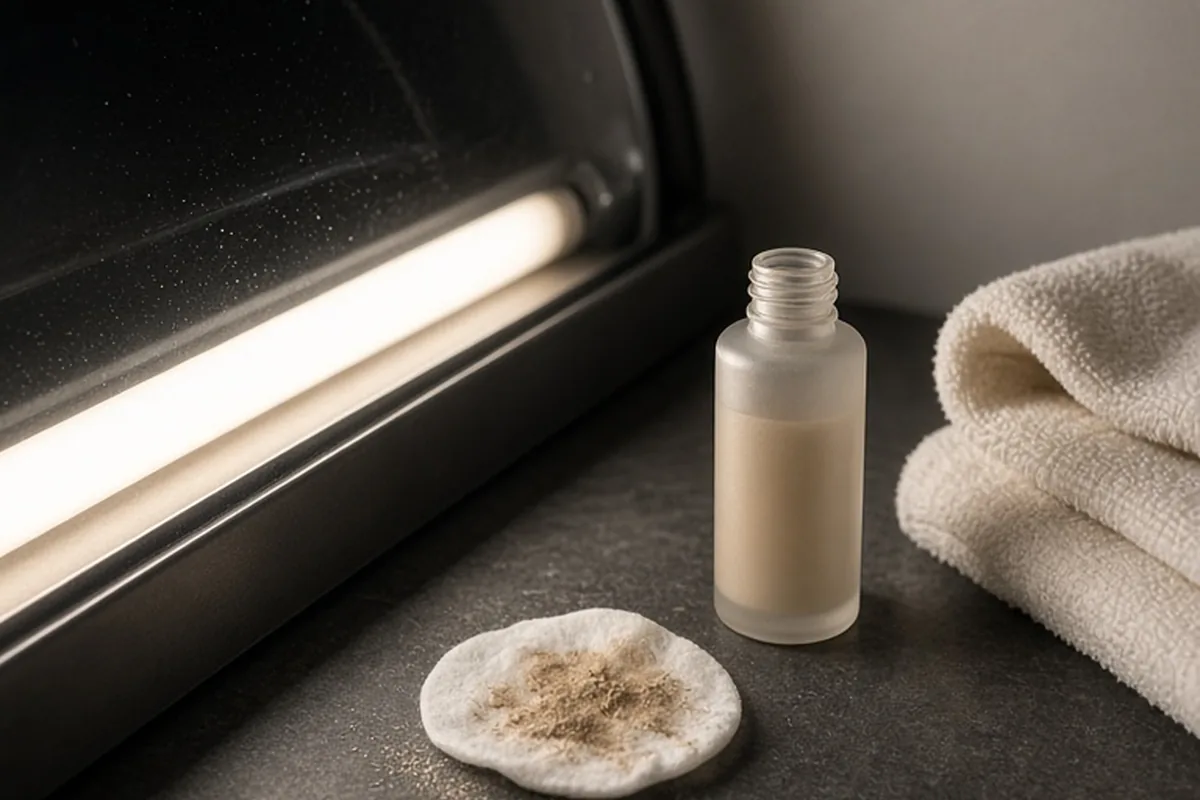
You should not wear makeup in a tanning bed. Cosmetics act as an uneven barrier against light, causing patchy or blotchy color across your face. Furthermore, the combination of intense heat, sweat, and melting beauty products rapidly clogs pores, elevates the risk of severe breakouts, and can cause skin irritation or chemical reactions.
Heading into an indoor tanning session straight from work or an outing often leaves you wondering whether you can keep your foundation and mascara on. While leaving your cosmetics in place might save a few minutes in your schedule, exposing cosmetic formulations to the controlled heat and light of a tanning bed alters both how your skin responds and how your complexion looks afterward.
Why Cosmetics Prevent an Even and Natural Tan
The primary cosmetic goal of an indoor tanning session is achieving smooth, balanced color across the entire body, including the face. Everyday makeup formulas—such as liquid foundations, setting powders, concealers, and contour creams—contain opaque pigments, binding agents, and minerals designed specifically to diffuse or block light. When applied across facial contours, these products do not sit uniformly; they pool more densely around the nose, under the eyes, along smile lines, and near the hairline. As tanning lamps emit energy, the makeup acts as an unintentional shield over some skin patches while leaving surrounding areas fully exposed, resulting in distinct lines, light spots, and an uneven, blotchy finish.
Even lightweight products like BB creams or sheer tinted moisturizers can significantly interfere with pigment development. Many of these everyday bases contain physical or chemical sunscreens, such as zinc oxide or titanium dioxide, which reflect light rather than allowing your skin to tan naturally. If you tan with a mineral-infused primer or foundation on your forehead and cheeks, you may walk out with pale patches surrounded by deeper color. To ensure the face develops a seamless tone that matches the neck, shoulders, and chest, removing every layer of base makeup is an essential first step.
The Link Between Trapped Heat, Perspiration, and Breakouts
Indoor tanning beds generate substantial warmth in an enclosed space, naturally stimulating your sweat glands within minutes of lying down. Perspiration is your body's physiological mechanism for cooling down, and clear skin allows sweat and natural oils to reach the surface unhindered. When you wear heavy makeup, that cosmetic film forms an occlusive seal over your pores. As your body warms up and begins sweating, the trapped mixture of liquefied makeup, sebum, dead skin cells, and surface bacteria gets pushed deep into the dilated pores, creating ideal conditions for stubborn acne flare-ups and comedones.
This pore-clogging process can trigger not only standard blackheads and whiteheads but also painful, deep-seated blemishes that take weeks to calm down. For instance, wearing full-coverage silicone-based foundation into a session can trap perspiration along the T-zone, leading to cluster breakouts within forty-eight hours. Even individuals with normally resilient, clear skin can experience sudden texture irregularities after tanning with cosmetics in place. Keeping your skin bare allows perspiration to evaporate freely, protecting your skin barrier and maintaining smooth texture.
Heat Sensitivity and Cosmetic Chemical Reactions
Cosmetics are formulated, tested, and stabilized for standard ambient temperatures, not the concentrated heat environments typical of indoor tanning beds. When foundation, fragrance, blush, or setting spray is subjected to rapid warming, the stability of synthetic compounds, essential oils, and preservatives can break down. This thermal breakdown can alter the chemical profile of your cosmetics, rendering otherwise harmless ingredients irritating or sensitizing to delicate facial tissue.
Certain ingredients in makeup can also cause heightened photosensitivity, a condition where the skin reacts abnormally to light exposure. Fragrances, artificial colorants, and botanical extracts frequently found in beauty products can provoke contact dermatitis, characterized by burning, redness, itching, or persistent blotches. In some cases, photosensitizing cosmetic residues can lead to post-inflammatory hyperpigmentation, leaving dark, irregular marks that are difficult to fade. Removing these products beforehand eliminates the risk of an unexpected allergic or inflammatory response.
The Hazards of Eye and Lip Makeup Under Heat
While foundation poses clear risks for your pores and overall color balance, leaving eye and lip products in place introduces unique practical hazards. Mascara, liquid eyeliner, and cream eyeshadows contain waxes and oils that soften rapidly under heat. As you sweat, melting mascara and eyeliner can migrate into your eyes, slipping beneath protective eyewear and causing intense stinging, blurred vision, or corneal irritation. Furthermore, glittery or metallic eye formulas can trap heat or scratch the delicate eyelids during protective goggle adjustments.
Lipsticks, lip stains, and tinted glosses present similar drawbacks. Dark or highly pigmented lipsticks can melt past the lip border, transferring onto your chin or chest and creating uneven coloration around the mouth. Instead of decorative lip cosmetics, it is far safer and more effective to apply a dedicated, unpigmented lip balm to prevent your lips from drying out during the session. Keeping the eye area and lips free of decorative products ensures that your session remains comfortable and safe.
A Step-by-Step Pre-Tanning Cleansing Routine
Establishing an efficient pre-tan cleansing routine ensures your skin is thoroughly prepared without feeling stripped of moisture. If you are heading directly to the salon after a workday or social event, pack a pack of gentle, fragrance-free micellar cleansing wipes or an oil-free facial cleanser in your bag. Wipe your face thoroughly, paying close attention to the hairline, jawline, nose crevices, and neck to remove every trace of foundation, powder, and eye makeup before entering the room.
After wiping your face, rinse with cool or lukewarm water if a sink is available, or use a damp, clean cloth to remove any lingering surfactant residue left by makeup wipes. Blot your skin dry with a soft towel rather than rubbing aggressively, which can cause micro-irritations right before exposure. Once your face is clean and completely dry, you can apply an indoor-tanning-approved facial lotion that contains no blockers, designed specifically to nourish the skin while promoting a balanced tone.
- Remove foundation, concealer, and powder with a gentle, fragrance-free micellar wipe or cleanser.
- Cleanse the eye area carefully to take off mascara, eyeliner, and brow pencil.
- Wipe along the jawline and neck to prevent visible demarcation lines.
- Rinse off cleanser residue with water and gently pat your skin dry.
- Apply only salon-approved facial tanning accelerator or an approved moisturizer.
Indoor Tanning Lotions Versus Everyday Beauty Products
A common point of confusion is whether indoor tanning lotions count as makeup or pose similar risks. Unlike decorative cosmetics, indoor tanning facial lotions are engineered specifically for heated tanning environments. They do not contain heavy cosmetic pigments, occlusive silicones, or physical light-reflecting powders. Instead, they incorporate hydrating humectants, vitamins, and specialized peptides that support skin hydration and help the skin tan more evenly without blocking light.
However, you should avoid substituting standard body tanning lotions for facial products. Facial skin is substantially thinner and has a higher density of sebaceous glands than the skin on your limbs or torso. Standard body accelerators often contain richer oils and fragrances that are suitable for dry legs but may congest facial pores or cause irritation. Choosing a dedicated, non-comedogenic facial tanning lotion provides targeted hydration while maintaining clear pores and smooth results.
Post-Tanning Skin Care and Reapplying Makeup
What you do immediately following your session is just as critical as your pre-tan preparation. After stepping out of the bed, your skin will be warm, slightly dehydrated, and your pores may still be dilated from perspiration. It is best to avoid applying makeup immediately after your session. Placing foundation or powder directly over warm, freshly tanned skin can reintroduce pore clogging and trap residual heat, resulting in dullness or irritation.
Allow your skin to cool down for at least twenty to thirty minutes before washing your face or putting on any cosmetics. If possible, splash your face with cool water, apply a lightweight, soothing, fragrance-free moisturizer with ingredients like aloe or hyaluronic acid, and let your skin rest for a few hours. If you must apply makeup right away for an event, opt for a minimal, lightweight mineral powder or sheer formula rather than heavy liquid foundations, ensuring your skin can continue to breathe as it cools down.
Frequently asked questions
Can I leave my eye makeup on if I wear protective goggles?
It is best to remove eye makeup before your session. Heat and perspiration can melt mascara and eyeliner, causing them to run into your eyes under the goggles and create painful irritation.
Will wearing tinted moisturizer in a tanning bed protect my face from burning?
Tinted moisturizer should not be relied on as a safe shield in a tanning bed. It creates an uneven barrier that usually results in streaky, splotchy coloration rather than controlled, even protection.
How long should I wait after tanning before putting makeup back on?
Wait at least twenty to thirty minutes so your skin can cool down and your pores can normalize. Applying makeup to warm, sweating skin can trap heat and bacteria, increasing the likelihood of breakouts.
Your next step
Before your next tanning session, pack gentle makeup remover wipes in your bag to clear away all foundation, powder, and eye cosmetics so your skin stays clear and achieves an even tone.