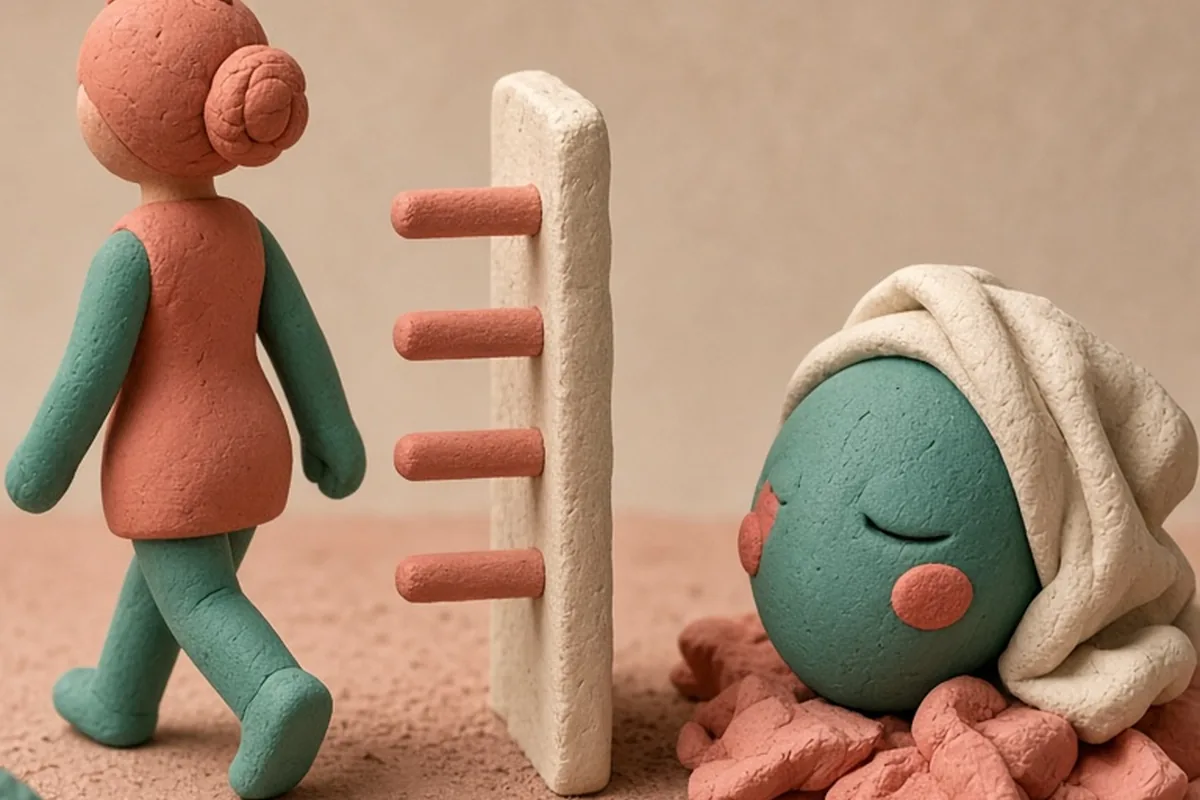
You should generally wait at least four to six hours before applying light makeup after receiving Botox, though waiting a full twenty-four hours is the safest choice. Applying cosmetics too early introduces bacteria into open injection punctures and risks displacing the neurotoxin into unintended facial muscles through rubbing, which can cause eyelid drooping, asymmetry, or reduced cosmetic results.
Scheduling a cosmetic injectable appointment often requires balancing daily professional obligations, social plans, and proper post-treatment recovery. Understanding how to handle your skin immediately following an injection session ensures you protect your cosmetic investment while keeping your complexion calm, clear, and healthy.
Why Waiting to Apply Makeup Protects Your Treatment Results
Every Botox injection creates tiny micro-punctures across the epidermal barrier. While these entry points are minuscule and often close within a few hours, they remain open channels during the immediate post-procedure window. Applying liquid foundations, creamy concealers, or setting powders directly onto fresh injection sites introduces surface bacteria, oils, and cosmetic preservatives directly into the dermis. This increases your risk of localized folliculitis, contact dermatitis, or small bacterial infections that can cause prolonged redness and unwanted texture.
Beyond infection control, the primary structural concern is neurotoxin migration. Botulinum toxin requires time to bind securely to the targeted neuromuscular junctions. Physical pressure, friction, or vigorous massage applied to the skin within the first several hours can inadvertently push the solution away from the intended muscle fibers into neighboring tissue. For example, vigorously blending foundation across the glabella or forehead can disperse the medication toward the upper eyelid muscles, potentially leading to temporary eyelid ptosis or brow asymmetry.
Choosing to leave your skin bare for the remainder of the treatment day involves a brief aesthetic trade-off. While you may have to tolerate temporary pinpoint marks or localized flushing for an afternoon, this minor pause significantly reduces the likelihood of complications that could take weeks or months to resolve.
The Safe Timeline for Post-Botox Cosmetic Application
Navigating the hours following your appointment is straightforward when you divide your recovery into specific phases. During the initial zero to four hours, adopt a strict hands-off policy. Do not apply tinted moisturizers, lip products that require pressing the perioral area, or facial mists that might prompt you to wipe your face. Keep your head elevated, avoid lying flat, and allow the natural coagulation and sealing of the injection punctures to complete without interference.
From four to twenty-four hours post-treatment, you enter a transitional phase. If you must attend an unavoidable work meeting or social gathering, you can apply minimal, lightweight makeup to non-injected zones or dust a sheer, clean mineral powder very lightly across the face. However, avoiding heavy liquid foundations, pore-blurring silicones, and dense color correctors during this stage remains the most prudent approach for optimal healing.
Once you cross the twenty-four-hour threshold, the injection sites are sealed and the neurotoxin has largely bound to its target receptors. You can comfortably resume your standard beauty routine, provided you maintain gentle handling. Full-coverage glam, liquid contouring, and cream blush application can proceed normally, provided your skin shows no active signs of excessive swelling, tenderness, or unusual irritation.
Safe Application Techniques to Minimize Skin Friction
When you do resume wearing makeup, how you apply products is just as critical as when you apply them. Traditional makeup application often involves firm buffing, sweeping motions with dense kabuki brushes, or dragging beauty sponges across the skin. These high-friction actions generate mechanical pressure that stresses delicate facial tissue after an injectable treatment. Instead, switch to a light stippling or patting motion that deposits pigment without shifting the underlying skin.
Your choice of application tools also directly affects skin safety. Cosmetic brushes and reusable blending sponges frequently harbor ambient dust, sebum, and residual bacteria. If you plan to wear makeup twenty-four hours after treatment, use a freshly sanitized brush or a brand-new disposable sponge. Alternatively, wash your hands thoroughly with antibacterial soap and use the pads of your ring fingers to gently press concealer over any pinpoint marks, as ring fingers naturally exert the lightest pressure.
For instance, if you notice a small purple bruise along the outer corner of your eye from crow's feet injections, avoid dragging a solid concealer stick back and forth across the area. Instead, place a tiny dot of liquid concealer onto the back of your clean hand, pick up a small amount with a soft fingertip, and tap it onto the discoloration until blended.
Selecting the Best Makeup Formulas During Recovery
The chemical composition of your cosmetics plays an important role in how comfortably your skin recovers. During the first two to three days following injections, prioritize non-comedogenic, fragrance-free, and hypoallergenic formulations. Heavy stage makeup, long-wear matte formulas, and thick oil-based concealers can trap debris inside recovering pores, resulting in micro-comedones around the forehead and glabella where injections are most common.
Mineral-based cosmetics are widely regarded as the gentlest option for post-procedure wear. High-grade loose or pressed mineral powders formulated with zinc oxide and titanium dioxide provide natural physical sun protection and light coverage without penetrating deeply into pores. Zinc oxide also offers mild soothing properties that can help tone down post-injection erythema without causing stinging or burning.
Be cautious with hybrid skincare-makeup products that contain potent active ingredients. Formulas infused with exfoliating alpha hydroxy acids, beta hydroxy acids, high-percentage vitamin C, or retinoids can irritate the healing injection sites. Stick to simple, hydrating tinted moisturizers or pure mineral bases until your skin feels completely normal to the touch.
Gentle Makeup Removal Without Disrupting Injectables
Many people take great care when applying cosmetics after Botox but inadvertently cause issues during the cleansing phase. Aggressive scrubbing, tugging with textured makeup-removing wipes, and using motorized cleansing brushes can exert significant shearing force on the skin. This level of friction must be avoided for at least forty-eight hours after an injection session to prevent tissue irritation and unwanted product displacement.
The safest way to remove post-Botox makeup is through a gentle, double-cleanse method using hands only. Begin with a mild cleansing oil, balm, or micellar water formulated for sensitive skin. Apply the cleanser using light, circular motions with zero downward pressure, letting the product dissolve makeup naturally. If using micellar water, saturate a soft cotton pad, press it lightly against the skin for a few seconds to loosen pigments, and lift it away rather than dragging it firmly across the face.
Rinse thoroughly with lukewarm water, as hot water can increase facial vasodilation and exacerbate post-treatment swelling or bruising. When drying your face, pat the skin softly with a clean, plush towel rather than rubbing vigorously, ensuring the treated zones remain undisturbed.
Camouflaging Bruising and Redness Naturally
Minor bruising and localized redness are normal, common responses when a needle passes through vascular facial tissue. Bruises occur when tiny capillaries leak small amounts of blood beneath the skin surface, creating temporary marks that shift from reddish-purple to greenish-yellow over several days. Understanding color theory allows you to neutralize these marks using minimal product rather than applying thick, suffocating layers of full-coverage foundation.
To neutralize fresh, dark purple or bluish bruises around the eyes or forehead, apply a sheer layer of peach or warm bisque color corrector before your skin-tone shade. For lingering redness or general needle-point flushing, a delicate wash of yellow or green-tinted primer balances the tone naturally. Layering thin, targeted correctors allows you to achieve an even appearance while using only a fraction of the physical makeup, keeping your skin breathable and easy to cleanse at the end of the day.
You can also support the natural fading process by applying cool compresses lightly to the area for five to ten minutes at a time during the first twenty-four hours. Ensure the compress is wrapped in a clean, soft cloth to avoid direct ice contact, and hold it in place without pressing down.
Planning Injections Around Events and Professional Engagements
While knowing how to wear makeup safely helps manage immediate post-appointment aesthetics, proper scheduling is the most effective way to look your best for significant occasions. Full botulinum toxin results do not appear immediately; the relaxation of target muscles typically begins within three to five days, with full results stabilizing at around ten to fourteen days. Scheduling an appointment just two or three days before a wedding, gala, or high-definition photo shoot leaves little margin for resolving minor bruises or asymmetry.
If you are preparing for a major event where you plan to wear professional, full-coverage photography makeup, schedule your injection session at least two to three weeks in advance. This buffer gives any temporary bruising ample time to resolve completely, allows your skin barrier to fully recover, and ensures the neurotoxin has achieved its final, smooth outcome before heavy styling begins.
Additionally, a two-week window allows you to attend a follow-up assessment with your practitioner if minor adjustments are needed. Arriving at your special event with fully settled results ensures your makeup glides on smoothly over relaxed expression lines without requiring specialized post-procedure techniques.
Frequently asked questions
Can I apply sunscreen immediately after getting Botox?
It is best to wait at least four hours before applying sunscreen directly to the treated areas to prevent chemicals from entering fresh micro-punctures. If you must go outside immediately after your appointment, wear a wide-brimmed hat or stay in shaded areas rather than rubbing lotion onto your face.
What should I do if I accidentally rubbed my face while putting on makeup?
Do not panic, as a brief, gentle touch is unlikely to cause severe neurotoxin displacement. Simply stop rubbing immediately, keep your posture upright for the next several hours, and avoid touching or manipulating the area for the remainder of the day.
Are liquid foundations or powder cosmetics better after neurotoxin injections?
Loose, clean mineral powders are generally preferable during the first twenty-four to forty-eight hours because they require minimal pressure to apply and do not sink deeply into open pores. When you do return to liquid foundation, choose a lightweight, water-based formula that can be applied with light tapping rather than vigorous buffing.
Can I use facial setting sprays right after my Botox appointment?
You should avoid facial setting sprays for the first four to six hours because many contain alcohol, synthetic fragrances, and film-forming polymers that can sting open puncture sites. Once that initial window passes, a gentle, alcohol-free mist can be lightly sprayed over the face, provided you let it air-dry without blotting or wiping.
Your next step
For the safest recovery and smoothest aesthetic outcome, leave your skin bare and untouched for at least four to six hours post-injection, and transition back to your regular beauty routine after twenty-four hours using clean tools and gentle patting motions.