To celebrate a baby's first birthday with heartfelt poems, choose or write verses that capture meaningful milestones, genuine emotion, and hopes for the future. You can write these poems inside keepsake cards, frame them as nursery wall art, print them in a first-year photo book, read them aloud during the party, or seal them in a time capsule for the child to open on their eighteenth birthday.
A child turning one marks a monumental year of growth, sleepless nights, first smiles, and transformative family love that deserves a meaningful, lasting tribute.
Matching the Tone of a First Birthday Poem to Your Family Role
A baby will not understand the literal words spoken or written on their first birthday, which means a commemorative poem serves two distinct audiences: the loved ones celebrating together in the present moment, and the growing child who will revisit the verse years down the road. Because of this dual audience, the most effective starting point is identifying your unique relationship to the child and deciding whether your tone should lean toward gentle sentimentality, celebratory joy, or playful humor. Parents often focus on the profound shift in their daily lives and the awe of watching tiny features develop, whereas grandparents tend to capture generational continuity, unconditional adoration, and the wonder of seeing their own children become parents.
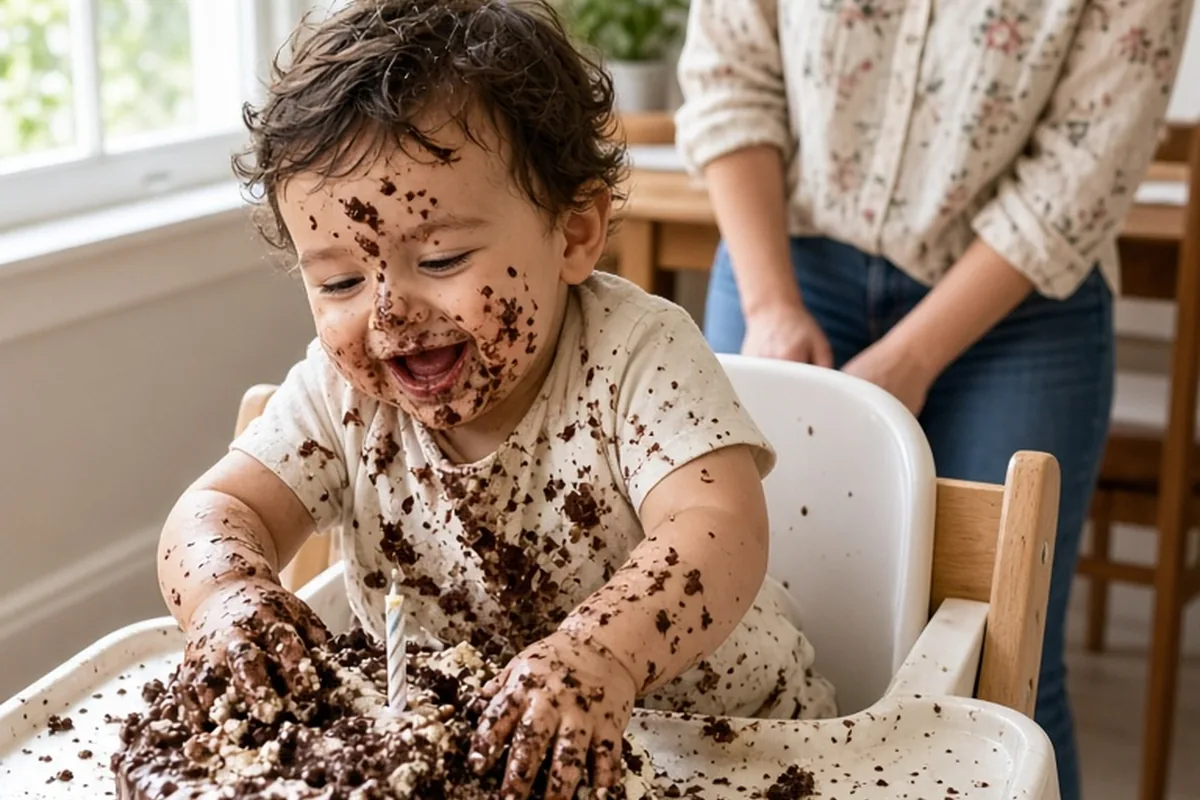
Aunts, uncles, godparents, and close family friends bring a different dynamic to the celebration, frequently offering lighthearted encouragement, promises of lifelong fun, and dependable support through every future stage. When selecting or drafting your verse, avoid forcing an overly dramatic or archaic tone if your natural connection is casual and lively. A simple, rhythmic four-line stanza celebrating messy high-chair smash cakes and wobbly first steps often resonates more deeply than a formal sonnet. Consider how the message will feel when read aloud at a family gathering versus how it will read privately in a preserved baby book, ensuring the sentiment remains authentic to your voice.
Original First Birthday Poems for Cards, Gifts, and Keepsakes
Finding the right wording for a greeting card or personalized gift can feel challenging when standard store-bought greetings seem generic. Original poetry allows you to highlight the sensory memories of the first year, such as rocking a sleepy infant in the dark, watching them discover their hands, or hearing their first genuine belly laugh. You can adapt the following original verses directly into cards, scrapbook layouts, or engraved photo frames depending on who is giving the gift.
For parents speaking to their child: Twelve short months of brand new light, From sleepy days to starry nights. Tiny toes and reaching hands, The sweetest smile in all the land. One year down and a lifetime through, Our greatest joy is loving you. For grandparents celebrating the milestone: A whole year filled with brand new grace, And sunshine on your little face. We held you close when you were small, And cheered each wiggle, roll, and crawl. No matter how the seasons run, You will always be our precious one. For aunts, uncles, and family friends: One whole candle on your cake, Look at all the noise you make! Walking, laughing, on the go, It is so much fun to watch you grow. We are here for every race and cheer, Happy first exciting year!
Tips for Reading a First Birthday Poem Aloud at the Party
Delivering a spoken toast or poem at a one-year-old's birthday party presents a unique social environment. The room is usually filled with a lively mix of energetic toddlers, chatting relatives, background music, and inevitable sensory distractions. To make the moment meaningful without losing the room's attention, keep any spoken poem brief and rhythmic. Aim for a reading duration of sixty to ninety seconds, which allows you to establish an emotional focal point during the cake-cutting or gift presentation without overwhelming the guest of honor or stretching the patience of young attendees.
Prepare a printed or handwritten physical card rather than reading from a mobile phone screen, as holding a tangible note creates a warmer visual presentation for photographs and video recordings. Speak at a measured, conversational pace and maintain eye contact with both the baby and the gathered guests. If the birthday child becomes restless, fusses, or attempts to reach for the paper, embrace the moment with gentle laughter rather than pausing the festivities. The goal of a party poem is not a rigid performance, but a shared expression of gratitude and community warmth that honors the effort everyone put into supporting the family across the first year.
Writing Time Capsule Poems for the Child to Read in the Future
One of the most enduring ways to incorporate poetry into a first birthday is creating a dedicated time capsule message designed to remain sealed until the child reaches a future milestone, such as their eighteenth birthday or high school graduation. Unlike a card read on the day of the party, a time capsule poem serves as a personal time machine that transports the future young adult back to the atmosphere, feelings, and everyday realities of their very first year of life. This format gives you permission to speak directly to the person they will become while anchoring your words in specific details from their infancy.
When writing a time capsule verse, blend enduring wisdom with grounded observations about the child's early personality quirks. Mention the lullabies that soothed them to sleep, their favorite blanket, the way they studied the family pet, or the exact sound of their early babbling. You can close the verse with a blessing or reassurance that no matter how much the world changes around them, the foundation of love built during their earliest days remains constant. Place the poem in an acid-free envelope alongside a current photograph and the newspaper from their birthday to protect the keepsake from aging over the decades.
Incorporating Custom Verses into Nursery Decor and Photo Books
Beyond party toasts and greeting cards, short poems provide a lyrical framework for permanent home decor and memory albums. A custom nursery art print featuring a gentle four-line stanza can hang above a crib or reading nook, serving as a soothing nightly reminder of parental affection during bedtime routines. When commissioning or designing nursery typography prints, select clean, legible fonts and soft color palettes that match the room aesthetic while ensuring the words remain easily readable for evening storytime.
In a first-year milestone photo album, poetry acts as an elegant thematic bridge between chronological chapters. Rather than simply organizing photos month by month with dates and weights, introduce each stage with a couplet or quatrain that mirrors the developmental theme of those months. For instance, pair verses about quiet cuddles with newborn images, rhymes about curiosity with six-month sitting photos, and energetic lines about movement with eleven-month walking snapshots. This turns a straightforward photo album into a narrative storybook that the child will enjoy reading aloud as their own vocabulary develops.
How to Personalize Rhymes with Real Milestones from Year One
The most memorable poems are rarely the ones with the most elaborate vocabulary; instead, they stand out because they include hyper-specific, recognizable details from the child's daily routine. If you choose to write your own verse from scratch, begin by jotting down a short list of concrete memories from the past twelve months. Note their favorite food, a quirky habit like waving goodbye with both hands, the stuffed animal they cannot sleep without, or the specific song that stopped their tears during car rides.
Once you have a list of authentic details, weave them into standard rhyming structures such as AABB or ABAB, where matching end sounds create a natural, comforting bounce. Pay close attention to syllable count and rhythm so the lines flow effortlessly when spoken. If rhyming feels constricting or risks making the poem sound artificial, switch to free verse. A free-verse poem structured around sensory observations—the warmth of their morning hugs, the patter of their hands on the floor, and the shared exhaustion and triumph of the first twelve months—carries profound emotional weight without the need for strict meter.
Illustrative Scenarios
Adapting a Reading for a High-Energy Gathering
Elena wrote a multi-page verse to mark her daughter Maya's first birthday, recounting small everyday moments from their first year together. When the party afternoon arrived, the living room was filled with lively conversation, festive music, and restless toddlers. Elena realized that reciting the lengthy poem aloud could overwhelm the casual rhythm of the gathering. Instead of forcing a quiet pause or skipping her tribute entirely, she shared a short, four-line excerpt right before the cake cutting. She then tucked the full handwritten original into Maya's archival keepsake album for them to read together when she is older.
Key point: Tailoring the length of a spoken tribute to the event's atmosphere preserves the sincerity of the moment without creating unnecessary pressure for guests.
Coordinating a Collaborative Keepsake
Marcus wanted to give his nephew Liam a distinctive first birthday gift that felt deeply personal and included the extended family. Two weeks before the event, he invited grandparents, aunts, and uncles to contribute short, two-line stanzas expressing their hopes for Liam's growth. Marcus gathered the individual contributions, transcribed them neatly alongside candid snapshot photos from Liam's first twelve months, and bound everything into a linen booklet. Presenting the collection during the celebration created a shared family keepsake while removing the pressure for any single person to write an elaborate poem.
Key point: Gathering short stanzas from multiple relatives creates a diverse, heartwarming gift while keeping the writing process approachable for everyone involved.
Frequently asked questions
How long should a first birthday poem be if read aloud at a party?
A spoken first birthday poem usually works best when kept between four and eight lines. This length takes under a minute to deliver, creating a memorable highlight without testing the patience of young guests. You can save longer or more detailed verses for a private keepsake card.
Do I need to follow a strict rhyming scheme for a baby's birthday poem?
No, thoughtful free verse or simple unrhymed reflections can be just as moving as structured rhyme. Focusing on specific memories, favorite daily routines, or genuine wishes often creates a more natural emotional tone. Rhyming is purely an optional artistic choice.
What is an effective way to preserve a birthday poem for the child's future?
Writing the verse inside an acid-free memory book or framing it as nursery wall art protects the physical paper from degradation. Storing a scanned digital copy in cloud storage or tucking the original into a secure time capsule also ensures the words remain intact for adulthood.
What specific details help make a first birthday verse unique?
Incorporating concrete milestones—like a baby's unique giggle, a favorite stuffed animal, or their wobbly first steps—adds authentic personality. Highlighting these everyday quirks makes the poem feel specifically tailored to your child rather than generic.
Your next step
Choose one original four-line verse today and write it by hand inside a durable keepsake card or photo album before the celebration begins.