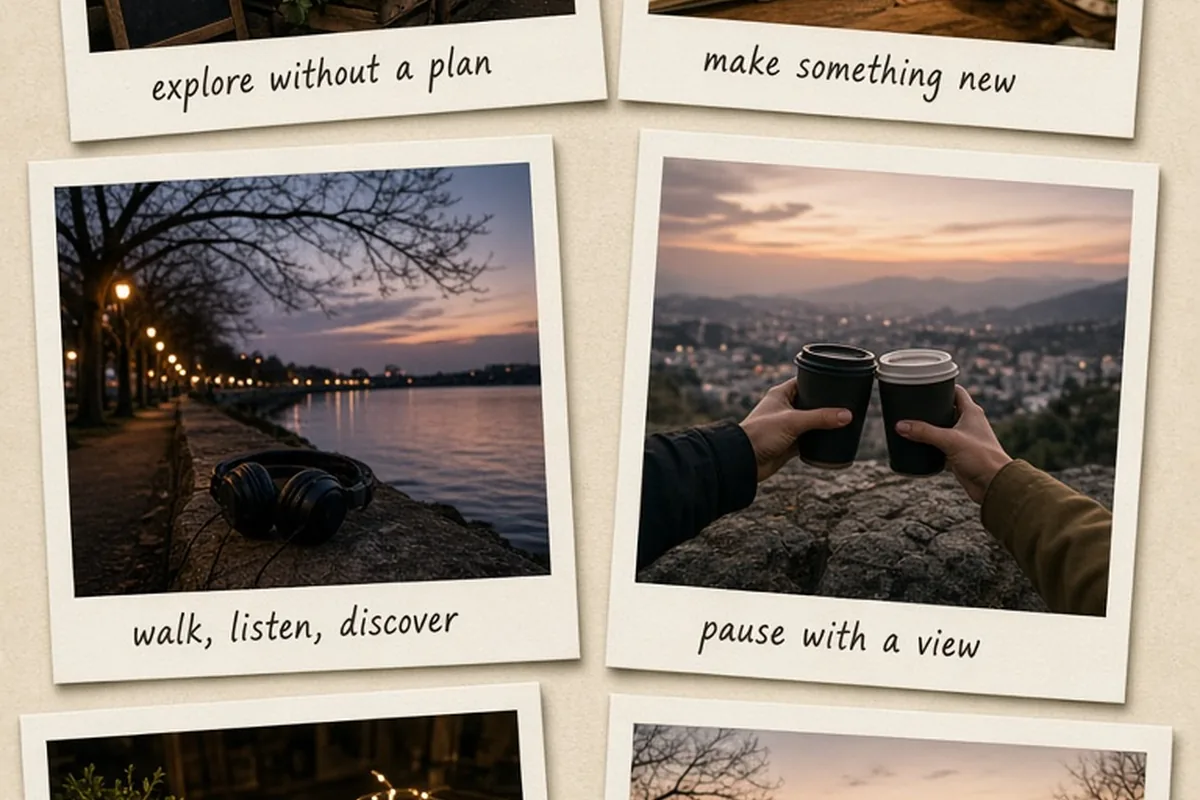
Cheap date ideas work best when they focus on shared activity and comfortable conversation rather than passive consumption. Instead of expensive dinners, choose engaging outings like exploring an eccentric local market, cooking an unfamiliar meal together at home, taking an evening audio walking tour, or visiting a scenic viewpoint with hot drinks. These settings remove financial pressure while creating natural opportunities for laughter, self-disclosure, and authentic romantic chemistry.
Dating often carries an unspoken financial script that equates price tags with emotional investment, yet lavish dinners frequently stifle the very chemistry people hope to find.
Shifting the Focus from Spending to Shared Experience
A common mistake when planning an early or recurring date is assuming that the bill reflects your level of interest or personal value. In practice, high-end environments often introduce unnecessary stiffness. When you sit across from someone in a crowded, high-end dining room, the atmosphere can resemble an interview rather than an organic romantic encounter. Low-cost outings deliberately shift the emphasis away from external spectacle and onto personal compatibility, conversational rhythm, and mutual ease.
Choosing an affordable setting also clarifies intention. It establishes a grounded dynamic where neither person feels indebted or pressured by an extravagant financial outlay. When financial pretense drops away, both people can relax into their authentic personalities much earlier. The real goal is to design an environment that provides enough sensory stimulation to spark spontaneous banter, while leaving ample room to focus entirely on each other.
Active Exploration Dates That Eliminate Awkward Silences
Movement changes how people interact, reducing eye-contact intensity and naturally prompting conversational topics. Wandering through an expansive weekend flea market, an independent specialty grocery store, or a downtown botanical garden gives both partners continuous environmental cues to discuss. You can debate unusual produce, point out curious vintage furniture, or laugh over eccentric records without having to invent dialogue from thin air.
To make this work well, structure the outing around curiosity rather than shopping. For instance, walk through an international supermarket with the specific goal of picking out three novel snacks or beverages neither of you has ever tasted, then sit on a nearby park bench to sample them together. A practical limit to keep in mind is sensory fatigue; walking aimlessly for three hours can drain energy, so pair the wander with an intentional stopping point where you can sit, rest, and digest the shared impression.
Interactive Food Projects Instead of Pricey Restaurants
Sharing food remains a central romantic ritual, but you do not need an exorbitant tasting menu to enjoy it. An interactive cooking date at home turns meal preparation into a collaborative project that reveals how well you solve problems and laugh through small mishaps. Making homemade personal pizzas from premade dough, assembling fresh summer rolls, or rolling out homemade pasta costs very little while engaging both hands and minds.
Collaborative cooking creates a playful kitchen choreography where roles naturally trade off, breaking down physical and verbal hesitation. However, this idea requires thoughtful boundaries. If you are on a first or second date, inviting someone directly to a private residence can feel prematurely intimate or raise safety concerns. Save home-cooked dinners for a stage where baseline comfort and trust already exist, or adapt the concept for early dating by visiting a local bakery to share a single pastry and tea.
Low-Cost Cultural and Community Evenings
Most towns and cities offer rich cultural experiences that cost little or nothing if you know where to look. Many civic art museums, sculpture gardens, and historic estates host free or pay-what-you-wish admission evenings on designated weekdays. Community theater dress rehearsals, university jazz recitals, and independent bookstore author readings provide intellectual or artistic fuel that enriches post-event conversation far more effectively than standard movie theater outings.
The advantage of cultural events is that they immediately reveal values, humor, and worldview. Standing in front of a provocative painting or listening to live acoustic music lets you witness your date's spontaneous reactions and emotional range. The trade-off is scheduling inflexibility, as public events operate on strict calendars. Always verify hours and check whether advance reservation passes are needed so an evening does not stall outside a locked lobby.
Outdoor and Scenic Outings with Deliberate Upgrades
Nature is completely free, but an outdoor date needs deliberate effort to avoid feeling like an uninspired routine walk. Elevate a simple sunset walk or park visit by bringing along thoughtful, low-cost comforts. A thermos of well-brewed spiced tea, a warm fleece blanket, a portable deck of trivia questions, or a portable mini-speaker playing ambient music transforms a basic public space into an intimate outdoor lounge.
Consider visiting an overlook, a quiet marina pier, or a hilltop preserve during the golden hour just before dusk. The changing light and open horizon foster deeper, more reflective conversations than bright midday settings typically allow. Always account for practical comfort: verify weather conditions, consider footwear expectations, and ensure adequate lighting if you plan to stay past twilight, as physical discomfort quickly derails romantic mood.
Playful Competition and Game Nights in Public Spaces
A modest element of lighthearted competition can rapidly spark teasing, banter, and laughter. Visiting an arcade with a single roll of quarters, playing pool at an unpretentious neighborhood billiards hall, or bringing a compact card game to a quiet brewery or coffee shop creates an immediate framework for interaction. Focusing on an external game relieves the pressure of constant conversational output while letting genuine warmth surface.
Keep the emotional stakes intentionally low. The objective is shared playfulness, not dominance or displaying superior technical skill. If one person takes the game too seriously or shows genuine frustration over losing, the romantic dynamic evaporates instantly. Frame any wager around light, inconsequential rewards, such as the loser buying a side of fries or picking the playlist for the drive home.
Illustrative Scenarios
Choosing Between an Expensive Dinner and a Market Walk
Marcus felt pressure to impress Sarah on their third date and considered reserving a table at an upscale steakhouse that would severely stretch his weekly budget. He worried that proposing anything cheaper would signal a lack of ambition or romantic effort. After pausing to reflect on their easy banter during previous brief coffee meetups, he instead suggested browsing a lively evening artisan night market followed by dessert at a nearby gelato counter. Sarah enthusiastically agreed. Throughout the evening, they sampled unique cheeses, laughed over handmade crafts, and sat comfortably on an outdoor bench talking about childhood memories. The total evening cost under thirty dollars, and Sarah texted Marcus that night saying it was the most genuine and relaxed date she had experienced in months.
Key point: Thoughtful planning and engaging settings demonstrate far more romantic intention than an expensive receipt.
Reframing a Cancelled Outing into a Living-Room Game
Elena and Julian had planned an outdoor evening at an outdoor film screening, but an unexpected thunderstorm forced a cancellation thirty minutes before meeting. Julian initially worried the date was ruined and considered postponing. Instead of calling it off, Elena proposed a quick stop at a grocery store for frozen dumplings followed by a tabletop card game on her living-room rug. They spent the evening attempting to fry the dumplings without sticking them to the pan and playing rounds of trivia while rain hit the windows. What could have felt like a disappointing cancellation became an affectionate, unscripted evening where both felt completely at home with each other.
Key point: Flexibility and good humor in the face of sudden plan changes often reveal long-term romantic compatibility better than flawless logistics.
Frequently asked questions
How do I propose a cheap date idea without looking cheap or uninvested?
Focus your invitation on a specific, appealing activity rather than the low price. Suggesting that you check out a hidden rooftop garden or sample pastries at an eccentric bakery sounds intentional and creative, whereas framing the outing as a cost-cutting measure signals reluctance.
Is it appropriate to suggest a low-cost date for a first meeting?
Yes, low-cost dates are ideal for first encounters because they keep expectations manageable and allow either person to gracefully end or extend the time based on chemistry. A quiet coffee shop walk or museum stroll provides a low-pressure environment to assess mutual interest safely.
What should I do if my date prefers expensive venues I cannot afford?
State your boundaries clearly, warmly, and early without defensiveness. You might say that you enjoy simpler, active outings and offer a concrete alternative you are excited about, which clarifies financial compatibility before resentment develops.
Your next step
Choose one simple, interactive activity you genuinely enjoy, such as visiting an evening market or walking a scenic overlook with warm drinks, and invite your date with clear enthusiasm.