Cheap thoughtful gifts succeed by prioritizing personal relevance, shared memories, and practical usefulness over monetary cost. Highly impactful options include curated memory journals, themed micro-care kits assembled around daily routines, homemade pantry staples in reusable glass jars, propagated houseplants, and scheduled vouchers for specific acts of service. When a gift demonstrates that you notice and value someone's distinct preferences, its emotional significance far exceeds its price tag.
Gift-giving frequently carries an unspoken expectation to spend heavily, creating unnecessary pressure while steering shoppers toward generic, high-cost items that end up forgotten in a drawer. Shifting focus away from the transaction and toward deliberate personal observation allows you to provide comfort, laughter, and connection on a modest budget.
Curating Shared Memories Through Handmade Paper Keepsakes
Tangible print artifacts carry an emotional weight that digital messages rarely match. In an era dominated by fleeting text exchanges and cloud photo storage, selecting physical paper formats forces deliberate curation. Taking the time to collect specific memories signals that you cherish the history you share with someone, turning inexpensive stationery into a lasting keepsake that the recipient can return to during difficult or nostalgic moments.
To build a memory-centered gift, choose a specific thematic container rather than attempting to document an entire lifetime. A blank spiral notebook can become a customized quote book documenting funny sayings from a friend group across the year. Alternatively, you can assemble a pocket-sized recipe book compiling dishes you have cooked together, annotated with private jokes, cooking mishaps, and tips for preparation. Sourcing an inexpensive photo album and printing ten high-resolution photos from shared milestones costs only a few dollars at a local pharmacy photo kiosk, yet provides a tactile artifact far more intimate than a digital gallery link.
Consider an annotated paperback book as another accessible avenue. Purchase a secondhand copy of a novel or essay collection that profoundly influenced your perspective, and write margin notes explaining why specific lines reminded you of the recipient or how a certain chapter altered your thinking. The primary limitation of memory gifts is relational calibration; they require genuine intimacy to feel authentic. Giving an intensely sentimental memory jar or annotated diary to an acquaintance, new coworker, or distant relative can feel invasive rather than touching, so reserve this approach for close friends, long-term partners, or immediate family members.
Assembling Themed Micro-Kits Around Daily Rituals
A single inexpensive item can feel slight, but grouping three related, practical items around a specific habit creates an intentional experience. The secret to an effective micro-kit is coherence: every component must serve a unified purpose that directly improves an everyday routine the recipient already enjoys. Rather than buying a prepackaged commercial gift basket filled with unwanted filler goods, building your own bundle allows you to focus on high-utility essentials.
Start by identifying a quiet ritual in the person's day, such as an early morning coffee, a post-workout recovery period, or a late-night reading hour. Visit discount grocers, hardware stores, or bulk markets to assemble complementary items. For an avid reader, you might combine a quality stainless steel bookmark, a single tin of loose-leaf herbal tea, and a sturdy ceramic mug sourced from a thrift store. For a home cook, a micro-kit could feature a wooden citrus reamer, two fresh limes, and a small bag of flaky finishing sea salt.
A concrete example is a cold-weather commuting kit: purchase a reliable pair of thermal wool-blend socks, a tube of unflavored beeswax lip balm, and an insulated travel mug. When bundled neatly with a simple strip of fabric, the collection communicates that you care about their physical comfort during daily travel. The primary trade-off with micro-kits is avoiding decorative clutter. Resist the urge to purchase low-quality novelty trinkets that look cute on the surface but break immediately or end up in a landfill. Select items that are consumable or clearly durable.
Crafting Kitchen Staples and Edibles with Deliberate Presentation
Food serves as an immediate, sensory expression of care that almost everyone welcomes. Prepared food gifts bypass the problem of material accumulation because the recipient can enjoy and consume them without needing permanent storage space. However, homemade food gifts must be executed with food safety, dependable quality, and appealing packaging in mind to feel like a true present rather than leftover baking.
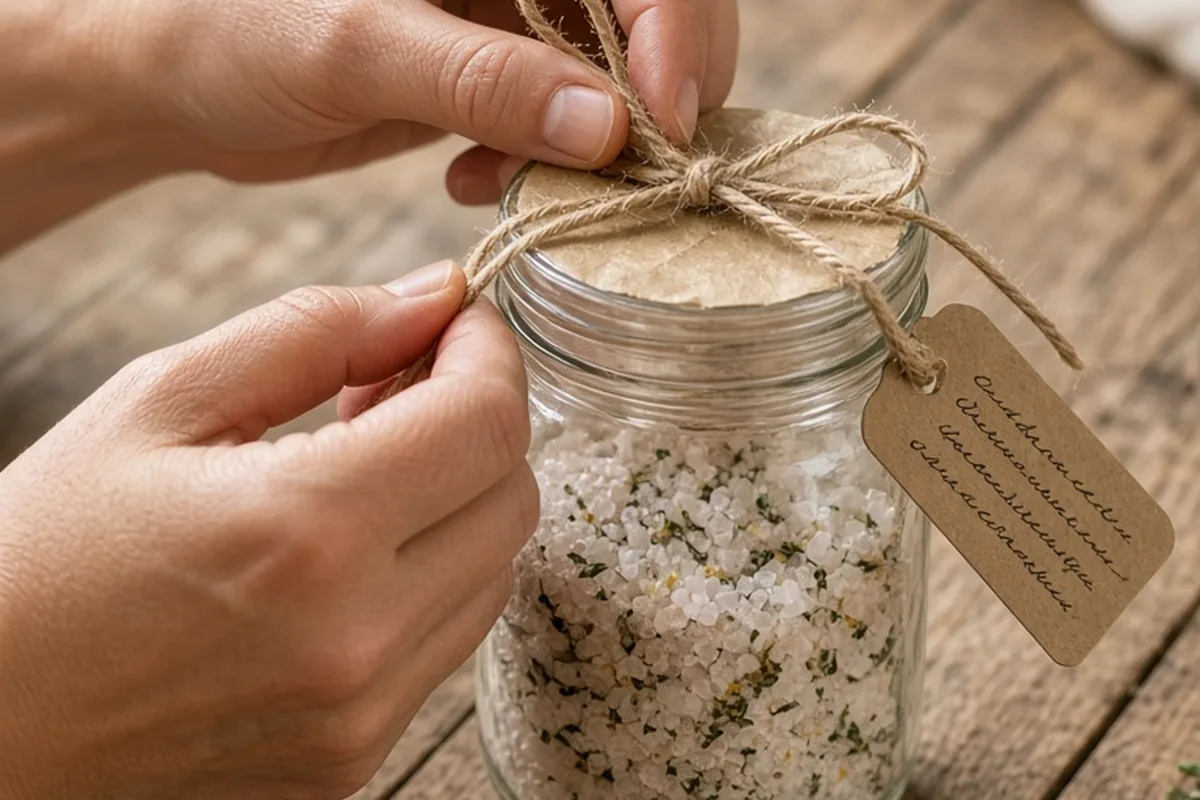
Pantry staples with longer shelf lives tend to work best because they do not force the recipient to eat the gift immediately. Infused culinary oils, customized dry rubs for grilling, small-batch spiced nuts, and compound butters are relatively inexpensive to produce in volume. For example, purchasing bulk sea salt and combining it with fresh garden rosemary and lemon zest, slowly dehydrated in a low-temperature oven, yields several gourmet salt jars for the cost of a single store-bought container. Decant the salt into clean glass canning jars, tie the lid with natural cotton string, and attach a small handwritten card suggesting uses, such as sprinkling over roasted vegetables or focaccia.
Baking remains a classic choice, but switching from standard cookies to specialty items like artisanal sourdough, granola with dried cranberries and pumpkin seeds, or infused breakfast syrups elevates the perceived value. Always consider dietary constraints before planning culinary gifts; gifting homemade walnut brittle to a household with nut allergies or dairy-heavy fudge to a vegan recipient creates awkwardness. When in doubt, ask mutual friends or check casually ahead of time to confirm dietary preferences, allergies, and ingredient restrictions.
Hunting for Vintage Treasures and Functional Secondhand Goods
Mass-produced modern goods under twenty dollars often suffer from shoddy construction and uniform appearances. By contrast, secondhand shops, estate sales, and used bookstores house well-made, character-rich objects at a fraction of their original retail price. Gifting secondhand demonstrates resourcefulness and curation, turning the hunt into an act of finding an object with history that specifically aligns with the recipient's personal aesthetic.
Focus on durable materials that age gracefully, such as solid brass, heavy stoneware, cast iron, cut glass, and hardbound literature. A vintage glass bud vase paired with two fresh floral stems makes a refined desk accessory that looks significantly more upscale than an inexpensive plastic alternative. An out-of-print cookbook from a region the recipient loves to visit, complete with retro illustrations, provides functional charm that cannot be purchased through standard retail channels. Vintage brass candleholders with fresh tapered beeswax candles can easily be assembled for under ten dollars.
The vital requirement when gifting pre-owned items is careful restoration and cleaning. Thoroughly wash glassware, remove old price stickers completely using rubbing alcohol or adhesive remover, polish dull metals to a warm patina, and inspect bindings on vintage books for mold or loose pages. The limitation here is the recipient's comfort level with secondhand goods; while many people celebrate vintage character and sustainability, some individuals prefer brand-new items for cultural, hygiene, or personal reasons. Gauge their preferences before selecting pre-owned goods.
Gifting Targeted Acts of Service with Defined Parameters
Time and labor are valuable currencies, particularly for busy parents, overworked colleagues, or friends going through stressful transitions. Offering an act of service removes friction from someone's daily life, which often produces far more tangible relief than an unwanted decorative trinket. However, generic offers like 'let me know if you need anything' almost never get redeemed because they put the burden of asking back on the recipient.
To make an act of service feel like a legitimate gift, define the exact scope, duration, and nature of the task. Tailor the offer to your existing skills and the recipient's ongoing bottlenecks. If you are skilled with tools, offer an afternoon to patch drywall holes, install light fixtures, or adjust squeaky cabinet hinges. If you are proficient with vehicle care, offer a comprehensive hand wash, wax, and interior vacuum. For pet owners, offering a weekend of house-sitting or daily dog walking saves them substantial boarding fees and guarantees peace of mind.
Present the offer as a physical, thoughtfully designed voucher card containing clear terms: specify what you are providing, how many hours it entails, and a suggested calendar window for scheduling it. An example voucher might state: 'This card entitles you to three hours of garden weeding, pruning, and seasonal bed cleanup on any mutually agreed Saturday morning in May.' The main risk with service gifts is failure to follow through. If you offer labor, you must prioritize the commitment on your calendar with the same reliability as a paid appointment; forgetting or delaying the offer makes the gift feel hollow.
Propagating Living Houseplants and Designing Hand-Potted Greenery
Living houseplants represent continuity, vitality, and care, yet mature nursery plants can be surprisingly expensive. Propagation allows you to create healthy, attractive indoor plants from your existing collection at practically no expense. Because plants grow and adapt over months and years, they serve as a gentle, living reminder of your friendship every time the recipient waters them.
Select resilient, forgiving plant varieties that propagate quickly and tolerate variable indoor light conditions. Golden pothos, heartleaf philodendron, snake plants, ZZ plants, and spider plants root readily in water and transition smoothly to potting soil. Take a healthy stem cutting with two or three leaf nodes, place it in a clear glass bottle on a sunny windowsill for three to four weeks until strong white roots form, and transfer it into an inexpensive unglazed terracotta pot filled with fresh potting mix. Terracotta pots cost only a few dollars at home improvement stores and offer optimal root aeration.
Accompany the plant with a concise, handwritten care card detailing sunlight requirements, watering cadence, and pet safety facts. For instance, note whether the plant is safe around cats and dogs, as common species like pothos and monsteras contain insoluble calcium oxalates that can cause mouth irritation in pets. If your recipient owns curious pets, opt instead for non-toxic varieties like spider plants, peperomias, or Boston ferns. The limitation of gifting plants is that they require ongoing responsibility; do not give demanding or fragile species to someone who travels constantly or expresses zero interest in gardening.
Elevating Low-Cost Items Through Thoughtful Packaging and Notes
The manner in which a gift is wrapped heavily shapes the recipient's initial perception and emotional response. High-gloss commercial wrapping paper, plastic ribbons, and disposable gift bags often look generic while generating non-recyclable waste. Using natural, textured materials and intentional packaging techniques can make a modest five-dollar item look artistic, handcrafted, and sophisticated.
Stock up on basic brown kraft paper, unbleached cotton butcher's twine, and simple white tags, which cost minimal money in bulk and suit any occasion. When wrapping a present, fold sharp, crisp corners and secure them with understated paper tape or twine. You can tuck a dried orange slice, a sprig of fresh rosemary, a cinnamon stick, or a pressed garden leaf beneath the twine for seasonal texture and a pleasant scent. Another attractive option is the Japanese technique of fabric wrapping known as furoshiki, where you use an inexpensive cotton bandana, tea towel, or thrifted linen napkin to wrap the gift, turning the wrapper itself into a functional secondary present.
The written card enclosed with the gift should carry equal weight to the object itself. Avoid relying on the printed sentiment inside commercial greeting cards. Instead, take a blank index card or small piece of cardstock and write three to five specific sentences expressing genuine gratitude, celebrating a specific accomplishment, or detailing why you chose that particular gift for them. Sincere words of validation endure long after wrapping paper is recycled, ensuring the overall exchange feels deeply meaningful regardless of the financial investment.
Frequently asked questions
How can I make an inexpensive gift feel more expensive without spending extra cash?
Focus heavily on deliberate presentation, sensory details, and cohesive curation. Wrapping a small, useful item in butcher paper with a sprig of fresh greenery and enclosing a specific, heartfelt handwritten letter makes the exchange feel intentional rather than rushed.
What are the best cheap gifts for coworkers or professional acquaintances?
Keep the focus on consumable desk items or functional workday comforts with neutral boundaries. High-quality loose tea tins, artisanal coffee beans, sturdy stainless steel travel mugs, or small succulents in terracotta pots work well without crossing personal comfort lines.
Is it considered bad etiquette to give secondhand or thrifted items as gifts?
Secondhand gifting is widely appreciated when items are clean, durable, and thoughtfully chosen for their unique character, such as vintage books, brass decor, or pristine glassware. Ensure the item is thoroughly restored, free of damage, and suited to the recipient's personal taste.
Your next step
Take five minutes today to write down three daily habits or comfort items your recipient relies on, and build a modest, intentional gift around one of those exact routines.