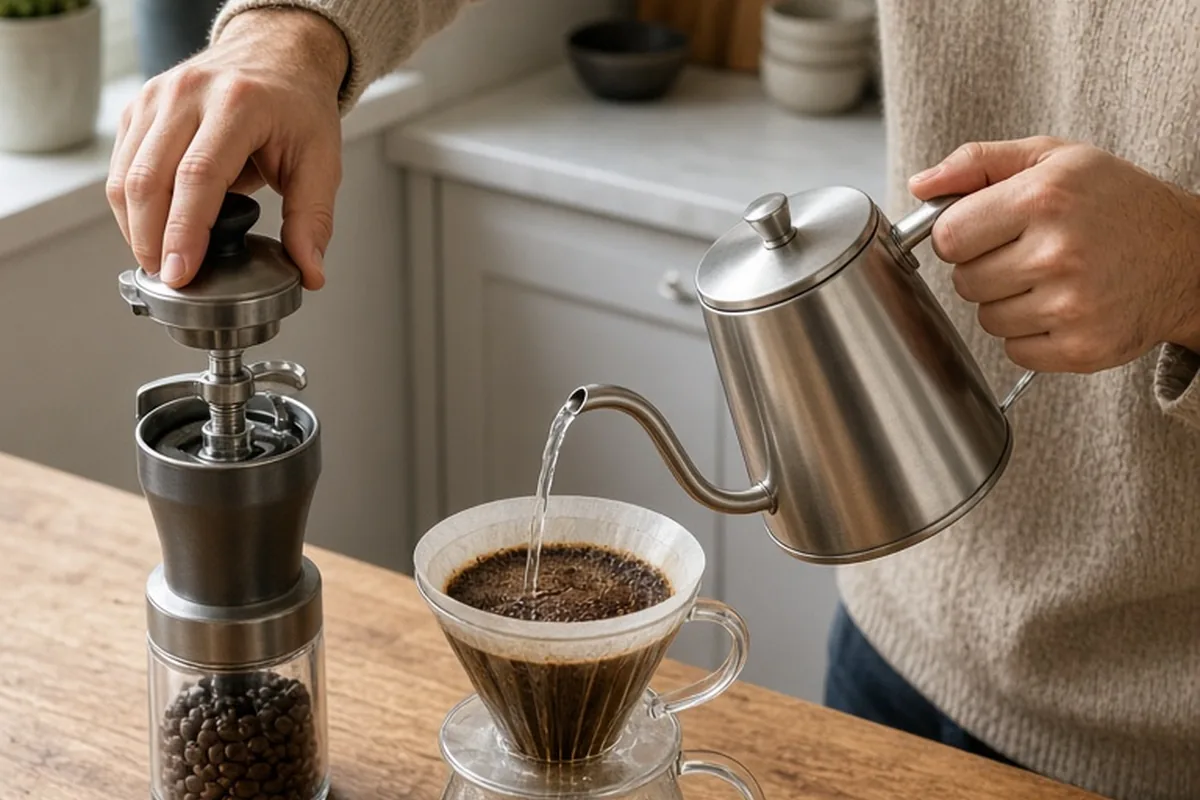
Christmas gift trends center on enduring value, practical utility, and intentional gathering. Shoppers increasingly favor durable goods over disposable novelties, choosing repairable home appliances, artisanal consumables, restorative self-care items, and collaborative experiences that connect generations. Sustainable production and modular designs also take priority, offering lasting daily enjoyment rather than fleeting holiday excitement.
Navigating seasonal gift shopping often requires balancing genuine novelty against everyday utility, especially as holiday conventions evolve toward more intentional, lasting selections.
The Move Toward Tangible Longevity and Repairable Goods
A noticeable shift in holiday shopping is the rejection of disposable convenience items in favor of enduring, repairable home goods. Recipients frequently express fatigue with plastic gadgets, seasonal trinkets, and closed-system electronics that stop functioning after minimal use. Instead, modern gift trends favor items built with serviceable components, timeless materials, and clear maintenance paths. Kitchen tools made from enameled cast iron, forged carbon steel, or solid hardwoods have seen renewed interest because they improve with age when properly cared for. The same principle applies to everyday carry items, such as full-grain leather goods, rebuildable fountain pens, and workshop tools with replaceable wear components.
To apply this approach, look for manufacturers that sell individual replacement parts, publish repair manuals, or offer lifetime hardware warranties. For instance, rather than purchasing a proprietary single-serve pod coffee maker that ends up in a landfill when an internal valve fails, consider a classic stainless steel pour-over kettle paired with an adjustable manual burr grinder. The trade-off with durable hardware is an inherently higher initial purchase price and the need for the recipient to perform routine upkeep. For individuals who prefer effortless replacement over regular oiling, seasoning, or care, heavily durable goods can occasionally feel like a maintenance chore rather than a delight.
Shared Experiences and Connection-Focused Giving
Physical possessions can easily add clutter to crowded living spaces, which has accelerated the popularity of experiential presents designed to strengthen personal connections. More people seek memories over material goods, making concert outings, cooking classes, museum passes, and seasonal memberships primary holiday contenders. Experiential gifts often provide psychological anticipation in the weeks leading up to an event, followed by shared enjoyment that outlasts the unwrapping process. This category works especially well for multi-generational families where grandparents, adult children, and grandchildren might have disparate material tastes but mutual enthusiasm for an afternoon gathering.
Choosing the right experiential present requires matching the activity to the recipient's schedule and physical comfort levels. Practical examples include booking an afternoon pasta-making workshop for a couple who loves Italian cuisine, or gifting an annual pass to a local arboretum or regional state park system. The primary limitation of experiential gifts is scheduling friction. If you purchase tickets with a rigid date or an activity that requires difficult travel, you risk turning a thoughtful present into a logistical obligation. Offering open vouchers, flexible scheduling windows, and covering incidental costs like parking or childcare helps prevent practical complications.
Restorative and Sensory Home Upgrades
Modern domestic life often brings sensory overload, making quiet, comforting home enhancements a staple of seasonal giving. Rather than seeking flashy or noisy novelties, many shoppers look for tactile goods that create spaces of genuine relaxation. This trend encompasses items that improve sleep hygiene, support ambient home lighting, and provide grounding tactile feedback throughout daily routines. Soft goods made from organic linen, heavyweight waffle-knit cotton, or naturally temperature-regulating merino wool offer everyday tactile pleasure without cluttering shelves or requiring technical setup.
When selecting sensory home goods, focus on items that blend effortlessly into existing home decor while elevating ordinary routines. For example, a heavy, dimmable amber-glass bedside lamp with an analog rotary switch offers a gentle visual alternative to harsh overhead lighting, while a pair of unglazed ceramic mugs crafted by a regional potter brings tactile warmth to morning coffee. The main challenge here lies in personal aesthetics and sensitivities. Scents, textures, and color schemes are highly subjective; a heavily fragranced candle or a distinctive decorative textile might conflict with a recipient's household preferences or chemical sensitivities, so sticking to neutral tones and unscented natural materials remains the safest course.
Elevated Everyday Consumables and Culinary Staples
Consumable gifts have emerged as an ideal middle ground for recipients who prefer to avoid long-term physical accumulation. However, modern holiday trends have evolved far beyond generic fruit baskets or pre-packaged snack towers with artificial ingredients. Shoppers are selecting single-origin pantry staples, estate-bottled extra virgin olive oils, hyper-regional honey varieties, and small-batch preserves that transform mundane meals into special culinary occasions. These items offer immediate sensory delight and disappear once consumed, leaving zero long-term clutter in the household.
To assemble a thoughtful consumable present, curate a cohesive culinary package around a specific meal experience rather than gathering unrelated snacks. For example, pair a bronze-cut artisanal pasta from a heritage grain mill with a jar of cold-pressed finishing oil and a block of aged hard cheese wrapped in wax paper. This provides an elevated dinner experience that the recipient might hesitate to purchase during a standard grocery run. The essential consideration when gifting culinary staples is respecting dietary restrictions, allergies, and storage requirements. Always confirm whether the household avoids gluten, dairy, animal products, or alcohol before finalizing edible assortments.
Mindful Technology and Screen-Lite Devices
Digital fatigue has created strong demand for technology that serves a dedicated, functional role without generating continuous notifications or screen distraction. The trend moves away from feature-heavy smart devices that require complex account setups, constant firmware updates, and intrusive data permissions. In their place, recipients appreciate focused tools designed to perform one task reliably, such as dedicated e-ink readers, mechanical alarm clocks that keep phones out of the bedroom, and tactile music players that simulate the tangible experience of physical media.
Consider gifts like an ambient white-noise generator with physical sliders, an analog timer for deep work sessions, or an e-ink notebook that mimics pen on paper without web browsers or social media alerts. These devices help recipients reclaim personal focus while still enjoying modern engineering conveniences. The main limitation is that dedicated, single-purpose hardware can sometimes duplicate capabilities already present on modern smartphones. If the recipient prefers streamlined minimalism and uses their phone for alarms, notes, reading, and music without feeling overwhelmed, a standalone device may end up unused on a desk drawer shelf.
Group Gifting and Collaborative Funding
Economic mindfulness and rising consumer expectations have popularized collaborative group gifting. Instead of five family members each purchasing modest twenty-dollar items that may not address significant household needs, relatives frequently coordinate to fund a single substantial item. This approach works especially well for major milestones, young adults outfitting their first apartments, or families saving for larger home equipment like high-end blenders, heavy-duty stand mixers, or outdoor camping gear.
Implementing collaborative gifting requires clear communication and a reliable organizer. Digital registry platforms, shared contribution funds, or simple cash pooling managed by one sibling or friend can simplify the process. For example, several family members might collaborate to purchase a durable utility wagon and car seats for new parents, relieving genuine financial pressure while ensuring high utility. The trade-off is the loss of personal unwrapping suspense; collaborative gifts require prior coordination and transparency, which reduces the emotional surprise of opening multiple individual packages under the tree.
Illustrative Scenarios
Coordinating Multi-Generational Group Gifting
An extended family realized their traditional annual gift exchange produced excess household clutter and duplicate novelties for their growing children. Rather than exchanging dozens of individually wrapped small gadgets, the family chose to pool their seasonal budgets into two targeted investments: an annual family membership to the regional science center and durable, all-weather outdoor coats for the kids. Instead of managing dozens of gift tags, one family member managed a shared digital fund.
Key point: Consolidating individual budgets into practical, shared investments reduces seasonal clutter while ensuring gifts deliver ongoing value throughout the entire year.
Frequently asked questions
How can I find out what someone wants without spoiling the surprise?
Ask mutual friends or close partners about ongoing household projects, hobbies, or worn-out items that need replacement. You can also listen for subtle complaints during casual conversations about daily frustrations, such as a broken kitchen appliance or an unread book on a nightstand.
What makes an everyday consumable feel like a genuine holiday gift?
Focus on high-grade culinary staples that recipients rarely purchase for themselves, such as estate-bottled vinegar, single-origin whole-bean coffee, or small-batch maple syrup. Packaging them with a clear culinary context, like a companion wooden spoon or handwritten recipe suggestion, elevates the presentation.
How do I handle gifting when our family is trying to reduce clutter?
Openly suggest shifting the tradition toward experiences, high-end consumables, or single collective contributions well before the holidays arrive. Proposing a clear boundary, such as a mutual agreement on consumable treats or shared meals, relieves financial and spatial pressure for everyone involved.
Your next step
Review your gift list today, identify which recipients would benefit more from a durable utility item or an experience than a novelty gadget, and set your planning timeline accordingly.