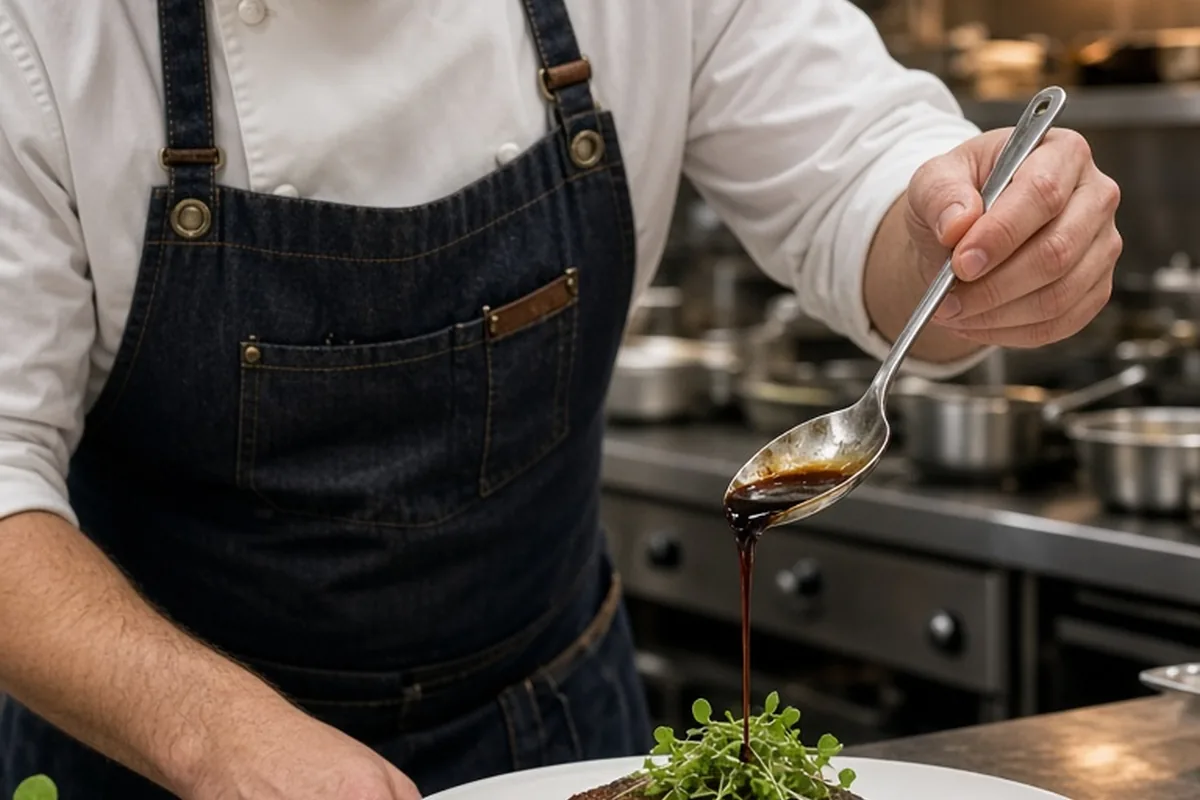
The best Christmas gifts for chefs focus on utility, comfort, and consumable luxury rather than novelty kitchen gadgets. Consider commercial-grade essentials like high-grit Japanese water stones, customized cross-back aprons, or precision plating tweezers. Alternatively, choose elevated pantry items they would rarely buy for themselves, such as vintage balsamic vinegar or single-origin spices, or prioritize physical recovery gifts like compression socks and heavy-duty hand salve designed to withstand grueling kitchen shifts.
Buying a holiday present for a culinary professional often feels intimidating because cooks and chefs maintain exacting standards for their equipment. Understanding the everyday realities of restaurant work helps you avoid gimmicky retail gadgets and select items that offer genuine utility, durability, and comfort.
Navigating the Perils of Buying Primary Knives and Cookware
The most common mistake gift givers make is purchasing an expensive chef knife or standard cookware set without consulting the recipient. Professional cooks develop deep, tactile attachments to their core tools, evaluating knives based on blade geometry, steel hardness, bevel angle, handle ergonomics, and balance points. A knife that feels balanced in an amateur kitchen may feel clumsy, heavy, or improperly weighted during an eight-hour prep shift involving hundreds of pounds of produce.
Unless a chef has provided an exact brand, line, steel type, and blade length, gifting primary cutware carries a significant risk of missing the mark. If you are determined to give something edge-related, focus on maintenance gear rather than the blade itself. High-grit synthetic Japanese water stones, dual-sided leather strops charged with polishing compound, or professional ceramic honing rods support the tools they already love without imposing an unfamiliar blade shape on their muscle memory.
The trade-off with sharpening equipment is that water stones require a deliberate technique and ongoing care. A chef who relies on a mobile sharpening service might find a bench stone inconvenient, whereas a cook who maintains their own edges will appreciate the precision of a reliable medium-to-fine grit combination stone.
Compact Workstation Tools and Precision Plating Gear
Line cooks and sous chefs prize personal, compact tools that fit inside an apron pocket or an everyday tool roll. These items experience heavy daily use, frequently wander off during busy services, and deliver immense satisfaction when built to commercial standards. Precision tools upgrade daily workflows without demanding extensive counter space or replacing major station hardware.
Focus on tools that solve specific finishing and preparation tasks. Plating tweezers with fine, curved, or offset tips give cooks dexterity when handling delicate garnishes, microgreens, and hot components. Similarly, a well-balanced sauce spoon with a deep bowl and tapered spout allows for controlled saucing and rapid tasting throughout prep. Durable pocket-sized infrared thermometers and rapid-read digital probes allow instant temperature checks without tearing delicate proteins apart.
When choosing workstation gear, prioritize unadorned functionality over ornate designs. Commercial dishwashers and high-heat sanitizing cycles degrade decorative wooden handles and fragile coatings quickly, so heavy-gauge stainless steel remains the professional standard.
- Offset plating tweezers with micro-serrated tips for delicate garnish placement
- Classic Kunz-style sauce and tasting spoons made from polished heavy-gauge stainless steel
- Commercial-grade instant-read thermocouple thermometers with water-resistant housings
- Small four-inch offset spatulas for lifting delicate pastries and smoothing purées
Durable Kitchen Workwear Built for Heat and Motion
Commercial kitchens are punishing environments characterized by ambient heat, open flames, hot oil, and constant abrasive movement. Standard consumer aprons bought at department stores often feature thin polyester fabrics, flimsy neck straps, and shallow pockets that fail under professional kitchen conditions. An apron engineered for professional service is one of the most practical upgrades a cook can receive.
Look for aprons constructed from heavy cotton duck canvas, durable denim, or treated twill weighing at least eight to ten ounces. Ergonomics matter significantly; cross-back strap designs distribute weight across the shoulders and upper back rather than pulling on the cervical spine during long shifts. Thoughtful structural details include reinforced bar-tack stitching at stress points, dedicated chest pockets for Sharpies and thermometers, and sturdy metal grommets that survive industrial laundering.
One consideration to keep in mind is the climate of the recipient's kitchen. Waxed canvas aprons offer excellent spill resistance and rugged aesthetics, but they can trap excessive body heat on a hot line. Lighter-weight cotton twill or breathable linen blends may be preferable for cooks working over wood-fired grills or pizza ovens.
Elevated Pantry Essentials and Rare Single-Origin Ingredients
Chefs spend their professional lives transforming raw ingredients into memorable meals, yet they rarely splurge on ultra-premium specialty foods for their home pantries. Gifting artisanal ingredients introduces them to distinctive regional flavor profiles without adding permanent clutter to their living spaces. Consumables represent a low-risk, high-delight category that honors their passion for flavor.
Select ingredients that emphasize single-origin provenance, traditional production methods, and exceptional concentration. Traditional Aceto Balsamico di Modena DOP, aged naturally in wooden barrels for twelve to twenty-five years, offers a complex acidity and viscosity unmatched by commercial grocery reductions. Hand-harvested finishing sea salts, cold-pressed estate olive oils with traceable harvest dates, whole peppercorn assortments from regions like Kampot or Madagascar, and artisan fish sauces aged in wooden casks bring nuanced depth to both experimental cooking and simple late-night meals.
The primary limitation with gourmet food gifts is shelf stability and dietary alignment. Choose dry goods, preserved condiments, and barrel-aged liquids over perishable items like truffles or fresh caviar, which impose immediate cooking deadlines during the busy holiday season.
- Single-estate extra virgin olive oil bottled with explicit harvest dates and polyphenol data
- Certified traditional balsamic vinegar packaged in the Consortium-mandated bulb flask
- Whole single-origin spices and peppercorns sourced directly from smallholder farms
- Fermented specialty condiments such as barrel-aged artisanal shoyu or fish sauce
Physical Recovery and Wellness Upgrades for Grueling Shifts
Kitchen work is intensely physical, requiring ten to fourteen hours per day on hard tile floors, continuous lifting, and repeated exposure to harsh chemical sanitizers and boiling water. While cooks rarely request wellness products directly, gifts that soothe tired muscles and restore damaged skin address the genuine physical toll of the profession.
Graduated compression socks made with merino wool regulate temperature while improving blood flow and reducing lower leg fatigue during extended standing. Heavy-duty, unscented barrier creams formulated with beeswax, lanolin, and glycerin help heal cracked fingertips and contact dermatitis without leaving behind synthetic fragrances that transfer into food. For muscle tension, compact percussion massage devices or targeted foot acupressure rollers offer immediate relief after late shifts.
When selecting self-care items, ensure the presentation feels intentional and restorative rather than clinical. Avoid heavily scented bath products or fragile equipment that requires elaborate maintenance routines when a cook simply wants fast, practical relief before sleeping.
Technical Culinary Literature and Deep Food Reference Books
Professional chefs generally find entry-level cookbooks uninspiring because they already understand foundational techniques, standard flavor pairings, and basic weeknight recipes. Instead, choose literature that explores food chemistry, advanced regional preservation, niche culinary traditions, or the operational philosophies of world-class dining institutions.
Technical manuals that investigate the structural science of cooking give chefs new frameworks to troubleshoot recipes and innovate their menus. Authoritative texts on topics like charcuterie curing, koji cultivation, vinegar fermentation, and sourdough microbiology allow experienced cooks to expand their foundational skills. Beautifully designed monographs documenting influential restaurants also provide visual plating inspiration and creative perspective.
Keep the chef's living space in mind before selecting oversized multi-volume box sets. Many restaurant professionals live in compact apartments where counter and shelf space are at a premium. A dense, single-volume technical reference often sees more practical use than a massive display set.
- Exhaustive reference bibles on food science, texture modification, and ingredient chemistry
- Specialized guides detailing traditional charcuterie, koji fermentation, and wild curing methods
- Comprehensive single-subject monographs exploring pastry architecture or regional grain heritage
- Memoirs and philosophical essays written by pioneering kitchen leaders and restaurateurs
Specialty Retailer Cards and Curated Off-Shift Experiences
While gift cards sometimes carry a reputation for feeling impersonal, culinary professionals view vouchers to specialized industry suppliers as an open invitation to acquire bespoke equipment. High-end Japanese cutlery purveyors, commercial cookware supply houses, and specialty uniform retailers allow chefs to select the exact dimensions, steel alloys, and fittings that align with their distinct station needs.
Equally meaningful is funding an exceptional dining experience. Chefs work during traditional leisure hours and dedicate immense energy to hosting others, leaving little time or budget to sit on the guest side of a fine dining counter. Covering a multi-course dinner at an acclaimed regional restaurant or buying tickets to a guest-chef pop-up provides creative rejuvenation and a well-deserved evening of hospitality.
To make an experiential gift feel deeply personal, pair the voucher with a handwritten note recognizing a specific professional milestone or favorite culinary interest. This approach provides the flexibility of choice while demonstrating authentic appreciation for their craft.
Illustrative Scenarios
Choosing Utility Over Guesswork for a Dedicated Line Cook
A family member wanted to buy a high-end Christmas gift for a relative working as a line cook at a busy urban bistro. Initial impulses favored purchasing an ornamental chef knife, but after learning that the cook already owned a personalized set of carbon steel blades, the buyer shifted strategy. Instead of guessing knife geometry, the buyer assembled a kit consisting of two heavy-gauge cross-back twill aprons, a pair of merino compression socks, and a gift card to a professional Japanese knife importer where the cook could select their own sharpening stones.
Key point: Focusing on ergonomic daily comfort and flexible specialty sourcing avoids equipment mismatches and delivers items that immediately improve the cook's working life.
Frequently asked questions
Why should I avoid buying a general knife set for a professional chef?
Professional chefs choose knives based on highly personal criteria including weight, balance, blade curvature, steel hardness, and handle comfort. Pre-packaged retail knife sets usually feature generic ergonomics and multiple pieces that rarely see use in a commercial setting.
What is the best way to choose an apron for a professional cook?
Look for aprons crafted from durable cotton canvas or twill with reinforced stitching and cross-back straps that distribute weight over the shoulders. Avoid thin synthetic materials, fragile ties, and neck-loop styles that cause strain during extended shifts.
Are gourmet cooking ingredients considered acceptable holiday gifts for chefs?
Yes, high-end finishing ingredients like single-origin olive oils, aged vinegars, and rare whole spices are widely appreciated because cooks rarely splurge on them for personal home cooking. Focus on shelf-stable items with verified provenance and distinct flavor characteristics.
What recovery gifts are most practical for someone working in hospitality?
Gifts that address physical fatigue provide immediate relief, such as graduated compression socks for leg circulation, unscented beeswax balms for cracked hands, and compact muscle massage devices. Avoid heavily fragranced lotions that could interfere with sensory kitchen tasks.
Your next step
Determine whether your chef would benefit most from durable station gear, consumable luxury, or physical shift recovery, then select a high-grade practical item that respects their demanding daily routine.