The best Christmas gifts for crafters balance high utility with creative freedom, focusing on premium upgrades they might hesitate to buy for themselves. Top options include ergonomic precision tools, modular storage organizers, adjustable daylight task lamps, high-grade consumable basics, and gift cards to specialized independent craft suppliers. Choosing quality foundational tools or flexible supplies ensures your gift supports their specific maker passion without cluttering their workspace.
Finding the right holiday present for an avid maker can feel intimidating when their workspace already overflows with specialized tools, notions, and raw materials. By prioritizing ergonomic comfort, studio lighting, mobile organization, and universally applicable studio upgrades, you can give a gift that meaningfully improves their daily creative process without having to guess specific pattern requirements or exact dye lots.
Ergonomic and Precision Cutting Tools
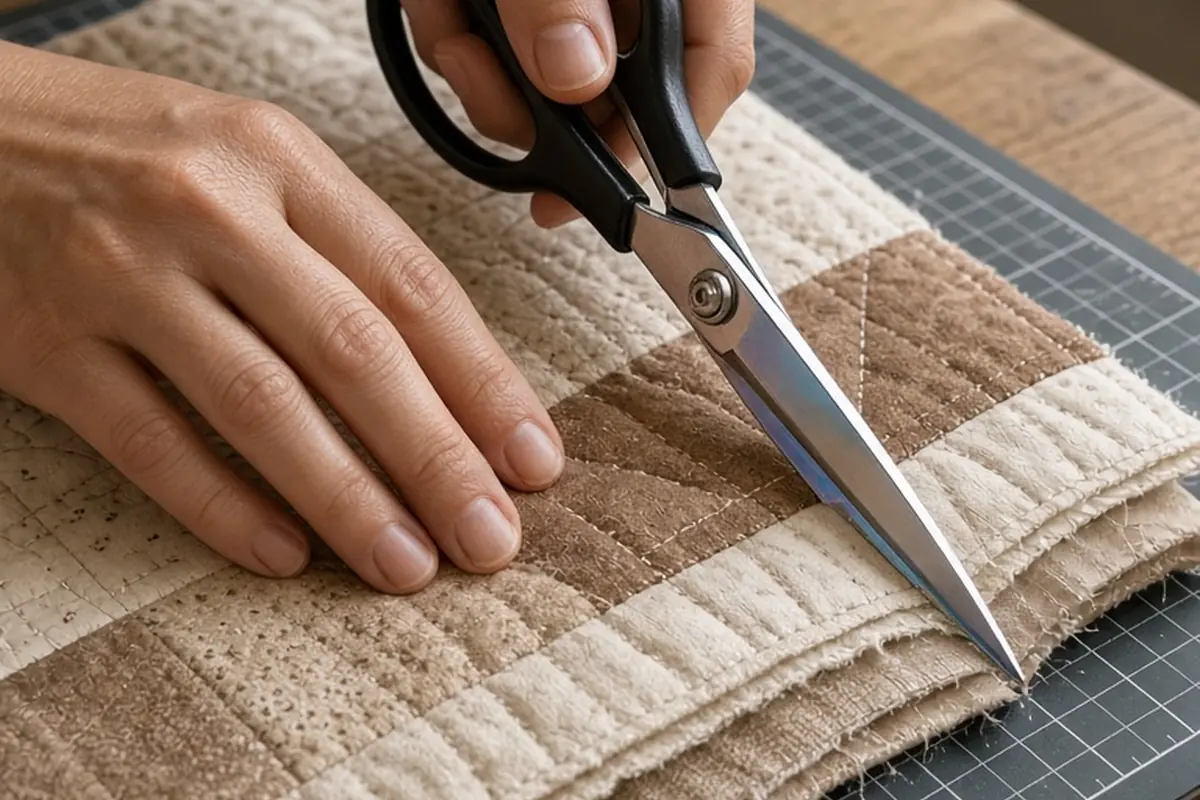
Repetitive strain is one of the most common hurdles makers face, whether they spend hours cutting quilting cotton, carving linoleum blocks, snipping embroidery threads, or trimming leather. High-end ergonomic hand tools make an immediate, noticeable difference in a crafter's endurance and comfort. Upgrading basic shears to Japanese stainless steel dressmaking scissors, cushioned rotary cutters with automatic safety guards, or spring-action snips allows for effortless precision while reducing hand and wrist fatigue.
When choosing cutting equipment, look for features like ambidextrous grips, titanium-coated blades for longevity, and replaceable blade systems. For instance, a tailor or quilter will appreciate heavy-duty 8-inch dressmaking shears paired with a dedicated blade sharpener, while a papercrafter or miniature artist will benefit from a balanced aluminum craft knife with a contoured, non-slip barrel. The main consideration is ensuring the tool matches their dominant hand or has a truly neutral ambidextrous mold, as specialized left-handed crafters often struggle with standard asymmetrical handles.
Full-Spectrum Task Lighting and Magnification
Accurate color rendering and sharp visual clarity are essential across every craft discipline, from color-matching embroidery floss to detailed oil painting and jewelry assembly. Standard home lighting often casts yellow casts and heavy shadows, leading to eye strain and unintended color discrepancies in finished projects. A dedicated daylight-spectrum LED task lamp offering a high Color Rendering Index of 90 or above delivers true-to-life color temperature and crisp illumination.
Versatile lighting solutions include dimmable gooseneck floor lamps that sweep over sewing stations, clamp-on architect lamps for drafting tables, and lightweight rechargeable neck lights designed for knitting or reading patterns on the couch. Hands-free optical magnification units with integrated lighting are equally valuable for detailed work like cross-stitch, model making, or bead weaving. Keep in mind whether your recipient has a dedicated studio table where a clamp mount works, or if a freestanding weighted base or portable rechargeable model is necessary for flexible living spaces.
Modular Storage and Studio Organization Systems
Crafters frequently collect more materials than their physical workspace can comfortably manage, making functional organization a universally appreciated gift. Heavy-duty three-tier metal utility rolling carts remain a gold standard because they provide portable, vertical storage that can be rolled between a closet, a desk, or an armchair. Adding magnetic organizer cups, hanging side baskets, and drawer dividers turns a simple cart into a tailored workstation for paints, yarns, or stamping inks.
For smaller notion management, clear acrylic stackable drawers, airtight project boxes, and heavy-canvas project totes with interior tool pockets keep ongoing works in progress organized and dust-free. If you are shopping for someone with very limited floor space, consider vertical wall storage upgrades such as heavy-duty steel pegboard kits with modular hooks and ledges. The primary limitation to remember is physical space; avoid oversized furniture pieces unless you know their studio layout, opting instead for stackable or mobile containers that adapt to various room sizes.
Universal Consumables and Foundational Materials
Buying specific colored raw materials like specialty yarn, patterned fabric, or individual paint tubes can be risky because makers often purchase materials with an exact, calculated pattern in mind. However, high-quality foundational consumables are always in demand. Neutral, archival-grade supplies provide the blank canvas for future projects and eliminate the pressure of having to build an entire design around a bold, gifted colorway.
Consider gifts like heavy 100 percent cotton watercolor blocks, unbleached linen fabric yards, archival sketchbooks with heavy paper weights, multi-spool packs of neutral organic sewing threads, or genuine beeswax thread conditioners. For fiber artists, luxury un-dyed wool skeins suitable for natural dyeing or large-format self-healing cutting mats provide enduring utility. The key is choosing neutral, premium foundations that fit effortlessly into the projects they already have planned.
Pressing and Finishing Station Upgrades
The difference between an amateur project and a polished, professional piece almost always comes down to proper finishing techniques. Tools that aid in pressing, blocking, steaming, and shaping allow makers to present their work with clean lines and uniform dimensions. A thick, solid wool pressing mat absorbs heat and radiates it back into fabric, drastically cutting down pressing time for quilters, sewists, and embroiderers while creating razor-sharp seams.
Other excellent finishing tools include compact precision craft steam irons, adjustable wooden blocking boards with stainless steel rust-proof pins for knitters and crocheters, and genuine bone folders for bookbinders and paper crafters. These tools represent items that hobbyists frequently delay buying for themselves because they prioritize basic raw materials over finishing equipment, making them deeply satisfying and surprising holiday presents.
Experiential Learning and Skill-Building Passes
When a crafter already owns every gadget and tool imaginable, the gift of expanding their knowledge or exploring an adjacent medium is deeply rewarding. Online masterclasses, subscriptions to specialized craft streaming platforms, or registration fees for local weekend workshops in pottery, natural textile dyeing, or screen printing offer rich creative stimulation without adding physical clutter to their home.
To make an experiential gift feel tangible on Christmas morning, pair the course enrollment confirmation or gift voucher with a small, related physical item. For example, pair a block printing workshop registration with a smooth wooden baren, or an advanced pattern-drafting seminar pass with a flexible curved measuring ruler. This combination provides the immediate excitement of unwrapping a physical present alongside the long-term benefit of learning a new technique.
Thoughtful Gift Strategies for Non-Crafters
If you do not share your recipient's craft, navigating the technical terminology and vast brand variations can feel overwhelming. Avoid guessing complex technical supplies like specific needle gauges, camera lenses for art photography, or niche digital cutting machine attachments unless they have provided a direct wishlist link. Instead, focus on observing what stage of making they enjoy most and where their current setup shows signs of friction.
Curated gift cards to independent, specialized craft shops, local yarn boutiques, or regional art supply stores are revered by makers far more than generic retail cards. Crafters enjoy the sensory experience of visiting a specialty shop and hand-selecting their own luxury fibers, papers, or pigments. Presenting a local shop voucher tucked inside a high-end canvas tote bag or alongside a tin of artisan hand balm designed for maker hands creates a personal, supportive holiday gesture.
Frequently asked questions
Is it safe to buy specific fabric or yarn colors for a crafter?
Buying specific colors or patterned yardage can be difficult because crafters need exact amounts, weights, and matching dye lots for their planned projects. If you want to gift materials, opt for high-quality neutral bases, raw un-dyed fibers, or provide a gift card to their favorite specialty shop.
What is a practical, budget-friendly holiday gift for a maker?
Universal workshop accessories make great budget-friendly presents under twenty-five dollars. Options include heavy brass measuring gauges, spring-loaded thread snips, organic beeswax thread conditioner, or natural hand salves designed to soothe dry, working hands.
How do I choose between a portable craft light and a desk lamp?
Base your choice on where they work most frequently. A freestanding or clamp-on desk lamp with daylight LED spectrum is best for dedicated studio tables, while a rechargeable neck light or compact clip-on lamp is ideal for crafters who work in armchairs or while traveling.
Are gift cards seen as impersonal in the crafting community?
In crafting, dedicated gift cards are widely appreciated because they respect the technical precision required for individual projects. Pairing a gift certificate to an independent art or fabric store with a small tangible notion or project bag makes the gift feel both personal and practical.
Your next step
Take a quick, discreet photo of your recipient's current workspace or check what medium they are currently working in, then choose a durable ergonomic tool, a lighting upgrade, or an independent shop voucher that supports their creative process.